
News from Science
@NewsfromScience • 768,143 subscribers
The latest stories in science, brought to you by the @ScienceMagazine news team.
Shorts





Videos
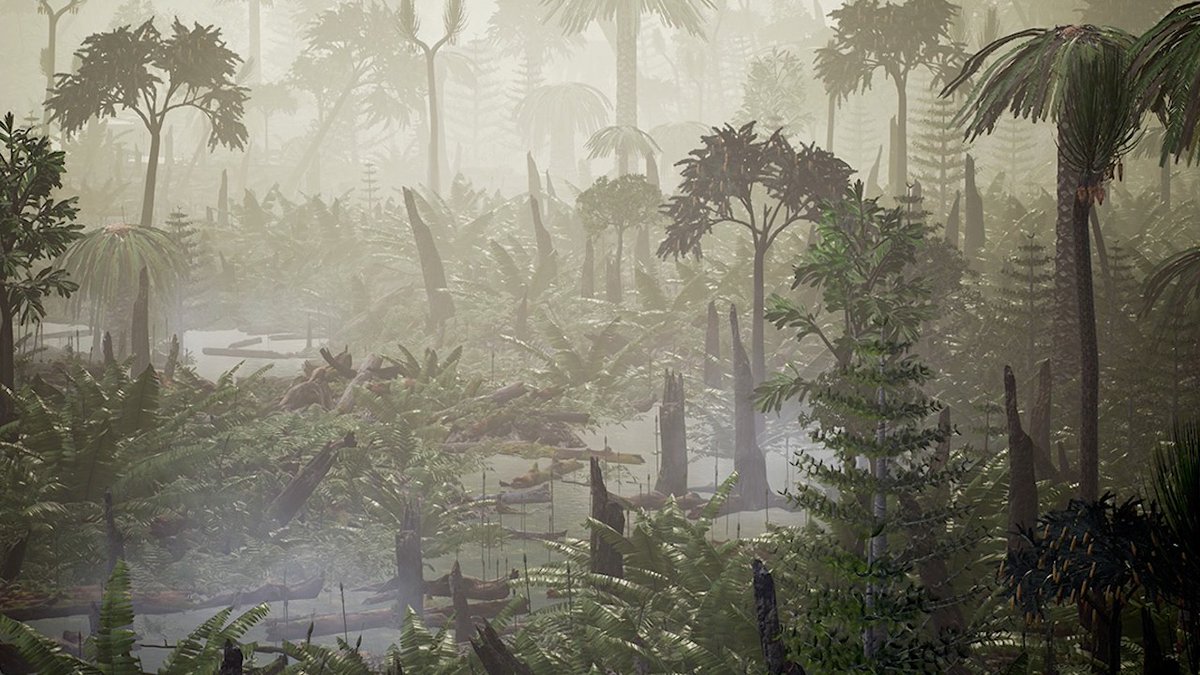
This is what a Jurassic forest may have sounded like. By combining exquisitely preserved fossil wings with experiments on living insects, computer simulations, and machine learning, scientists have re-created what they say is a partial Middle Jurassic soundscape. If the reconstruction is correct, one of the insect calls would be the oldest known evidence of ultrasonic communication in animals—long before echolocating bats appeared. Learn more:
News from Science14,029,727 views • 2 months ago
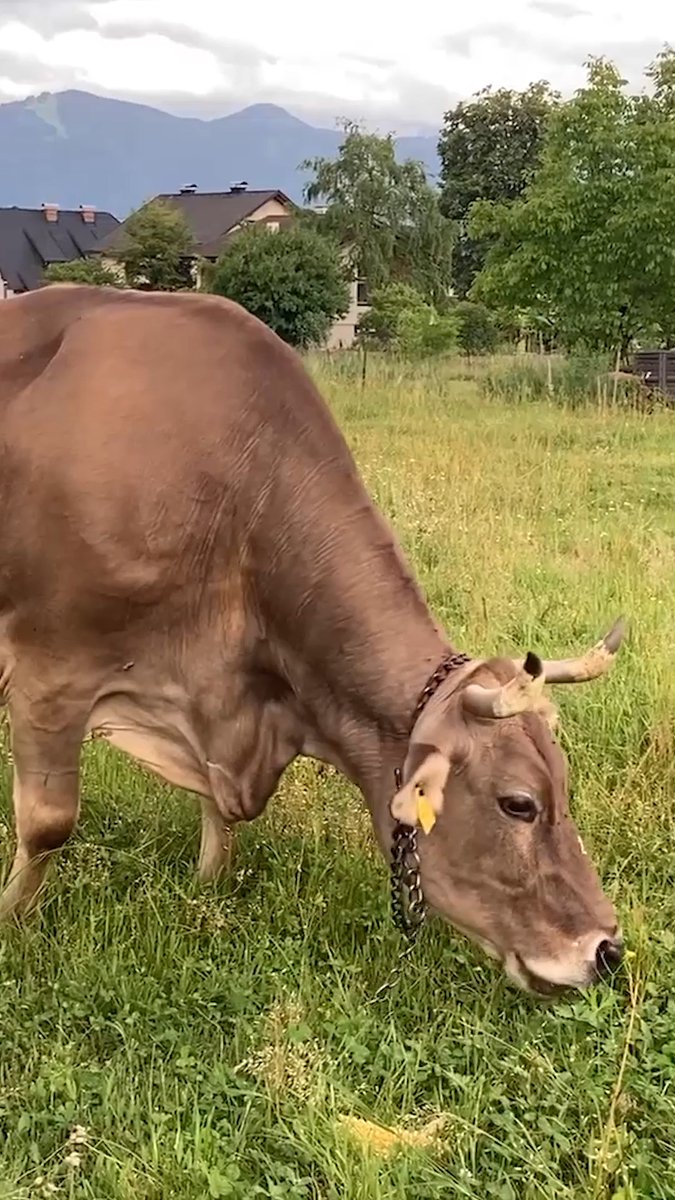
About a decade ago, a baker in a small mountainous village in southern Austria noticed his cow doing something unusual. When Veronika had an itch, she would grab a stick in her mouth and use it to scratch her body. Over the years, the brown bovid’s technique improved. She could pick up objects as large as a broom or rake and move them around with her prehensile tongue, changing their length and orientation to ensure the best possible scratch. The behavior isn’t just a clever trick: It’s the first documented case of tool use in cattle, scientists report. And, it turns out, one of Veronika’s skills has only been seen in humans and chimpanzees. Learn more:
News from Science661,183 views • 4 months ago
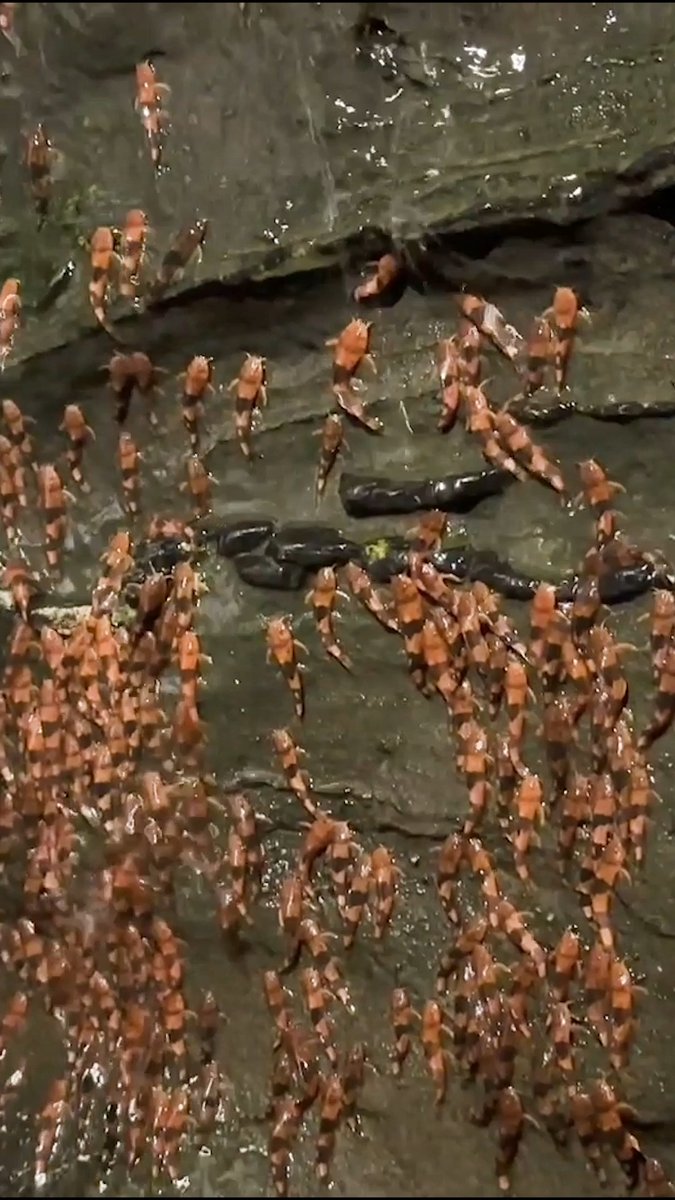
In November 2024, environmental police in Rochedo, Brazil, stumbled on an unexpected sight: thousands of orange-and-black bumblebee catfish scaling the slippery rocks behind waterfalls on the Aquidauana River. A week later, a team of Brazilian scientists arrived to document the unprecedented event, detailing their findings. These videos provide rare insight into the lives and migrations of these little-studied catfish, the authors said. This genus of small South American fish, which inhabits the rocky bottoms of fast-flowing streams, only became known to science in 2017. Learn more:
News from Science916,447 views • 9 months ago
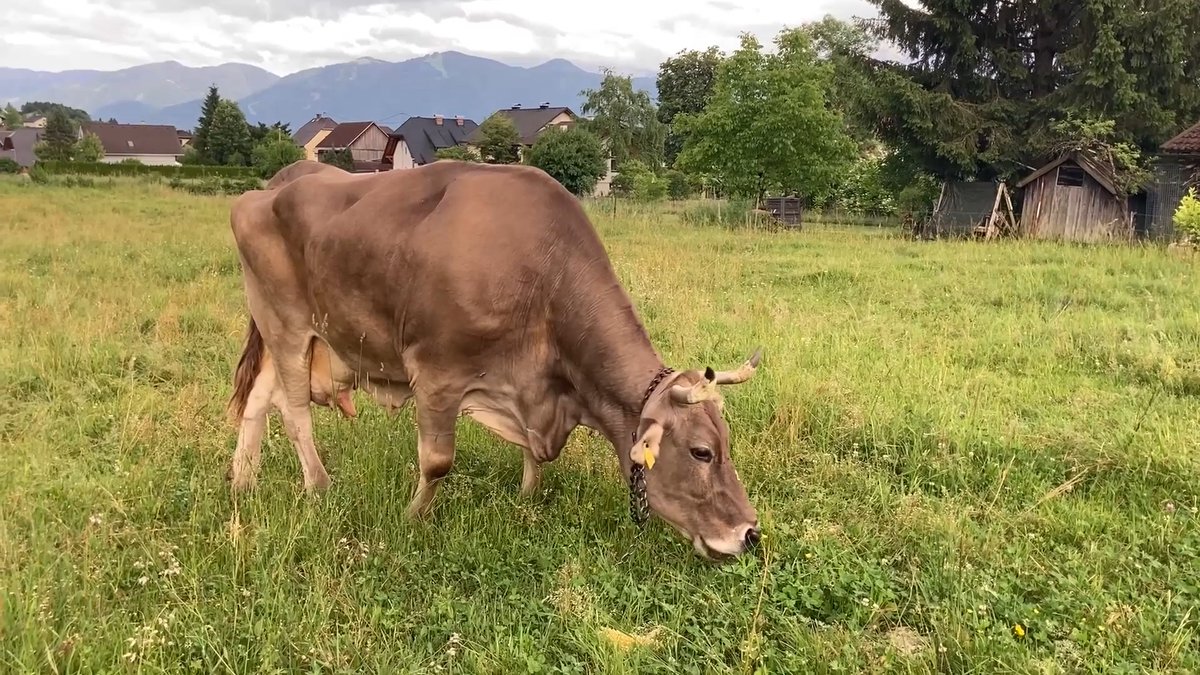
About a decade ago, a baker in a small mountainous village in southern Austria noticed his cow doing something unusual. When Veronika had an itch, she would grab a stick in her mouth and use it to scratch her body. Over the years, the brown bovid’s technique improved. She could pick up objects as large as a broom or rake and move them around with her prehensile tongue, changing their length and orientation to ensure the best possible scratch. The behavior isn’t just a clever trick: It’s the first documented case of tool use in cattle, scientists report. And, it turns out, one of Veronika’s skills has only been seen in humans and chimpanzees. Learn more:
News from Science552,955 views • 9 months ago

Same relaxing sounds, different photo. This is what a Jurassic forest may have sounded like. By combining exquisitely preserved fossil wings with experiments on living insects, computer simulations, and machine learning, scientists have re-created what they say is a partial Middle Jurassic soundscape. If the reconstruction is correct, one of the insect calls would be the oldest known evidence of ultrasonic communication in animals—long before echolocating bats appeared. Learn more:
News from Science94,523 views • 2 months ago
Dragonflies perform an amazing stunt so quickly most people never see it. After emerging from a pond dive, the insects execute several summersaults in midair—a feat scientists have captured for the first time with high-speed video. The bugs aren’t showing off: The quick dip cools them down, and the loop-the-loops help them dry off by flicking away the water. Learn more:
News from Science324,998 views • 10 months ago

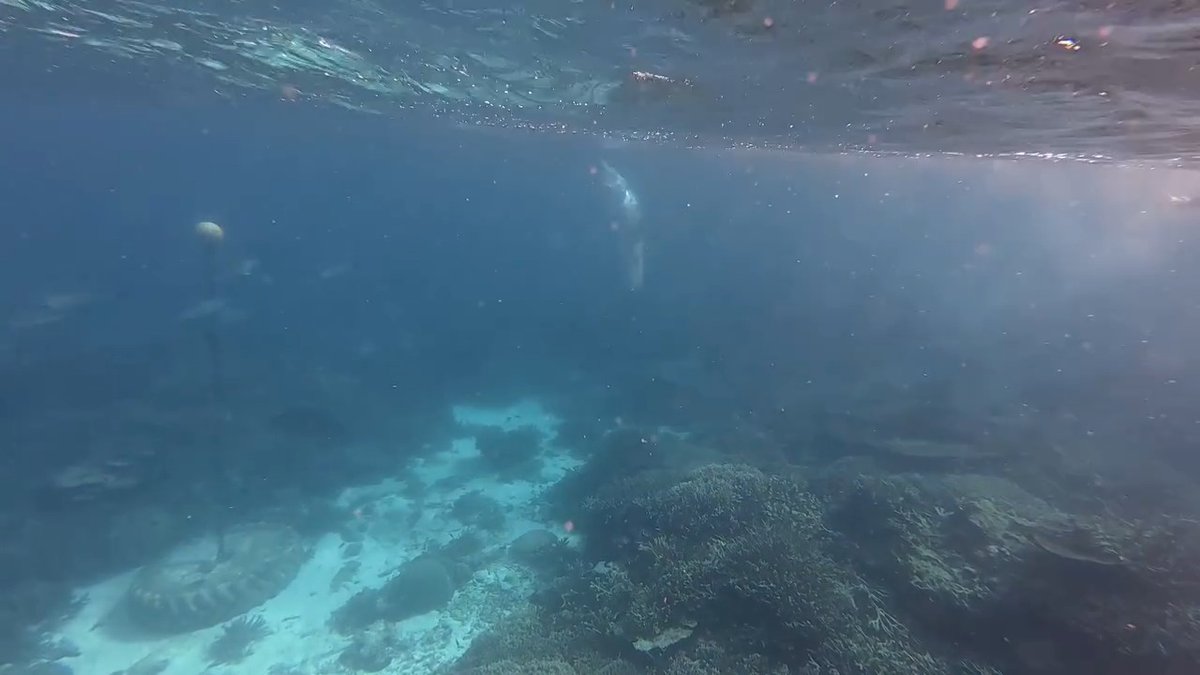
In 2017, scientists began to hear reports of a dolphin doing something unusual off the east coast of Australia. While foraging for food, the animal—named Bubbles by locals—wouldn’t eat any of the fish he was pursuing. Instead, he would single out one, chase it until it threw up, then eat the vomit. The surprising behavior, known as kleptoparasitism, marks one of the few well-documented examples of a cetacean stealing food. Learn more:
News from Science14,843 views • 13 days ago
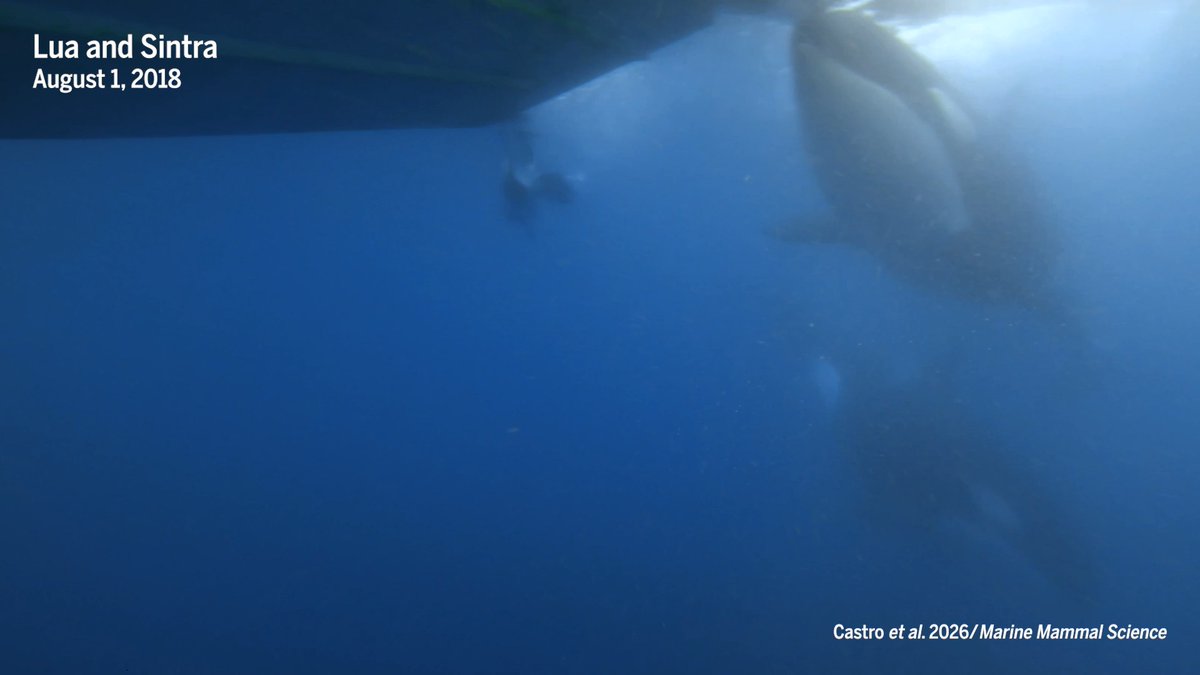
It sounds like an orca rampage. Over the past 6 years, killer whales have been ramming boats off the coasts of Spain and Portugal, sinking nine, and parading fiberglass remnants around like trophies. Vessels are frequently towed into shipyards with tooth rakes on their undersides and rudders ripped off, causing millions of dollars in damage. Sailors have had enough. But are the giant cetaceans really out for blood? Not according to a recent study: Based on underwater footage and firsthand observations, scientists conclude the killer whales aren’t trying to harm humans. Instead, they probably just want to play. Learn more:
News from Science54,884 views • 2 months ago

A speck in a dish—that’s all the nervous system of the fruit fly Drosophila melanogaster looks like to the naked eye. But look closely enough, and it resolves into a network of 166,700 nerve cells connected through 124.2 million synapses. The intricate map—called a connectome—has now been published, marking the end of an ambitious 20-year research project. Learn more:
News from Science29,460 views • 2 months ago
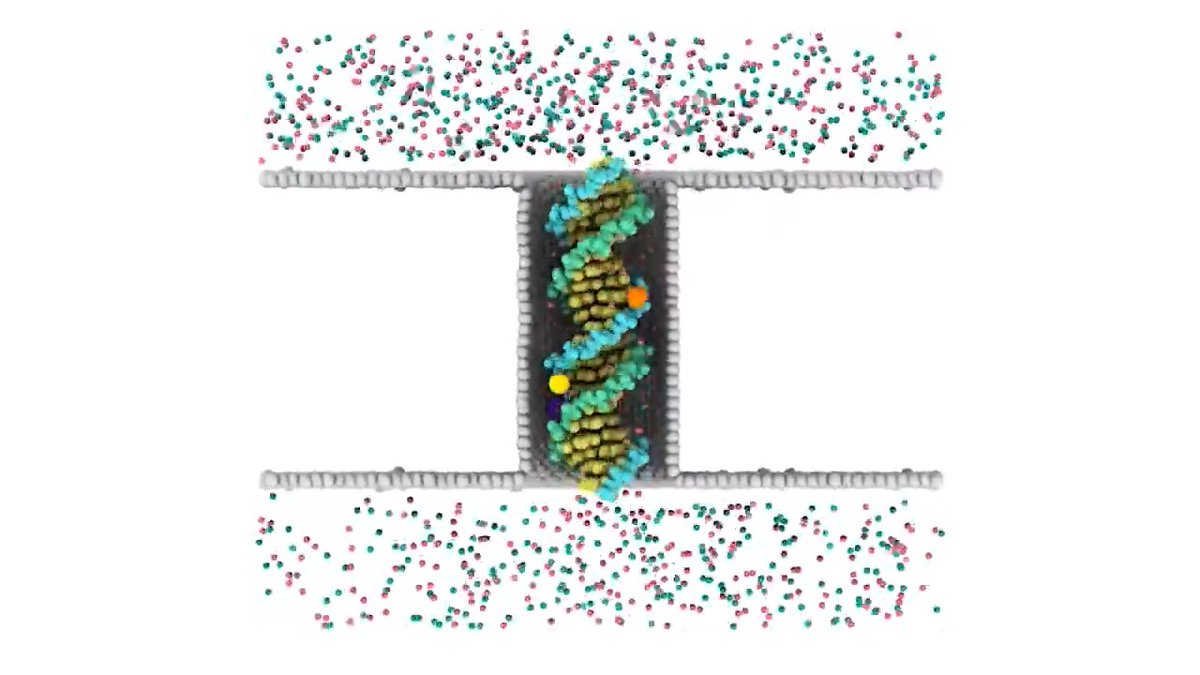
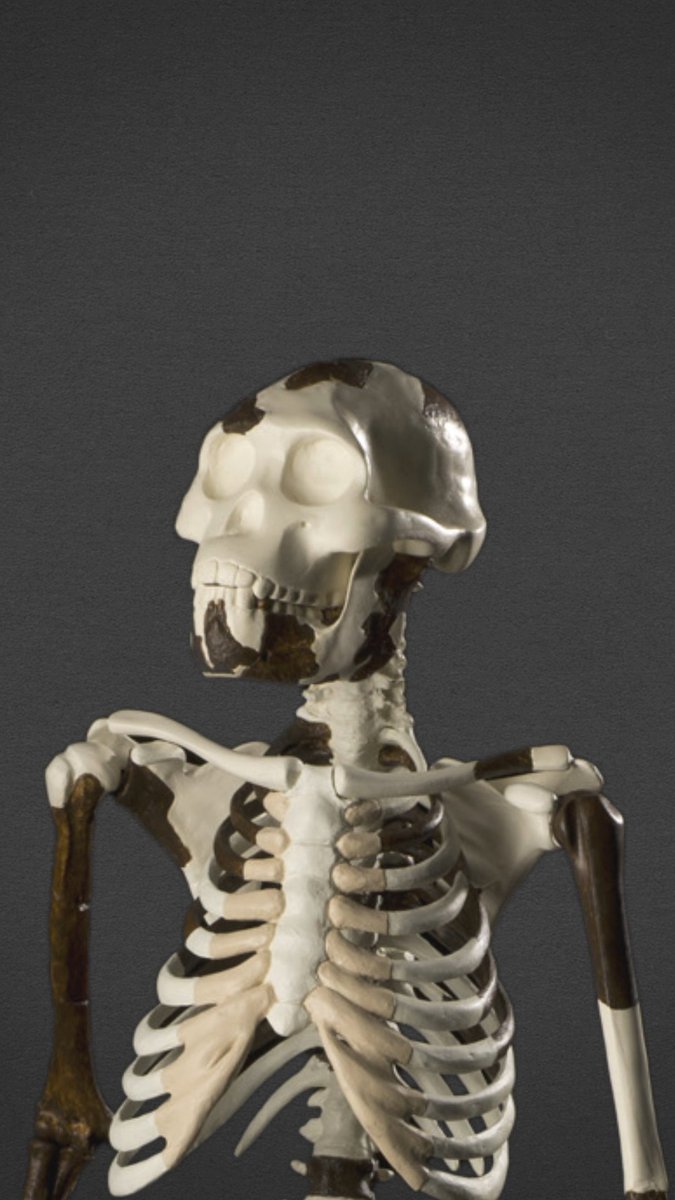
In 1974, paleoanthropologist Don Johanson and student Tom Gray unearthed a 40% complete skeleton of an early human ancestor, fundamentally changing the human family tree. The specimen acquired a nickname that persisted: Lucy, after the Beatles song playing at the fossil hunter’s camp—“Lucy in the Sky with Diamonds.” At 3.2 million years old, some thought her species, Australopithecus afarensis, was close to when the ancestor of humans had split from the ancestor of chimpanzees. But in the past 50 years, discoveries of hominins both older and the same age as Lucy have pushed that split millions of years deeper in time, and challenged her position as mother of us all. Learn more: #ScienceMagArchives
News from Science12,227 views • 29 days ago

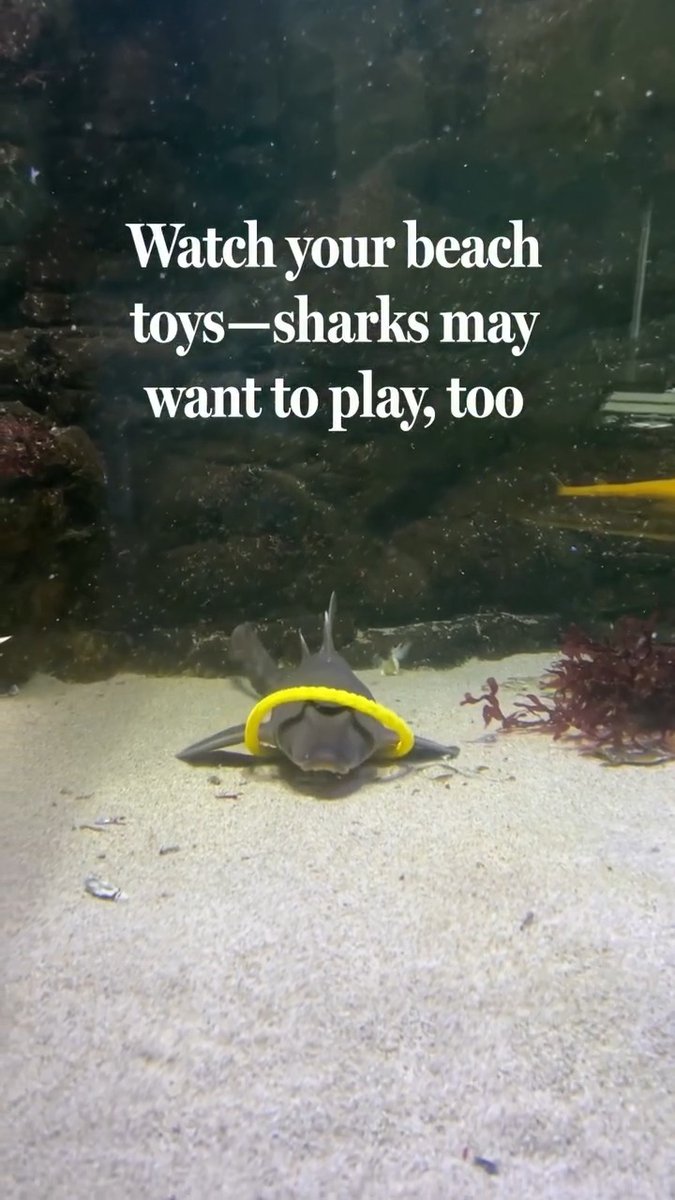
In a Southern California aquarium, a young leopard shark rushes headfirst toward a plastic squid toy and then—as if in a game of chicken—makes a last-minute dash to the left, barely clearing the dangling rubber tentacles. Meanwhile, his tankmate, a California skate, grabs an orange ring with her mouth, rolling the textured plastic around with her tongue. And over at the tank’s sandy bottom, a hovering horn shark glides over to a bright yellow hoop and squeezes himself—along with all his jutting fins—right through it. These cartilaginous fish aren’t putting on a show. It seems they’re playing—just for the fun of it, according to the team behind the new study. The findings, the researchers say, offer the strongest evidence yet that sharks engage in play behavior. Learn more:
News from Science61,058 views • 11 months ago
