

News from Science
@NewsfromScience • 726,024 subscribers
The latest stories in science, brought to you by the @ScienceMagazine news team.
Shorts



Videos
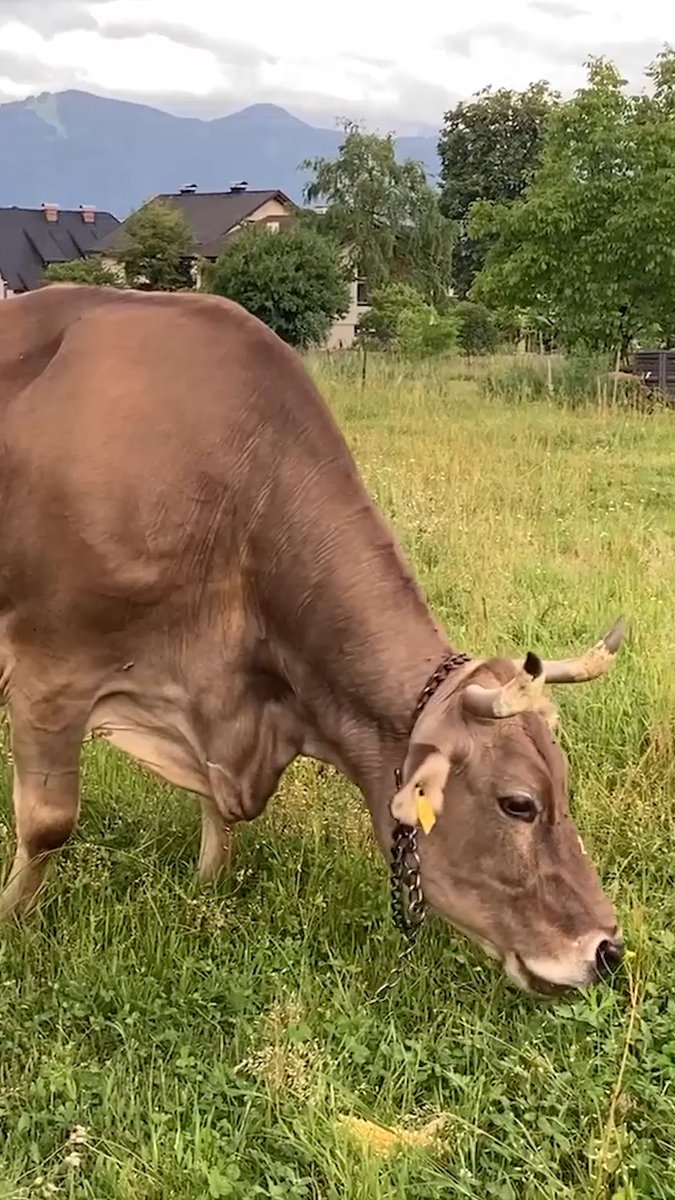
About a decade ago, a baker in a small mountainous village in southern Austria noticed his cow doing something unusual. When Veronika had an itch, she would grab a stick in her mouth and use it to scratch her body. Over the years, the brown bovid’s technique improved. She could pick up objects as large as a broom or rake and move them around with her prehensile tongue, changing their length and orientation to ensure the best possible scratch. The behavior isn’t just a clever trick: It’s the first documented case of tool use in cattle, scientists report. And, it turns out, one of Veronika’s skills has only been seen in humans and chimpanzees. Learn more:
News from Science660,378 просмотров • 22 дней назад
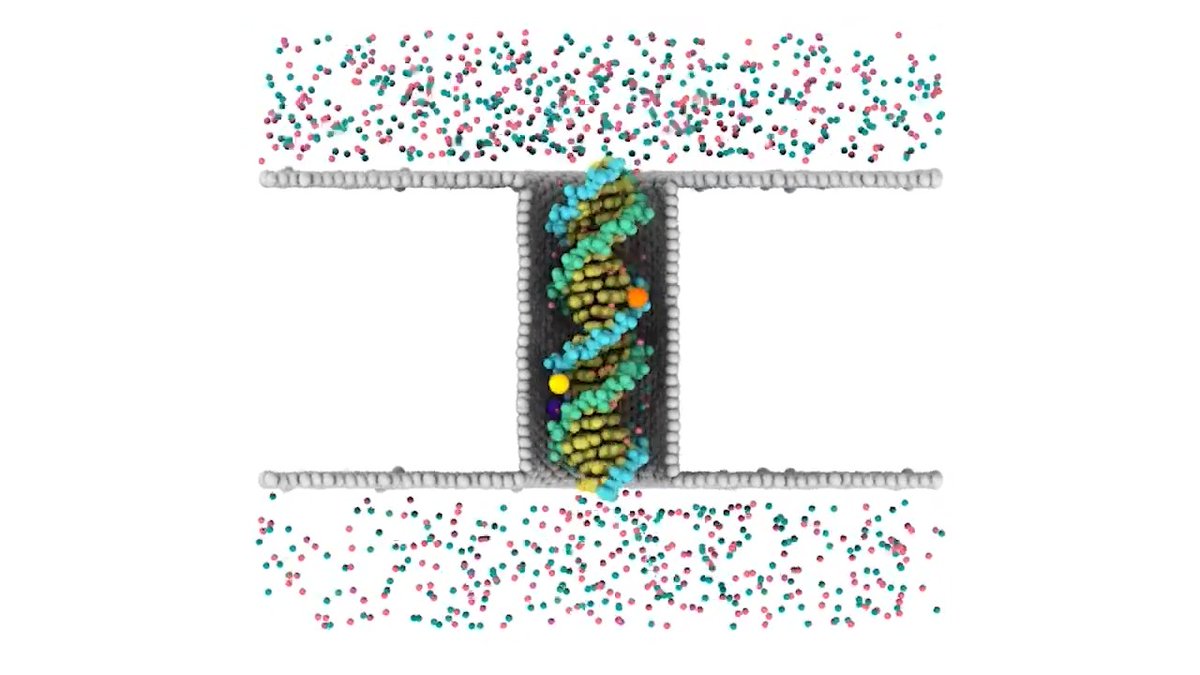
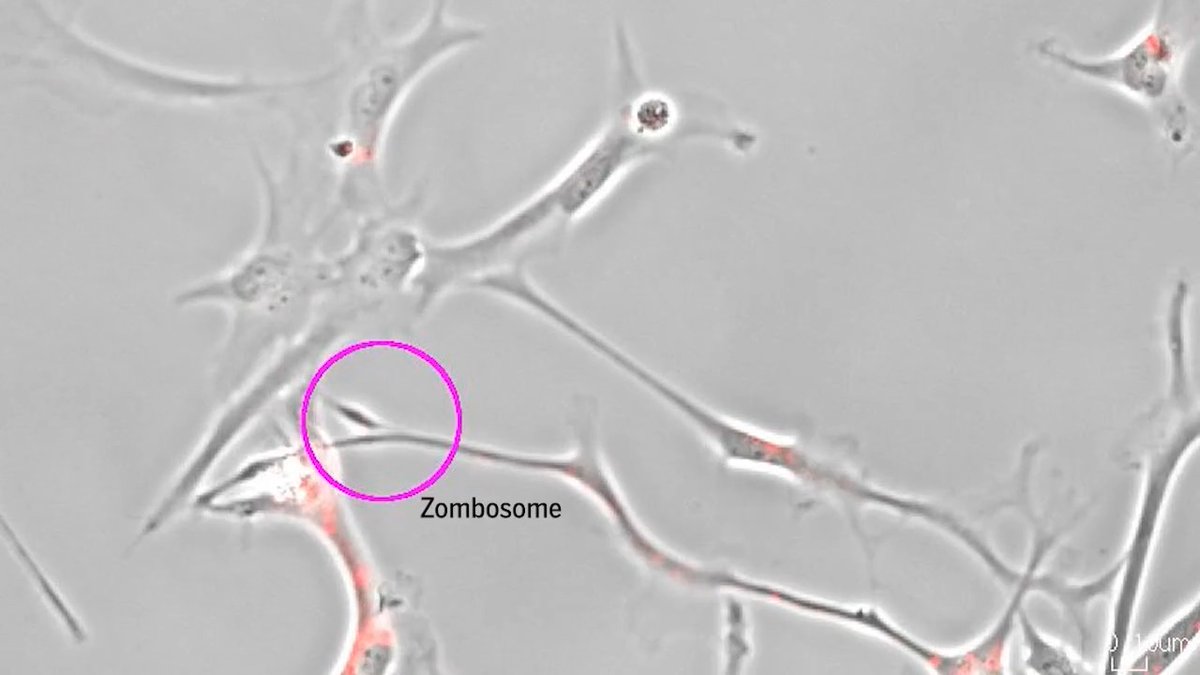
When key “housekeeper” brain cells grow in lab dishes, they spawn unusual microscopic vesicles that can move on their own and carry energy-generating organelles, a research team revealed earlier this year. The biologists have dubbed their discovery zombosomes because the blobs can move like cells for a period despite lacking a nucleus, which acts as a cell's control center. The group also showed the membrane-bound messengers ferry proteins related to Parkinson’s disease, suggesting they may contribute to it and other brain disorders. Learn more on #WorldBrainDay:
News from Science34,997 просмотров • 5 дней назад
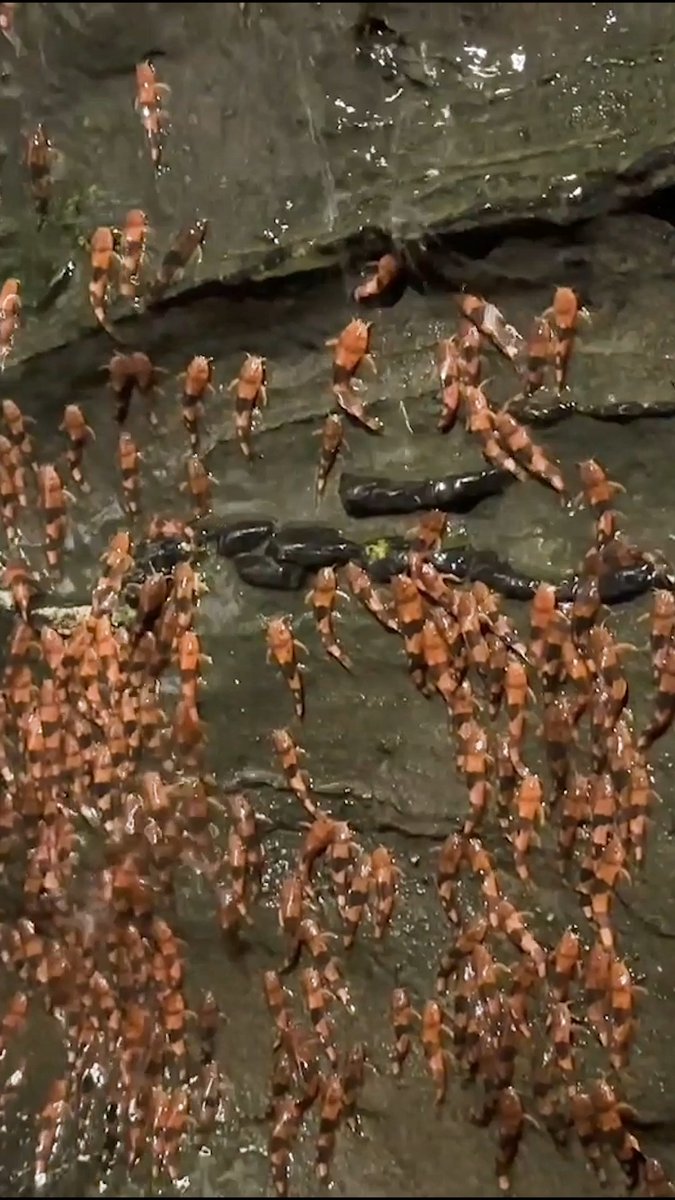
In November 2024, environmental police in Rochedo, Brazil, stumbled on an unexpected sight: thousands of orange-and-black bumblebee catfish scaling the slippery rocks behind waterfalls on the Aquidauana River. A week later, a team of Brazilian scientists arrived to document the unprecedented event, detailing their findings. These videos provide rare insight into the lives and migrations of these little-studied catfish, the authors said. This genus of small South American fish, which inhabits the rocky bottoms of fast-flowing streams, only became known to science in 2017. Learn more:
News from Science915,738 просмотров • 6 месяцев назад
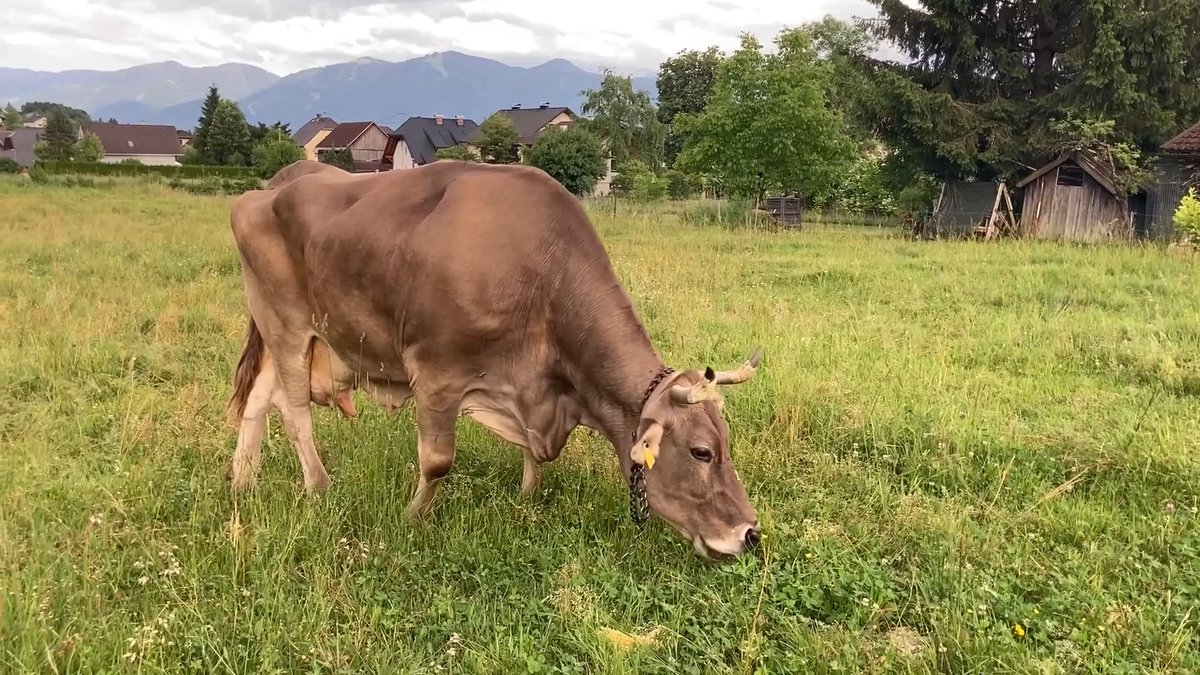
About a decade ago, a baker in a small mountainous village in southern Austria noticed his cow doing something unusual. When Veronika had an itch, she would grab a stick in her mouth and use it to scratch her body. Over the years, the brown bovid’s technique improved. She could pick up objects as large as a broom or rake and move them around with her prehensile tongue, changing their length and orientation to ensure the best possible scratch. The behavior isn’t just a clever trick: It’s the first documented case of tool use in cattle, scientists report. And, it turns out, one of Veronika’s skills has only been seen in humans and chimpanzees. Learn more:
News from Science551,591 просмотров • 6 месяцев назад
Dragonflies perform an amazing stunt so quickly most people never see it. After emerging from a pond dive, the insects execute several summersaults in midair—a feat scientists have captured for the first time with high-speed video. The bugs aren’t showing off: The quick dip cools them down, and the loop-the-loops help them dry off by flicking away the water. Learn more:
News from Science324,998 просмотров • 6 месяцев назад

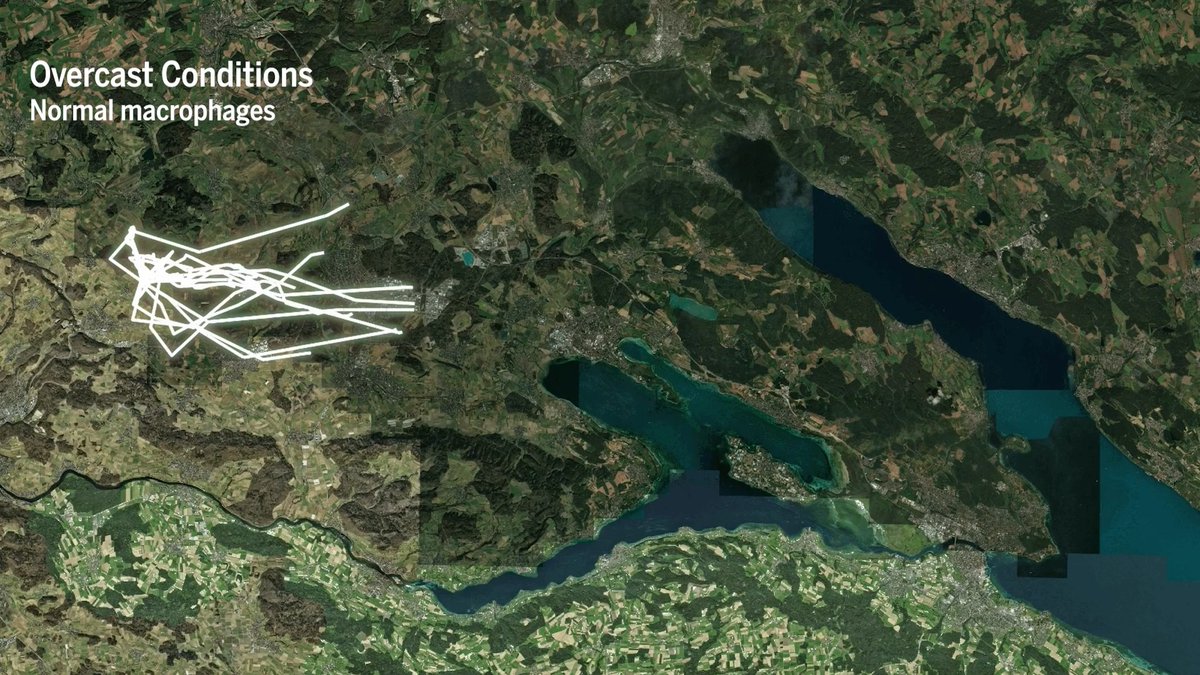
Homing pigeons orient themselves by the Sun’s position under sunny skies and rely on their magnetic sense when it is cloudy. Under overcast conditions, homing pigeons with their normal liver macrophages had little issue flying a 19-kilometer route for which they had been trained. When injected with clodronate liposomes that knocked out the liver macrophages, the pigeons could navigate the route without issue when it was sunny. Under overcast skies, however, homing pigeons with depleted liver macrophages struggled mightily to find their way home—suggesting the immune cells play a role in the birds’ magnetic sense. Learn more:
News from Science17,387 просмотров • 24 дней назад
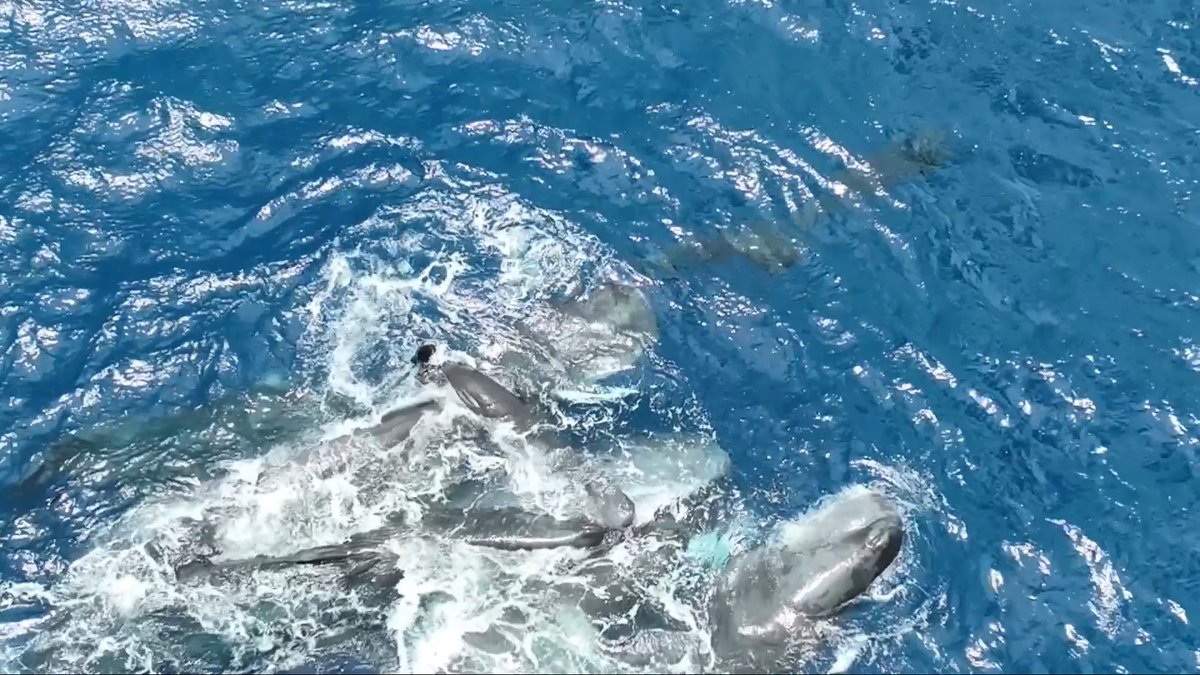
In July 2023, researchers on a whale watching expedition in the Caribbean Sea encountered an unusual scene: 11 sperm whales clustered tightly at the water’s surface. The animals began to inch closer and closer together in the waters off the island of Dominica, with their attention turned to one individual, until a burst of blood tinted the water. At first, the scientists—part of Project CETI, a nonprofit that studies how sperm whales interact—thought the animal had been attacked. But then they saw a tiny tail pop out of the water. The researchers quickly realized they had in fact observed a group of whales helping a calf take its first breath. Even more fortuitous, they had captured it on video from a drone. Read more:
News from Science55,948 просмотров • 4 месяцев назад
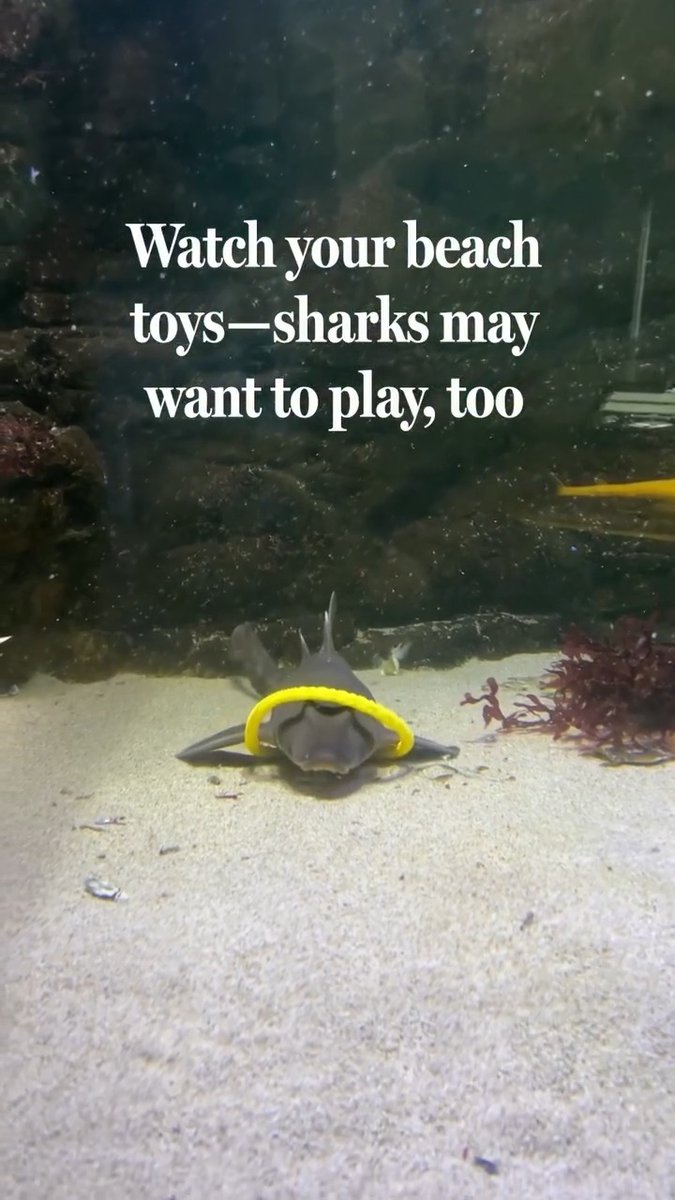
In a Southern California aquarium, a young leopard shark rushes headfirst toward a plastic squid toy and then—as if in a game of chicken—makes a last-minute dash to the left, barely clearing the dangling rubber tentacles. Meanwhile, his tankmate, a California skate, grabs an orange ring with her mouth, rolling the textured plastic around with her tongue. And over at the tank’s sandy bottom, a hovering horn shark glides over to a bright yellow hoop and squeezes himself—along with all his jutting fins—right through it. These cartilaginous fish aren’t putting on a show. It seems they’re playing—just for the fun of it, according to the team behind the new study. The findings, the researchers say, offer the strongest evidence yet that sharks engage in play behavior. Learn more:
News from Science61,058 просмотров • 7 месяцев назад
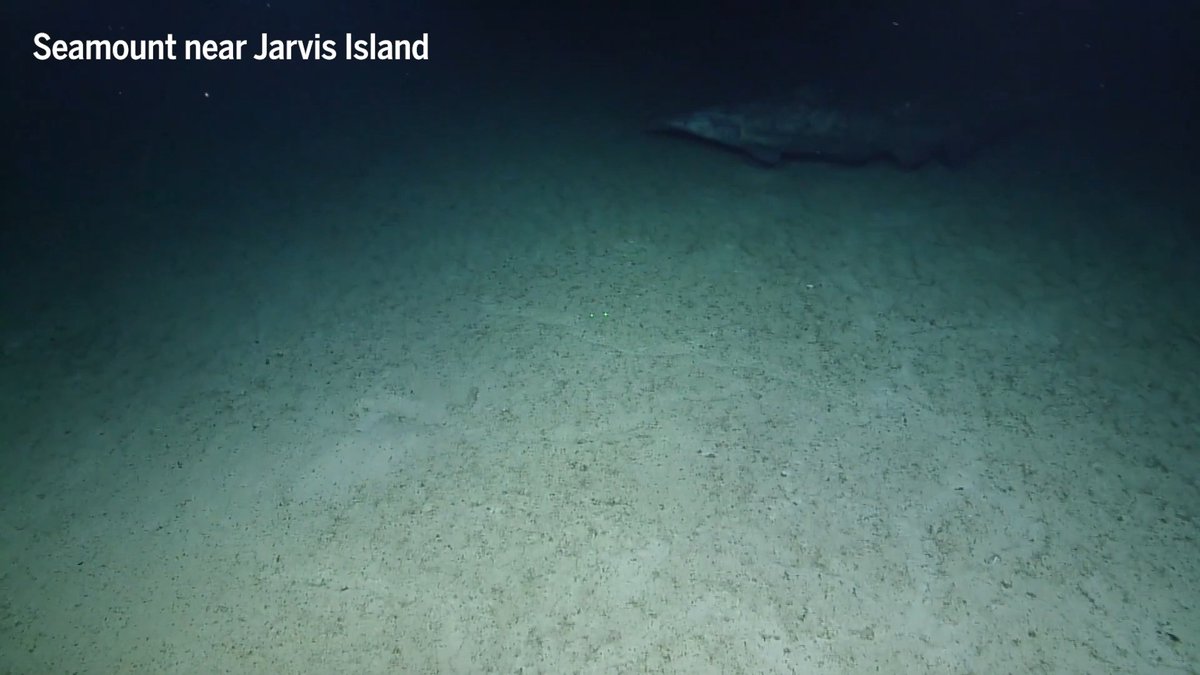
In July 2019, a remotely operated vehicle filmed an unusual creature 2 kilometers below the waves near Jarvis Island in the central Pacific Ocean. Three meters long with pink and gray skin, jaws that can snap outward in a flash, and a comically elongated snout, the animal leisurely glid along the sea floor. Five years later, researchers spotted the same species near Tonga. Both were goblin sharks, an odd and poorly understood animal that had never been filmed in its deep-sea home. Learn more:
News from Science15,054 просмотров • 1 месяц назад

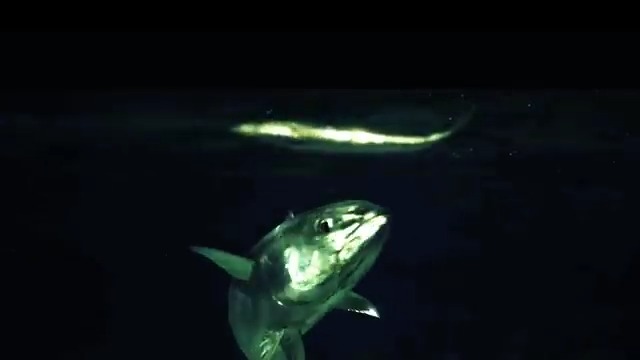
Bluefin tuna can stretch 3 meters, weigh a metric ton, and reach speeds of 60 kilometers per hour. Yet they still turn on a dime when hunting, thanks in part to their lymphatic systems. Unlike humans, who use their lymphatic systems to produce and transport white blood cells, tuna use theirs to move two of their fins, research finds. Learn more on #WorldTunaDay:
News from Science13,222 просмотров • 2 месяцев назад


0:29
Sensitive content
This media may contain sensitive content.
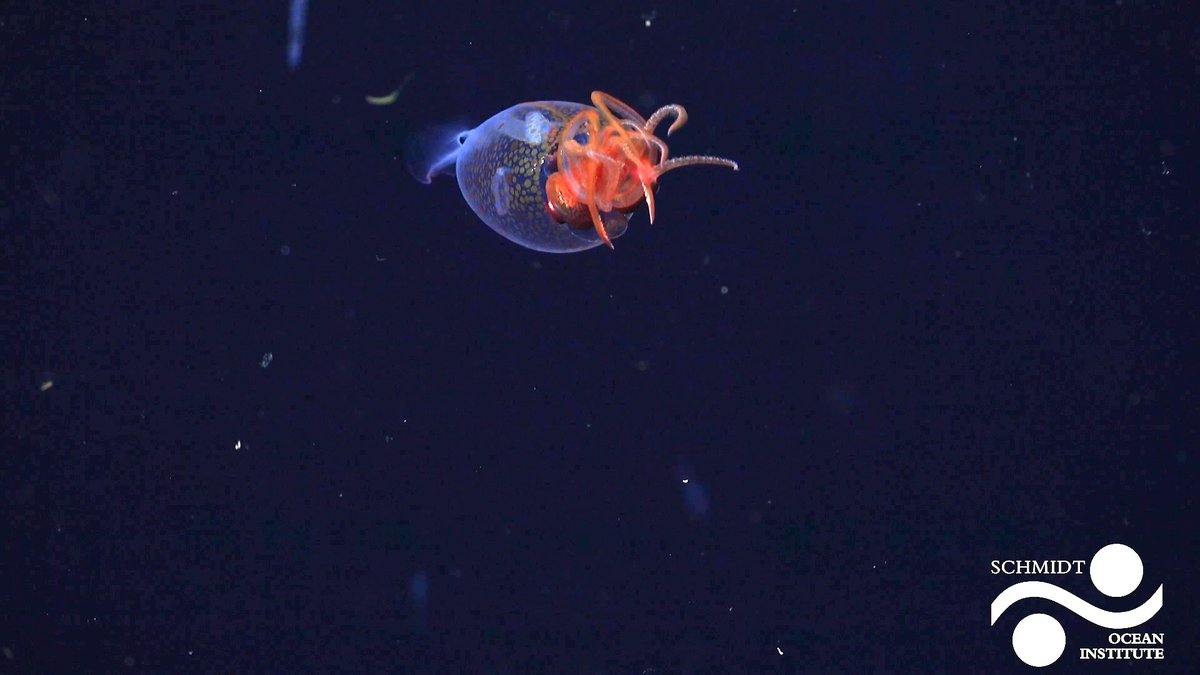
This colossal squid has been filmed in its natural habitat for the first time. Learn more:
News from Science21,968 просмотров • 1 год назад
Больше нет контента для загрузки