Ms.
@AphiweMame • 8,272 subscribers
Culture Commentator | Cartoons & Cereal | Umgcini Wamaxesha
Shorts


Videos


🏳️🌈Pride Month 📺SABC 1: After 9 (2007-2013) After 9 arrived at a fascinating moment in South Africa. On paper, the country had some of the world's most progressive protections for LGBTQIA+ people. But as we know, what is written in the Constitution and what happens around the dinner table are often two very different things. The show understood that gap. Its characters weren't just struggling with their sexuality; they were navigating family expectations, cultural pressures, career ambitions and the performance of being the "right kind" of man. SABC+ SABC 1
Ms.576,387 views • 3 months ago

📺City Ses’la (2005-2010) -Clever use of physical comedy -The writing; humour is sometimes dry, direct, and perfectly timed. What seems simple is actually sharp, witty writing that keeps you thinking. -Cultural coding and everyday moments, giving it that effortless “fly-on-the-wall” feel.
Ms.192,698 views • 5 months ago

📽️🎶 After Robot: Kwaito Music in Johannesburg (2002) Every now and again, I return to this short doccie and each time, I’m struck by just how much the artists of the early 2000s carved out new ways of being. It reminds me of how kwaito musicians forged powerful and diverse cultural identities, even while facing systemic barriers in the music industry and a social climate that wasn’t always receptive to the “new wave.”
Ms.352,862 views • 1 year ago

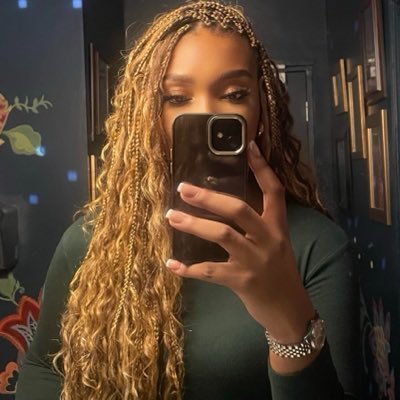



📺 Ntsiki in that green two-piece??? Shaan with the beige suit and choker??? Wardrobe understood the assignment. They are both in skirt suits here, but they communicate two completely different versions of the professional woman. Ntsiki’s olive-green double-breasted suit is so early-2000s corporate chic structured shoulders, fitted waist, strong lapels, everything quite architectural. Shaun’s beige two-piece works differently softer tailoring, a lower neckline and that little black choker immediately make the corporate suit feel fashionable Costume in a long-running soap becomes a form of serial characterisation. You learn who is conservative, ambitious, wealthy, or authoritative partly through repetition in their wardrobe. Generations could therefore communicate character before a scene had properly begun. Ntsiki walks in you already know she has arrived with purpose. 😂
Ms.50,129 views • 1 month ago

📺 Emzini Wezinsizwa S3 EP5 (1997) Watching this scene again, I'm struck by how it captures a South Africa still learning the language of the new democracy. Tshawe jokingly calls Chirwali an "alien" while contrasting him with ANC exiles returning home. The tensions around mobility were already there, but the vocab was still forming. The confidence the series had in Black conversation *chefs kiss* It trusted viewers to recognise political references without explanatory dialogue. It believed ordinary Black life was already intellectually rich enough to sustain comedy.
Ms.71,590 views • 2 months ago


📺The Felicia Show (1995-2004) 31 years later, South African actors and Actresses are still speaking about low pay, missing contracts, unpaid royalties, and structural exploitation. To talk about SA pop culture without talking about labour is to tell an incomplete story. What makes this show powerful is what it revealsthis system is durable. The same grievances repeating across generations point to structure, not failure. What’s unsettling isn’t the critique it’s how current it feels.
Ms.161,965 views • 8 months ago


🏳️🌈Pride Month 📺SABC 1: Society (2007-2010) Beth and Thuli's relationship was so important in the history of queer representation on South African television. I'm struck by how quietly groundbreaking their storyline was. At a time when lesbian representation was still rare on mainstream television, SABC audiences were watching a Black lesbian couple navigate love, friendship, visibility and the courage it takes to live openly.
Ms.68,312 views • 3 months ago


📺🧵Fun fact: when Coca-Cola Popstars was announced in 2002, we had no idea we were witnessing the start of a new era. Not just in reality TV, but in SA’s soundscape Let’s start with 101, the OG winners in 2002. The name? “101” the sum of their ages at the time. They showed us we could have an SA boy-girl group with Billboard dreams.
Ms.166,703 views • 1 year ago

📺 TV 1 aka SABC 1 (1995) “Operation Litter” Wits students protesting the dismissal of two campus cashiers accused of letting some customers take items without paying. Student solidarity, post-’94 the fight for justice didn’t end with democracy, it just moved to new frontlines.
Ms.127,311 views • 11 months ago

