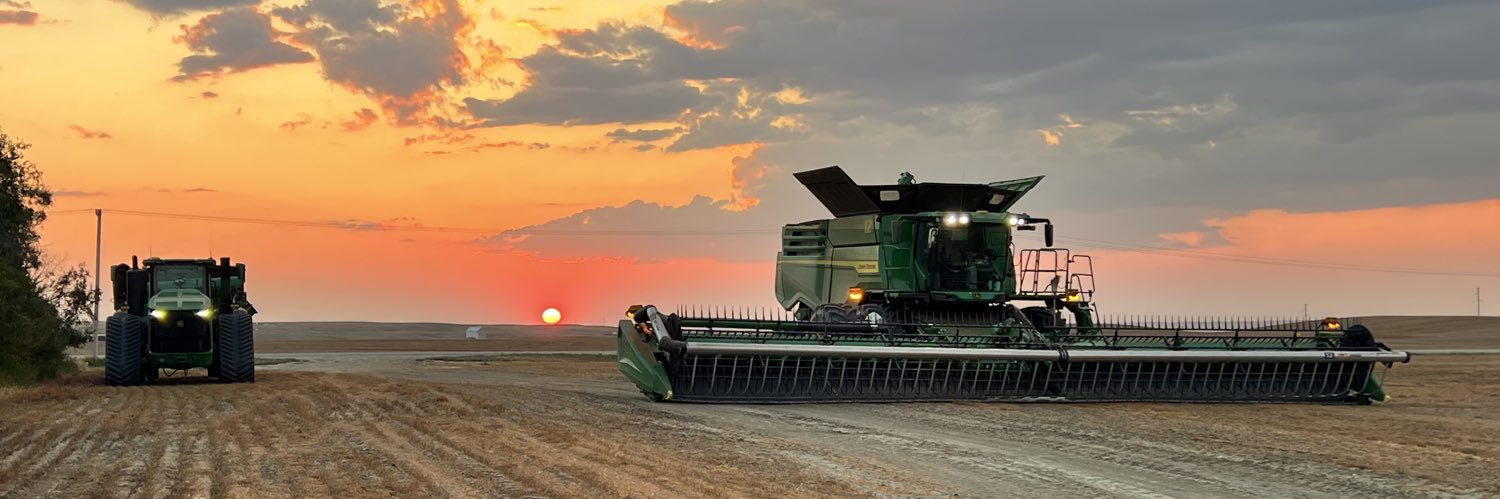
bu/ac's banner
bu/ac's profile picture

bu/ac

@buperac39,051 subscribers

All posts are for Entertainment Purposes Only 🍿Petro Engineer ⚙️ Ag Tech 🚜 Currently Running Biostim Trial

Shorts

4 million people like this in Canada. Notice this guy has 3 cars in his driveway of his $750,000 townhouse. They are scamming to survive and every scammer loophole needs to be closed and they need to go go immediately. They don’t belong here.

4 million people like this in Canada. Notice this guy has 3 cars in his driveway of his $750,000 townhouse. They are scamming to survive and every scammer loophole needs to be closed and they need to go go immediately. They don’t belong here.

2,406,994 Aufrufe

How does this happen?

How does this happen?

192,256 Aufrufe

Somehow I’m sure this is white peoples fault though. /Fin

Somehow I’m sure this is white peoples fault though. /Fin

149,958 Aufrufe

Derka derka, I hope my Amazon package is alright.

Derka derka, I hope my Amazon package is alright.

70,067 Aufrufe

Ok but do you remember when Carney was an advisor to Trudeau when you brought police in from all over Canada and hired private security to beat the shit out of and tear gas peaceful protestors? Seems pretty disingenuous anyway.

Ok but do you remember when Carney was an advisor to Trudeau when you brought police in from all over Canada and hired private security to beat the shit out of and tear gas peaceful protestors? Seems pretty disingenuous anyway.

66,158 Aufrufe

Why are they shutting off water to the fire hydrants in BC? The government is terrorizing its citizens purposely. What a fucking racket.

Why are they shutting off water to the fire hydrants in BC? The government is terrorizing its citizens purposely. What a fucking racket.

249,362 Aufrufe

East Indian semi trucks getting excited to kill more Canadian families. It’s time for them to go home.

East Indian semi trucks getting excited to kill more Canadian families. It’s time for them to go home.

52,366 Aufrufe

They are shitting on the bus 🚌 instead of the beach now. Likely time to send them all home.

They are shitting on the bus 🚌 instead of the beach now. Likely time to send them all home.

30,278 Aufrufe

A day in the life of an 100,000+ acre farm. Meetings start at the shop at 4:30am. You get in your drill and head off to your designated seeding area. There is about a 70km radius of crops to seed from the main binyard. I always thought 4:30am was so awesome. Imagine having to get everyone on board to wake up at 4am daily to crush acres, it’s a feat in this day and age undoubtedly. It’s also a reason why few can compete against operations like this, pure savagery. Every team that seeds together gets a crew truck. Nothing pisses a tired crew off more than being late & chances are you are driving your own truck out to the seeder when you show up late. It has to run like clockwork to seed everything in a timely manner because you may lose some days to rain. Typically you would run as long as you can every single day. A 16 hour days are easy, it’s the back to back to back 18 or 20 hour days that are killers. I really enjoyed the long hours, I had started to track every one of my movements by acres. I knew on a perfect day I could do about 766 acres a day, but every turn I would deduct acres, stop to piss I would deduct acres, run out and grab supper I would deduct acres, fill the seeder I would deduct acres, check my runs I would deduct acres, fix my hoses I would deduct acres, I knew exactly how to bang out an awesome day and that usually meant no liquids after 10am so I didn’t have to stop to piss. Not everyone did this, in fact probably no one but me did this but I was obsessed with efficiency at the time. Seeding could last anywhere from 25 to 45 days depending. 2 of the seeding units were kept to finish sloughs, while the rest of the tractors were cleaned up, serviced and dropped back off at the JD dealership. 5 or 6 tractors were kept for grain carts to use at harvest but next seeding year all brand new JD tractors will be used, there is never used tractors used, the deadline is far too important and the dependability & warranty is crucial to complete seeding on time.

A day in the life of an 100,000+ acre farm. Meetings start at the shop at 4:30am. You get in your drill and head off to your designated seeding area. There is about a 70km radius of crops to seed from the main binyard. I always thought 4:30am was so awesome. Imagine having to get everyone on board to wake up at 4am daily to crush acres, it’s a feat in this day and age undoubtedly. It’s also a reason why few can compete against operations like this, pure savagery. Every team that seeds together gets a crew truck. Nothing pisses a tired crew off more than being late & chances are you are driving your own truck out to the seeder when you show up late. It has to run like clockwork to seed everything in a timely manner because you may lose some days to rain. Typically you would run as long as you can every single day. A 16 hour days are easy, it’s the back to back to back 18 or 20 hour days that are killers. I really enjoyed the long hours, I had started to track every one of my movements by acres. I knew on a perfect day I could do about 766 acres a day, but every turn I would deduct acres, stop to piss I would deduct acres, run out and grab supper I would deduct acres, fill the seeder I would deduct acres, check my runs I would deduct acres, fix my hoses I would deduct acres, I knew exactly how to bang out an awesome day and that usually meant no liquids after 10am so I didn’t have to stop to piss. Not everyone did this, in fact probably no one but me did this but I was obsessed with efficiency at the time. Seeding could last anywhere from 25 to 45 days depending. 2 of the seeding units were kept to finish sloughs, while the rest of the tractors were cleaned up, serviced and dropped back off at the JD dealership. 5 or 6 tractors were kept for grain carts to use at harvest but next seeding year all brand new JD tractors will be used, there is never used tractors used, the deadline is far too important and the dependability & warranty is crucial to complete seeding on time.

57,117 Aufrufe

Probably one of the coolest Interactive maps I have seen. Shows all the original farms in Ontario from 1855-1869. If you zoom in you can even see who the original land owners are. So awesome. In 1871 there were 172,258 farms while in 2025 there are 48,346 farms. In the 19th Century in Ontario the standard farm size was 100 acres, versus 160 in the western prairies. In the earliest surveys (pre-1815), the grants were often 200 acres (measuring about 20 chains by 100 chains). The Division: The 200-acre lot was later often divided into two 100-acre parcels. This 100-acre size became the typical unit granted to settlers. The Grid System: These rectangular lots were grouped into Concessions (strips of land running the length of the township, facing the main road) and separated by Side Roads. This efficient, rectangular system was a key component of British colonial policy to promote orderly settlement and was influenced by systems used in the U.S. and Europe. The "Why": The 100-acre size was considered the minimum viable size for a family farm in the 19th century that was expected to clear the land, grow enough food for subsistence, and produce a surplus to sell (commercialization). I put a link to the map in the next post:

Probably one of the coolest Interactive maps I have seen. Shows all the original farms in Ontario from 1855-1869. If you zoom in you can even see who the original land owners are. So awesome. In 1871 there were 172,258 farms while in 2025 there are 48,346 farms. In the 19th Century in Ontario the standard farm size was 100 acres, versus 160 in the western prairies. In the earliest surveys (pre-1815), the grants were often 200 acres (measuring about 20 chains by 100 chains). The Division: The 200-acre lot was later often divided into two 100-acre parcels. This 100-acre size became the typical unit granted to settlers. The Grid System: These rectangular lots were grouped into Concessions (strips of land running the length of the township, facing the main road) and separated by Side Roads. This efficient, rectangular system was a key component of British colonial policy to promote orderly settlement and was influenced by systems used in the U.S. and Europe. The "Why": The 100-acre size was considered the minimum viable size for a family farm in the 19th century that was expected to clear the land, grow enough food for subsistence, and produce a surplus to sell (commercialization). I put a link to the map in the next post:

24,079 Aufrufe

Videos

buperac's profile picture

This is marketing to your audience

bu/ac

272,453 Aufrufe • vor 6 Monaten