
Freakonomics
@Freakonomics • 582,263 subscribers
Shows that explore the hidden side of everything with Stephen Dubner. Check out our new show Better in Person on the Freakonomics YouTube channel.
Shorts


Videos


Can backgammon save us from ourselves? In this week’s episode of Freakonomics Radio, Stephen Dubner meets a community of people who believe backgammon is about much more than winning. From Masayuki "Mochy" Mochizuki, arguably the world's best backgammon player, to entrepreneurs, quants, and the people building a new generation of backgammon clubs, Stephen discovers how this game not only creates community but has also helped shape everything from N.F.L. decision-making to advancements in A.I. It brings strangers together. It teaches probability, strategy, and emotional control. There’s a reason this game has 5,000 years of staying power. Listen now wherever you get your podcasts.
Freakonomics18,679 views • 2 months ago

Richard Feynman had a habit of pulling complicated things apart until he could see what was actually true. That instinct took him from the Manhattan Project to the Challenger investigation, where he exposed NASA’s failure to properly assess the risks involved. But what made Feynman fascinating wasn’t just the physics. It was the way he approached everything: with skepticism, curiosity, irreverence, and a deep need to understand how things worked beneath the surface. In this series, Freakonomics Radio revisits the life and ideas of the Nobel Prize-winning physicist through archival tape, conversations with family and colleagues, and stories that feel surprisingly relevant right now. Link to full episodes in the comments.
Freakonomics20,957 views • 3 months ago


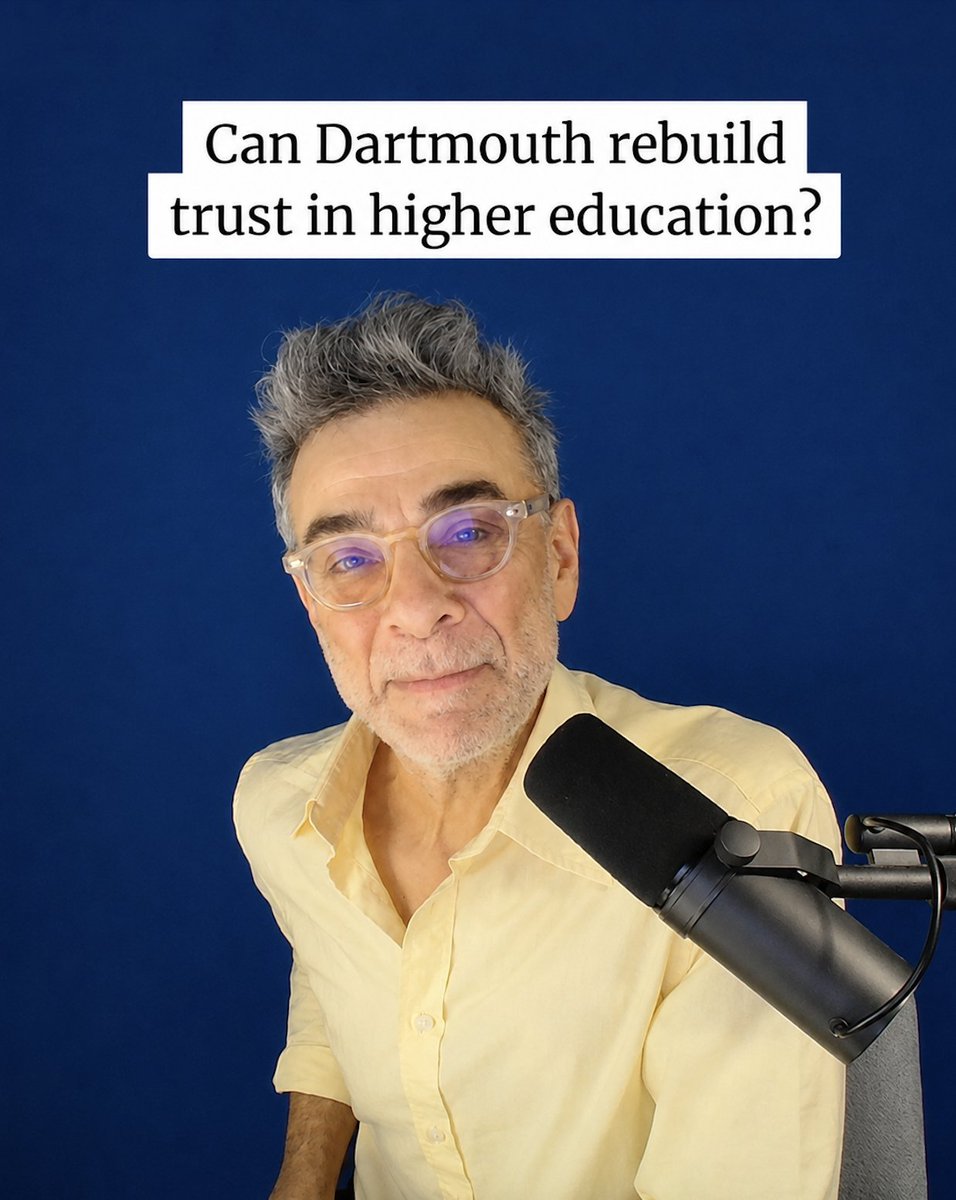
Public trust in higher education has been falling for years. What can universities do to rebuild it before it’s too late? Stephen Dubner sits down with Dartmouth 🌲 president Sian Beilock to talk about leadership, open dialogue, and what universities owe their students.
Freakonomics10,142 views • 1 month ago

Every 13 minutes, someone in America dies in a traffic accident. Researchers have blamed big cars and bad road design. But as one researcher told us: “We’ve engineered a world where the most distracting device ever made is also the one we use to listen to music in the car.”
Freakonomics21,175 views • 5 months ago

What if the honey in your kitchen isn’t actually honey? It turns out honey is one of the most forged foods in the world. And here’s the strange part: even as Americans consume more honey than ever, many beekeepers are struggling. Why? Because a lot of what’s sold as honey is diluted, mislabeled, or routed through other countries to avoid tariffs or scrutiny. So the label says one thing. The economics say another. And it’s not just beekeepers who are affected — almond growers have a surprising stake in all of this, too. On this week’s episode of Freakonomics Radio, Steve Levitt explains why it matters. Listen now, wherever you get your podcasts.
Freakonomics15,798 views • 4 months ago

Richard Feynman spent much of his life chasing questions that didn’t seem especially practical. Things like: Why do people dream? What happens to consciousness under psychedelics? What can curiosity lead you to, if you follow it far enough? This episode of Freakonomics Radio explores the stranger and more personal side of the Nobel Prize-winning physicist’s life — not just his work as a scientist, but the restless curiosity that seemed to drive almost everything he did. It’s the final chapter in our three-part Richard Feynman series. Listen now wherever you get your podcasts.
Freakonomics10,693 views • 3 months ago

Judy Faulkner is one of the most successful entrepreneurs in tech. So why haven’t we heard much from her? “I’d rather crawl under the table than be interviewed,” she says. "But sometimes it’s fun. When the people are fun, then it’s fun.” Challenge accepted. We try to make it fun. Listen to our full interview with Judy Faulkner wherever you get your podcasts.
Freakonomics12,997 views • 4 months ago
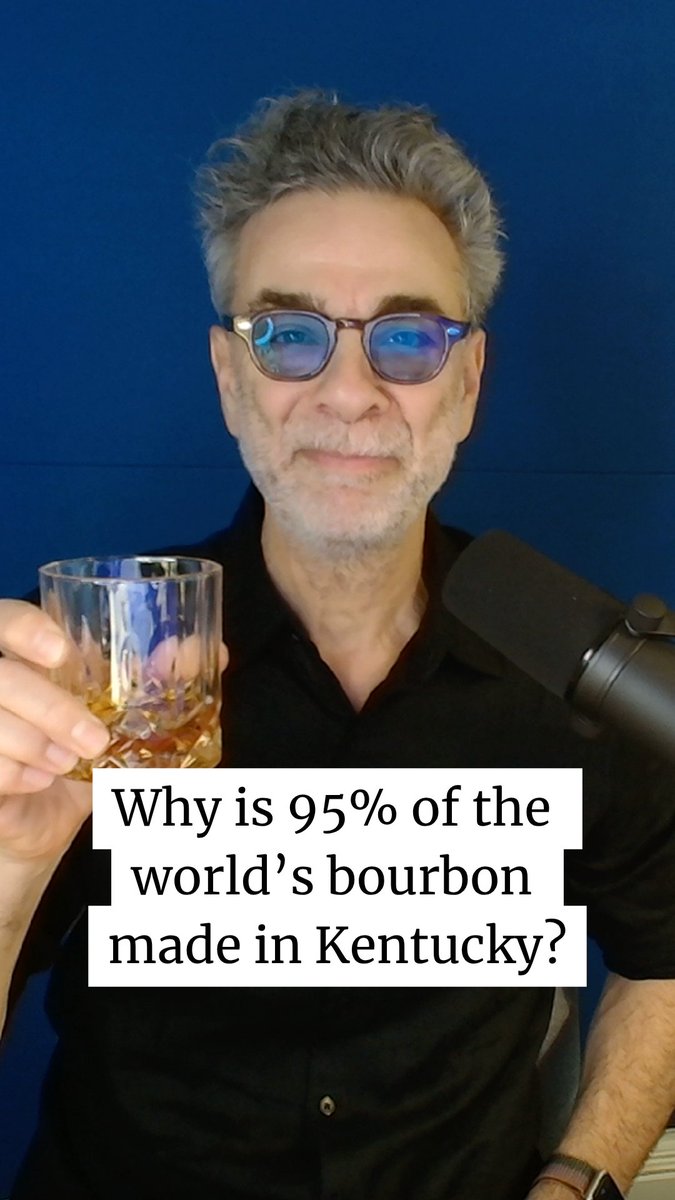

Why do scams work so well? The math is simple. If a scammer can send a message to 100 million people, and just 0.01% take the bait, you still have ten thousand victims and potentially millions of dollars. In this week’s episode, we explore the global scam industry and the surprising psychology behind it. Listen now wherever you get your podcasts.
Freakonomics15,275 views • 5 months ago
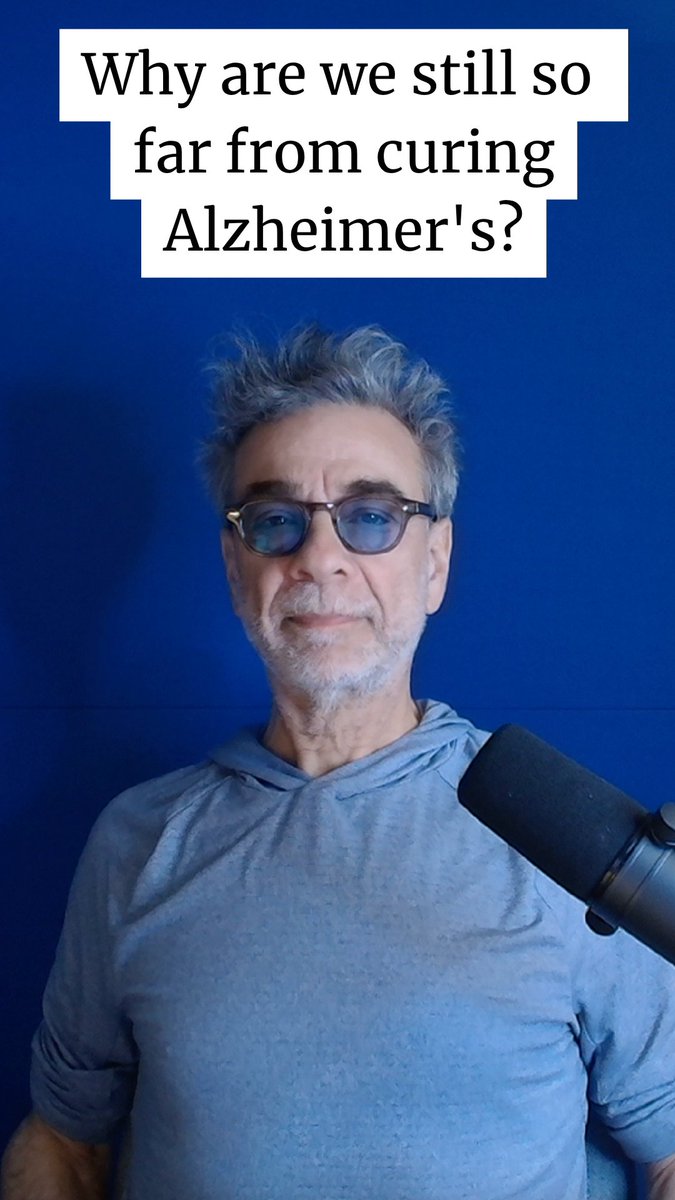
We’ve spent tens of billions trying to cure Alzheimer’s. So why are we still so far from a cure?
Freakonomics12,407 views • 4 months ago


Why do we hate rats so much? In New York City, they’ve been called “public enemy number one.” For centuries, they’ve been blamed for the Black Death. But what if the story isn’t that simple? In this episode of Freakonomics Radio, we ask whether rats have become a convenient scapegoat and what our reaction to them reveals about us. Listen now, wherever you get your podcasts.
Freakonomics11,616 views • 4 months ago

No more content to load