Intro
@intro • 20,728 subscribers
Book 1:1s and get direct advice from the founders of Zillow, Reddit, Kayak, and 3k+ more on Intro. An @a16z company
Shorts

Videos


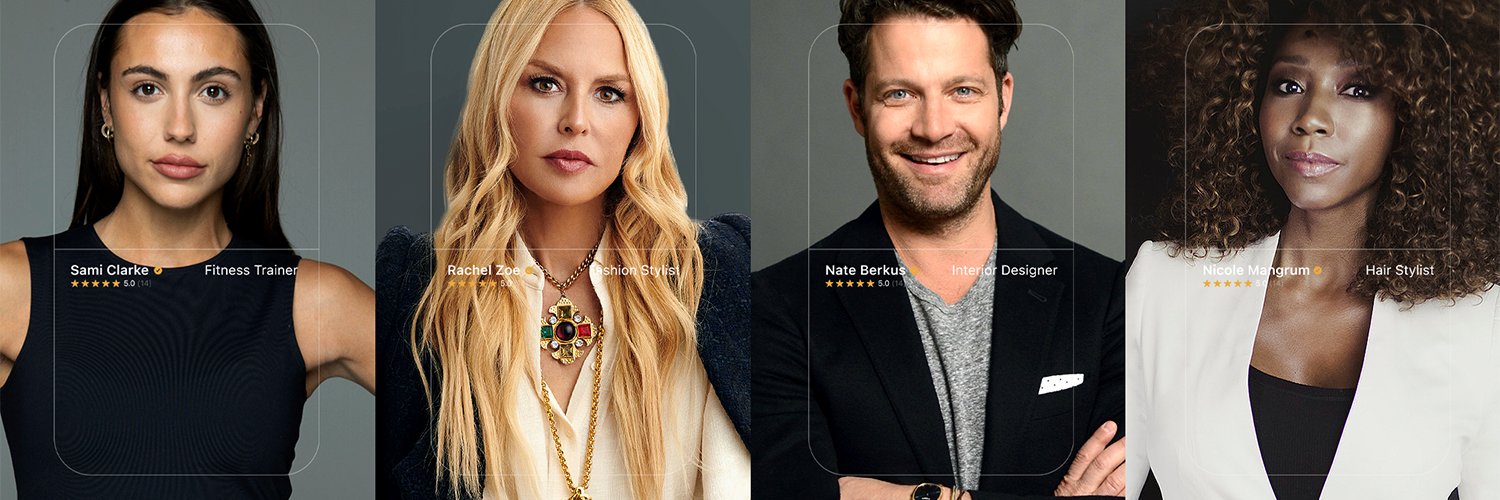
Meet Intro, advisors for your business, on-demand. 🙋🏽♂️ Access to 1K+ founders & execs 🧠 Business advice via 1:1 video calls 📈 Businesses are seeing real ROIs Our experts —> Founder of Reddit ($10B), Founder of Zillow ($12B), Founder of Sweetgreen ($4B) and 1000+ more
Intro1,355,745 views • 1 year ago

Meet Intro, advisors for your business, on-demand. - Access to 1K+ founders & execs - Business advice via 1:1 video calls - Businesses are seeing real ROIs Our experts —> Founder of Reddit ($10B), Founder of Zillow ($12B), Founder of Sweetgreen ($4B) and 1000+ more
Intro605,973 views • 8 months ago

"Nobody is honest about how bad the early days of a startup are because it's so embarrassing in retrospect." - Sam Altman (CEO of OpenAI) -- Found this valuable? Repost and follow @useintro to learn how the world's most successful entrepreneurs built $100M+ businesses.
Intro268,271 views • 2 years ago


"It's better to have 100 people love you than 1,000,000 people that sort of like you." - Brian Chesky (co-founder and CEO of Airbnb) One of the biggest mistakes that early-stage founders make? Thinking too many steps ahead. Brian's advice: don't worry about how you're going to get to 1,000,000 customers. Focus on how you will create a magical experience for 1 person, then for 10, then for 100. -- Found this valuable? Repost and follow @useintro to learn how the world's most successful entrepreneurs built $100M+ businesses.
Intro143,484 views • 2 years ago

2 serial entrepreneurs built an app called Dupe that's going viral on TikTok. It's helping people save $1,000+ on furniture. Here's everything you need to know: Bobby Ghoshal and Ramin Bozorgzadeh are the co-founders of Dupe, which helps people find cheaper alternatives to luxury furniture & more. In other words... That $7,000 Herman Miller chair you've been eyeing for years? This app will help you find a "dupe" (aka duplicate) for $1,000. 3 reasons why Dupe went viral: 1) Build something that solves a problem Bobby and Ramin identified that most people love a good deal, especially when doing furniture shopping. Technically speaking, people can find deals on their own by doing a Google Search. So why would they use Dupe? Bobby and Ramin's competitive edge: - Deep understanding of e-commerce user behavior - Gamification of the "thrill of finding a good deal" - They make the search process feel like "discovering a secret" 2) Tapping into GenZ's dupe culture Dupe, short for duplicate, is when you buy a knock-off version of a more expensive item. Previously, owning an overly obvious knockoff was seen as something to feel embarrassed about. With Gen Z’s adoption of this trend, however, finding ‘dupes’ and ‘copies’ is an achievement and is now seen as something to be proud of. The hashtag #dupe has over 3 billion views. Bobby and Ramin spotted a growing trend and hopped on the opportunity. Generally speaking, as an entrepreneur, you want to identify a growing market. 3) Advice from a viral app expert Ramin B and Bobby from Dupe.com are subscribed to Nikita Bier on Intro. Nikita Bier sold his first app to Meta for $100M after it ranked #1 in the App Store. He sold his second app to Discord after reaching more than 1 million daily active users. AKA: he knows a thing or two about designing and launching viral apps. The best way to fast-track your startup's success is to work with an advisor on Intro. On Intro, you can subscribe to someone who has already built the exact business you're trying to build. To recap: 1) Build something that solves a problem 2) Tap into a growing trend / increased demand 3) Partner with a viral app expert -- Found this valuable? Repost and follow @useintro to learn how the world's most successful entrepreneurs built $100M+ businesses.
Intro76,723 views • 2 years ago

"You can't connect the dots looking forward, you can only connect them looking backwards." - Steve Jobs 3 takeaways: 1) Pursue your passion, even if it doesn't make sense. 2) Listen to your intuition, the right answer is within you. 3) Believe in yourself, it will give you the confidence to take action. -- Inspired? Repost and follow @useintro to learn how the world's most successful entrepreneurs built $100M+ businesses.
Intro54,389 views • 2 years ago

Empathy is the most important trait in founders & leaders. Comment YES below if you agree👇
Intro46,283 views • 3 years ago


"If you have a business idea, test it before spending a lot of money. I sold 50 sticks of deodorant before even producing them." - Moiz Ali (Founder of Native, sold for $100M) -- Interested in having Moiz as an advisor to your business? Comment "interested" below & we'll reach out.
Intro29,002 views • 2 years ago


"We're going to hire the best people, make sure everyone's aligned on the overall mission, but beyond that, we're gonna let people do their thing." - Sam Altman and Bill Gates discuss the company culture behind OpenAI. -- Repost and follow @useintro for daily business advice
Intro27,965 views • 2 years ago


No more content to load