
Dang
@metabolicdang • 2,936 subscribers
Shorts

Videos

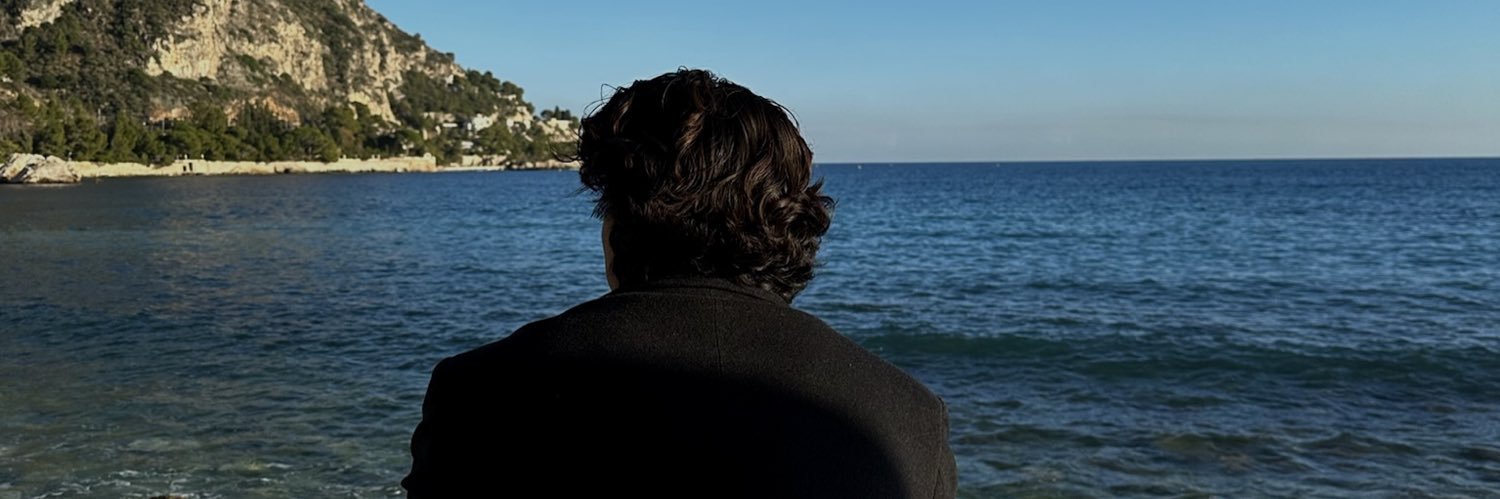
Birds with a higher BMR tend to take more risks because they operate under greater energetic constraints (Mathot et al., 2014). Since these birds burn energy quickly, they cannot afford to wait for dangers to pass; instead, they must seek out "the most improbable, the most demanding, confusing, even threatening situations" (Peat). For Adélie penguins, the extreme cold of the Antarctic creates constant energetic pressure. As their large colonies reach the limits of available energy (Ballance et al., 2009), competition for prey becomes a matter of life or death. This pressure compels a few highly energetic penguins to travel farther and take greater risks, fueled by an internal engine that refuses to remain idle. In the documentary Encounters at the End of the World (2007), Werner Herzog portrays a solitary Adélie penguin leaving its colony and the food-rich ocean to march toward a distant mountain range. Herzog frames this as an existential figure "heading towards certain death," describing the action as "insanity," while scientists like Dr. David Ainley regard the penguin as "deranged" and "disoriented." "But why?" Herzog asked. During filming, icebergs B-15 and C-16 blocked nutrient-rich currents at Cape Royds and Cape Bird, diminishing phytoplankton growth by up to 95% (Arrigo & van Dijken, 2003; Wienecke, 2002). By 2006, bird colonies were experiencing catastrophic food shortages as these icebergs crushed breeding habitats and forced penguins to trek 60 to 80 miles over solid ice to find open water (Emmerson & Southwell, 2022; NASA, 2002). This led to nearly zero chick survival and a staggering decline in breeding pairs (National Science Foundation, 2001). What Herzog perceives as "insanity" is a response to unsustainable energetic debt (Barracho et al., 2025). When the metabolic needs of a solitary penguin exceed what a starving colony can provide, its journey to the mountains becomes a fatal gamble. With a body temperature above 100°F (Williams et al., 2015), penguins process information with high efficiency and possess a high density of neurons in their forebrains (Olkowicz et al., 2016). Under the crushing stress of the iceberg blockage, this neural capacity narrows into a singular focus. While the majority of the colony remains anchored to the coast, a high metabolic rate can trigger a sudden, sharp clarity of action (Thierry et al., 2014). This singular fixation begins to override the instinct to accept the mundanity of the pact, creating an internal divergence from the rest of the colony. This solitary penguin stands apart. Driven by an internal fire that demands movement over stagnation, the same fire shared with human seafaring and nomadic conquest, it prepares to exert its agency in a way the colony cannot follow. As it gazes back at its loved ones, its peers, and its old life for the final time, it turns and marches forward, never looking back. In this moment, Herzog’s depiction parallels the "Rückenfigur" technique of Friedrich. Confronting a vast, inhospitable expanse of ice, the penguin mirrors the figure in "Wanderer above the Sea of Fog" (1818), standing before a white, misty void that symbolizes the "sublime", a beauty so immense it is both awe-inspiring and terrifying. When the cost of staying put equals the risk of venturing into the unknown, what seems like "insanity" becomes a definitive act of discovery. This was true for Erik the Red’s explorations toward the icy landmass of Greenland, for Leif Erikson as he crossed the North Atlantic, and for Flóki Vilgerðarson, who climbed the high mountain in the north and named it "Iceland." High metabolic rates drive the desire to seek out challenging situations, allowing organisms to evolve and differentiate. While the pursuit of the impossible is often romanticized, it is the willingness to take definitive action, to march toward the mountains when the sea has failed, that fosters change and allows the fire of the organism to be fully expressed.
Dang12,109 просмотров • 7 месяцев назад
Больше нет контента для загрузки