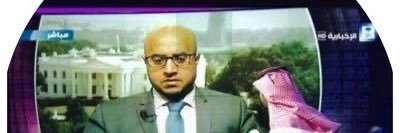
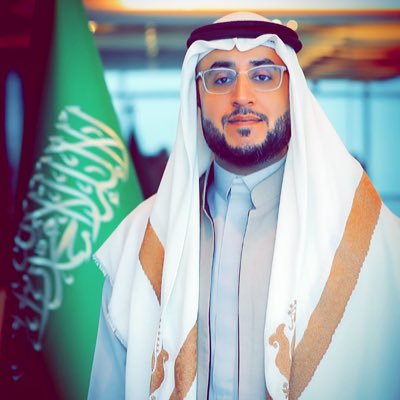
فيصل ابراهيم الشمري
@Mr_Alshammeri • 45,886 subscribers
كاتب ومحلل سياسي مختص في الشأن الأمريكي. العربية نت، مركز سمت للدراسات، صحيفة مكة، عرب نيوز. Political analyst and columnist Arab News, Makkah News Paper.
Shorts

Videos

أنا في الأربعينيات، رياضي وكتلتي العضلية مرتفعة: اكل بروتين مرتفع دجاج سمك ولحم احمر. كربوهيدرات وسكريات منخفضة، واهتمام صارم بجودة مصدر الغذاء محاولة البعد عن الاكل ال processed وهالاند يأكل اللحوم الحمراء، السلمون، الدجاج، الروبيان، الحبار، السلطعون، السوشي، ويشرب الحليب والعسل… ومع ذلك هو آلة رياضية. «نظام الطيبات» خزعبلات تسويق الخوف باسم الصحة. القاعدة أبسط: وسطية، اعتدال، حركة، ومصدر غذاء جيد. مراجعة طبية وتحليل لمعرفة ما ينقص جسمك من الفيتامينات.
فيصل ابراهيم الشمري773,296 次观看 • 2 个月前

الدكتور ضياء العوضي الزيت و البطاطا، الرجل نجح في شيء ما قدرت عليه حتى شركات الوجبات السريعة مكدونالدز و أخواتها : جعل بعض البشر يخافون من السبانخ والخس والجرجير أكثر من خوفهم من الأكل المصنع. «نظام الطيبات» تحولت التغذية، وهي علم معقد ومليان تفاصيل واختلافات بين الناس، إلى تصنيف هذا طيب وهذا خبيث ويا قلب لا تحزن. وكأن الكبد عنده لجنة العواضي تجتمع بعد كل وجبة وتقرر: البيضة ممنوعة، والجرجير تحت المراقبة. المشكلة مو في الدعوة للأكل الطبيعي او الصيام المتقطع، أو تقليل السكر والأغذية فائقة التصنيع اسواء أنواع الغذاء بالعكس، هذه نقاط جيدة ومقبولة علمياً. المشكلة تبدأ لما يتحول الموضوع إلى منع شامل للبيض والدجاج ومنتجات الألبان والخضراوات الورقية، وكأن هذه أطعمة ثبت ضررها على الجميع، بينما ما فيه أدلة قوية تبرر هذا النوع من التعميم على الأصحاء. العلم عادة أكثر هدوءاً وموضوعية. غذاء متوازن، تنوع، خضار وفواكه، ومصادر بروتين مختلفة، وكل حالة تُقيّم بحسب عمر الشخص وصحته واحتياجه من الفيتامينات و البروتين والمعادن. أما إذا صار الجرجير متهم، والبيضة عليها منع سفر، فهنا خرجنا من التغذية ودخلنا في عالم السيناريوهات. والأطرف هو الاستدلال بالتجربة الشخصية. يقول لك واحد: «أنا جربته وتحسنت». ممتاز، لكن تجربتك الشخصية ما صارت دراسة سريرية. ممكن آكل كبسة ويختفي صداعي، وهذا ما يعني أن الكبسة دخلت البروتوكول العلاجي للصداع النصفي. رحم الله الدكتور العوضي، واحترام الإنسان بعد وفاته شيء، وتحويل أفكاره إلى منطقة محظورة على النقد شيء آخر. تجرد الشخص من التفكير الناقد مشكلة في الطب، لا تكفي الثقة في النبرة، ولا عدد المؤمنين بالفكرة، ولا كثرة القصص الشخصية. الدليل. ثم الدليل. ثم الدليل.
فيصل ابراهيم الشمري167,309 次观看 • 1 个月前

امريكا المجتمع والصوابية الاخلاقية الحزبية قضية ليندسي كلانسي مأساوية بكل المقاييس. أم أمريكية قتلت أطفالها الثلاثة، كورا وداوسون وكالان، داخل منزلهم في ماساتشوستس عام 2023، ثم حاولت الانتحار. الدفاع يقول إنها كانت تعاني ذهان ما بعد الولادة ولم تكن مسؤولة جنائيًا، بينما يرى الادعاء أنها كانت تدرك ما تفعله. والمحكمة هي التي ستحسم ذلك. لكن ما أثار اهتمامي ليس المحاكمة وحدها، بل بعض ردود الفعل حولها. مئات المؤيدين، وغالبيتهم من النساء، تجمعوا أمام المحكمة مرتدين اللون الوردي وحاملين شعارات مثل: «كانت تحتاج إلى المساعدة». وبعضهن تحدثن بلغة التماهي معها: «كان يمكن أن أكون أنا». التعاطف مع المرض النفسي مفهوم، وتحسين رعاية الأمهات بعد الولادة ضرورة. لكن المشكلة تبدأ عندما تختفي الضحية ويصبح القاتل مركز القصة. الأكثر إثارة للقلق كان خطاب التماهي معها: «كان يمكن أن أكون أنا» كورا كانت في الخامسة، داوسون في الثالثة، وكالان في الثمانية أشهر. هؤلاء هم الضحايا. ومع ذلك، تحول جزء من النقاش إلى البحث عن مسؤول آخر: الزوج، المجتمع، النظام الصحي، ضغوط الأمومة، وحتى «النظام الأبوي». وظهرت على TikTok نظريات تلقي باللوم على الأب استنادًا إلى إسقاطات وتجارب شخصية، لا إلى أدلة القضية. وهنا تدخل السياسة. بعض تيارات النسوية الراديكالية وأقصى اليسار تميل إلى تفسير سلوك الفرد من خلال البنى الاجتماعية، بحيث تصبح المرأة ضحية للنظام أو الرجل أو المجتمع، وتتراجع أحيانًا مسؤوليتها الفردية أمام البحث عن «النظام» الذي دفعها إلى ما فعلت. ولا أقول إن كل من دعمن ليندسي ينتمين إلى هذه التيارات. لكن بنية الحجة واضحة: بدل أن يبدأ النقاش بثلاثة أطفال قُتلوا، يبدأ بالسؤال عما فعله المجتمع بالأم حتى قتلتهم. وهذا انقلاب في ترتيب المسؤولية الأخلاقية. ثم بدأت رحلة البحث عن متهم بديل. الزوج. المجتمع. النظام الصحي. ضغوط الأمومة. النظام الأبوي. قد يكون النظام الصحي فشل معها، وقد تكون عانت مرضًا نفسيًا خطيرًا، وقد تقرر المحكمة أنها لم تكن مسؤولة جنائيًا. لكن تفسير الجريمة لا يعني محو ضحاياها. والمساواة الحقيقية تعني أيضًا المسؤولية المتساوية. لو كان الأب هو الذي خنق أطفاله الثلاثة، ثم قيل إن ضغوط الأبوة والعمل والمجتمع دفعته إلى ذلك، هل كنا سنشاهد مئات الأشخاص أمام المحكمة يطالبوننا بفهم معاناته قبل الحديث عن الأطفال؟ المشكلة ليست في التعاطف مع ليندسي، بل في التعاطف الانتقائي الذي يجعل المتهمة أكثر حضورًا من ضحاياها. كورا، داوسون، وكالان ليسوا هامشًا في قصة أم مريضة. هم القصة. وهم الضحايا.
فيصل ابراهيم الشمري24,093 次观看 • 27 天前

السعودية لم تبدأ التصعيد، ولم تستهدف العراق أو شعبه، لكنها ردت على فصائل مسلحة استخدمت الأراضي العراقية منصة لإطلاق المسيّرات باتجاه منشآتها الحيوية. احترام سيادة الدول لا يعني الوقوف متفرجين أمام العدوان. للمملكة حق أصيل في الدفاع عن أراضيها وردع مصادر التهديد، وفق المادة 51 من ميثاق الأمم المتحدة. في هذا الفيديو أوضح لماذا جاء الرد السعودي، وما أسسه السياسية والقانونية. ايران و الولايات المتحدة الأميركية
فيصل ابراهيم الشمري23,999 次观看 • 1 个月前

My latest article So the Revolutionary Guard Does Not Emerge Victorious from a Losing War By Faisal Alshammeri The most important question in Iran today is not when the war will end, but what kind of regime will emerge afterward. Wars do not only reshape external balances of power; they expose internal fragility, redistribute authority among state institutions, and push the most organized actors to the center of decision-making. In Iran’s case, the Islamic Revolutionary Guard Corps (IRGC) appears best positioned to fill the vacuum created by war. Not because Iran will necessarily become an openly military regime, but because real authority is likely to shift further from the republic’s religious and political institutions toward its security apparatus. That is the real danger of the postwar phase: Iran may emerge weaker externally while the IRGC becomes stronger internally. Since 1979, the Islamic Republic has rested on a delicate balance between three sources of legitimacy: religious authority embodied by the Supreme Leader, republican institutions that provide electoral legitimacy, and the revolutionary-security legitimacy represented by the IRGC. In times of crisis and war, however, that balance narrows. Survival, deterrence, and internal control become priorities, empowering the institution that possesses weapons, intelligence, organization, and coercive capacity. This transformation did not begin with war, but war accelerates it. Long before the conflict, Iran was already suffering from economic decline, social frustration, and a growing crisis of legitimacy. The clerical establishment retained symbolic authority, but its ability to command consensus weakened significantly. In such moments, regimes rely less on persuasion and more on security. The result may not be a completely new system, but a hybrid one: a familiar religious and constitutional façade masking a more openly security-driven state. The language of revolution, resistance, and elections may remain, yet governance itself becomes increasingly militarized. The deeper problem is that the IRGC is not merely a military institution. It is an ideological, economic, and intelligence empire embedded across the state. Its influence extends from foreign policy and regional proxy networks to domestic security and major sectors of the economy. For decades, it functioned as a “state within a state.” After war, it could become the state itself. Yet militarization does not guarantee stability. Security institutions can preserve regimes, but they rarely regenerate legitimacy. A state governed primarily through coercion gradually loses its political flexibility and its capacity to rebuild trust with society. That is why weakening Iran without dismantling the IRGC’s dominance may produce a more dangerous outcome: a regime less ideological in rhetoric, but more militarized in practice, more repressive at home, and less capable of reform. The real question, therefore, is not simply whether Iran will survive the war, but whether the Revolutionary Guard will transform national exhaustion into complete control over the state.
فيصل ابراهيم الشمري40,522 次观看 • 4 个月前

زيارة الأمير محمد بن سلمان إلى فرنسا ليست زيارة تُقرأ بمعزل عن التاريخ، بل حلقة جديدة في واحدة من أقدم العلاقات التي بنتها المملكة مع قوة أوروبية كبرى. العلاقة السعودية–الفرنسية ليست وليدة السنوات الأخيرة. الوجود الدبلوماسي الفرنسي في جدة يعود إلى القرن التاسع عشر، وكانت فرنسا من أوائل الدول التي اعترفت بالمملكة بعد توحيدها عام 1932. لكن المحطة الأهم في تشكيل العلاقة السياسية الحديثة جاءت عام 1967، عندما زار الملك فيصل بن عبدالعزيز باريس والتقى الجنرال شارل ديغول. لم يكن ذلك اللقاء عابرًا في تاريخ البلدين. فيصل وديغول كانا ينطلقان، رغم اختلاف موقعيهما، من فكرة متقاربة في السياسة الخارجية: أن الدولة التي تريد حماية مصالحها تحتاج إلى مساحة من الاستقلال في قرارها، وألا تحصر خياراتها في محور واحد مهما كانت قوة تحالفاتها. ومن هنا بدأت علاقة تجاوزت التجارة والمراسم إلى السياسة والاستراتيجية. وفي 1996، نقل الملك فهد والرئيس جاك شيراك العلاقة إلى مستوى الشراكة الاستراتيجية. ولم يكن غريبًا أن تصبح السعودية لاحقًا إحدى أهم نقاط الارتكاز الفرنسية في الخليج، وأن تنظر الرياض بدورها إلى باريس باعتبارها قوة أوروبية تمتلك قرارًا سياسيًا، وقدرة عسكرية، وحضورًا دبلوماسيًا يتجاوز القارة الأوروبية. ثم جاءت مرحلة الأمير محمد بن سلمان. زيارة 2018 إلى باريس لم تكن استمرارًا للعلاقة القديمة فحسب، بل محاولة لإعادة تعريفها وفق التحول الذي كانت المملكة تبدأه مع رؤية 2030. دخلت الثقافة والسياحة والتراث والاستثمار والتقنية إلى قلب الشراكة، وأصبحت العلا أحد أبرز النماذج على انتقال العلاقة من التعاون التقليدي إلى بناء مشاريع مشتركة طويلة المدى. وفي 2022 عاد ولي العهد إلى باريس، فيما استمرت اللقاءات والتنسيق السياسي بين الرياض وباريس في ملفات المنطقة. ثم جاءت زيارة الرئيس إيمانويل ماكرون إلى المملكة في ديسمبر 2024، والتي شهدت إنشاء مجلس الشراكة الاستراتيجي السعودي–الفرنسي، في خطوة أعادت وضع العلاقة داخل إطار مؤسسي أوسع يشمل الدفاع والطاقة والاستثمار والثقافة والتقنية والذكاء الاصطناعي، إلى جانب التنسيق السياسي. واليوم، تأتي زيارة الدولة التي يقوم بها الأمير محمد بن سلمان إلى فرنسا في ظرف دولي مختلف تمامًا. الشرق الأوسط يمر بمرحلة إعادة تشكيل، وأمن الطاقة والملاحة أصبح جزءًا مباشرًا من الأمن الدولي، فيما تبحث أوروبا عن مساحة أكبر من الاستقلال الاستراتيجي، وتتحرك السعودية من موقع دولة تغيّرت مكانتها الاقتصادية والسياسية وأصبحت أكثر تنوعًا في شراكاتها الدولية. وهنا تحديدًا تكمن أهمية العلاقة مع فرنسا. فهي ليست علاقة قائمة على التطابق الكامل في المواقف، ولا تحتاج إلى ذلك. قيمتها الحقيقية أنها قامت تاريخيًا على احترام المصالح، واستقلال القرار، والقدرة على الحوار حتى عندما تختلف الحسابات. من فيصل وديغول، إلى فهد وشيراك، وصولًا إلى محمد بن سلمان وماكرون، تغير العالم وتغيرت المملكة وتغيرت فرنسا، لكن بقيت قاعدة مهمة في العلاقة: باريس تدرك وزن الرياض في الشرق الأوسط والعالمين العربي والإسلامي، والرياض تدرك قيمة فرنسا كقوة أوروبية ذات حضور سياسي وعسكري ودبلوماسي مستقل نسبيًا. لهذا فإن زيارة محمد بن سلمان إلى فرنسا اليوم ليست مجرد استكمال لعلاقة تاريخية؛ بل اختبار لقدرة هذه العلاقة القديمة على إنتاج شراكة تناسب عالمًا جديدًا. ففي السياسة، التاريخ مهم… لكن الأهم هو ماذا تستطيع الدول أن تبني فوقه.
فيصل ابراهيم الشمري11,268 次观看 • 1 个月前

الحملة التي يقودها بعض الإعلاميين العرب والغربيين ضد الشركات والقنوات التي انتقلت إلى الرياض ليست نقدا مهنيا، بل يعكس جزء كبير منها قلقا من انتقال مركز الثقل الاقتصادي والإعلامي في المنطقة. لسنوات اعتاد البعض أن تكون عواصم أخرى هي البوابة التي تدار منها الشركات ويصنع فيها المحتوى الموجه للسوق السعودي. الرياض لم تعد مجرد سوق للاستهلاك، بل أصبحت مركزا للقرار والاستثمار والإنتاج الإعلامي وصناعة الوظائف. من حق أي إعلامي أن ينتقد، لكن عندما يتكرر الهجوم بنفس نقاط الحديث مع كل شركة أو قناة تنتقل إلى الرياض، يصبح السؤال مشروعا: هل هو نقد مهني فعلا، أم خوف من خسارة النفوذ والوظائف والإعلانات؟ باختصار، التنافس الاقتصادي يلبس احيانا ثوب النقد الإعلامي. شاهد الفيديو
فيصل ابراهيم الشمري23,442 次观看 • 2 个月前

السؤال بعد الحرب ليس: كم خسرت #إيران؟ بل: من سيحكم إيران فوق ركامها؟ الخطر أن تخرج إيران أضعف خارجياً، لكن أكثر عسكرة داخلياً إذا بقي الحرس الثوري ممسكاً بالسلاح والقرار والاقتصاد وشبكات النفوذ. من دون إسقاط هيمنة الحرس، قد لا نرى إيران جديدة، بل نسخة أكثر قسوة من النظام نفسه.
فيصل ابراهيم الشمري19,309 次观看 • 4 个月前

توقيع مذكرة التفاهم الأميركية و الإيرانية ليس نهاية الصراع، بل بداية اختبار جديد في المنطقة. هل نحن أمام تهدئة حقيقية؟ أم هدنة قصيرة قبل صراع أكثر تعقيدًا؟ في هذا الفيديو أشرح ماذا يعني الاتفاق، ولماذا كان الدور الخليجي والباكستاني مهمًا، ولماذا يمثل هذا المسار ضربة سياسية لنتنياهو وخيار الحرب. الاختبار الآن ليس في التوقيع… بل فيما سيحدث بعده.
فيصل ابراهيم الشمري12,767 次观看 • 3 个月前
没有更多内容可加载