

TPI
@MyTPI • 64,459 subscribers
We teach golf instructors, fitness and medical pros how to evaluate golfers for physical limitations which may be affecting their swing. Assess, don’t guess.
Shorts


Videos

Many golfers who come over the top have transition backwards. They feel like the downswing starts with rotation, so they spin open from the top, throwing the club out and over the plane. Hello, slice. The fix isn’t no rotation. It’s better sequence. Starting the downswing with a lateral move toward the target not only shifts pressure into the lead side, it helps shallow the club. Now rotation becomes an asset. With the club shallow, a player can rotate as aggressively as they want and the path stays on plane. The lateral shift earns the right to turn hard. This is one of the ways we teach coaches to use force plate data in our advanced seminars. When we see an over-the-top pattern and lateral force is low or late, we start cues from the ground up. 🎥: Me and My Golf
TPI220,188 Aufrufe • vor 4 Monaten

Many golfers believe that dialing back their swing speed is automatically going to produce a more controlled, technically sound swing. However, in reviewing motion-capture and force-plate data from elite players like Wyndham Clark, we often see the opposite is true. When we ask golfers to go after it, their data not only looks more athletic, they get a more dependable ball flight.
TPI211,119 Aufrufe • vor 4 Monaten

Huge congratulations to Aaron Rai and our friends at Me and My Golf on the PGA Championship! The success of Aaron, Andy and Piers is the product of years of doing the right work, the right way. Zero shortcuts taken, by the player or his coaches. Could not be happier for them.
TPI174,555 Aufrufe • vor 5 Monaten

Teaching a player a new movement pattern often starts with helping them find a different feel. TPI instructor Paxton O’Connor demonstrates how placing a soft ball in the crease of the hip can help a golfer maintain hip flexion longer on the downswing and avoid early extension. It’s a simple example of how a feedback tool can heighten a golfer’s awareness of their movement and help them distinguish between new and familiar patterns.
TPI14,367 Aufrufe • vor 11 Tagen
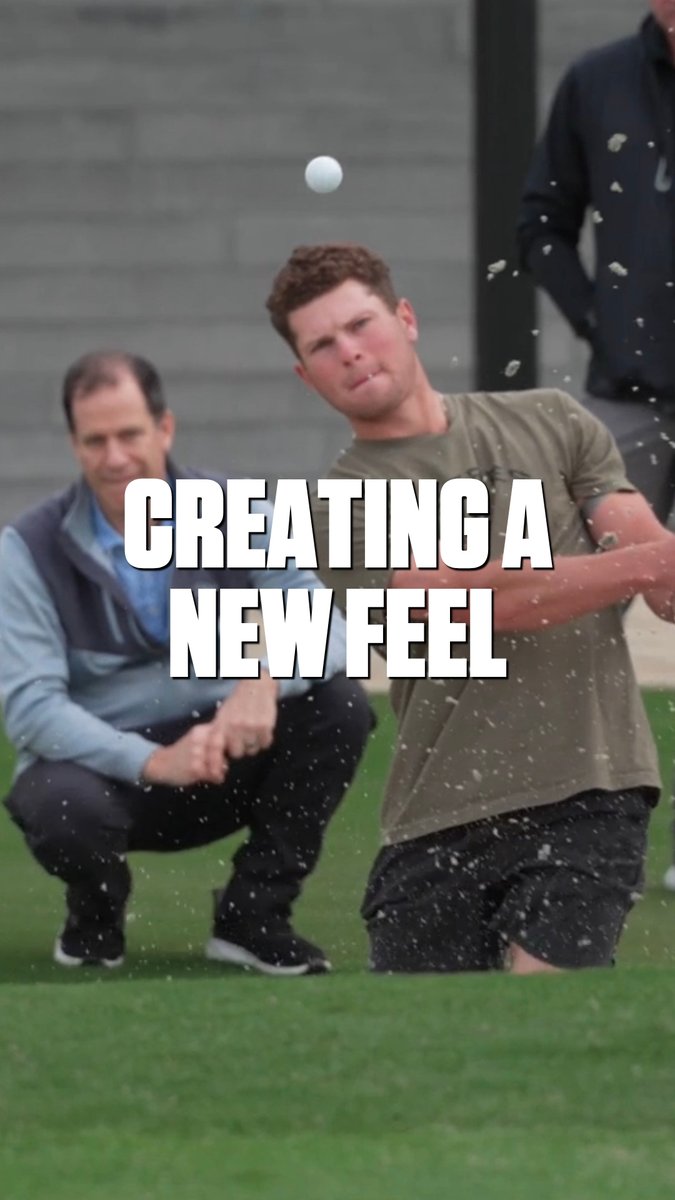
“That’s a strange feeling.” For an elite golfer trying to change their technique, that can be a great feedback. When a movement is deeply ingrained, the new pattern will probably feel unfamiliar at first. One of our favorite techniques for creating a new feel is reactive neuromuscular training. By pushing Michael Brennan in the direction of his sway, Dr. Rose gives him a reason to resist, helping him develop a feel for avoiding it.
TPI43,008 Aufrufe • vor 1 Monat

A characteristic of the best putters in the world is they tend to keep more focus on the hole while setting up. Just as a basketball player or QB focus on their target and not the ball, looking at the hole more than the ball or putter head can help a golfer with alignment and speed control. 🎥: Golf Level 3
TPI392,835 Aufrufe • vor 1 Jahr

“The driver is a specialty shot.” If a golfer hits their irons well but struggles with the driver, it may help to treat it that way. Different ball positions and impact conditions call for different swing mechanics. Trying to make an identical swing with every club may be part of the problem.
TPI16,314 Aufrufe • vor 18 Tagen
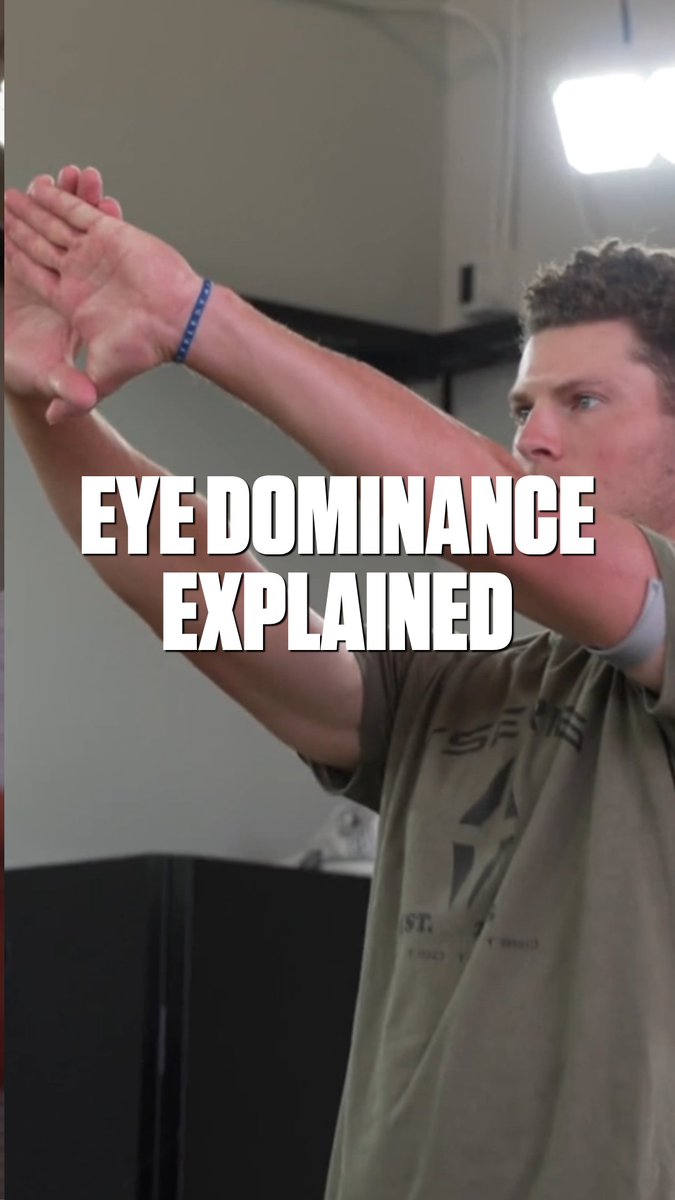
How a golfer sees the target can influence how they set up to it. As Dr. Rose explains, same-side dominant players tend to putt with the ball slightly farther back and their stance slightly open. These preferences can help them see the ball and hole more comfortably. We teach simple visual system assessments in our Golf and Medical Level 3 seminars because they help us understand why a golfer might favor a particular setup. The better we understand why a golfer does something, the better we can determine what, if anything, needs to change.
TPI25,933 Aufrufe • vor 1 Monat

The 90/90/90 Oblique Stretch is one of our favorite exercises for improving rotational mobility in the thoracic spine, especially for golfers with fascial restrictions. This is one of the hundreds of “at-home” exercise options that a TPI Certified professional can program through our app. If lack of mobility is affecting your swing, lack of equipment or gym access shouldn’t be an excuse to improve. Full video of our session with Tyler Duncan on our YouTube channel.
TPI192,341 Aufrufe • vor 1 Jahr


A few of the swings that came through TPI in 2025. Dozens of unique styles, one common goal: Assess, don’t guess.
TPI110,314 Aufrufe • vor 9 Monaten
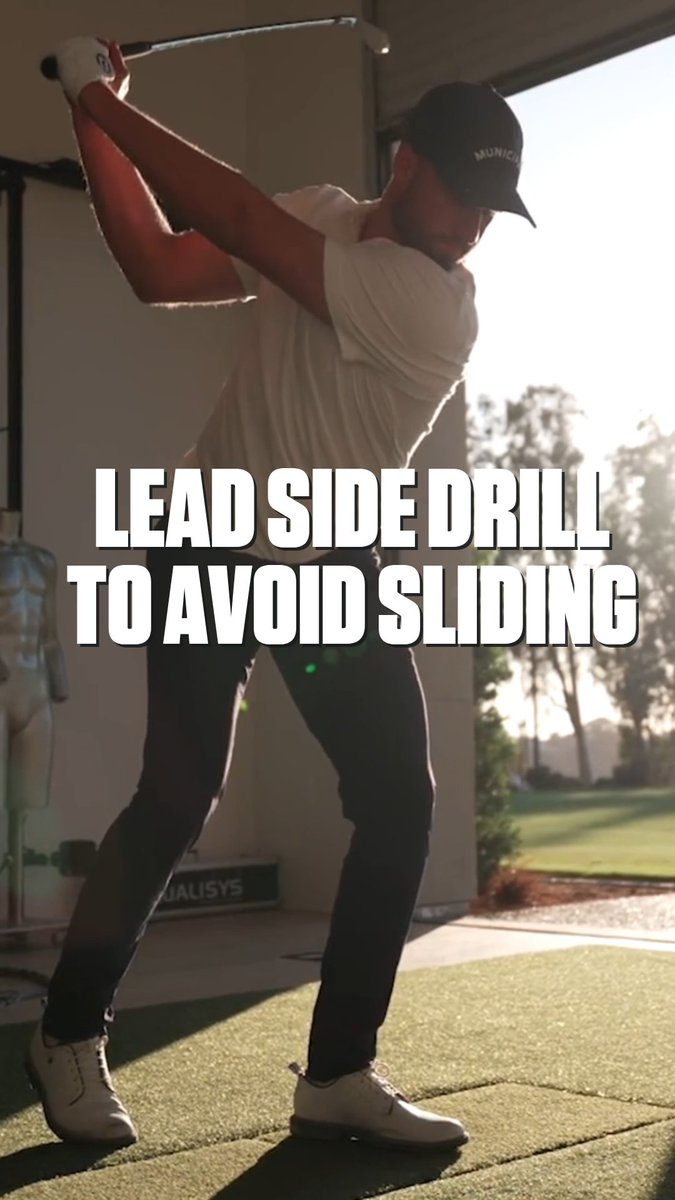
When we saw Wyndham Clark in 2025, he was sliding excessively towards the target on the downswing with his irons. One of our favorite drills for helping golfers eliminate slide is lead leg only swings. By removing the trail leg, the golfer is forced to stabilize and rotate over their lead side rather than slide past it. Any excess lateral movement is amplified immediately, so the body starts to learn to post up and turn around a firm front side. The payoff is a more stable low point and more consistent contact with the irons.
TPI52,584 Aufrufe • vor 4 Monaten
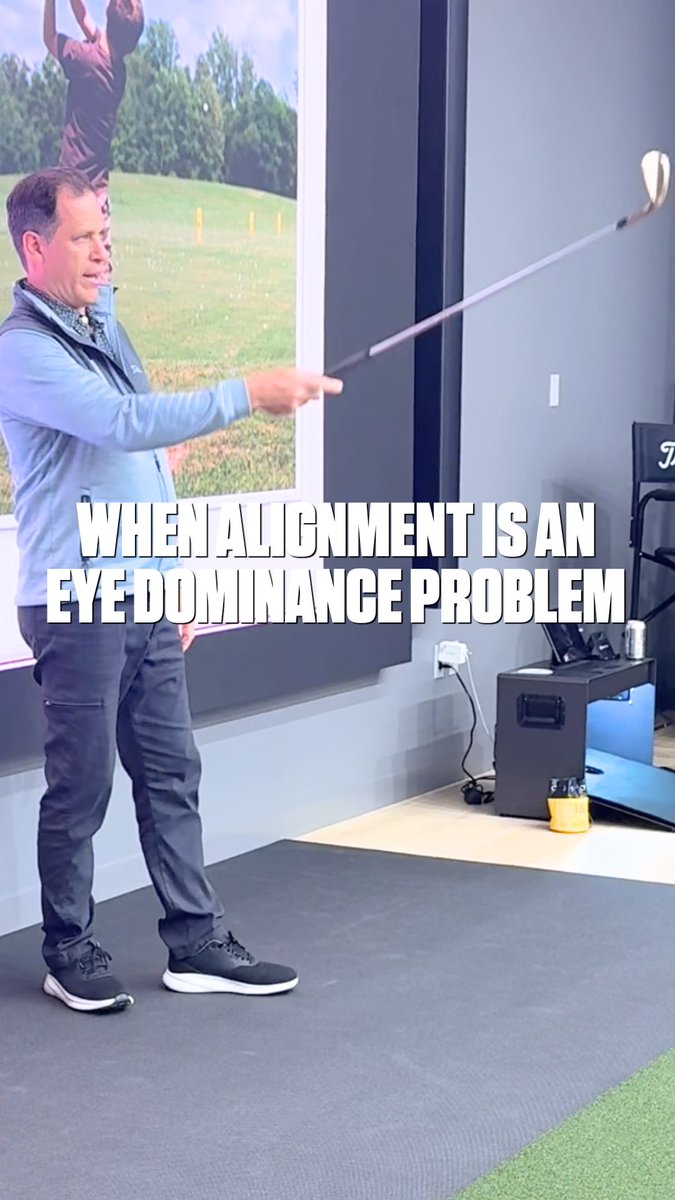
Alignment trouble looks like a setup problem. Often it's a perception problem. A right-handed, right-eye dominant player often has more difficulty aligning to the target than a cross-dominant player. If alignment is an issue, here are two of our favorite strategies that Dr. Rose introduces in our advanced Golf curriculum. 1) Move the reference spot behind the ball: Instead of picking a reference spot in front of the ball, pick a spot behind the ball on the target line and walk in looking at that. For same-side dominant players, this moves the spot closer to their dominant eye. 2) Keep it binocular: Pick a spot in front and keep your eye on it as you walk in. Draw the line from the ball through the spot, square yourself to it, then walk into the shot. This keeps both eyes working together the whole time. Poor alignment can quietly hinder progress, and a player's visual system can make it even harder to correct. Our next Golf Level 3 seminar is October 9th - 11th at TPI HQ. Golf Level 2 is available via online course.
TPI50,417 Aufrufe • vor 3 Monaten

“I saw a 5 mph increase like that.” Ben Crane describing how learning to unweight in transition helped him generate higher ground reaction forces on the downswing, resulting in an immediate jump in clubhead speed. Ben’s journey to 120 mph has also included serious physical and speed training, but this change is an example of how encouraging a more athletic swing can produce instant speed. Full video on our YouTube (link below)
TPI52,973 Aufrufe • vor 4 Monaten

“I’m going to get a tattoo of that!” When Davis Lamb came to TPI, he had the physical capabilities of a 118 mph player, but a swing that produced 110. The issue wasn’t his body or his mechanics. It was a governor. In one session, he got to 121.6. A new lifetime best by 4 mph. New video on YouTube highlights the protocols we used to help him get there.
TPI26,619 Aufrufe • vor 2 Monaten
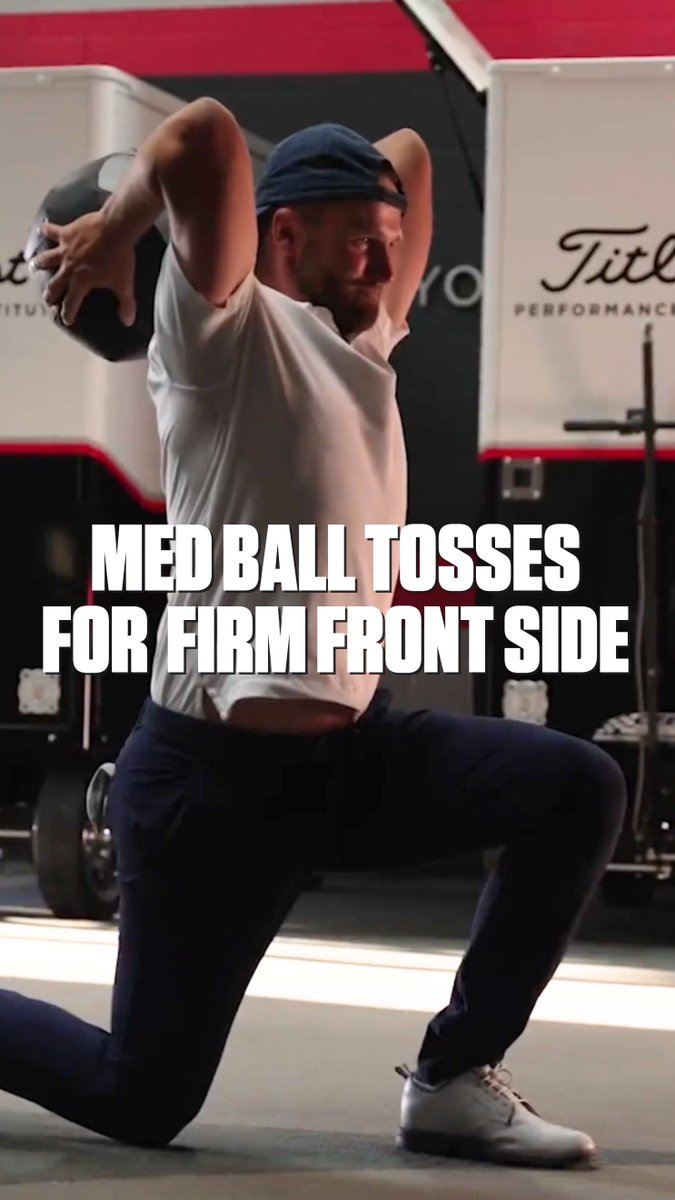
Building a firm front side with Wyndham Clark. When we assessed Wyndham last year, 3D and GRF data showed that his lead side was soft in the downswing with his irons. This caused him to drift toward the target rather than post up and drive his arms. While changes will ultimately be made with a club in his hand, we like to incorporate exercises in the gym that reinforce the feel we are chasing. An overhead medicine ball throw can introduce how “the foot connects to the hand” in that the push from the ground helps accelerate the ball. The legs lead, and the power follows. From there we move to a side-toss into the wall, training a firm, athletic lead foot. That’s the feel we want to encourage in his iron swing. Full video of our session with Wyndham on our YouTube channel.
TPI42,814 Aufrufe • vor 3 Monaten

Many golfers are wearing shoes that are too long because they’ve added length when they actually needed more width. We’ve tested hundreds of golfers on force plates, and shoe fit is a detail worth checking. If the foot slides forward excessively inside the shoe, it can affect both the amount and timing of force a golfer applies to the ground.
TPI12,100 Aufrufe • vor 26 Tagen
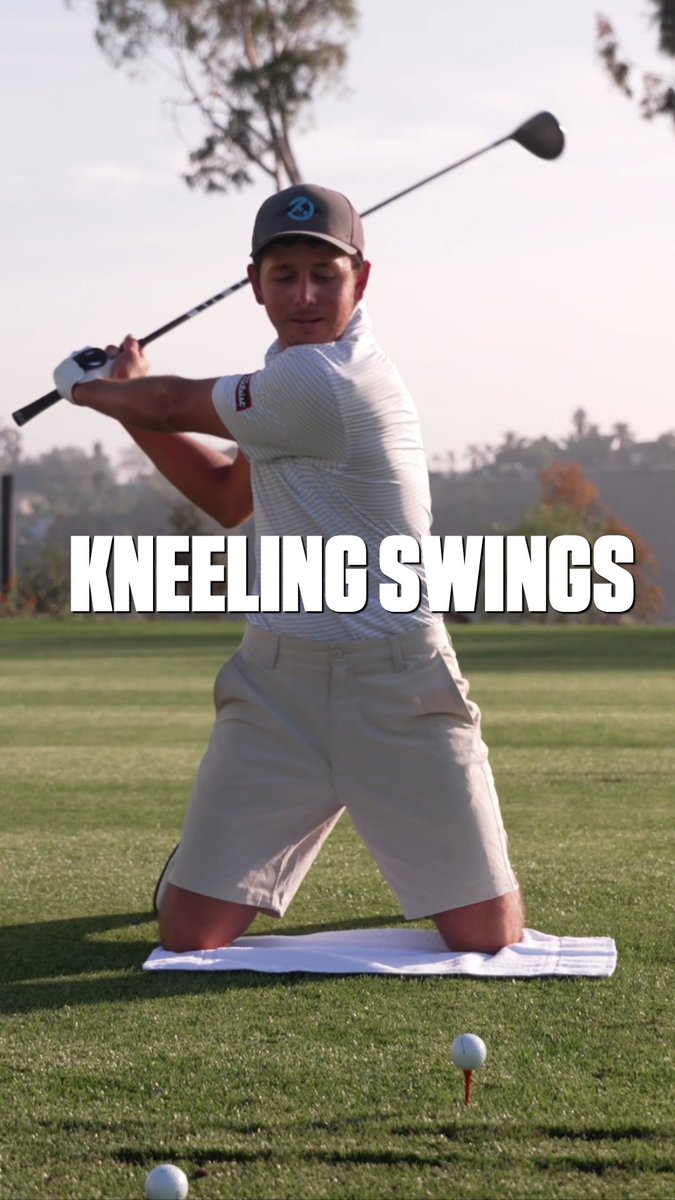
Kneeling swings are a drill we use when a player's trunk is lagging behind the arms in the downswing. You're still interacting with the ground from your knees, but with the pelvis quiet, the player is encouraged to move the club by rotating the trunk against it. It gave Dylan a feel for more trunk rotation and, with the trunk back in front of the arms, the club release happened earlier on its own.
TPI26,071 Aufrufe • vor 2 Monaten
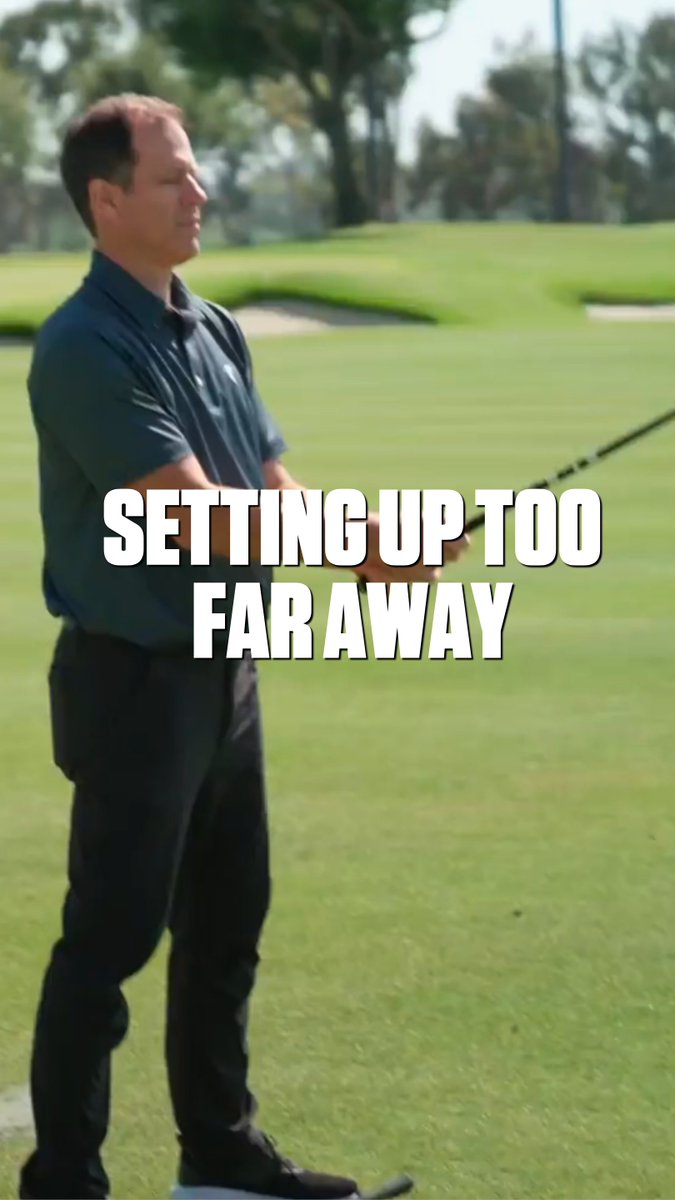
How a golfer addresses the ball can influence early extension and their ability to create space: Standing too far from the ball can encourage early extension because the body has more incentive to move toward the ball. If a golfer wants to avoid thrusting forward, they need to be close enough at address that the lower body has a reason to move away from the target line.
TPI30,246 Aufrufe • vor 2 Monaten