

NASA Armstrong
@NASAArmstrong • 514,272 subscribers
The Armstrong Flight Research Center is NASA's primary center for atmospheric flight research & operations.
Videos

Envelope expansion isn't just about going higher and faster for an X-plane like NASA's quiet supersonic X-59. It's also about understanding how a one-of-a-kind aircraft operates in flight. With each maneuver, engineers collect data and learn more about the aircraft's performance. Learn more about the X-59's most recent flight test maneuvers here:
NASA Armstrong532,498 görüntüleme • 5 ay önce

Two flights. One day. ✈️ NASA’s X‑59 just completed its first dual‑flight day, reaching 43,000 feet and near supersonic speeds as teams continue working toward quieter supersonic flight. Another step toward making quieter supersonic travel a reality. More on the Quesst mission:
NASA Armstrong197,836 görüntüleme • 5 ay önce
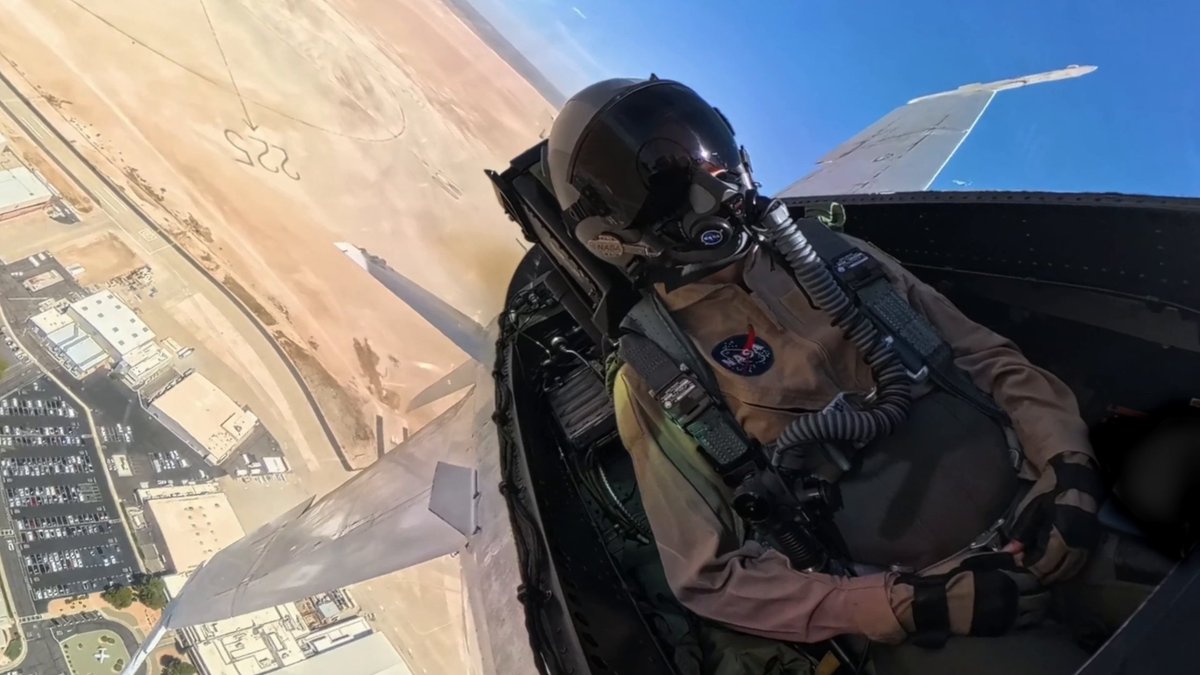
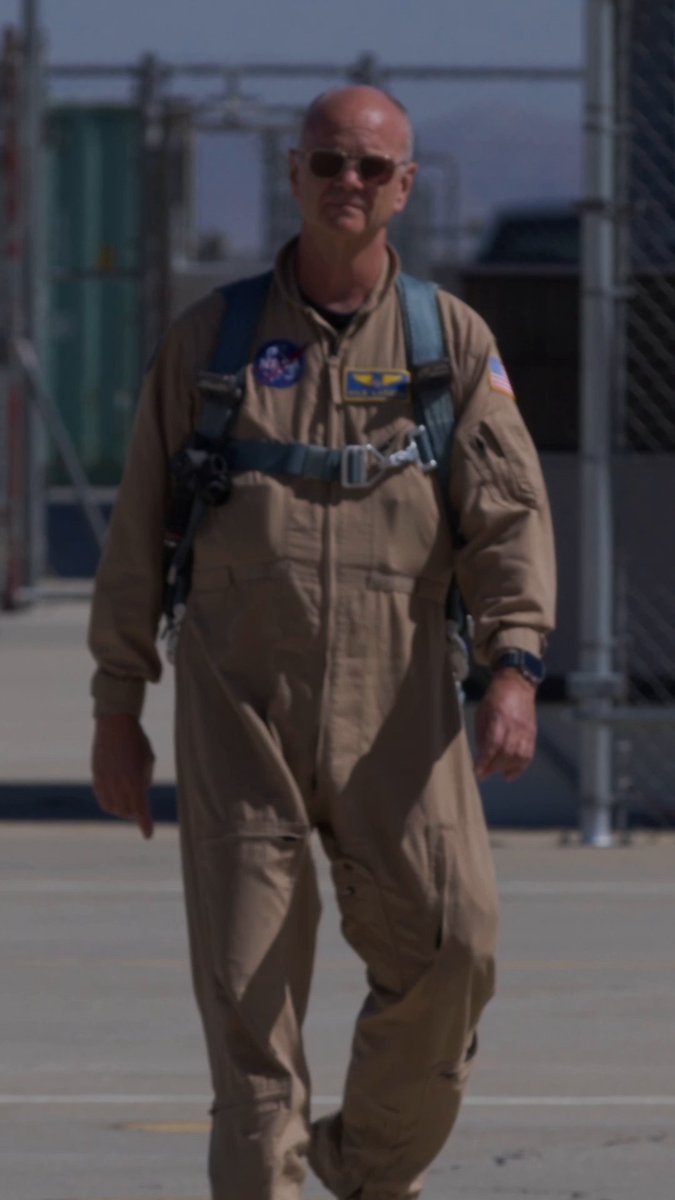
We’re celebrating NASA research test pilot David “Nils” Larson, who earned the 2026 Iven C. Kincheloe Award from the Society of Experimental Test Pilots for outstanding accomplishment in flight test! ✈️ 🌟 From the X-59’s first flight to its first flight reaching Mach 1.4 and 55,000 feet altitude, Nils’ pioneering work drives aerospace innovation forward. Congratulations, Nils, on an inspiring achievement! 🔗:
NASA Armstrong12,915 görüntüleme • 13 gün önce
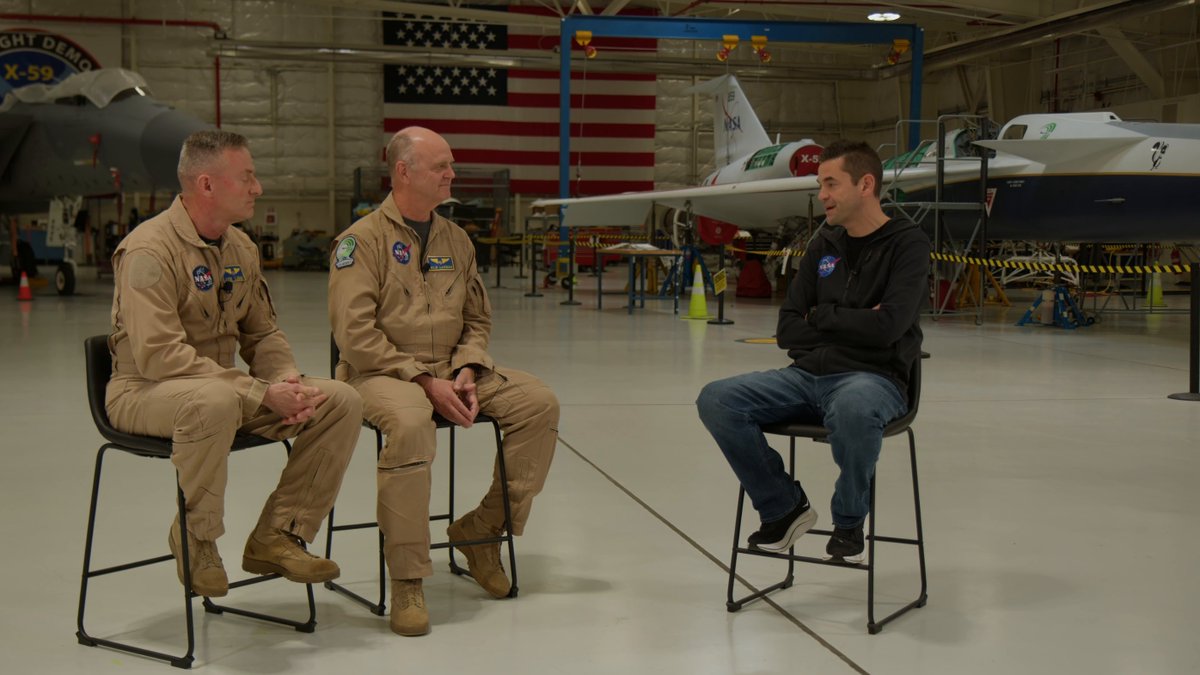
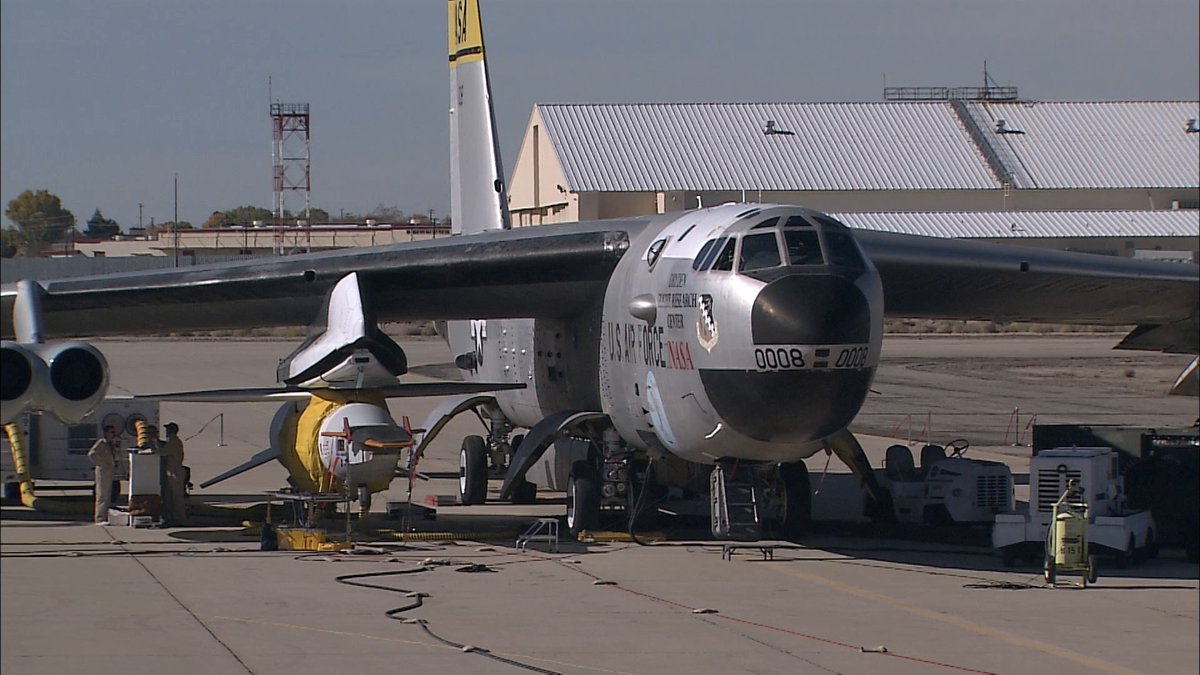
NASA took a major step toward redefining high-speed flight on Nov. 16, 2004. The X-43A, a small, experimental aircraft, proved that an engine drawing oxygen from the atmosphere could propel an aircraft to hypersonic speeds – greater than Mach 5, or five times the speed of sound. During the flight over the Pacific Ocean west of California, the X-43A set the world speed record for a jet-powered aircraft, reaching Mach 9.6, or nearly 7,000 mph. The mission originated from NASA’s Armstrong Flight Research Center in Edwards, California. The X-43A flight showed future high-speed vehicles could have more airplane-like operations for increased affordability, flexibility, and safety. NASA sees such technology as a key to unlocking improved access to space and future routine flight across the world. Explore more about hypersonic research at NASA Armstrong:
NASA Armstrong61,435 görüntüleme • 11 ay önce
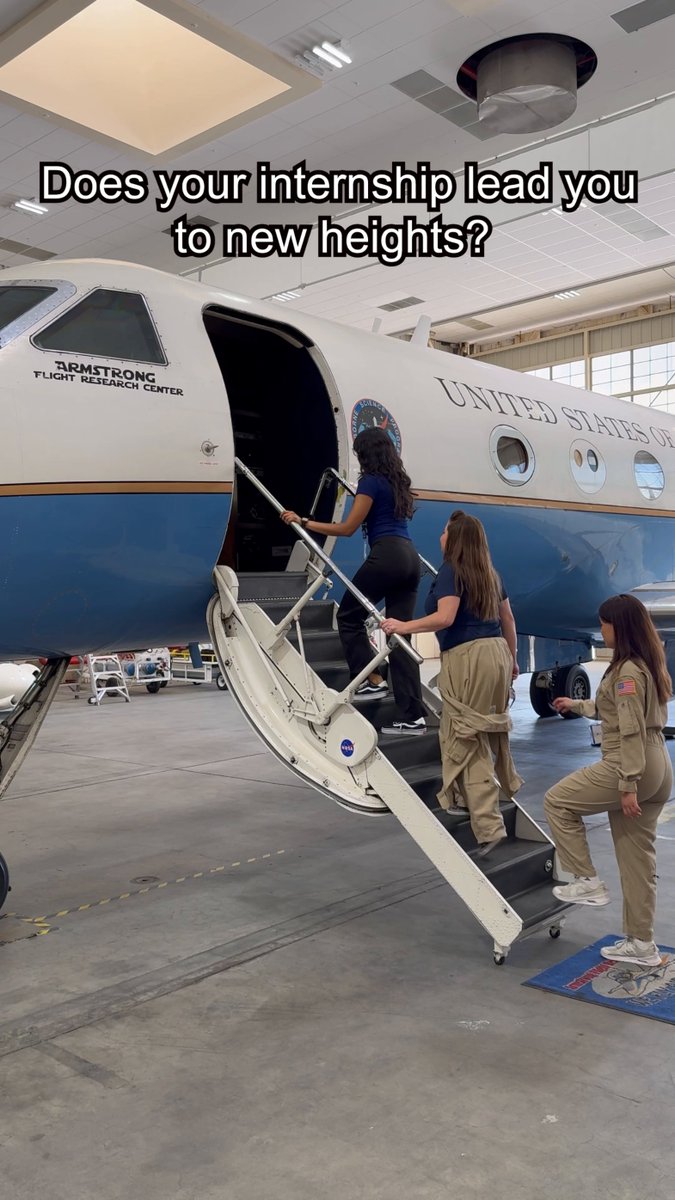
Discover what’s possible with a NASA internship! ✈️🚀 Interns play a vital role in advancing NASA’s mission to make aviation cleaner, quieter, and more efficient for the nation. From testing innovative aircraft concepts to real research in our flight labs, interns work alongside experts driving the future of aerospace. If you’re curious, motivated, and passionate about exploring what’s next in flight, a NASA internship is the perfect place to launch your journey! Apply here:
NASA Armstrong18,728 görüntüleme • 2 ay önce
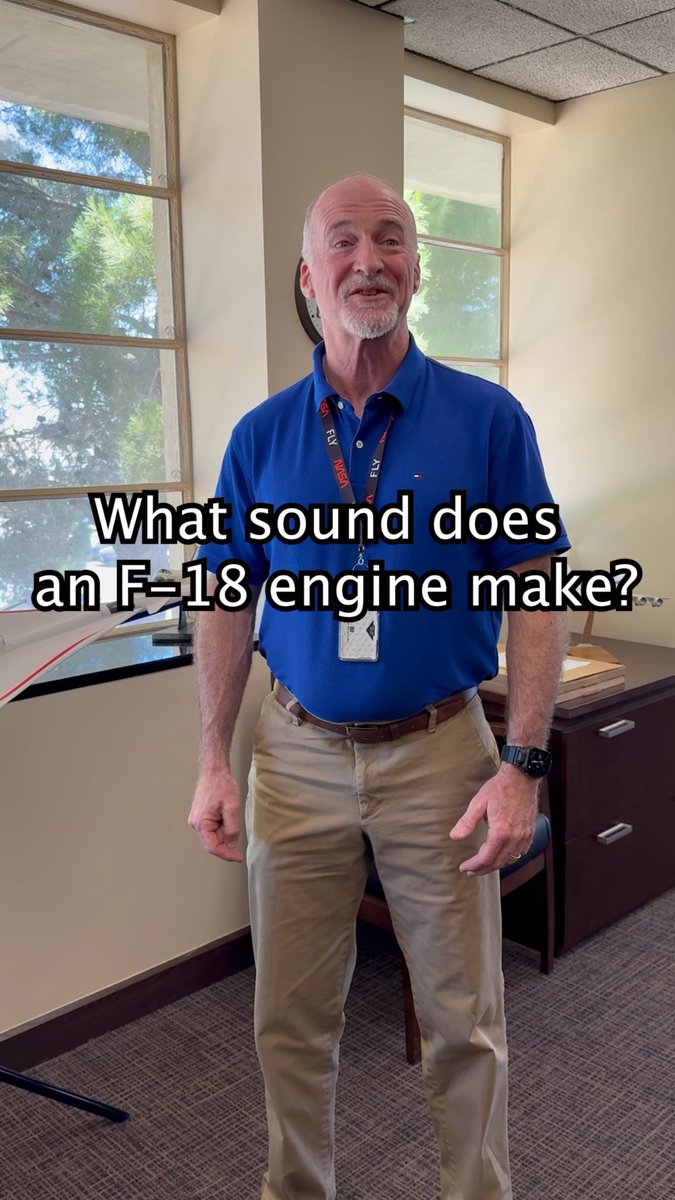
From serious research to spirited engagement, life at NASA Armstrong covers it all! Our team took part in an F-18 engine sound challenge, reminding us that great teamwork includes a little fun. ✈️😄 Who do you think had the best F-18 imitation? Learn more about our F-18 aircraft:
NASA Armstrong18,299 görüntüleme • 3 ay önce

As we wrap up 2023, let's take a look back at some of NASA Armstrong's accomplishments! ⭐ 🔗:
NASA Armstrong27,250 görüntüleme • 2 yıl önce
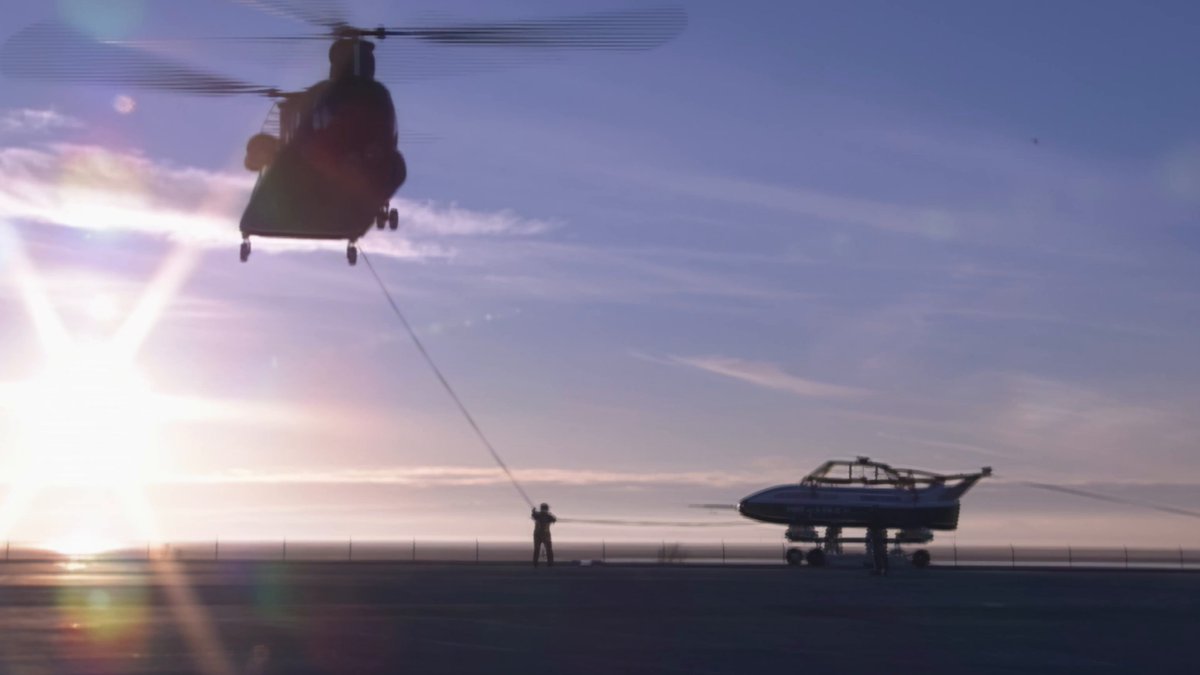
“The purpose of flight research is to separate the real from the imagined problems and to make known the overlooked and the unexpected.” – Hugh L. Dryden, former NACA administrator and NASA’s first deputy administrator X-planes – experimental aircraft – are developed for a wide range of flight research missions: from technology and concept demonstrators to unmanned test vehicles and full-scale prototypes. At NASA Armstrong, the X-1 was the first in a long line of research aircraft that helped shape our culture of innovation and discovery. Our high-speed, high-altitude flight campaigns have explored everything from thermal conditions and structural integrity to control, maneuverability, and human physiology – all essential to the advancement of aviation and spaceflight. Which NASA X-planes can you spot in this video? 👀 ✈️ Learn more about X-planes here:
NASA Armstrong13,591 görüntüleme • 1 yıl önce
Daha fazla içerik yok.