Oceana's banner
Oceana's profile picture

Oceana

@oceana475,502 subscribers

Dedicated to protecting & restoring the world’s oceans on a global scale. BlueSky → https://t.co/r7FkTxGdSF

Shorts
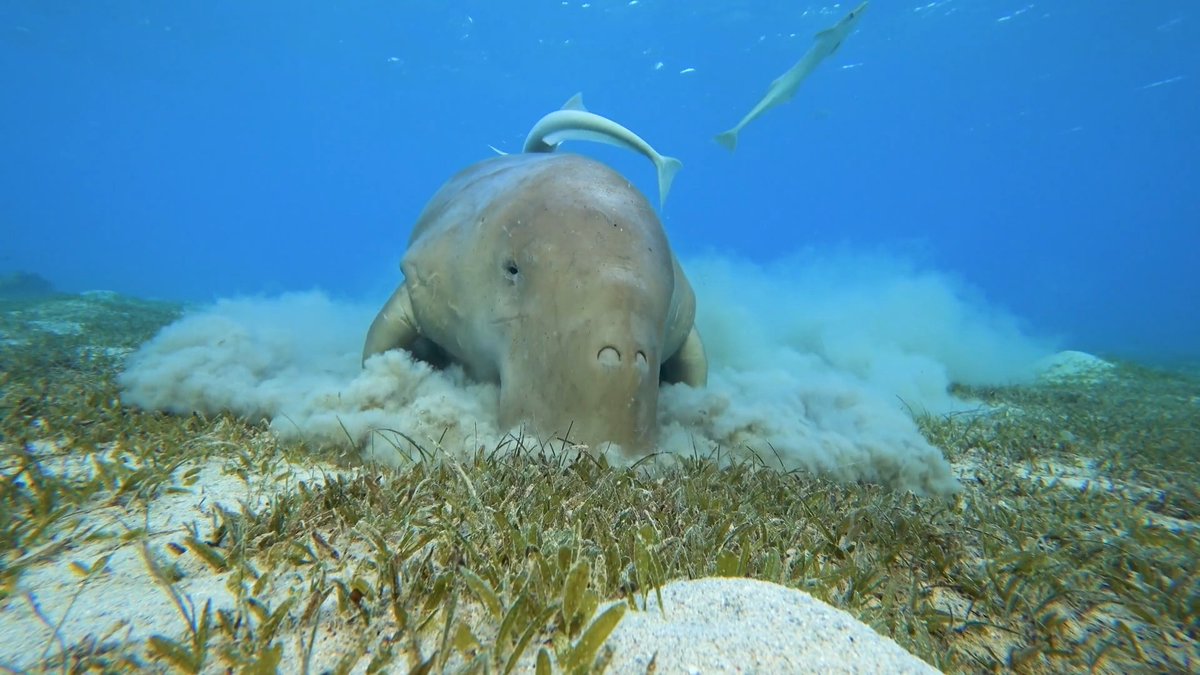
WATCH: This dugong loves to eat! It’s no wonder dugongs are sometimes called "sea cows” — they are slow-moving, herbivorous mammals that spend their days grazing vegetation like seagrass. Learn more about dugongs with our Marine Life Encyclopedia:

WATCH: This dugong loves to eat! It’s no wonder dugongs are sometimes called "sea cows” — they are slow-moving, herbivorous mammals that spend their days grazing vegetation like seagrass. Learn more about dugongs with our Marine Life Encyclopedia:

21,116 views

#NationalWildlifeDay: A rich world is one that is abundant with wildlife. 💙 Oceana works to protect our oceans & restore them to their former abundance because without the WILD, there is no LIFE. Join us in protecting our blue planet. 👉

#NationalWildlifeDay: A rich world is one that is abundant with wildlife. 💙 Oceana works to protect our oceans & restore them to their former abundance because without the WILD, there is no LIFE. Join us in protecting our blue planet. 👉

10,287 views

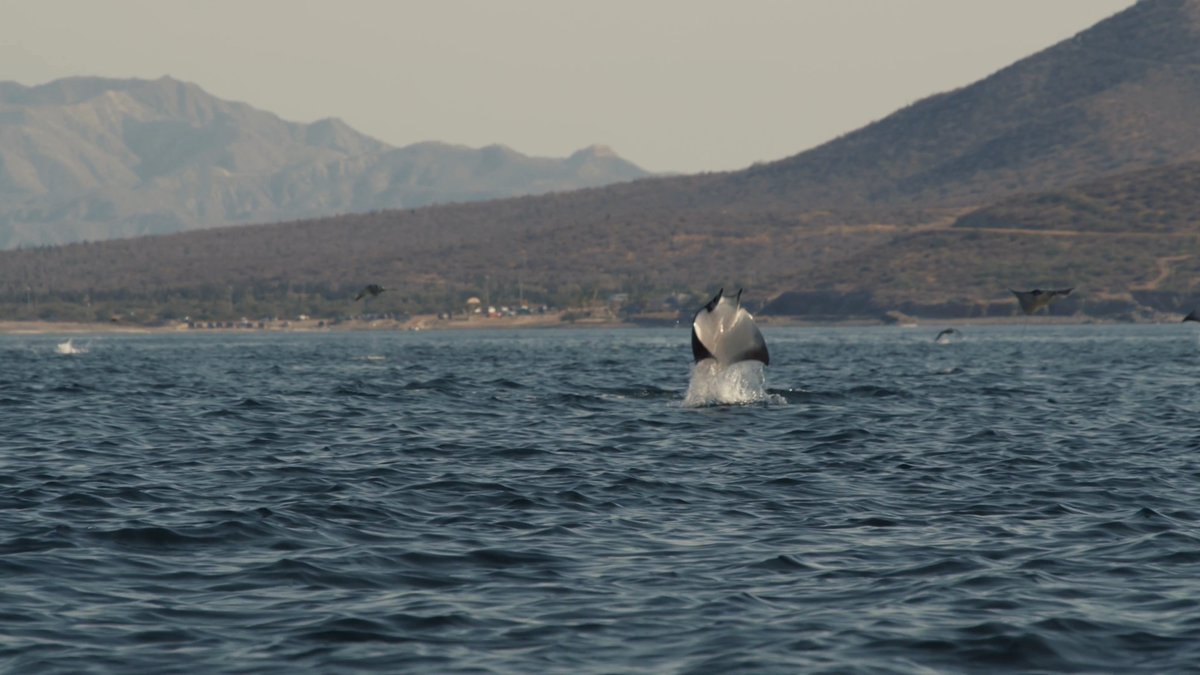
#DIDYOUKNOW: Mobula rays have wing-like fins that allow them to launch out of the water, earning them the nickname “flying rays!” It’s uncertain why they jump, but it may be to rid themselves of parasites, evade predators, communicate, corral food, or even just for fun.

#DIDYOUKNOW: Mobula rays have wing-like fins that allow them to launch out of the water, earning them the nickname “flying rays!” It’s uncertain why they jump, but it may be to rid themselves of parasites, evade predators, communicate, corral food, or even just for fun.

28,571 views

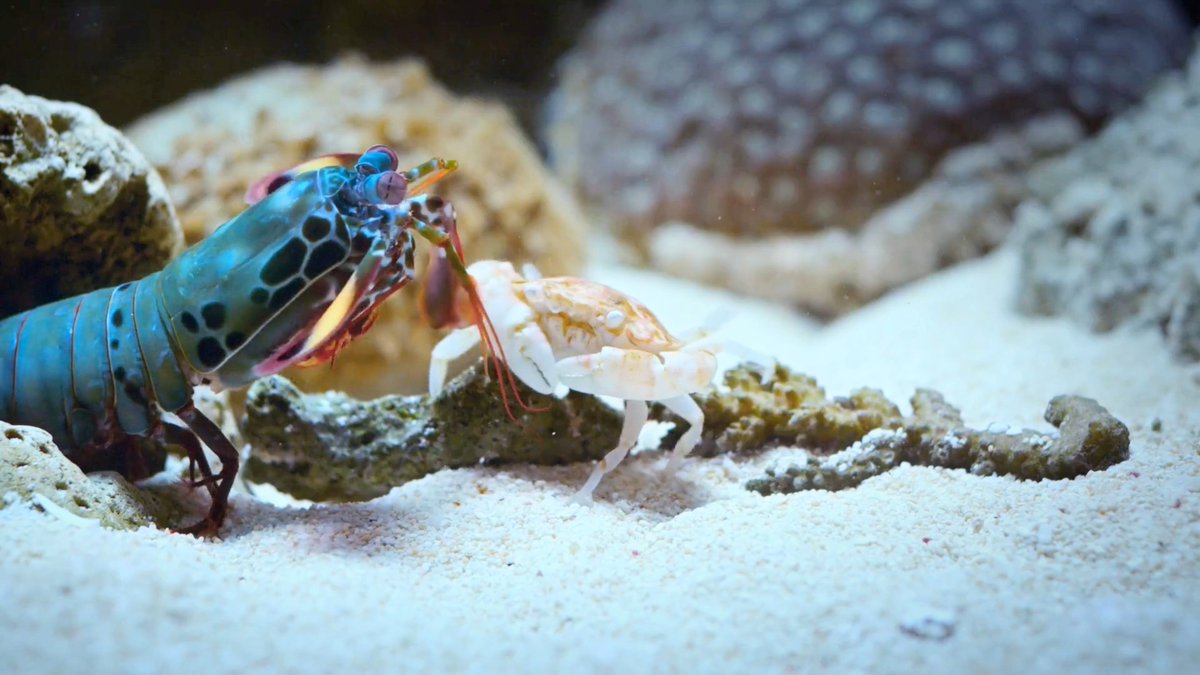
WATCH: Peacock mantis shrimp have one of the fastest strikes in the animal kingdom! 🦐 Learn more about these quick-hitting crustaceans:

WATCH: Peacock mantis shrimp have one of the fastest strikes in the animal kingdom! 🦐 Learn more about these quick-hitting crustaceans:

15,943 views

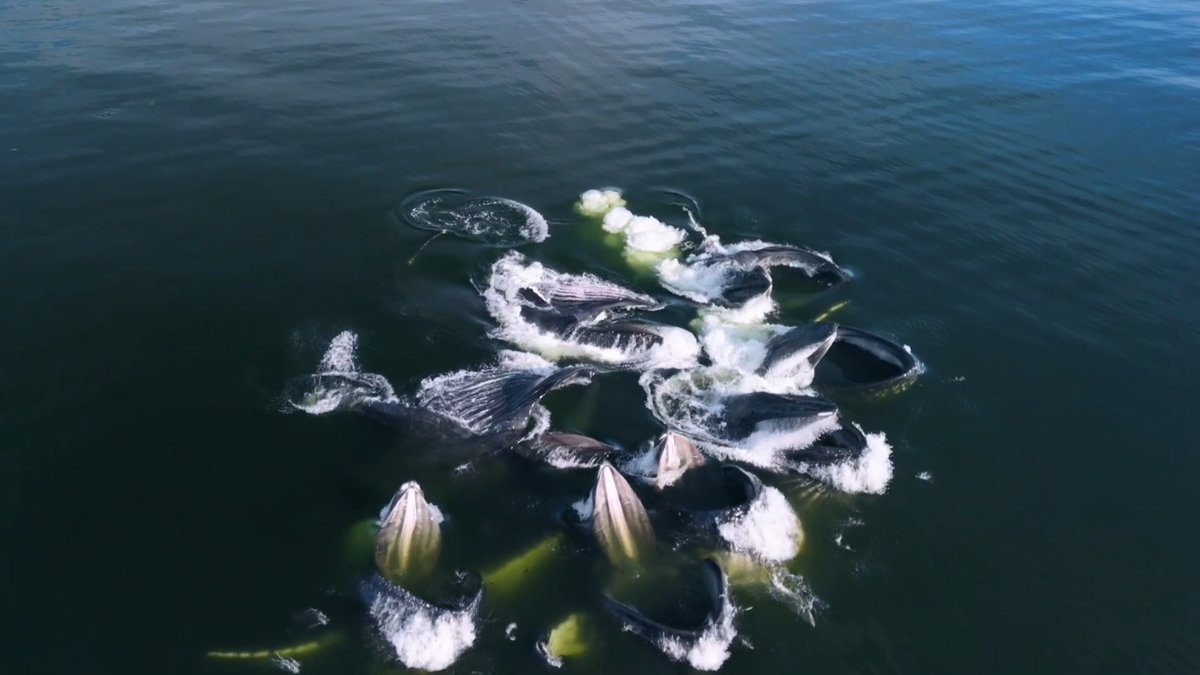
WATCH: Humpback whales feeding as a group. 🐋 These whales can sometimes be observed using a technique called “bubble-netting” where they herd schools of fish together, trapping them in a “net” of bubbles. They then swim upward with their mouths open wide to feed!

WATCH: Humpback whales feeding as a group. 🐋 These whales can sometimes be observed using a technique called “bubble-netting” where they herd schools of fish together, trapping them in a “net” of bubbles. They then swim upward with their mouths open wide to feed!

15,993 views

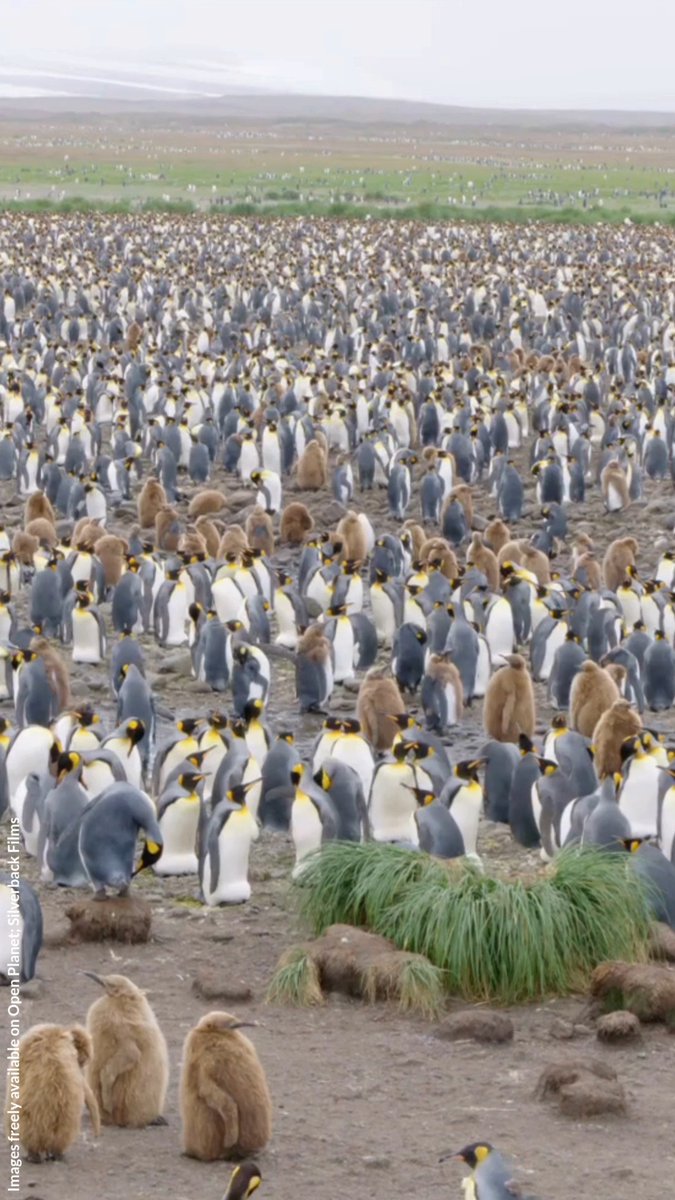
King penguin colonies can be huge! These groups can be made up of up to 39,000 breeding pairs. In the noisy environment of colonies, king penguins depend on specialized calls to find their chicks. Learn more:

King penguin colonies can be huge! These groups can be made up of up to 39,000 breeding pairs. In the noisy environment of colonies, king penguins depend on specialized calls to find their chicks. Learn more:

15,400 views

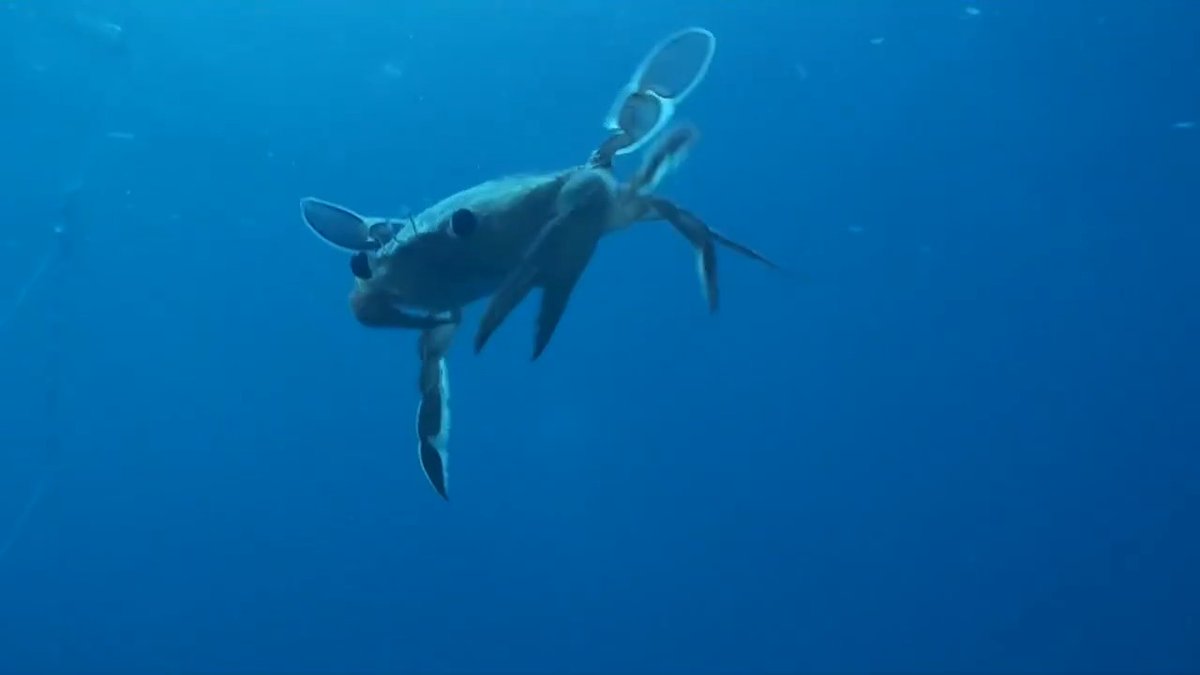
🦀🌊Ever seen a crab swim before? Not all crabs are good swimmers, but the Henslow swimming crab sure is! We spotted this one during an Oceana Ranger expedition off the coast of Spain while studying nearby seamounts (underwater mountains). 🎥 Oceana / Enrique Talledo

🦀🌊Ever seen a crab swim before? Not all crabs are good swimmers, but the Henslow swimming crab sure is! We spotted this one during an Oceana Ranger expedition off the coast of Spain while studying nearby seamounts (underwater mountains). 🎥 Oceana / Enrique Talledo

12,958 views

Happy Shark Week! 🦈 Discovery and Oceana are working together to protect sharks, and we need your help! Join us in speaking up for sharks at #SharkWeek

Happy Shark Week! 🦈 Discovery and Oceana are working together to protect sharks, and we need your help! Join us in speaking up for sharks at #SharkWeek

16,449 views

Videos

No more content to load