Open Society Foundations
@OpenSociety • 2,464,777 subscribers
We work to build vibrant and inclusive democracies whose governments are accountable to their people. Community guidelines: https://t.co/yPYMoB0shS
Shorts

Videos

The Soros Economic Development Fund (SEDF), the impact investment arm of Open Society, is all about embracing risk. Investment always comes with an element of risk, and no one wants to make the first move. But SEDF uses its capital to push boundaries and catalyze change to support economic inclusion, justice, and human rights around the world. For example, SEDF partners with Aristata Capital, the first impact focused litigation funder that uses the power of the rule of law, taking up cases around the globe in support of communities and individuals that aren’t otherwise able to access justice. Or SEDF's work in support of resilient, clean energy markets in areas often left behind by traditional finance with investments such as Acumen's Hardest-to-Reach Initiative, which is expanding off-grid solar access across Africa’s least electrified countries. Time and again, SEDF's partners have proven that underserved communities and overlooked projects are worth the risk. Together with its partners, SEDF is building pathways for systemic change that strengthen reach and results to build vibrant, just, and sustainable democracies. Join us. Embrace risk. Reimagine what’s possible.
Open Society Foundations71,394 views • 1 month ago

Too often, the human rights movement has preferred rights in the negative: no to torture, no to censorship, no to detention without trial. But there must also be an affirmation of something positive—a vision of what could be. As global decisionmakers gather in New York for UNGA 81, Open Society hosted events exploring new ideas and perspectives on the opportunity to reimagine the future of human rights.
Open Society Foundations18,796 views • 14 days ago

The current multilateral world order has struggled against the double standards of great powers, who have stripped multilateral institutions of their influence, shaped the rules to their advantage, and follow them only when it suits. Today at UNGA 81, Open Society hosted conversations with municipal government officials, civil society and philanthropy leaders, policymakers, and more to tackle some of the central questions facing the international system. A new model of multilateralism is emerging as new coalitions of middle powers and countries of the Global South come together around demands for shared prosperity and sovereignty. Discussions focused on exercising their leadership in regional security, international financial reform, and rights reform, and advancing local models of peace, public safety, and reconstruction shaped by communities.
Open Society Foundations16,126 views • 15 days ago
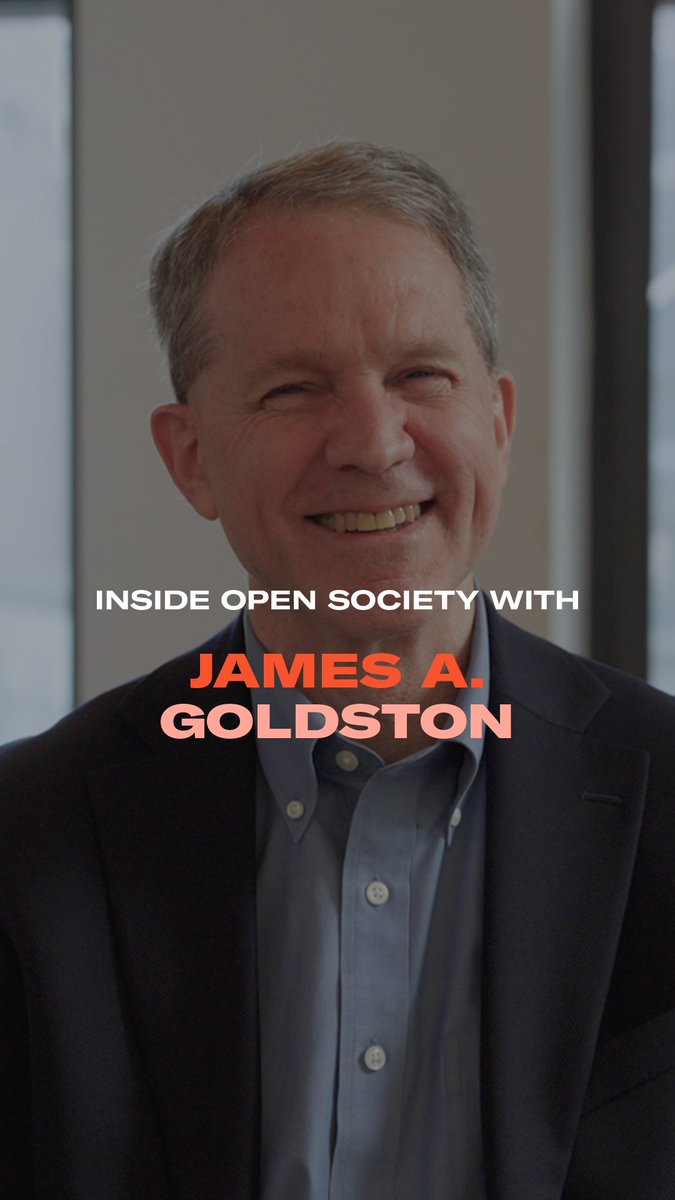
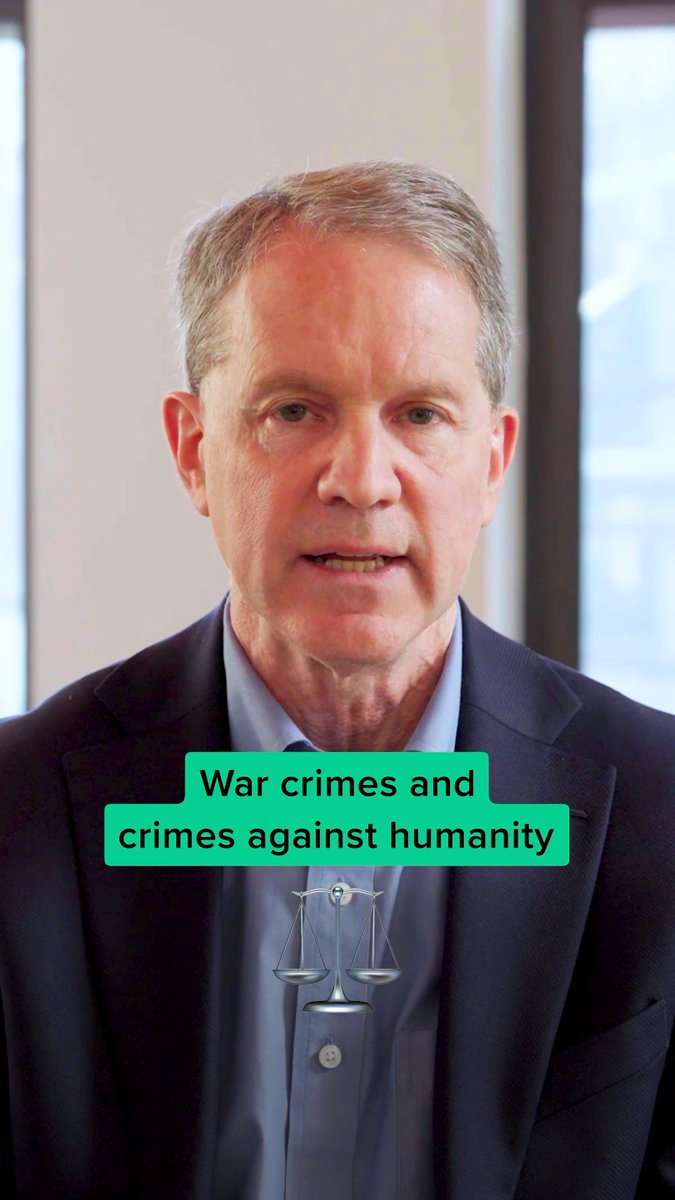
The rule of law and human rights are vital to open societies. How can we imagine a world where international law is meaningful not just with lawyers and diplomats, but with everyone it seeks to protect? James Goldston, executive director of the Open Society Justice Initiative Open Society Justice Initiative, explains how we build cases to improve people’s lives and rights. All too often law is used to reinforce and expand inequalities in power and wealth in societies. We help people use the law to change systems for the better, amid a deeply unjust world. Through this work, we’ve successfully protected people deported from the U.S. to countries they’ve never lived in, outlawed racial discrimination and segregation against Roma in Europe, and required governments to take the risks and damage from the climate crisis seriously. Building on our own cases, the Justice Initiative provides financial, technical, and strategic support to partners around the world who file cases for marginalized people and seeks to foster connections among those practicing strategic litigation. As James says, “Our privilege at the Justice Initiative is to be able to help people use legal tools in their struggle.”
Open Society Foundations31,230 views • 1 month ago
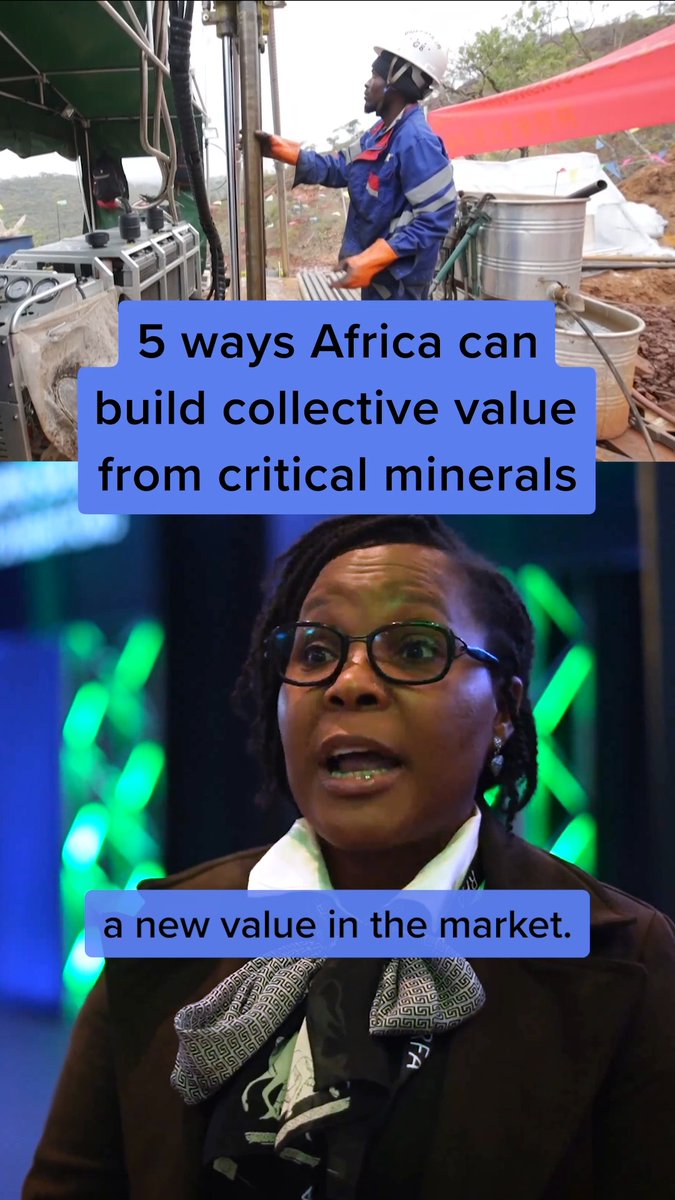
As demand for critical minerals continues to grow, Africa faces a defining question: how can the continent turn its mineral wealth into jobs, industrial growth, and long-term development? We spoke with experts who identified five ways Africa can capture more value from its critical minerals: 1️⃣ Put Africans at the center of global mineral negotiations and secure stronger positions across global value chains 2️⃣ Build a stronger Global South voice in international decisions on critical minerals, trade, investment, and resource governance 3️⃣ Ensure mining drives inclusive growth by creating jobs, expanding opportunity, and tackling inequality and poverty 4️⃣ Use Africa’s collective bargaining power to coordinate mineral policies, attract investment, and strengthen the continent’s negotiating position 5️⃣ Move beyond raw mineral exports by investing in processing, refining, and manufacturing on the continent The global race for critical minerals is more than an economic opportunity. The decisions made today will shape Africa’s economic and political sovereignty, who benefits from its resources, and the continent’s development for decades to come.
Open Society Foundations41,365 views • 1 month ago
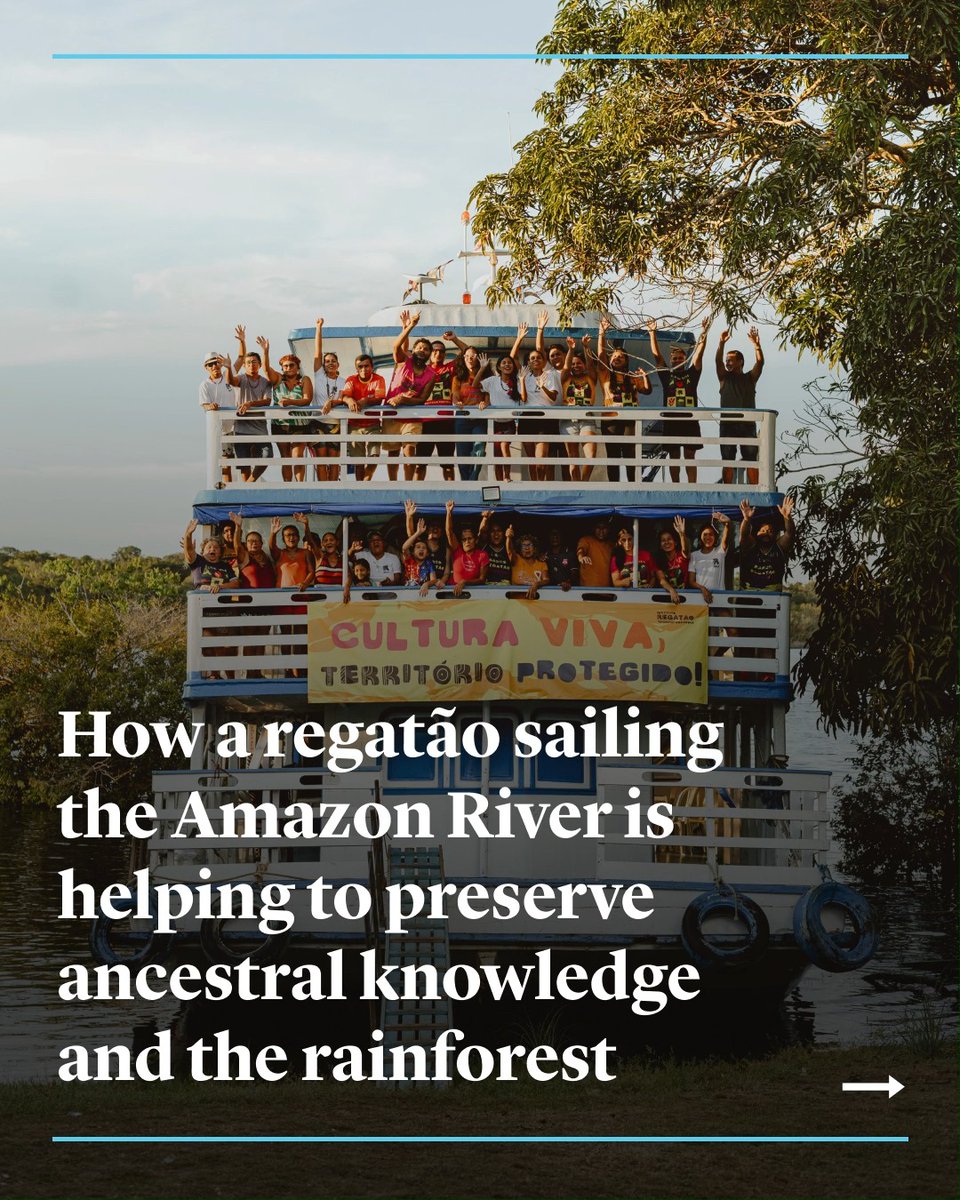
Inspired by the character of Regatão, who was known to travel the Amazon in a small boat connecting communities and exchanging knowledge and goods, the Instituto Regatão Amazônia (instituto Regatão Amazônia) has reinterpreted the tradition to help preserve ancestral knowledge. In June, the third annual Barco Regatão—Tapajós: Corridor of Living Cultures, supported by Open Society, set sail stopping in primarily Indigenous and Quilombola communities that live along the heart of the Amazon River. The boat serves as an immersive experience with a mix of cultural activities, art exhibitions, trainings, and spaces for knowledge exchange to help the preservation of traditional practices, memories, and ways of life. The initiative creates spaces for intergenerational exchange, aiming to recognize and appreciate the knowledge of those who have lived on the banks of the Amazonian rivers for generations—especially to ensure their perspectives are part of climate conversations and solutions. By strengthening living cultures of Indigenous and Quilombola communities who live on the river means strengthening the people who help protect the Amazon every day. 📸 Instituto Regatão Amazônia
Open Society Foundations41,367 views • 1 month ago


Every American should be able to live, work, and care for their families, yet costs are soaring, and this promise is out of reach for too many people in America today. Laleh Ispahani shares why we’re doubling down on our work in the U.S. with a $300 million investment that will expand rights, foster economic dignity, and rebuild our democracy. This builds on our decades-long work in the U.S. and around the world.
Open Society Foundations63,571 views • 4 months ago
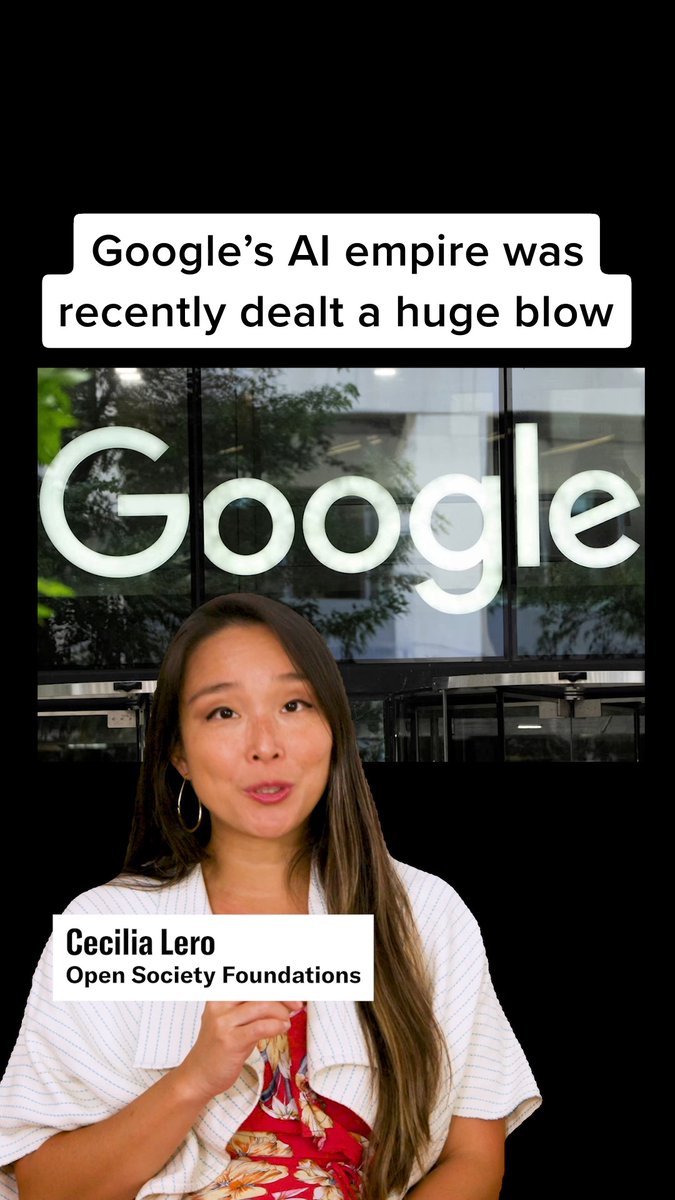
Did you know Google’s AI overviews can hurt publishers? When Google takes content from websites for these overviews, it stops traffic to publishers. One study found a 79 percent loss in traffic to their sites. This means publishers don’t get the clicks and the advertising revenues they need to stay in business. But Google’s AI empire was recently dealt a huge blow. Foxglove, a tech accountability nonprofit and Open Society partner, coordinated an effort to put pressure on the UK government, and now publishers can determine if and how Google uses their content—on their own terms. This change provides a meaningful democratic choice for publishers and the ability to withhold high-value content without losing visibility. This marks a historic first in addressing AI overreach and a major win in reasserting agency and consent in the AI economy.
Open Society Foundations26,136 views • 3 months ago
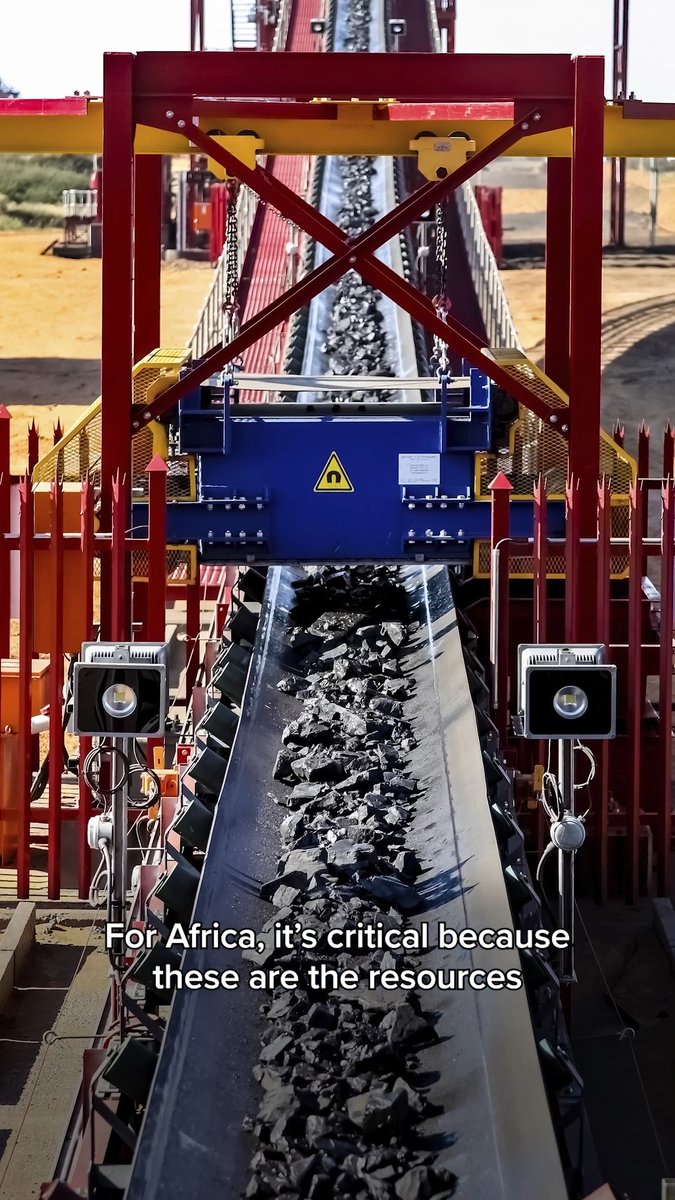
Open Society's Deprose Muchena, Deprose Muchena, explains how Africa can turn its mineral wealth into long-term public value, including supporting economic transformation, strengthening strategic agency, and ensuring communities benefit from the resources. Africa stands at a defining moment. As demand for cobalt, lithium, copper, rare earths, and other minerals increases, driven by the green energy transition, digital infrastructure, and advanced manufacturing, the question is not whether the continent has the resources but rather whether it can shape the terms of their use. These minerals are often referred to as “critical”—but critical for who, and for what? For Deprose, the future will be shaped not just by what Africa exports, but by the choices it makes such as building value chains, advancing industrialization, economic transformation, and developing policies that put African priorities first. These choices are already being made across the continent, by Africans, for Africa.
Open Society Foundations18,969 views • 3 months ago

Punishing people who use illegal drugs doesn’t work—and only worsens health, racial, and economic inequities. Harm reduction works. It is a nonjudgmental and evidence-based approach of meeting people who use illegal drugs where they are and helps them to save their own lives and strengthen their families and communities. Harm reduction doesn’t withhold help or support even if people cannot or won’t stop using drugs. It also brings compassion to drug policies and ensures that people who use drugs have their voices heard in policy debates. Examples of harm reduction include administering naloxone to reverse the effects of opioid overdose, overdose prevention sites, and housing first programs. Open Society’s Judy Chang gives three facts about harm reduction.
Open Society Foundations17,397 views • 3 months ago
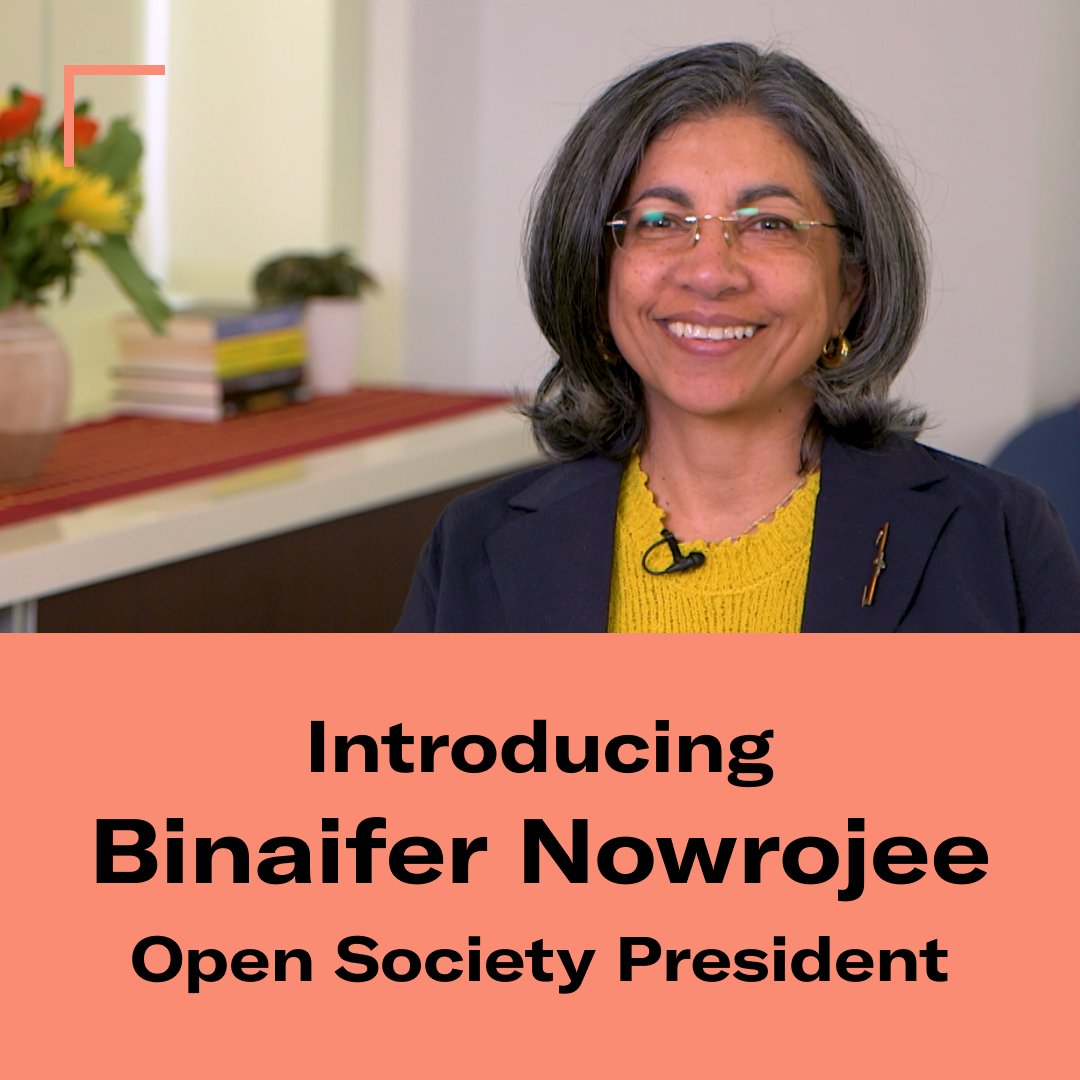

“If we want to stop future wars, we must punish the states and their political and military leadership for starting them,” writes Oleksandra Matviichuk (Oleksandra Matviichuk). In modern history we have only one precedent: the Nuremberg and Tokyo war crimes trials following World War II. Subsequent tribunals focused on war crimes but not the act of planning and initiating war. While Nuremberg and Tokyo were an essential step toward establishing accountability and justice in the last century, they have created the impression that justice is a privilege of the winners of a settled conflict. But justice is not a bonus— it is an essential human right. In May, 36 countries and the European Union committed to joining a Special Tribunal for the Crime of Aggression against Ukraine. The efforts were supported by the Center for Civil Liberties (Center for Civil Liberties), the Ukrainian human rights organization led by Matviichuk. “We must break the circle of impunity and establish a special tribunal on aggression to hold them accountable, not just for people in Ukraine, but in order to prevent a next Russian attack to the next nation.”
Open Society Foundations16,910 views • 3 months ago
Today our founder George Soros was awarded the Presidential Medal of Freedom—the highest civilian honor in the United States—in recognition of his lifelong commitment to defending freedom of expression and advancing human rights and justice. The presidential remarks praised Soros: “His inspiring generosity reminds us all of our capacity and our obligation to stand up to the abuse of power and to be guardians of democracy and all people yearning to be free.” The award was presented by President Biden at a ceremony in the White House, with Open Society Chair Alex Soros accepting the honor on his father’s behalf. Soros’s journey to America was shaped by his early experiences surviving the Holocaust and living under Communist rule in Hungary. His philanthropic work began more than 40 years ago with scholarships for Black South African students during apartheid. Over the years, the Open Society Foundations has expanded its reach to more than 100 countries, supporting civil society groups and projects that strengthen freedom worldwide. Learn more: #OpenSociety #GeorgeSoros #PresidentialMedalOfFreedom
Open Society Foundations59,196 views • 1 year ago
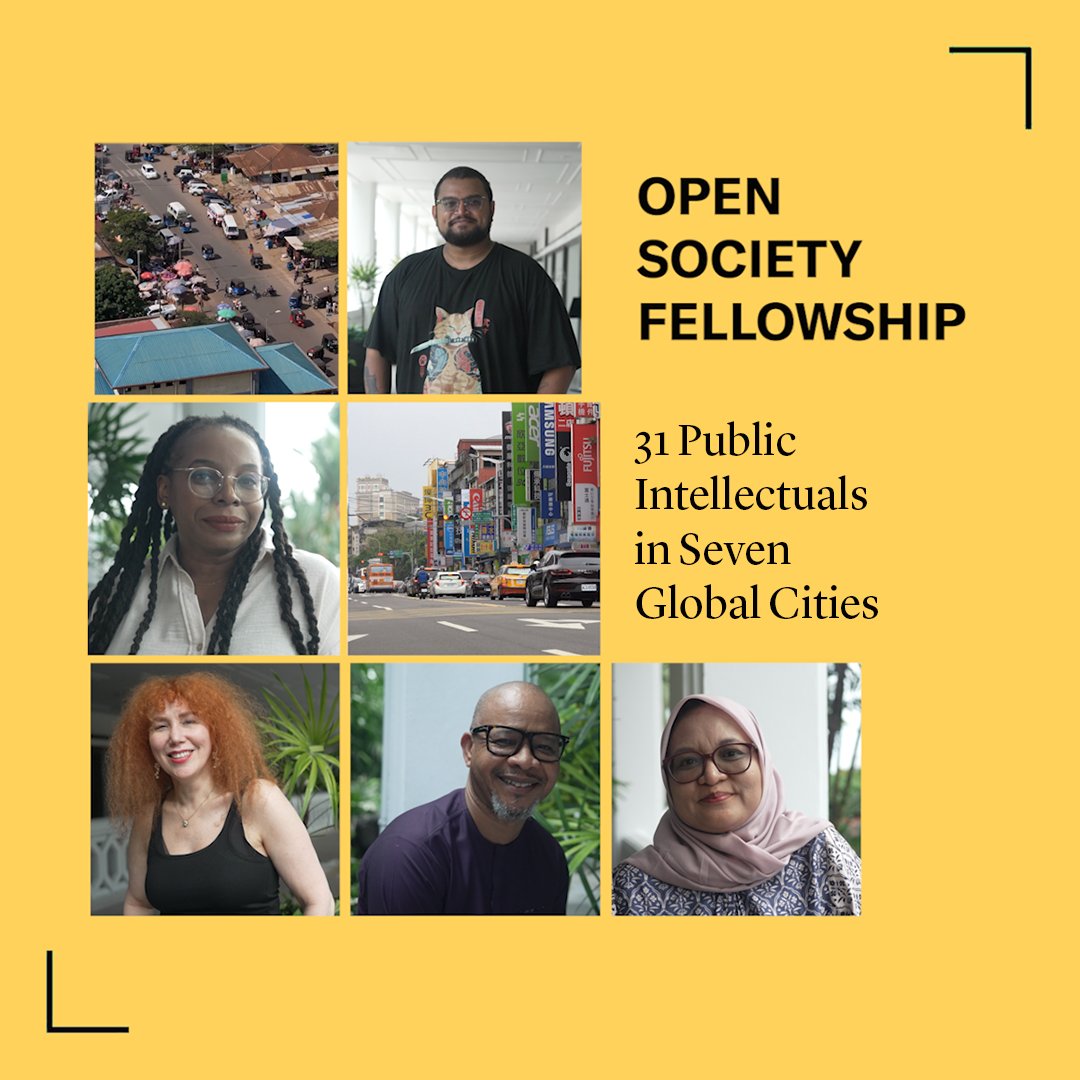
Congratulations to the 2025 Open Society Fellows! The fellows are a group of 31 public intellectuals from seven global cities who will help shape global conversations on the most pressing issues of our time: Beirut 🇱🇧 Buenos Aires 🇦🇷 Colombo 🇱🇰 Dar es Salaam 🇹🇿 Jakarta 🇮🇩 Lagos 🇳🇬 Taipei 🇹🇼 The fellows bring innovative approaches to fundamental open society concerns including the state of democracy, the climate crisis, journalism, digital finance, nationalist movements, urbanism, migration, and more.
Open Society Foundations41,903 views • 1 year ago

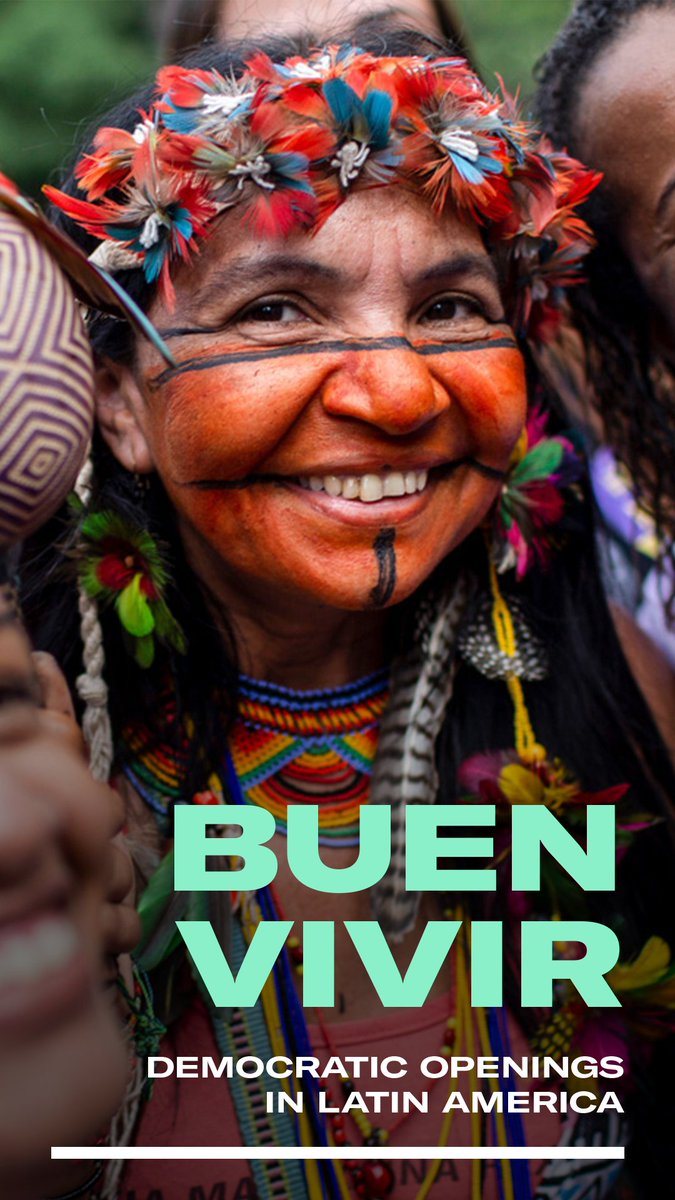
Today we’re launching a series of initiatives to promote social and economic well-being in Latin America by focusing on people’s real needs: access to services, care, a healthy environment, quality jobs, and security. “Buen vivir” (living well), a concept originating in Indigenous and Afro-descendant traditions across the region, inspires this work and emphasizes belonging, community, and harmony with nature. Spanning eight years, this work will support civil society organizations and partnerships with governments to co-create public policies that directly address the needs of historically marginalized populations, with a particular focus on Indigenous peoples, Afro-descendant communities, and women. The strategy will focus primarily on Brazil, Colombia, and Mexico, while also promoting regional exchange and collaboration with countries like Chile and Guatemala. “For decades, we have supported partners in Latin America striving for progress. Today in the face of global power shifts, and with trade systems being completely upended, we must rise to meet this moment. Collective action has never been so important. New coalitions will emerge. Where there are opportunities, we will act with boldness and conviction to improve living conditions and help strengthen open societies,” said Open Society Chair Alex Soros. “Today’s challenge is to show that democracy can be more than just a political system,” said Pedro Abramovay, vice president of programs at Open Society. “Inspired by the idea of ‘buen vivir,’ we want to restore democracy’s ability to offer both meaning and a shared future,” he added.
Open Society Foundations34,066 views • 1 year ago
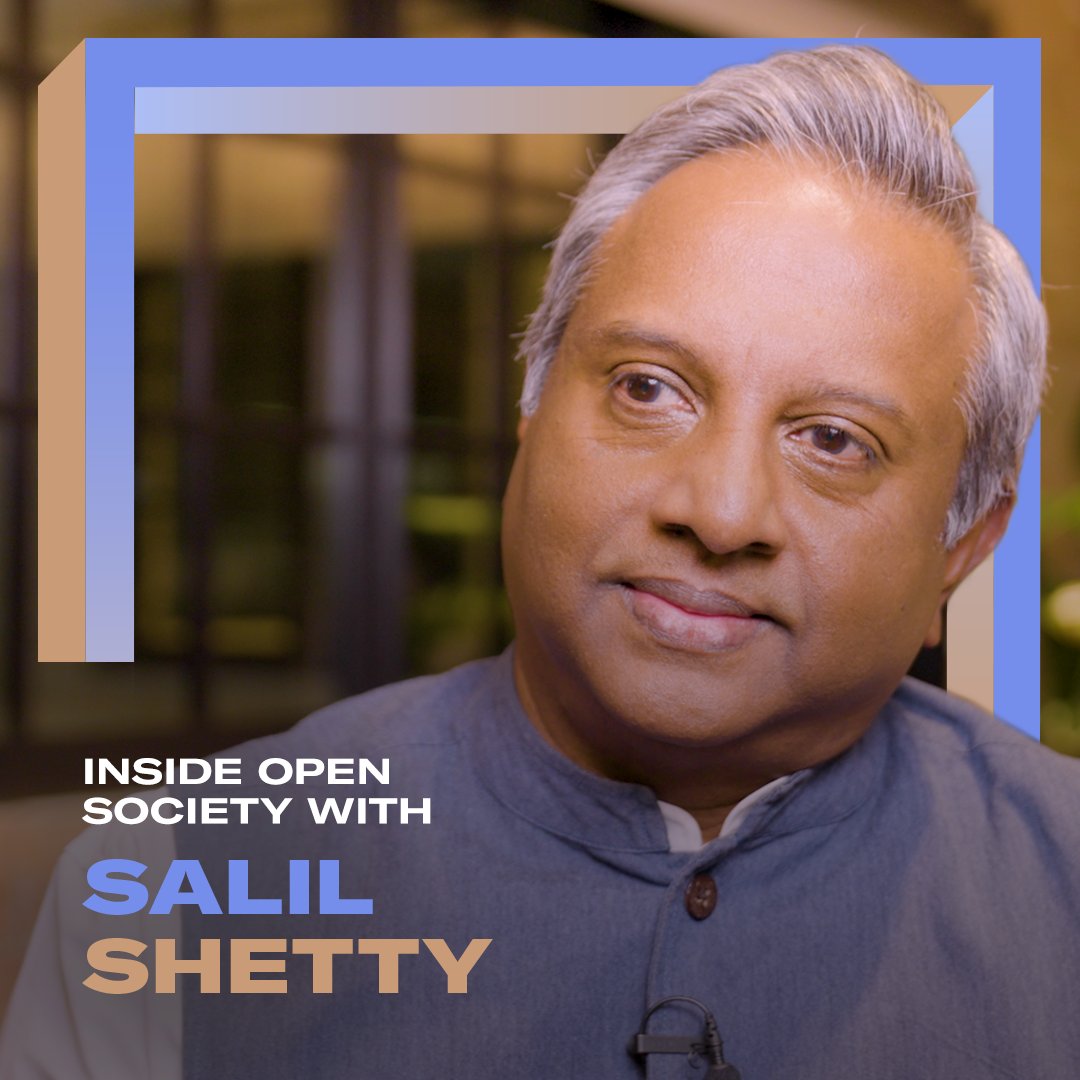
“Open society means something very real to me.” Salil Shetty came of age when basic freedoms were curtailed in India. Now he fights for these freedoms by shaping our global work with grants, impact investing, and strategic litigation #InsideOpenSociety
Open Society Foundations40,830 views • 3 years ago
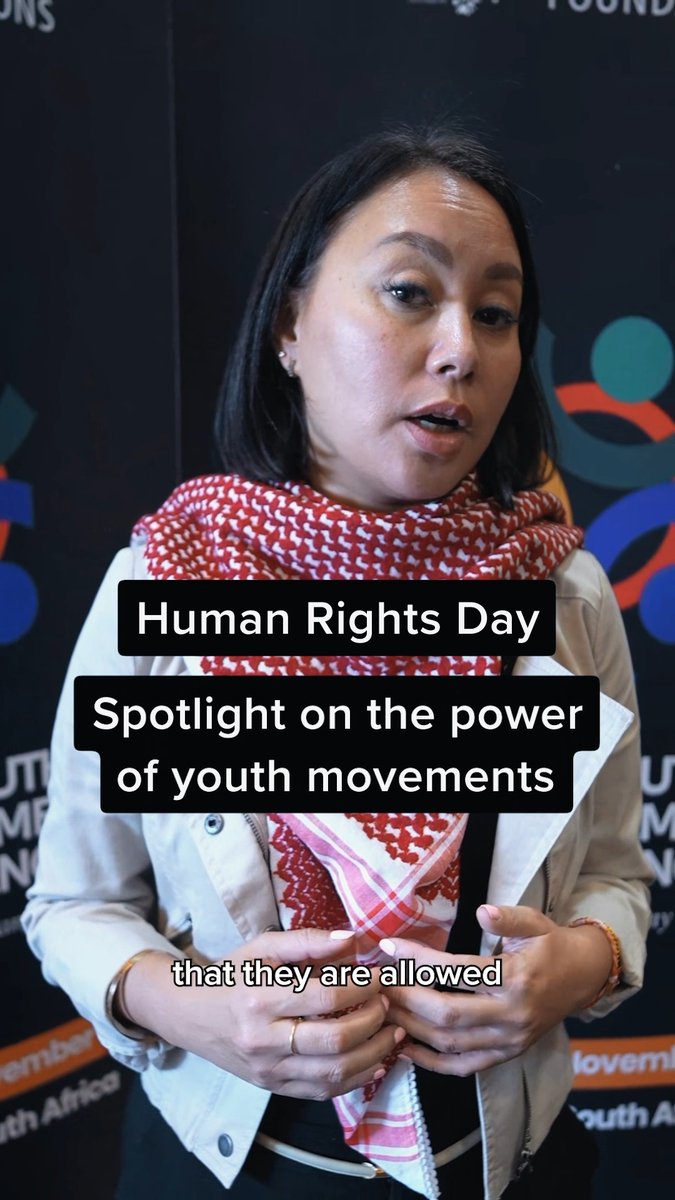
On #HumanRightsDay, we’re spotlighting the young people across the Global South who are speaking out about the kinds of governance systems and democracies they want. They are demanding systems that deliver dignity, equity, justice, and real economic opportunity. From Africa to Asia, the Middle East to Latin America, young people are leading transformative movements and pushing for governance that truly works. Their message is clear: human rights must be at the center of reimagining democracy. Today, we honor their courage, their clarity, and their commitment to building a better world.
Open Society Foundations14,688 views • 10 months ago