
Sam Knowlton
@samdknowlton • 30,977 subscribers
Agronomy consultant to leading ag and food companies – specialty crops, citrus, coffee, cacao, agroforestry. @soilsymbiotics & @somafarmgroup
Shorts


Videos

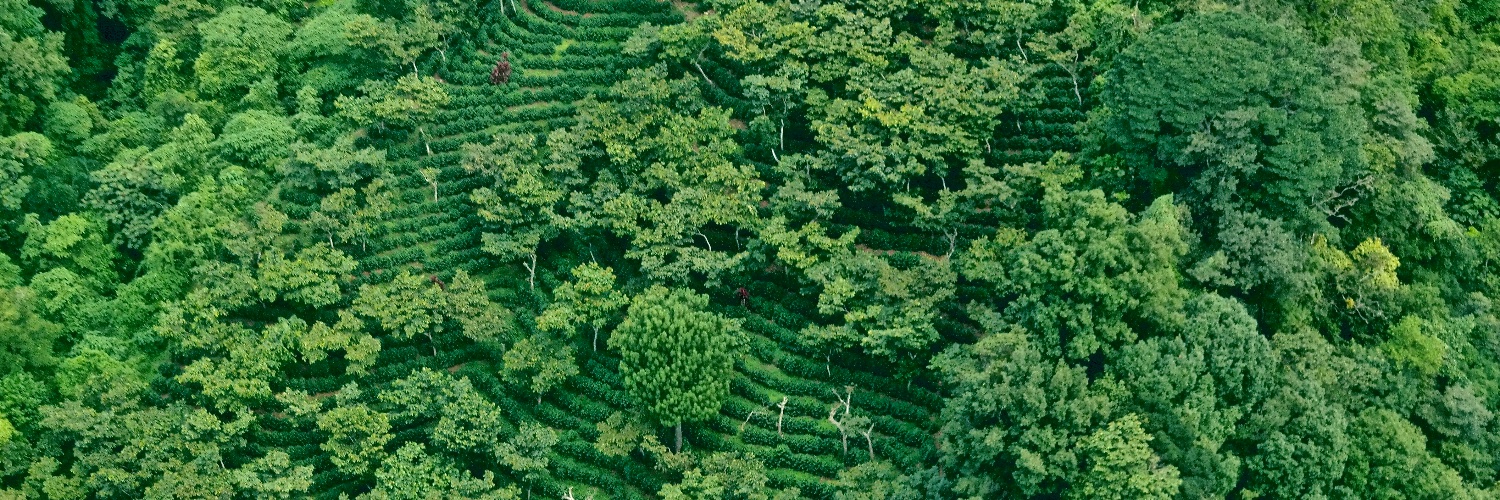
This former conventional coffee farm was completely reliant on ever-increasing applications of synthetic fertilizers, herbicides, and an aggressive rotation of fungicides just to break even in a good year. After a comprehensive and holistic transition, it has become one of the best examples of regenerative agriculture in the context of coffee—not to mention its breathtaking beauty. Here are a few highlights: –Synthetic NPK was phased out completely, with no drop in yield and a dramatic increase in quality. –Fungicides have been replaced with biological controls and nutrition to manage coffee leaf rust, which now has an incidence rate below 1% across the farm. Previously, it was as high as 40% annually while using more than five types of chemical fungicides. –The soil is now covered with a diverse perennial cover that enriches the soil microbiome, retains more water, increases nutrient cycling, and eliminates the need for herbicides. –The farm now produces prized hardwoods, unique spices, cacao, and a variety of fruits, along with its award-winning coffee. This has garnered support from long-term buyers and roasters who recognize the farm's immense value to the coffee world.
Sam Knowlton191,037 Aufrufe • vor 1 Jahr

A laser scan shows a plant root, in blue, enveloped by a mycorrhizal fungus, in red Mycorrhizal fungi provide plants with nutrients, water and defense from pathogens in exchange for sugars This image beautifully displays an ancient symbiosis where fungus and root become one
Sam Knowlton230,086 Aufrufe • vor 3 Jahren

This video shows real-time carbon flows inside a mycorrhizal network. Mycorrhizal fungi form a symbiotic relationship with ~ 90% of terrestrial plants and have done so for 400 million years. These specialized fungi provide plants with nutrients and water in exchange for carbon-based exudates the plant produces through photosynthesis. Current estimates say that between 4 and 20 percent of all CO2 pulled in by plants ends up stored in mycorrhizal tissues. Considering plants need to build an entire above-ground structure, a root system, and produce flowers, fruits, and seeds, this is an astounding amount of carbon to allocate to mycorrhizal biomass. A recent review study estimates that global plant communities transfer 13.1 gigatons of CO2 to the underground mycelium of mycorrhizal fungi each year – equivalent to roughly 1/3 of annual CO2 emissions from fossil fuels. The amount of time the carbon is locked up in fungi’s mycelium remains unknown. Nonetheless, the influx of such a massive amount of carbon into the soil is a boon for soil ecology, nutrient cycling, and the health of water cycles. It is no wonder the formation of terrestrial ecosystems largely started with the mycorrhizal fungi/plant partnership. Video credit: @rachaelcargill
Sam Knowlton188,132 Aufrufe • vor 3 Jahren

Fungi build the largest and fastest transportation systems on earth. Here nuclei containing DNA move through a mycelial network. The nuclei move much faster than microtubule motors allow other cellular cargo to travel. How and why the nuclei move faster is still a mystery.
Sam Knowlton78,781 Aufrufe • vor 3 Jahren

Over the course of 5 years, Fazenda Mata do Lobo in Goiás, Brazil, converted conventional corn and soy fields into a thriving agroforestry system featuring coffee. No longer mono-cropped, this system yields limes, mango, avocado, banana, several hardwood species, and specialty grade coffee. Coffee farming can be a catalyst for ecosystem restoration and the diverse and profitable production of several crops within the same system.
Sam Knowlton43,498 Aufrufe • vor 2 Jahren

This AI powered laser weeder uses high-resolution cameras and advanced computing to eliminate weeds with precision lasers. The laser weeder can hit up to 80 weeds per second, averaging 3,000 weeds per minute. The savings in weed control costs is as much as 80%.
Sam Knowlton22,908 Aufrufe • vor 1 Jahr

This is Hector. He grafts 700 coffee trees per day. Here he's grafting a locally adapted variety, selected for its exceptional flavor, onto the rootstock of a different species known for its vigorous root system. The resulting tree will have the best traits from both plants
Sam Knowlton28,917 Aufrufe • vor 3 Jahren
Keine weiteren Inhalte verfügbar