
Science Magazine's banner
Science Magazine's profile picture

Science Magazine

@ScienceMagazine4,586,792 subscribers

Cutting-edge research, news, commentary, and visuals from the Science family of journals. Follow @NewsfromScience for stories from our News team.

Shorts
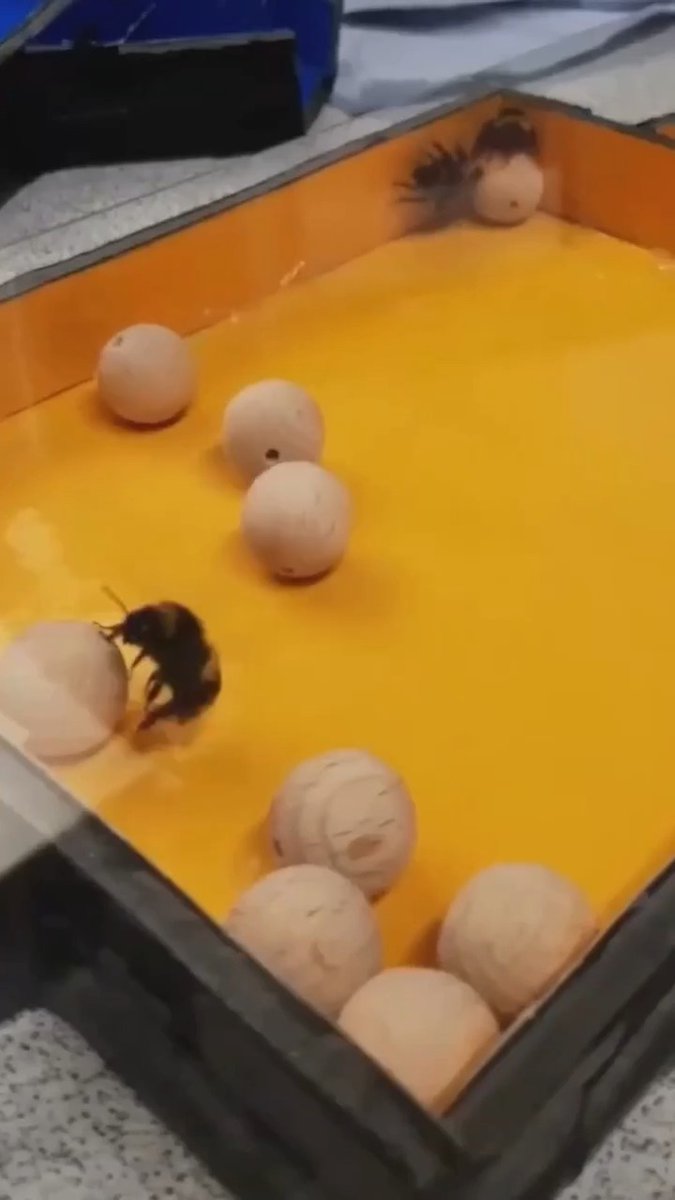
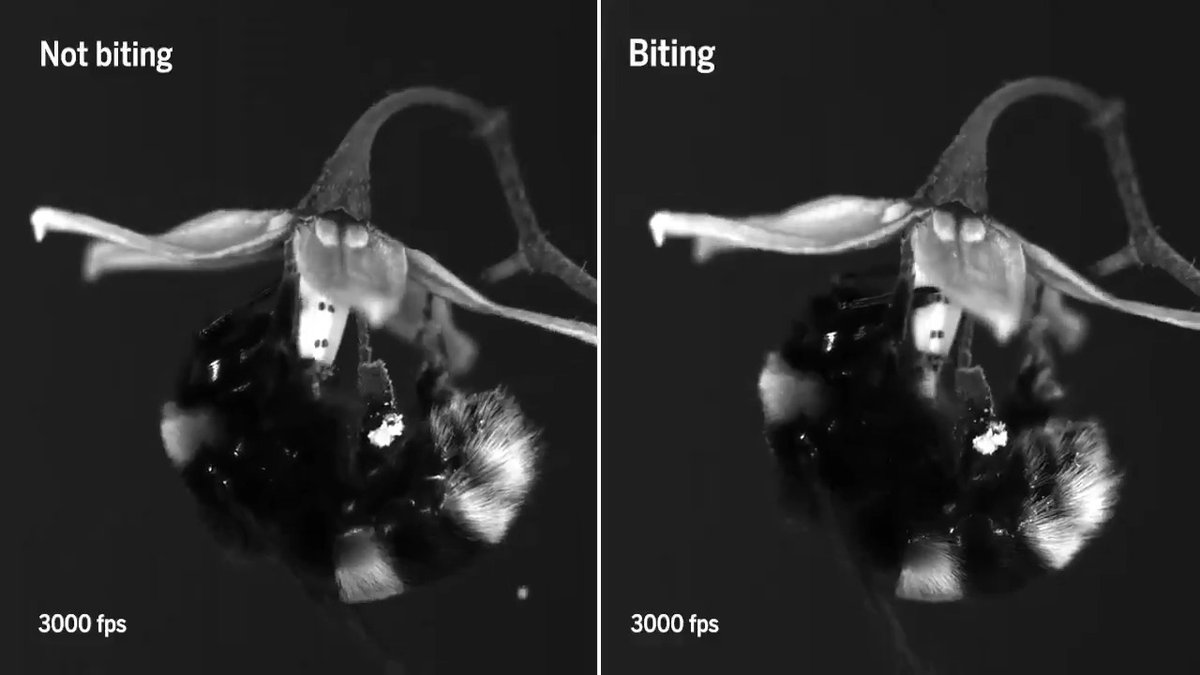
Lab-kept bumble bees roll small wooden balls around for no apparent purpose other than fun, a 2022 study revealed. Learn more on #WorldBeeDay:

Lab-kept bumble bees roll small wooden balls around for no apparent purpose other than fun, a 2022 study revealed. Learn more on #WorldBeeDay:

860,838 görüntüleme

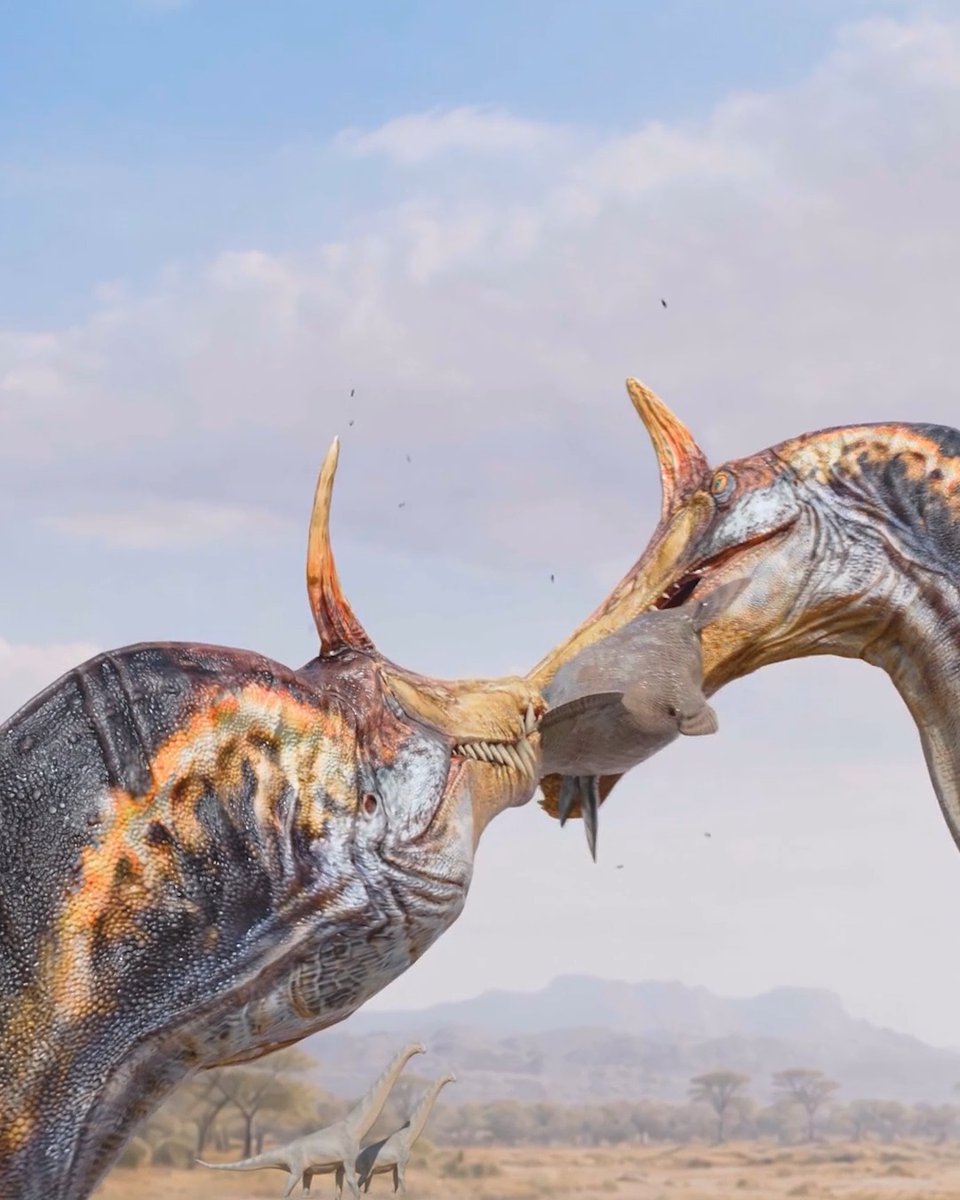
A new Spinosaurus species uncovered in northern Niger appears to have been a wading predator of fish like its close relatives, but it lived as many as 1000 kilometers inland from the Tethys Sea. The fossil find may represent a third phase of evolution for this group of massive, fish-eating dinosaurs. Learn more this week in Science:

A new Spinosaurus species uncovered in northern Niger appears to have been a wading predator of fish like its close relatives, but it lived as many as 1000 kilometers inland from the Tethys Sea. The fossil find may represent a third phase of evolution for this group of massive, fish-eating dinosaurs. Learn more this week in Science:

1,092,827 görüntüleme

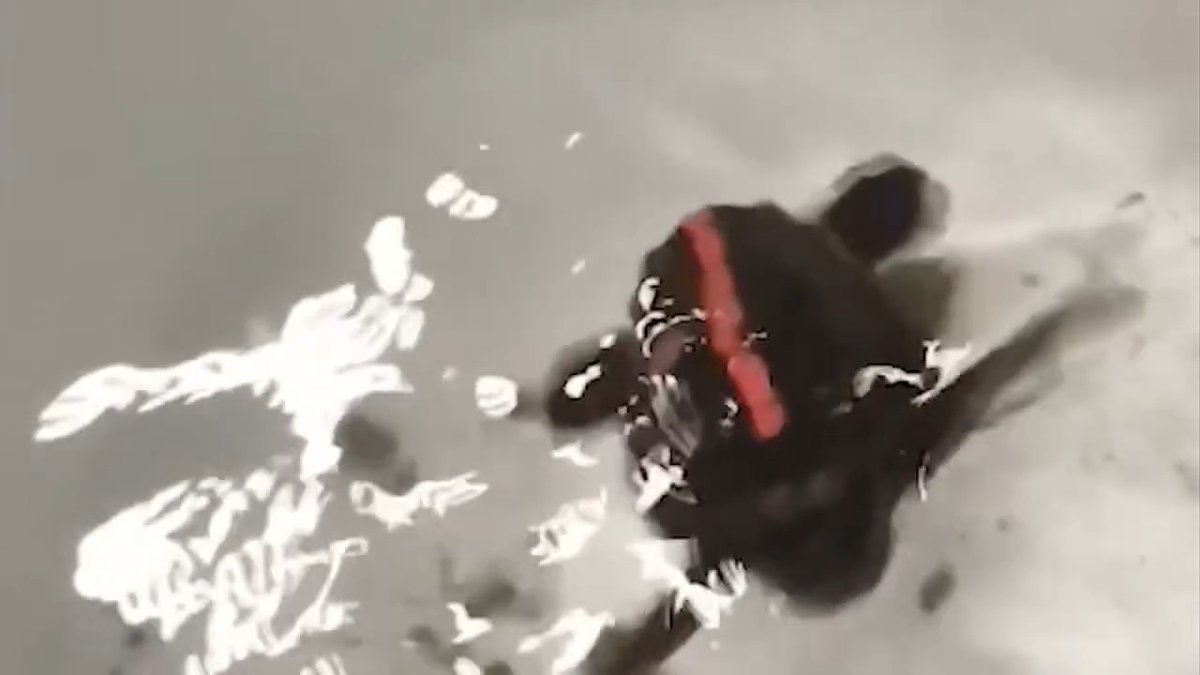
If the promise of a tasty meal makes you want to jump for joy, you may relate to the loggerhead turtle. These animals have an uncontrollable urge to dance whenever they anticipate food—a trait scientists used to test whether the reptiles can memorize their favorite feeding sites based on Earth’s magnetic fields. Learn more on #WorldTurtleDay:

If the promise of a tasty meal makes you want to jump for joy, you may relate to the loggerhead turtle. These animals have an uncontrollable urge to dance whenever they anticipate food—a trait scientists used to test whether the reptiles can memorize their favorite feeding sites based on Earth’s magnetic fields. Learn more on #WorldTurtleDay:

68,038 görüntüleme

Researchers have developed a #DeepLearning system called BioEmu that rapidly generates diverse protein conformations, enabling fast, accurate insights into protein flexibility and function. Learn more this week in Science:

Researchers have developed a #DeepLearning system called BioEmu that rapidly generates diverse protein conformations, enabling fast, accurate insights into protein flexibility and function. Learn more this week in Science:

470,280 görüntüleme

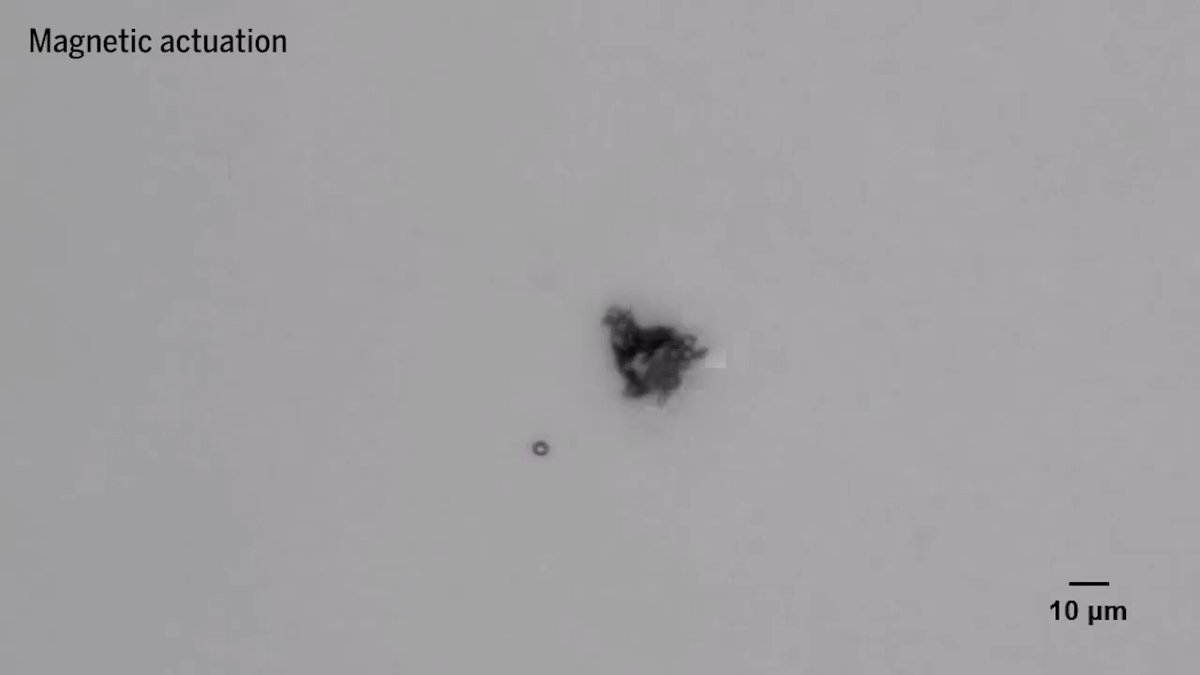
The better humans have gotten at making plastic, the more challenging it has been to unmake it—especially the pieces too small to see. Long after plastic bottles and bags break down, they keep fragmenting into particles so tiny, conventional filtration can’t touch them. They drift through treatment plants and into waterways unimpeded. There, they enter the food chain, and ultimately the body, where they have been found in human organs and are increasingly linked to various diseases such as cancer. Enter nanobots. In a new study, researchers show that tiny magnetic machines made of cagelike materials can tumble through water, sweeping up nanoplastics via the same electrostatic attraction that makes a balloon cling to your hair. Learn more: News from Science

The better humans have gotten at making plastic, the more challenging it has been to unmake it—especially the pieces too small to see. Long after plastic bottles and bags break down, they keep fragmenting into particles so tiny, conventional filtration can’t touch them. They drift through treatment plants and into waterways unimpeded. There, they enter the food chain, and ultimately the body, where they have been found in human organs and are increasingly linked to various diseases such as cancer. Enter nanobots. In a new study, researchers show that tiny magnetic machines made of cagelike materials can tumble through water, sweeping up nanoplastics via the same electrostatic attraction that makes a balloon cling to your hair. Learn more: News from Science

61,733 görüntüleme

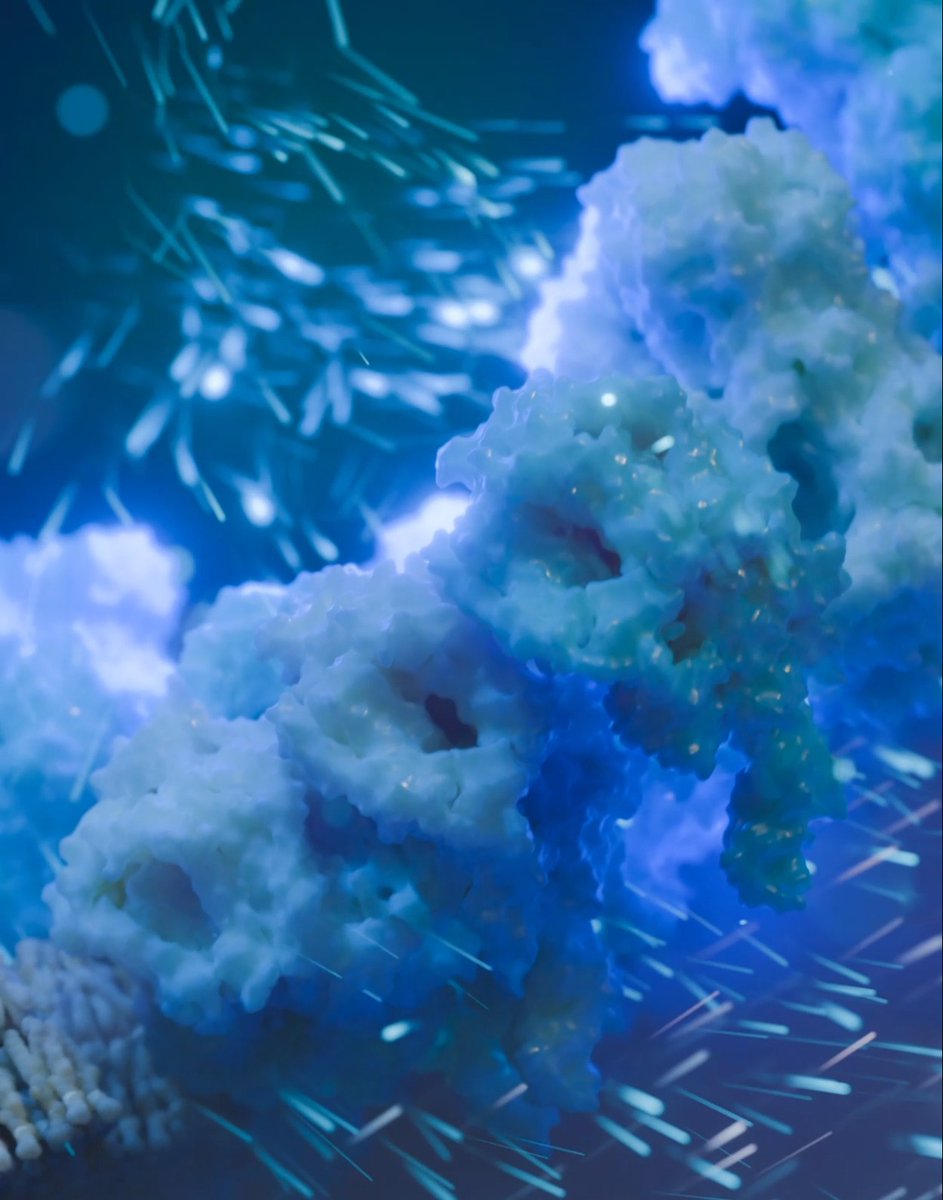
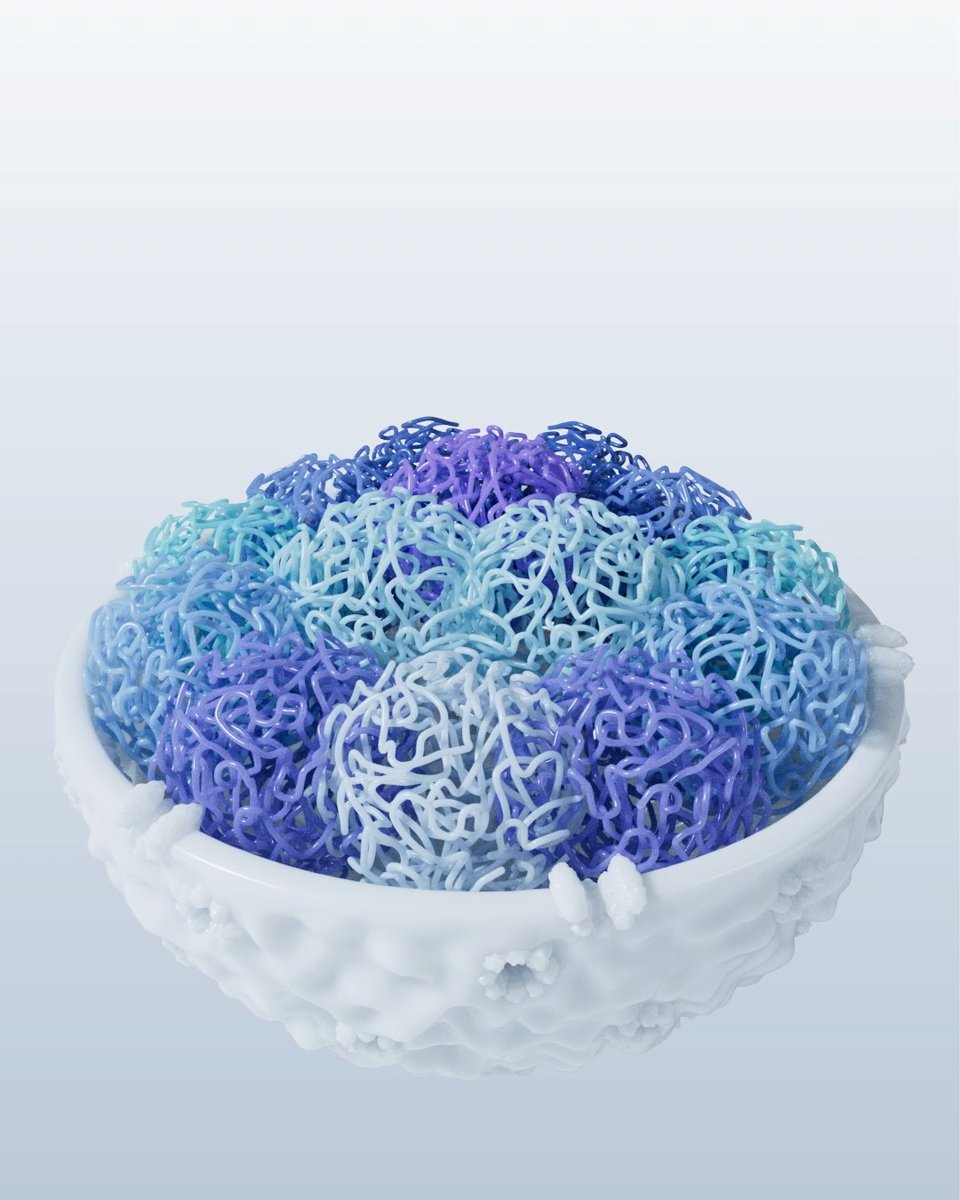
In mitochondria, respiratory supercomplexes (blue) pump protons across crista membranes to create an electrochemical gradient, fueling adenosine triphosphate (ATP) synthase (pink) to regenerate ATP—the energy currency of life. Now, cryo–electron tomography captures these supercomplexes in their native organization, illuminating how the coordinated action of these molecular machines drives life’s fundamental energy conversion. Learn more this week in Science:

In mitochondria, respiratory supercomplexes (blue) pump protons across crista membranes to create an electrochemical gradient, fueling adenosine triphosphate (ATP) synthase (pink) to regenerate ATP—the energy currency of life. Now, cryo–electron tomography captures these supercomplexes in their native organization, illuminating how the coordinated action of these molecular machines drives life’s fundamental energy conversion. Learn more this week in Science:

456,965 görüntüleme

Penguins are some of the world’s most charismatic birds. They look like they’re wearing suits. They appear to fly underwater. And they waddle like sumo wrestlers. Now, scientists say they’ve finally pinpointed the muscle behind this endearing gait: an enigmatic and long-misunderstood tissue that forces the bird’s lower limbs to stay close to its body near the knees. The adaptation not only contributes to penguins’ signature waddle, it also helps keep their bodies streamlined when underwater, allowing them to move efficiently on both land and sea. Learn more: News from Science

Penguins are some of the world’s most charismatic birds. They look like they’re wearing suits. They appear to fly underwater. And they waddle like sumo wrestlers. Now, scientists say they’ve finally pinpointed the muscle behind this endearing gait: an enigmatic and long-misunderstood tissue that forces the bird’s lower limbs to stay close to its body near the knees. The adaptation not only contributes to penguins’ signature waddle, it also helps keep their bodies streamlined when underwater, allowing them to move efficiently on both land and sea. Learn more: News from Science

40,728 görüntüleme

This week in Science, researchers delve into the #mathematics that shapes growing rose petals. 🌹 Explore our latest issue—featuring a new print design:

This week in Science, researchers delve into the #mathematics that shapes growing rose petals. 🌹 Explore our latest issue—featuring a new print design:

310,486 görüntüleme

Our 1 May 2025 issue introduces a print redesign—the magazine’s first redesign in 11 years. Developed entirely in-house, this project brought together our staff’s editorial and design expertise. (THREAD 🧵)

Our 1 May 2025 issue introduces a print redesign—the magazine’s first redesign in 11 years. Developed entirely in-house, this project brought together our staff’s editorial and design expertise. (THREAD 🧵)

286,940 görüntüleme

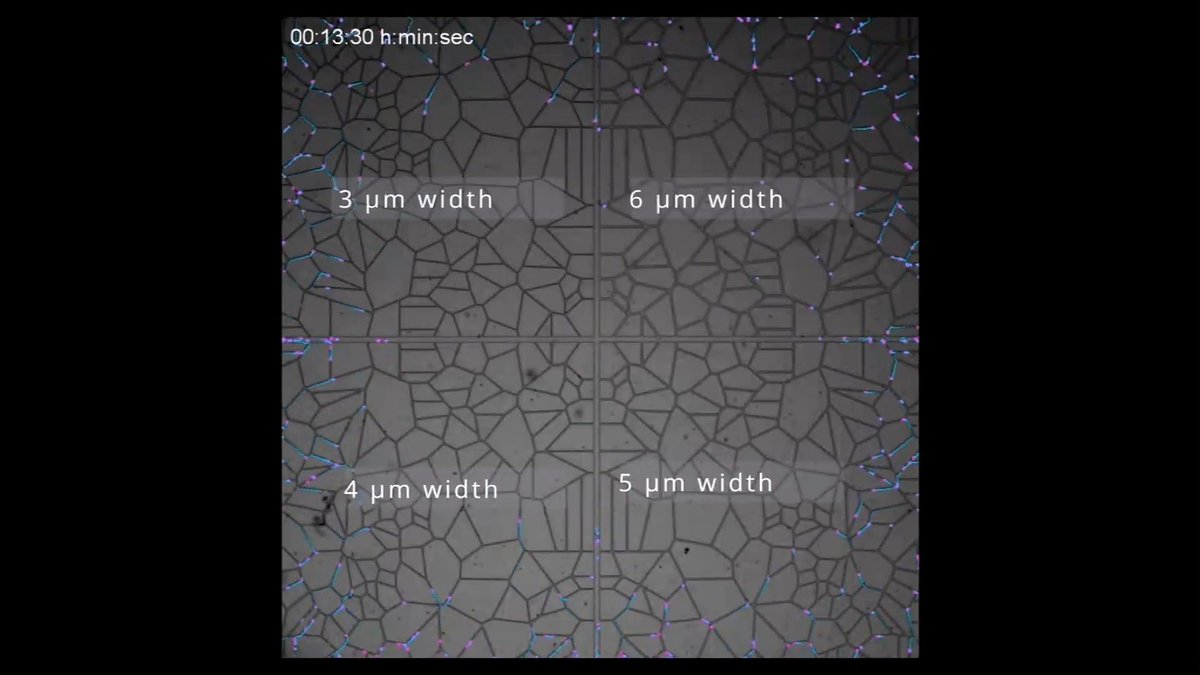
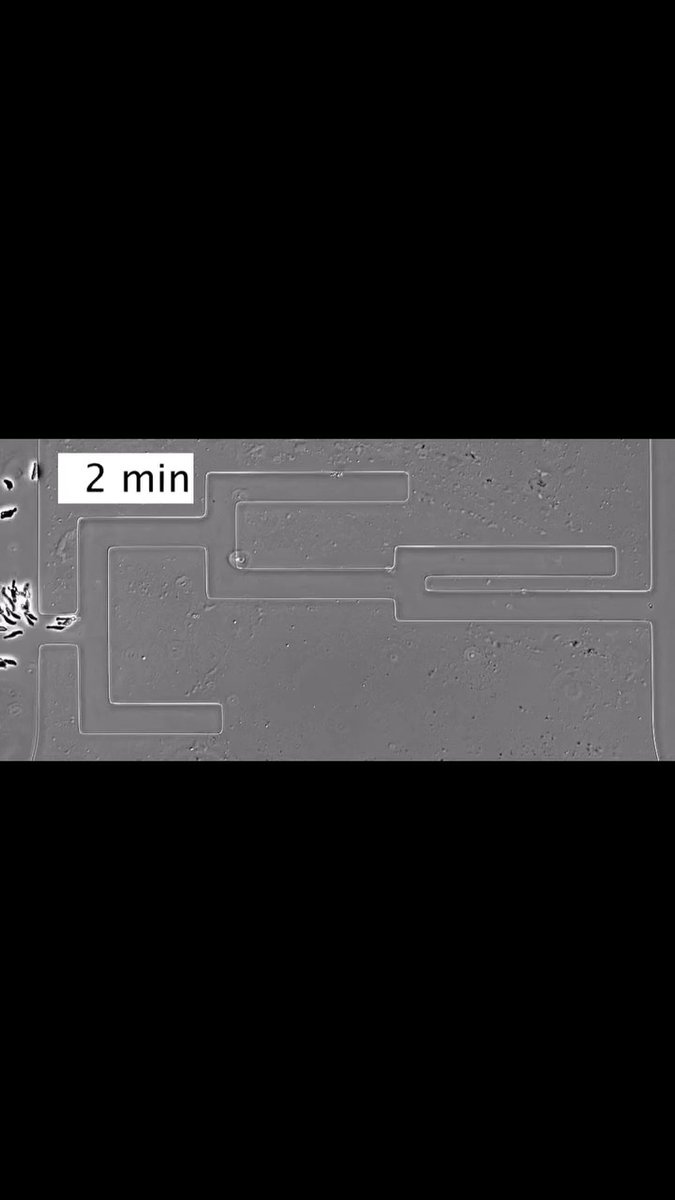
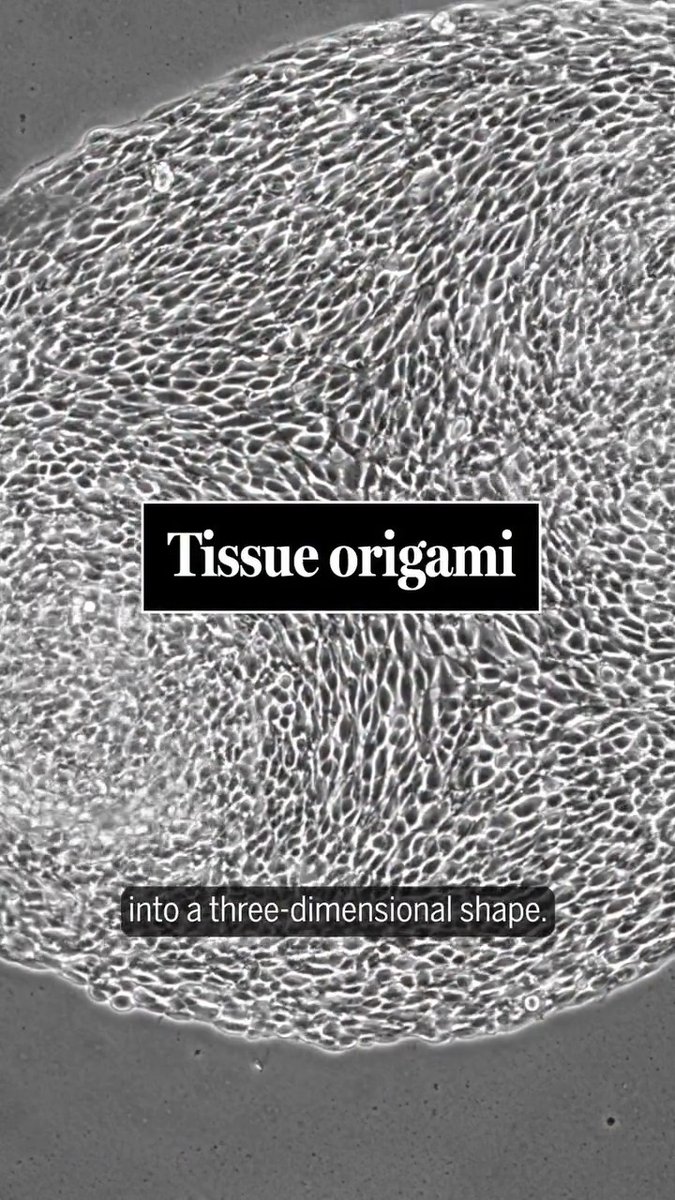
The tiny predator Lacrymaria olor owes its shape-shifting ability to an “origami-like” cellular architecture, a new Science study finds. The results offer a glimpse into geometrical control of behavior in single cells. Learn more in this week's issue:

The tiny predator Lacrymaria olor owes its shape-shifting ability to an “origami-like” cellular architecture, a new Science study finds. The results offer a glimpse into geometrical control of behavior in single cells. Learn more in this week's issue:

433,037 görüntüleme

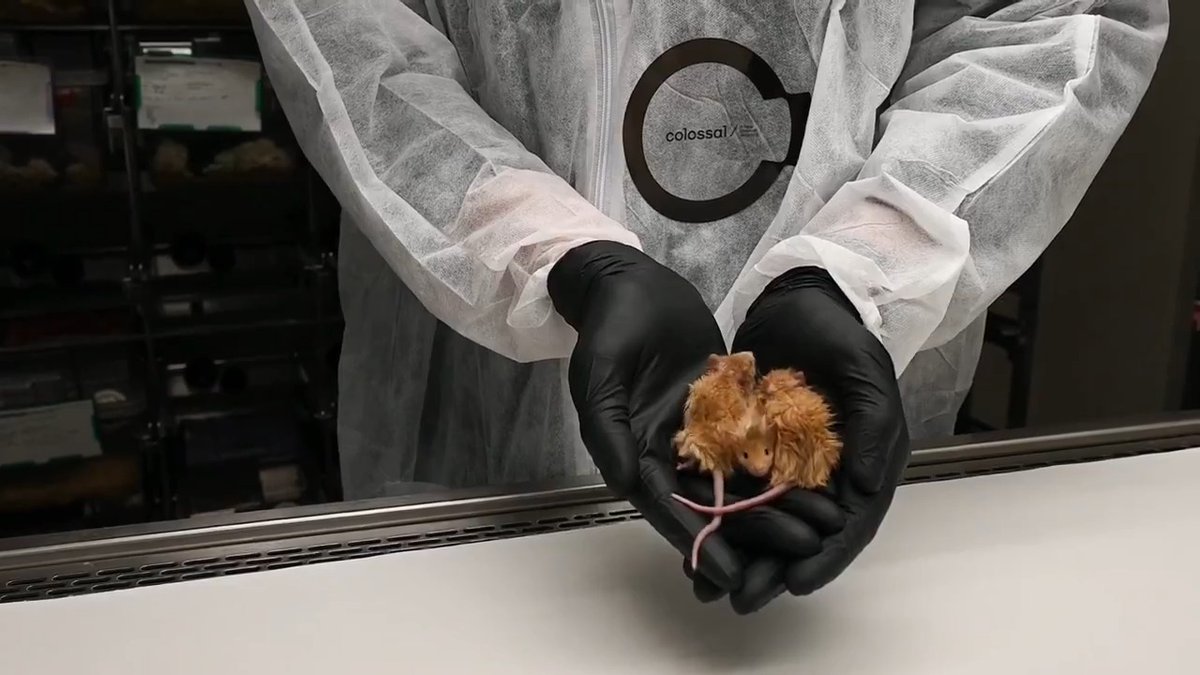
Researchers have genetically altered a mouse to express traits reminiscent of the long-extinct woolly mammoth, including a long, coarsely textured coat, to create the woolly mouse. News from Science

Researchers have genetically altered a mouse to express traits reminiscent of the long-extinct woolly mammoth, including a long, coarsely textured coat, to create the woolly mouse. News from Science

177,053 görüntüleme

A new approach uses diffused orientation fields to help robots transfer skills across curved objects of diverse shapes and sizes, enabling them to peel and slice varied fruits and vegetables. Learn more in Science Robotics:

A new approach uses diffused orientation fields to help robots transfer skills across curved objects of diverse shapes and sizes, enabling them to peel and slice varied fruits and vegetables. Learn more in Science Robotics:

18,401 görüntüleme

A recent Science Robotics study demonstrates that haptic feedback from wearable upper body exoskeletons can improve coordination between violin duos more effectively than visual cues. Learn more:

A recent Science Robotics study demonstrates that haptic feedback from wearable upper body exoskeletons can improve coordination between violin duos more effectively than visual cues. Learn more:

24,133 görüntüleme

Some microorganisms may have little trouble surviving being blasted into space on planetary debris when an asteroid hits. That finding comes from subjecting a particularly hardy species of desert bacteria to a simulation of the immense forces produced by an asteroid collision. The research lends support to the idea that life jettisoned off world could spread to and seed new worlds by clinging to space rocks. Learn more: News from Science

Some microorganisms may have little trouble surviving being blasted into space on planetary debris when an asteroid hits. That finding comes from subjecting a particularly hardy species of desert bacteria to a simulation of the immense forces produced by an asteroid collision. The research lends support to the idea that life jettisoned off world could spread to and seed new worlds by clinging to space rocks. Learn more: News from Science

34,338 görüntüleme

A recent Science Robotics study demonstrates that haptic feedback from wearable upper body exoskeletons can improve coordination between violin duos more effectively than visual cues. Learn more:

A recent Science Robotics study demonstrates that haptic feedback from wearable upper body exoskeletons can improve coordination between violin duos more effectively than visual cues. Learn more:

24,218 görüntüleme

Researchers reported last year that Ethiopian wolves enjoy licking nectar from red hot poker flowers, documenting this behavior for the first time in a large predator. Learn more: #ScienceMagArchives

Researchers reported last year that Ethiopian wolves enjoy licking nectar from red hot poker flowers, documenting this behavior for the first time in a large predator. Learn more: #ScienceMagArchives

62,598 görüntüleme

Free housing. Free food. Free protection from predators. There are a lot of perks for beetles and other tiny organisms that live covertly inside ant colonies. But as it turns out, there is a potential downside, too: no way out. Researchers report that a species of rove beetle has taken a one-way evolutionary journey, evolving a clever way to disguise itself that it’ll never be able to undo. If they ever stop refreshing their cloak, they will die. The findings convincingly show how tight knit ecological cohabitation can become locked in. Learn more:

Free housing. Free food. Free protection from predators. There are a lot of perks for beetles and other tiny organisms that live covertly inside ant colonies. But as it turns out, there is a potential downside, too: no way out. Researchers report that a species of rove beetle has taken a one-way evolutionary journey, evolving a clever way to disguise itself that it’ll never be able to undo. If they ever stop refreshing their cloak, they will die. The findings convincingly show how tight knit ecological cohabitation can become locked in. Learn more:

38,295 görüntüleme

A new Science Robotics study highlights electrofluidic fiber muscles that can support flexion and extension of a robot arm for a human handshake.

A new Science Robotics study highlights electrofluidic fiber muscles that can support flexion and extension of a robot arm for a human handshake.

20,365 görüntüleme

Up close, the army ant Eciton hamatum is part monster, part marvel. Curved mandibles jut from its bulbous head like a pair of scimitars. Six whip-thin legs, bristling with hairs and spines, suspend its slender thorax above the ground. Then there are the insect’s innards—the tiny brain, the musculature filling virtually every nook and cranny of the exoskeleton, the digestive tract like a thread running the length of the body. The view of this species, and 791 others, comes thanks to a particle accelerator and years of painstaking work by a team of biologists. Learn more: News from Science

Up close, the army ant Eciton hamatum is part monster, part marvel. Curved mandibles jut from its bulbous head like a pair of scimitars. Six whip-thin legs, bristling with hairs and spines, suspend its slender thorax above the ground. Then there are the insect’s innards—the tiny brain, the musculature filling virtually every nook and cranny of the exoskeleton, the digestive tract like a thread running the length of the body. The view of this species, and 791 others, comes thanks to a particle accelerator and years of painstaking work by a team of biologists. Learn more: News from Science

22,621 görüntüleme

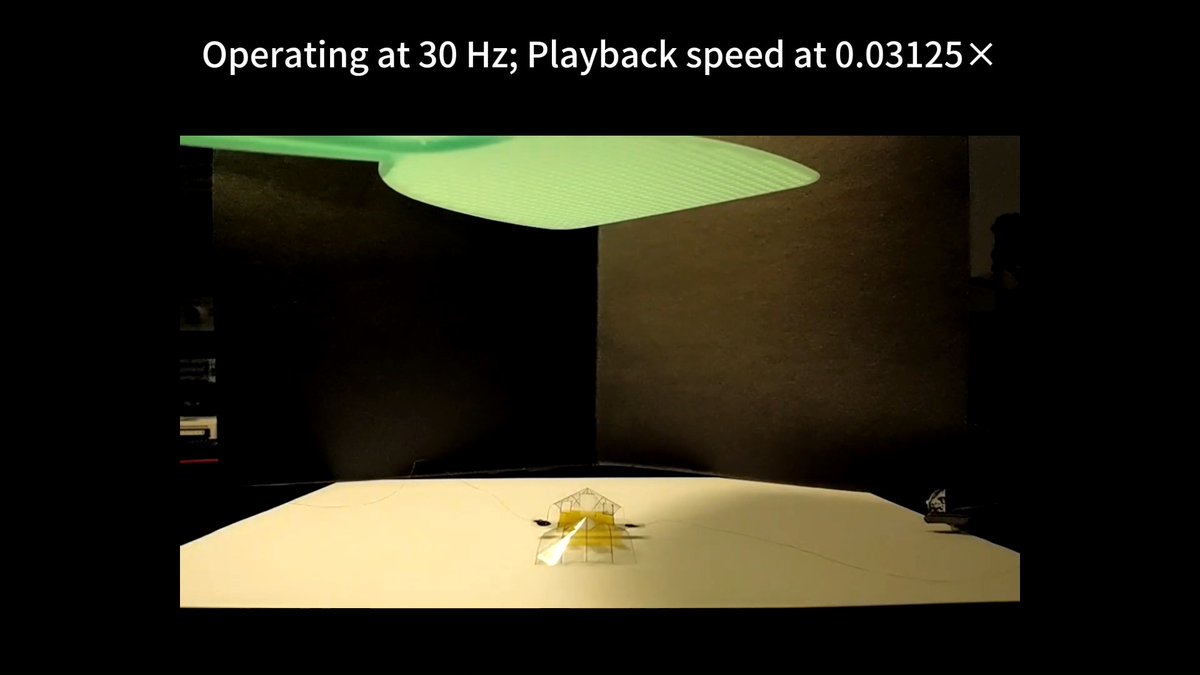
Using the math of general relativity, researchers can design light patterns that guide a robot, as if it were a spacecraft bending through curved space toward a black hole. Learn more: News from Science

Using the math of general relativity, researchers can design light patterns that guide a robot, as if it were a spacecraft bending through curved space toward a black hole. Learn more: News from Science

55,419 görüntüleme

Videos