正在加载视频...
视频加载失败
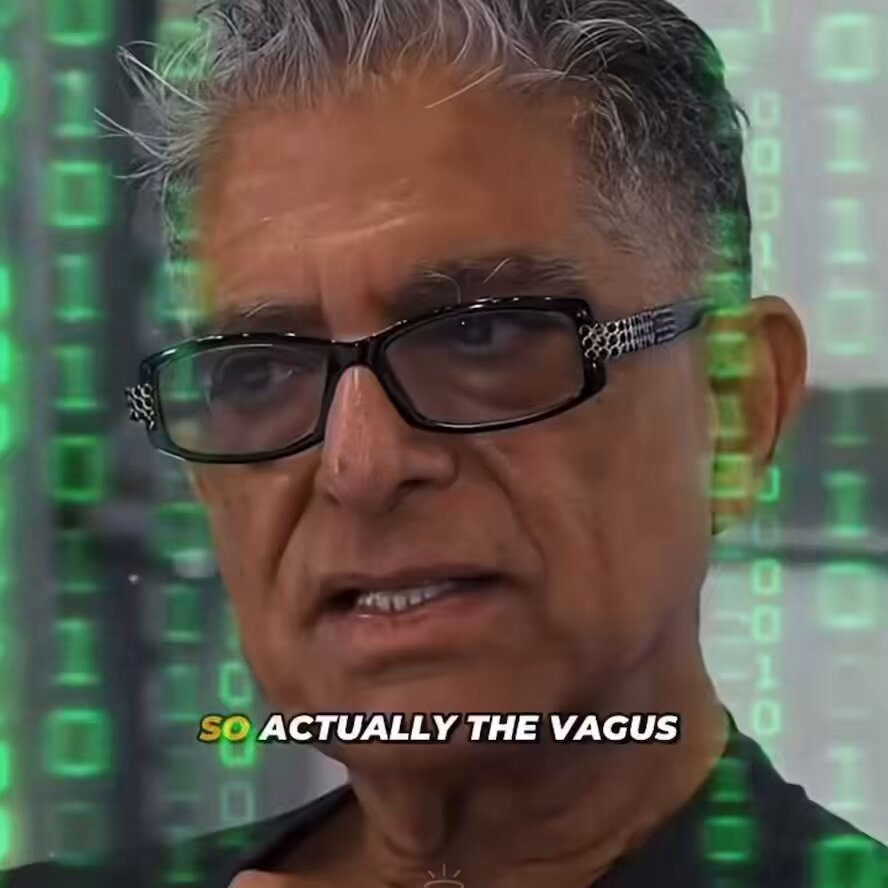
30-second reset to switch off stress instantly Scientifically, slow breathing signals the vagus nerve to calm your nervous system. Spiritually, one conscious breath brings the mind back to the present where fear dissolves. Bookmark 🔖 the video before it’s disappeared. Share with your friends and family who badly need... show more

92,405 次观看 • 8 个月前 •via X (Twitter)
34 条评论

Check this too

The mechanism here is precise: slow exhalation at ~6 breaths/min hits the exact frequency that maximizes vagal afferent signaling to the nucleus tractus solitarius. This triggers a parasympathetic cascade — dropping heart rate, cortisol, and amygdala reactivity within seconds. Not mysticism. Pure neuroanatomy.

Imagine stress leaving your body with every exhale. That’s real power.

12 Ways to Supercharge Your Vagus Nerve! | Vagus nerve stimulation

@grok summarize the steps of the technique please

Very good information

A deep breath can be a bridge back to the Self.

Very important information

@MemeDialogues Must watch video

@MemeDialogues Must watch

@grok please find the video on YouTube

Bahut acchi trik hai

30 second trick an it’s a 15 minute video

Very nice information must watch

Very effective this is

Very Good information

It is knowledgeable video must watch every one person.

I saw it is 14 mins and gave me anxiety

Interesting

@grok generate the steps to do this exercise.

Very nice information

This will helps many

@grok please sum up the video

One slow breath now; stress melts, presence returns.

@MemeDialogues बिलकुल सही कहा आपने आयुष्य भी बढ़ता है इससे ।

As usual—- very useful thanks 🙏

@MemeDialogues Slow breathing is very effective

@MemeDialogues Very important information

Great information

Thank you fo this and more like this pls😊

Sanatan Dharm ki Jay Ho

Very informative post

Very informative post must watch this

Nice post