Video wird geladen...
Video konnte nicht geladen werden
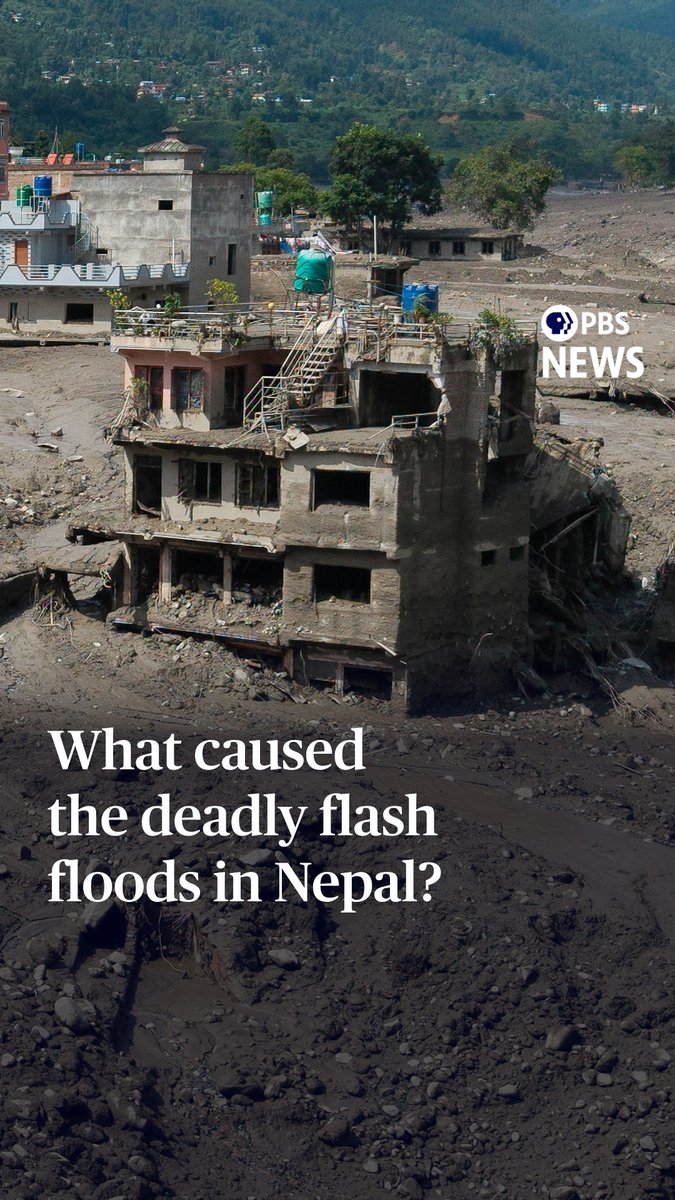
6 days ago, a glacier collapse triggered a catastrophic flash flood in Nepal/Tibet. Our FRM group at Hochschule Magdeburg-Stendal did a 2D hydrodynamic hindcast via ProMaIDes. The modeled numbers are frightening. 👇 /1 #NepalFlood #Hydrology #Simulation

96,268 Aufrufe • vor 3 Tagen •via X (Twitter)
0 Kommentare
Keine Kommentare verfügbar
Kommentare vom Original-Post werden hier angezeigt




![Scientists now believe the catastrophic flash flood on the Nepal-China border that left more than 353 people dead and over 1,300 still missing was caused by a 2,000-foot-wide chunk of ice that broke off a glacier and fell to the valley below. This is known as a glacier collapse. The immense block of ice plummeted 4,000 feet down, pulverizing on impact and mixing with mud and rocks to create a fast-moving, 250-foot-tall wall of debris that tore through riverside settlements at speeds of 44 mph. The sheer force of the landslide was so immense that it generated a 5.2 magnitude earth quake. [The initially video I shared, which has been taken down was from a different glacier collapse that occurred in Chile].](https://image.24vids.com/tw-2092945950721355966/amplify_video_thumb/2092945925165428736/img/RwRFwNpdDin4DqMe.jpg)