Loading video...

Video Failed to Load

Go Home

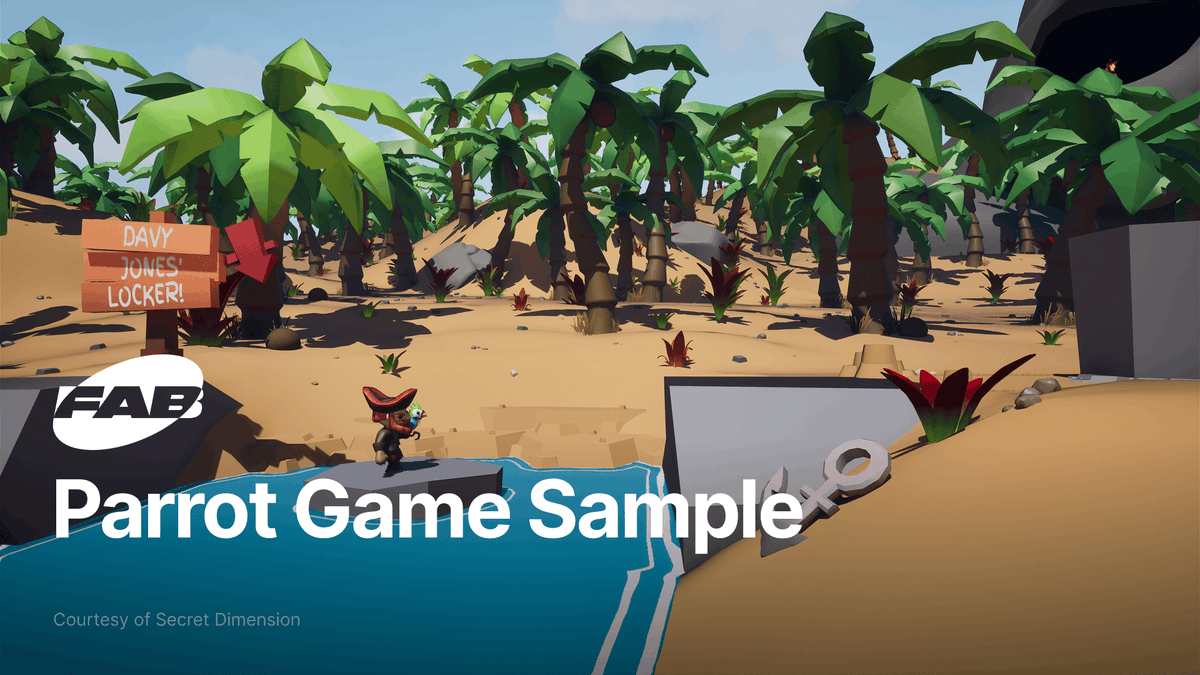
A few months ago, I bought this small game called Thronefall. Loved it. Turns out, it was built by only two developers, and sold close to 1M copies. How did they do it? In today's The Pragmatic Engineer Podcast episode, we have Jonas Tyroller , one of the two...

13,464 views • 1 year ago •via X (Twitter)

2 Comments

Tiger Abrodi's profile picture
Tiger Abrodi1 year ago

@JonasTyroller nice i wanna build my own game + game engine one day this is good and inspiring

Jordan Ross's profile picture
Jordan Ross1 year ago

My LinkedIn account got suspended today We onboarded a new admin to run outreach and he didnt follow the SOP He wanted to prove himself First thing we did was review how to mitigate this from happening again (after he got fired) Here is what I came up with: 1- Build a new onboarding form via ChatGPT 2-Put in specific points that talent needs to acknowldge "I acknowledge that if I cause a suspension on the linkedin account due to sending more requests than I am told it will lead to auto termination and a 1 star review on my upwork profile" Attack the process Not the people Ops brain at work over here

Related Videos

Announcing the BOOM DAO GRANT PROGRAM!📢🚨🚀 The BOOM Grant Program is designed to accelerate the expansion of the BOOM ecosystem and enhance the broader Internet Computer ecosystem by empowering game developers to create exceptional video games on the BOOM World Protocol. By offering grants, the program encourages developers to innovate and build engaging gaming experiences that integrate seamlessly with the BOOM Gaming Guild. Game developers who participate in the BOOM Grant Program have the opportunity to integrate quests from the BOOM Gaming Guild into their games. This integration not only enriches the BOOM game platform but also rewards gamers and developers. Additionally, by incorporating BOOM Gaming Guild quests, developers can tap into the extensive Gaming Guild userbase, potentially acquiring thousands of new users. This synergy creates powerful network effects that benefit both the BOOM ecosystem and the Internet Computer ecosystem at large. Grantees can also give back to BOOM DAO through future token launches or NFT launches. The program seeks to make building games on ICP more accessible and appealing by providing the necessary financial, tech, and marketing support to promising teams and individuals. Through this initiative, game developers are equipped with the resources they need to bring their visionary games to life, contributing to interconnected gaming community on the Internet Computer blockchain. Focus Areas for the Grants 👉 Building simple, fun, casual, and visually beautiful 3D minigames using the BOOM Minigame Template, which automatically integrates ICP login and quests in the BOOM Gaming Guild. 👉 Integrating the BOOM Unity Package into your existing Unity game, deploying it on ICP using WebGL, and creating quests in the BOOM Gaming Guild for it. 👉 All games must meet the requirements of having high-quality graphics, easy-to-learn gameplay, built in Unity, optimized for WebGL, and a focus on a crypto-native user base. 👉 Overly complex games (eg. Advanced Strategy games) or visually boring games (eg. 2D or cheap graphics) will be rejected. Grant Application Process A motion proposal must be made by the game development team or individual to the BOOM SNS DAO with a detailed breakdown of their funding tier and the milestones of their grant application. This is subject to the DAO voting for approval. We are currently offering three funding tiers, and ask you to tailor your application and scope of work accordingly: 👉 5,000 USD - Your work should be scoped according to a 1-2 month timeline. 👉 10,000 USD - Your work should be scoped according to a 2-3 month timeline. 👉 25,000 USD - Your work should be scoped according to a 3-4 month timeline. More than 1 game can be built during the process of a grant, in fact BOOM DAO encourages teams to build as many high-quality games as they can during a grant timeline. The more games that can be built during a grant, the more games that are growing the BOOM ecosystem. Each grant will consist of 4 milestones, with funding being distributed in 4 equal increments. Each milestone will be accountable to a motion proposal with a detailed progress update and links to any deliverables available to review. After each milestone has been reached and approved through the motion proposal, a transfer proposal can be made for ICP tokens from the treasury using the USD value on the day of distribution. Let's grow the ICP and BOOM DAO gaming ecosystem! 🎮🌏

BOOM DAO

12,041 views • 2 years ago

In May 2023, a live streaming world record was set with 32 million concurrent viewers watching the finale of the IPL cricket game. How was this system built? Ashutosh Agrawal was the architect behind this system, and he walks us through how live streaming at scale works, how the system was built and tested, and other interesting learnings. Watch or listen: • YouTube: • Spotify: • Apple: --- Brought to you by our wonderful sponsors: • WorkOS — The modern identity platform for B2B SaaS • CodeRabbit — Cut code review time and bugs in half (use the code PRAGMATIC to get one month free) • Augment Code — AI coding assistant that pro engineering teams love --- Three of my biggest takeaways: 1. The architecture behind live streaming systems is surprisingly logical. In the episode, Ashutosh explains how the live streaming system works, starting from the physical cameras on-site, through the production control room (PCR), streams being sliced-and-diced, and the HLS protocol (HTTP Live Streaming) used. 2. There are a LOT of tradeoffs you can play with when live streaming! The tradeoffs between server load, latency, server resources vs client caching are hard decisions to make. Want to reduce the server load? Serve longer chunks to clients, resulting in fewer requests per minute, per client… at the expense of clients potentially lagging more behind. This is just one of many possible decisions to make. 3. “Game day” is such a neat load testing concept. The team at Jio would simulate “game day” load months before the event. They did tell teams when the load test will start: but did not share anything else! Preparing for a “Game day” test is a lot of work, but it can pay off to find parts of the system that shutter under extreme load. See more takeaways and a summary here: Thanks Ashutosh for all these behind-the-scene details!

Gergely Orosz

50,597 views • 1 year ago