Video wird geladen...
Video konnte nicht geladen werden
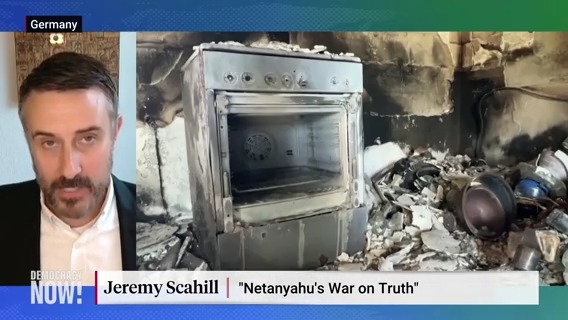
A new exposé by The Intercept has found major discrediting flaws in The New York Times’ December investigation claiming that Hamas committed systemic rape on October 7. We speak to reporter jeremy scahill about the grave errors and misinformation his team found.

888,019 Aufrufe • vor 2 Jahren •via X (Twitter)
10 Kommentare

The New York Times investigation was published and heavily promoted even though it appears to have violated the paper's own reporting standards. It then “played a very, very significant role” in “Israel’s genocidal attack against the people of Gaza.”
Lead reporter Jeffrey Gettleman recently suggested, while discussing the piece, that it was not his job as a journalist to produce evidence. Internally, The New York Times "couldn’t actually stand up the claims," explains @ryangrim, co-author of @theintercept’s investigation.

@theintercept @jeremyscahill I have found major flaws in the way you’re characterizing the reporting around this story:

@theintercept @jeremyscahill

@theintercept @jeremyscahill The Intercept intercepted credit for this story

@theintercept @jeremyscahill @TheGrayzoneNews @MaxBlumenthal @aaronjmate and @intifada broke this MONTHS AGO.

@theintercept @jeremyscahill Actually, @TheGrayzoneNews @intifada @Mondoweiss @zei_squirrel broke the story not @theintercept you should give credit to where credit is due. Shame on all of you.

@theintercept @jeremyscahill The intercept didn't find anything. This finding was the hard work of @TheGrayzoneNews and @intifada . Why not give credit where credit is due, Amy?

@theintercept @jeremyscahill Why are you giving the tools at the Intercept credit for something @TheGrayzoneNews broke a while ago? Cause Democracy Now! is an establishment outlet itself. HACKS!

@theintercept @jeremyscahill Why not speak with the Grayzone (@TheGrayzoneNews) guys too? They were first, and correct.