Загрузка видео...

Не удалось загрузить видео

На главную

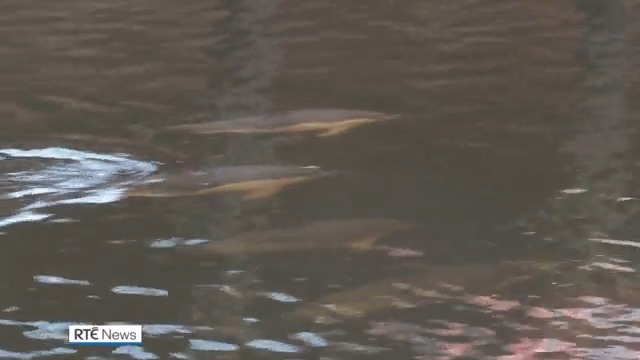
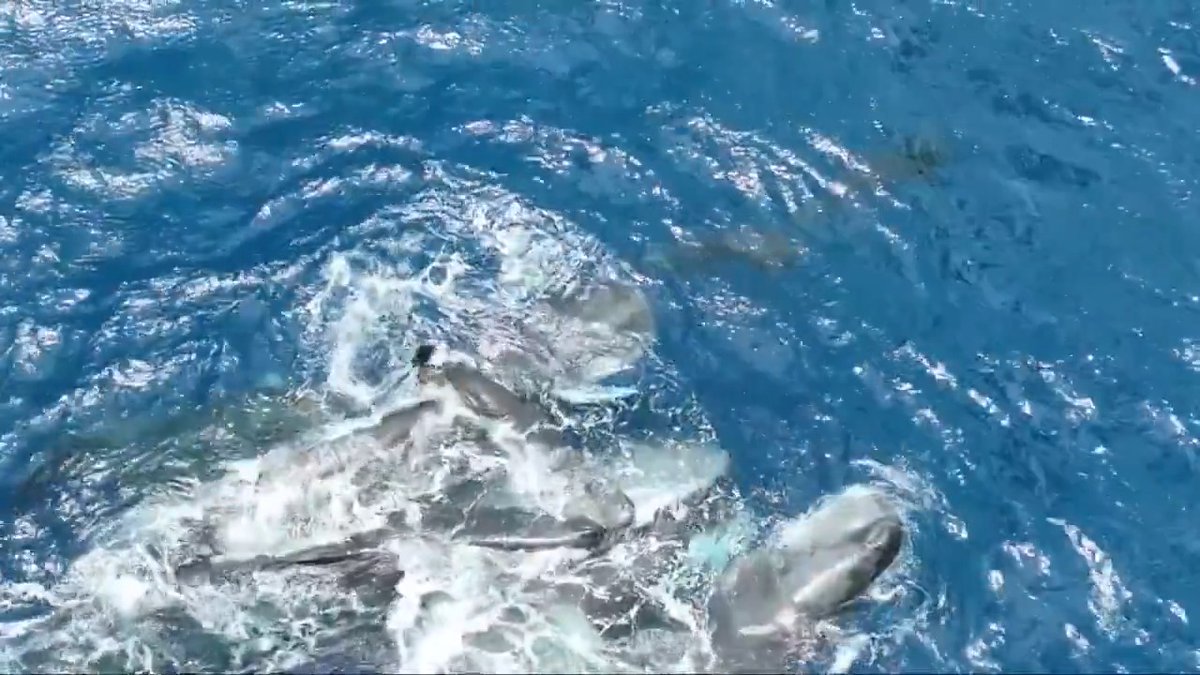
A once-in-a-lifetime encounter from the deck! 🛳️❄️ These aren't your typical orcas—this is a pod of the elusive Type D Killer Whales riding alongside the ship's wave in the sub-antarctic waters. Known for their blunt heads and tiny white eye patches, they are one of the least-studied and rarest...

80,838 просмотров • 3 месяцев назад •via X (Twitter)

Комментарии: 0

Нет доступных комментариев

Здесь появятся комментарии из оригинального поста

Похожие видео

Killer Whales: The Ocean’s Unchallenged Rulers Who Never Hunt Humans In the icy waters of Antarctica, a pod of Type B1 killer whales suddenly surrounded a small zodiac boat. One after another, they rose vertically from the water, staring straight into the camera lens just a few meters away. Their cold eyes, massive bodies, and distinctive yellowish tint from the frigid seas sent a chill through anyone watching. Yet they did not attack. They simply observed, then quietly swam away. The name “killer whale” does not come from any history of killing people. Centuries ago, European sailors and whalers watched these black-and-white pods work together to bring down enormous whales. They called them “whale killers.” When the phrase was translated into English, it was reversed into “killer whales.” Their scientific name, Orcinus orca, is even more striking: Orcinus derives from Orcus, the Roman god of the underworld and death. In other languages they are known as “assassin whales,” “blubber choppers,” or “the feared ones.” All of these names reflect their position at the very top of the food chain—not any danger they pose to humans. In the wild, there has never been a confirmed fatal attack on a human by a free-ranging killer whale. They may occasionally bite a surfer in a black wetsuit, mistaking them for a seal, or ram the rudders of sailboats out of curiosity, but humans have never been part of their diet. The reason lies in their intelligence and culture. Each orca pod specializes in particular prey over generations—fish, seals, penguins, or even sharks. Humans simply do not appear in those hunting traditions. The whales recognize the difference and choose observation over attack. Yet once they enter their underwater realm, killer whales become absolute masters. They have no natural predators. They can hunt everything from small fish to blue whales, and they have repeatedly taken down great white sharks—the animals once regarded as the ocean’s supreme predators. Off the coast of South Africa, famous orcas such as Port and Starboard have systematically killed great whites solely for their energy-rich livers. In one documented case, a single orca ended the life of a young great white in under two minutes. In the Gulf of California, pods have been recorded flipping sharks onto their backs to induce tonic immobility before extracting the liver. As a result, many former great-white strongholds now stand empty, triggering cascading changes throughout the ecosystem. The Type B1 orcas in this video are a vivid example of this specialization. Living among the pack ice of Antarctica, they developed the remarkable “wave-washing” technique: the entire pod swims in coordinated formation to generate powerful waves that wash seals off ice floes into the water. Spyhopping—raising the head above the surface to look around—is their visual reconnaissance before an attack. When they applied the exact same behavior to the zodiac boat, viewers understood clearly: these animals possess more than enough power to do whatever they wish. Yet they choose not to. That is the terrifying beauty of the killer whale. They represent a perfect fusion of primal strength, high intelligence, and absolute self-control. The name “killer” is not meant to threaten us; it honors their unchallengeable status in the ocean.

Nature 🦜and Music 🎶

152,826 просмотров • 28 дней назад

CAPTAIN PAUL WATSON TO RETURN THIS YEAR TO THE SOUTHERN OCEAN TO STOP THE RETURN OF THE JAPANESE WHALING FLEET Japan has declared war on the whales of the Southern Ocean Whale Sanctuary. The have completed the construction of the 9, 300 ton, 112 meters long factory ship Kangei Maru. There is only one purpose for such a huge fast long range whaling processing ship and that is to hunt and kill whales in the Southern Ocean Whale Sanctuary. The Captain Paul Watson Foundation and Neptune’s Pirates have secured a fast long range ship that can allow us to aggressively intervene. Captain Watson will lead the campaign with a courageous crew of veteran Southern Ocean anti-whaling activists. “The Japanese whalers are planning to target endangered Fin whales. We intend to stop them,” says Captain Watson. In an absurd statement Kyodo Senpaku President Hideki Tokoro told a press conference in the western port city of Shimonoseki. “It’s important to protect marine resources, and we are the ones responsible for that, I believe that continuing (whaling) will benefit both Japan and the world.” Protecting whales by killing whales is illogical. It is also illegal. There is a global moratorium on commercial whaling, Fin whales are endangered, and it is unlawful to kill whales in the Southern Ocean Whale Sanctuary. It’s been ten years since Captain Watson confronted the Japanese whalers in the waters of Antarctica. He and his crew are ready for the challenge. Your support is crucial for this mission. Donate now by clicking here:

Captain Paul Watson Foundation 🐋🏴‍☠️

39,361 просмотров • 2 лет назад