Video yükleniyor...

Video Yüklenemedi

Ana Sayfaya Dön

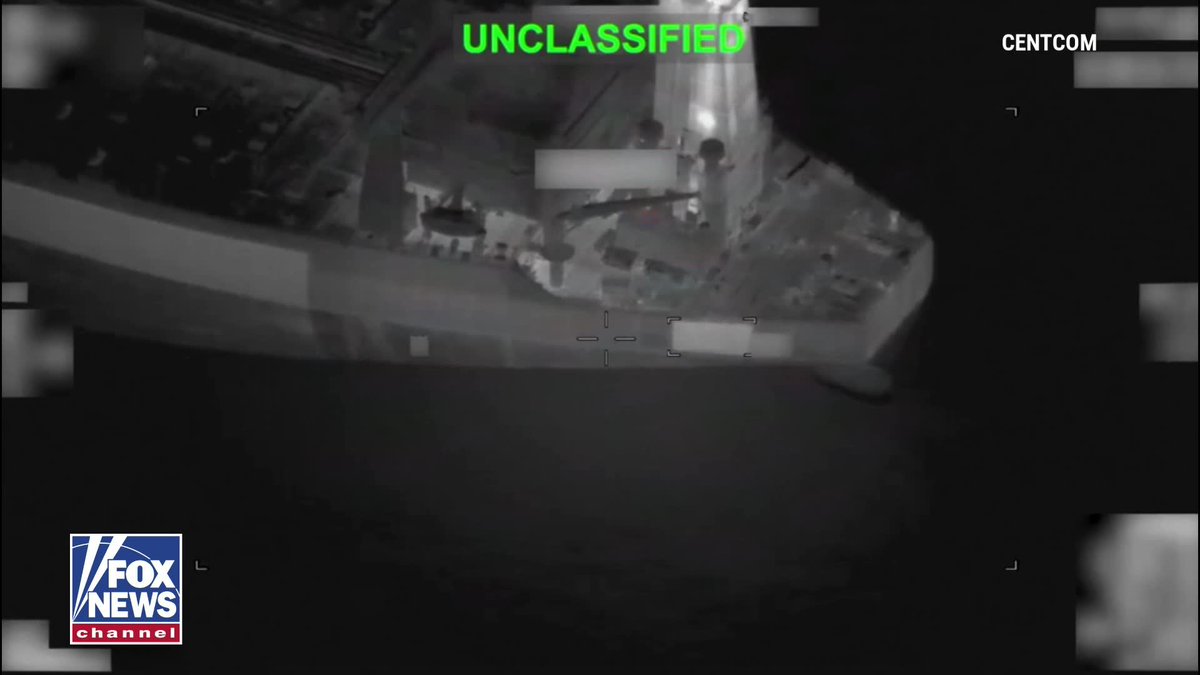
‼️‼️🛢️🇺🇸 According to former CENTCOM Commander Gen. Frank McKenzie, the U.S. should explore seizing Kharg Island—a strategic location that accounts for 90% of Iran's oil shipments. McKenzie argue that seizing the island—rather than obliterating it—provides the U.S. with "irrevocable" leverage. By holding the terminal intact, the U.S. could theoretically...

46,101 görüntüleme • 1 ay önce •via X (Twitter)

0 Yorum

Yorum bulunmuyor

Orijinal gönderinin yorumları burada görünecek

Benzer Videolar

🚨🇺🇸🇮🇷 THE TINY ISLAND THAT COULD STRANGLE IRAN’S ECONOMY Kharg Island is barely a dot on the map; it's a rocky lump in the Persian Gulf about 15 miles off Iran’s coast. But that tiny island handles around 90% of Iran’s oil exports, which means it’s their economic jugular. Pipelines from the mainland feed giant storage tanks there, and supertankers dock offshore to haul crude out through the Strait of Hormuz, much of it heading straight to China. Cut Kharg off and the money pipeline dries up. No tankers. No oil exports. No revenue. For military planners, that makes the island one of the most tempting pressure points in the entire region. Why bomb refineries across a country the size of Iran when one island controls the tap? But actually seizing Kharg would be anything but easy. Iran has spent decades preparing for exactly that scenario. Not with aircraft carriers or massive fleets, with asymmetric chaos. Naval mines scattered through shipping lanes, drone swarms like the Shahed-136, fast attack boats buzzing around like armed jet skis. Individually, none of these threaten the U.S. Navy, but combined, they turn the Persian Gulf into a giant naval obstacle course. Even if the island were captured, holding it would be the real nightmare. Iran wouldn’t need to retake Kharg, it would just need to make sure no one can safely use it. And then there’s the global fallout. Iran exports 1–2 million barrels of oil per day, take Kharg offline and oil markets would react insanely. Source: BBC

Mario Nawfal

521,230 görüntüleme • 5 ay önce

❗️❗️🇺🇸🇮🇱🚀🇮🇷 The United States is reportedly preparing a new large-scale military operation against Iran, with multiple major American media outlets indicating that an intensive air campaign could begin as early as this weekend. 🔹 The Wall Street Journal: President Donald Trump has ordered the U.S. military to prepare a new attack on Iran that could begin this weekend and continue for several days. 🔹 ABC News: Trump is considering a sustained series of strikes against Iran's energy infrastructure. According to another source, the plans were discussed with Israeli officials, although it remains unclear whether Israel will directly participate. 🔹 NBC News: The United States and Israel are reportedly preparing what could become the most extensive bombing campaign yet against Iran's energy infrastructure, with operations potentially lasting throughout the weekend. 🔹 CNN: The U.S. has prepared plans for a new wave of strikes that could begin this weekend, including options targeting Iran's nuclear and energy infrastructure. According to the network, there are currently no clear indications that Israel will participate directly in this phase of the operation. 🔹 CBS News: Israeli officials have been fully briefed and remain in close coordination with Washington. Sources say discussions included completing the expanded strike campaign before financial markets reopen on Monday due to concerns over its potential impact on the U.S. and global economy. According to two U.S. officials, Iranian power plants and oil refineries are expected to be among the primary targets. A senior Israeli official also said that Trump and Netanyahu reviewed three military options, including strikes focused on Iran's strategic ground supply routes. The convergence of reporting from several major U.S. media outlets suggests that Washington is actively preparing options for a significantly broader campaign than previous operations. If such strikes are carried out, they would likely mark a major escalation aimed at degrading Iran's military and economic infrastructure while substantially increasing the risk of a wider regional confrontation. See the latest updates with us: Visioner

Visioner

16,859 görüntüleme • 13 gün önce

🇺🇸🇮🇷 WHY THE UNITED STATES HALTED A PLANNED STRIKE ON IRAN United States prepared and then halted a military strike on Iran point to a calculated decision rooted in U.S. national interest, risk management, and strategic restraint rather than weakness. 1. Avoiding a Wider War That Would Hurt U.S. Interests U.S. defense planners assessed that a direct strike on Iran could rapidly escalate into a regional conflict. Iran has the ability to retaliate through missile attacks, proxy forces, and disruption of global energy routes. Such an escalation would place U.S. troops, allies, and global markets at serious risk. From a U.S. perspective, a controlled environment is preferable to an open ended war. 2. No Clear Strategic Gain from Immediate Military Action Senior U.S. officials reportedly questioned whether a strike would achieve a decisive outcome. Without a clear path to degrading Iran’s long term capabilities or changing its behavior, a limited attack risked becoming symbolic rather than strategically effective. U.S. military doctrine prioritizes actions that deliver measurable and lasting advantages. 3. Protection of U.S. Forces and Bases in the Region Iran and its aligned groups have demonstrated the capability to strike U.S. bases across the Middle East. Intelligence assessments likely warned that even a limited U.S. strike would trigger retaliation against American personnel. Preventing American casualties remains a top political and military priority in Washington. 4. Pressure from U.S. Partners and Allies Key U.S. partners in the Middle East reportedly urged caution. Gulf states and European allies warned that a strike could destabilize the region, threaten shipping lanes, and damage energy security. The United States weighed these concerns heavily, recognizing that alliance stability is a core pillar of American global power. 5. Strategic Signaling Without Pulling the Trigger By preparing a strike and then halting it, Washington still sent a clear deterrence message. The U.S. demonstrated readiness, capability, and resolve while retaining escalation control. This approach aligns with U.S. strategy of applying pressure without rushing into irreversible military action. The halt was not a retreat. It was a deliberate choice to protect American lives, preserve strategic leverage, and avoid a conflict that could spiral beyond control. The United States kept military options on the table while choosing a timing and method that best serves long term U.S. security interests.

Defense Intelligence

52,246 görüntüleme • 7 ay önce