正在加载视频...

视频加载失败

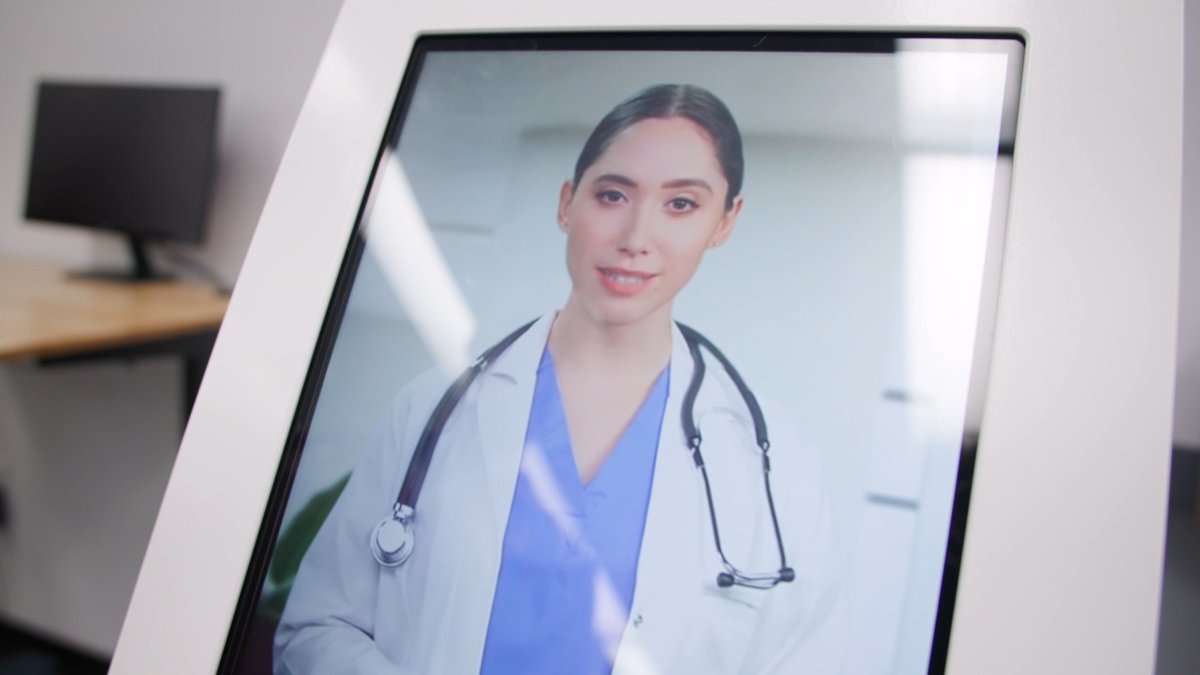
AI shouldn't replace therapists. It should help them spend more time being therapists. Not because AI won't get smarter Because good therapy isn't just information It's trust It's compassion It's the human element. Most therapists spend only about half their time doing therapy The other half? Running the business...

88,738 次观看 • 21 天前 •via X (Twitter)

0 条评论

暂无评论

原始帖子的评论将显示在这里

相关视频

Most companies don't realize they have a documentation problem until everyone already depends on it. Customers use it. New hires use it. Engineers use it. And when documentation falls out of date, the whole system starts working against itself People stop trusting what they're reading Teams lose context And nobody can fix it, because the problem is everywhere at once The longer it goes unfixed, the harder it is to untangle That's the opportunity Manicule saw They're building an AI-native DevRel company for developer tools - owning documentation, technical content, GEO, and distribution across social channels. The premise isn't that AI should replace expertise. It's that expertise should scale. Their AI agents audit and test at scale. Their humans own the architecture, the writing, and the creative direction. Every review improves the system Every project creates more context. Every iteration raises the bar What started as a highly manual business - helping developer companies create better technical content - has become a scalable AI-native operation Today, Manicule works with some of the fastest-growing developer tool companies - including Supermemory, Greptile, and Reducto - has scaled fast over the last few months, and has more demand than it can take on. Not because they publish more content. Because they help developer companies create content developers actually trust. 🎙️ Naman Bansal & Shreyans Jain , Co-founders Manicule (YC P26) on Fondo.com START Huge thanks to Numeral for making this episode possible!

David J Phillips

48,703 次观看 • 21 天前

Mark Zuckerberg: A lot of things that feel strange or stigmatized today will make sense over time. As society evolves, we’ll find the language to explain why people choose AI companions, virtual therapists, and digital relationships—and how they genuinely add value to their lives. The field is still very early, but the future is moving toward lifelike AI, real presence, and communication beyond words, where gestures and non-verbal signals matter just as much as speech. What seems unusual today—virtual therapists, AI companions, digital relationships—may soon become normal. Society just hasn’t developed the vocabulary yet to understand their value. We’re still in the early days, but the future points toward realistic AI embodiment, where communication isn’t just words, but gestures, presence, and human-like interaction that feels truly real. Many technologies that feel unfamiliar today will eventually be understood and accepted. People will recognize why AI companions and virtual therapists are rational choices that can genuinely improve lives. The future isn’t just text or images—it’s lifelike avatars, real-time presence, and communication where more than half the meaning comes from non-verbal expression, not just words. The stigma around AI relationships and virtual therapists will fade as society learns how to talk about their real value. We’re still at the very beginning, but the direction is clear—AI that feels present, human-like avatars, and communication driven by gestures and non-verbal signals. The goal isn’t distraction, but technology that fits naturally into life and stays out of the way.

Ian Miles Cheong

15,612 次观看 • 4 个月前