正在加载视频...

视频加载失败

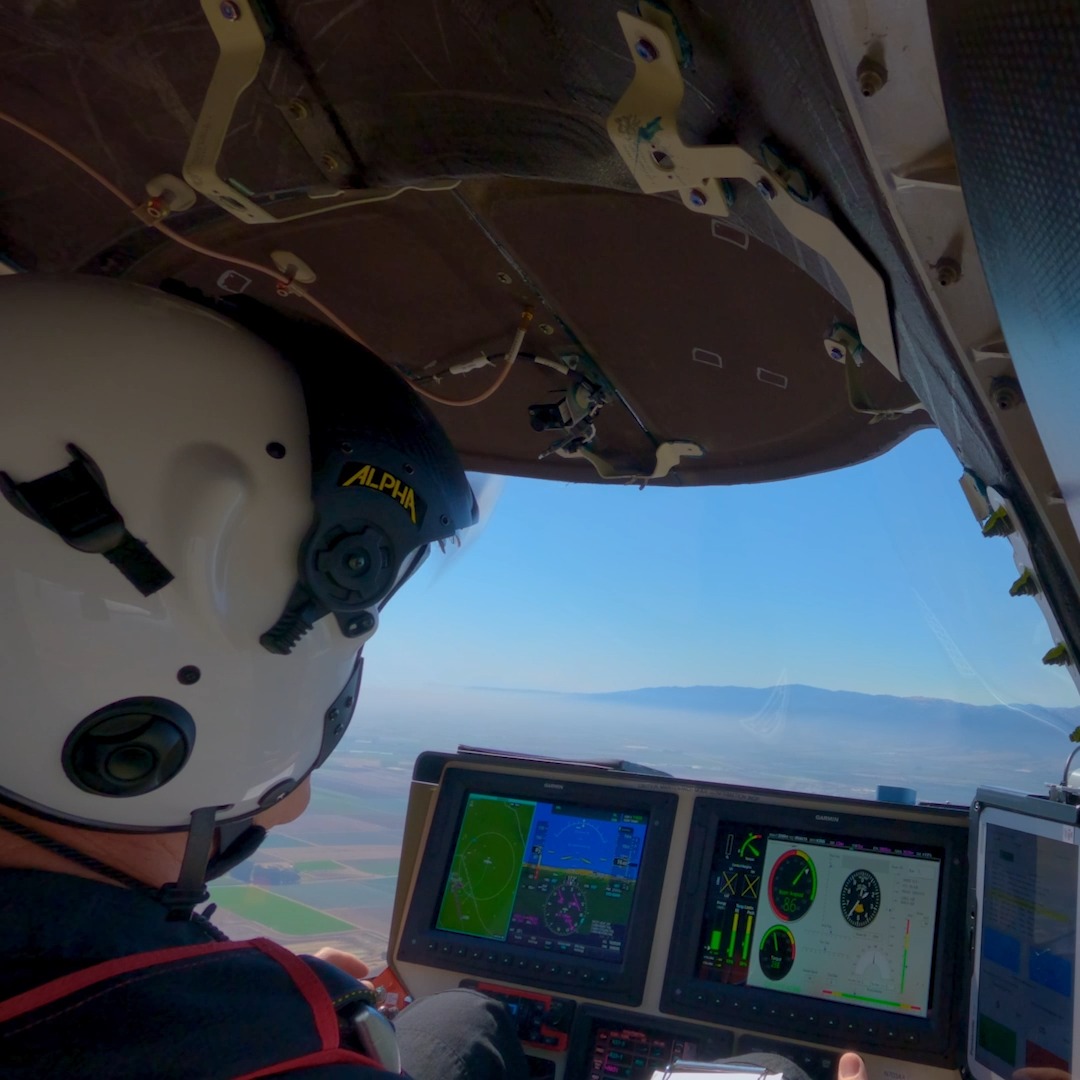
Airbus vs Boeing – Two giants, two design philosophies! 😲 Here’s the difference: • Airbus: 🖥️ Fly-by-wire & automation – Pilots rely on advanced systems to make flying easier & safer • Boeing: ✋ Pilot-first design – More manual control, giving pilots maximum authority & feel of the aircraft...

13,728 次观看 • 7 个月前 •via X (Twitter)

0 条评论

暂无评论

原始帖子的评论将显示在这里

相关视频

The Brake-To-Vacate (BTV) function on the Airbus A350 is nothing short of revolutionary for aviation enthusiasts and professional pilots alike. This advanced autobraking system transforms the landing experience by allowing pilots to choose a specific runway exit prior to landing, managing the braking process to achieve an optimal deceleration profile. This not only enhances safety but also significantly reduces Runway Occupancy Time (ROT), leading to more efficient air traffic flow. What makes the BTV system particularly impressive is its integration with other aircraft systems such as Auto Thrust Idle, Spoilers, and Reversers. This ensures that the deceleration is controlled smoothly and efficiently, adapting in real-time to any changes in conditions such as tailwinds or reduced braking action. Pilots can override the system via the red instinctive push buttons on the ThrustLevers or via the manual selection of toe braking. The accuracy and innovation of the BTV feature is mirrored in the @inibuildsofficial A350 Airliner Microsoft Flight Simulator (MSFS) add-on. This add-on captures the intricate details and functions of the real-life BTV system, providing an unparalleled simulation experience. It accurately models the pre-landing setup process, allowing virtual pilots to input their chosen runway exit via the Multi-Function Display (MFD) and experience the precise and efficient braking that the system offers. For flight simulation enthusiasts, the IniBuilt A350 add-on brings the cutting-edge technology of the A350 into the virtual world, allowing users to appreciate the intricacies and benefits of the BTV system. It’s a testament to how advanced these simulations have become, reflecting the high standards of accuracy and detail that modern flight sim add-ons strive for. In essence, the BTV function on the A350, both in real life and in the IniBuilds add-on, showcases a leap forward in aviation technology, enhancing the landing experience through precision and efficiency, and providing a realistic and engaging experience for users of the flight simulator. 📸 by ig/captainchris

aircraftmaintenancengineer

82,572 次观看 • 1 年前

Following the Delta A330-323(N813NW) engine failure after departure from São Paulo (GRU), many are asking: what actually happens if an airliner loses an engine just after takeoff? As passenger in the cabin watching this scenario unfold, the panic is understandable. Seeing flames from an engine is alarming. But this is exactly the kind of scenario pilots are trained for repeatedly in simulators. Modern multi-engine aircraft are designed to fly safely on one engine. In fact, losing one engine is a certification requirement during testing. Here’s what happens: At liftoff, pilots target V2 speed—the minimum safe speed that guarantees the aircraft can continue climbing even with one engine inoperative. If an engine fails: • The MASTER FIRE warning light will illuminate in the cockpit and the fire warning bell will sound, alerting the pilots on the affected engine (they will close the fuel, hydraulic shutoff, and engine bleed air valves, and also discharge the related fire bottle to extinguish the engine fire). Of course, they will be careful NOT TO shut down the wrong engine (this has happened before). • Maximum thrust is applied on the remaining engine. • Rudder input keeps the aircraft straight (countering asymmetric thrust) • The aircraft climbs straight ahead for best performance (turns reduce climb rate unless required) Once above a safe altitude (typically ~1,500 ft / Minimum Flap Retraction Altitude(MFRA): • The aircraft accelerates • Flaps are retracted (“cleaning up”) • Crew assesses the situation and plans a return or diversion Even at very low altitude, the aircraft remains controllable by design. It may not climb aggressively, but it will climb. Bottom line: What looks catastrophic from the cabin is a scenario pilots are highly trained to handle—and aircraft are engineered to withstand. Hope this helps any nervous flyer. Flying is safe, and the chances of this happening have reduced due to lessons learned from previous incidents. And if you ever find yourself in this situation, trust that the pilots will act according to their training—because that’s their job.

Turbine Traveller

42,927 次观看 • 5 个月前