Загрузка видео...
Не удалось загрузить видео
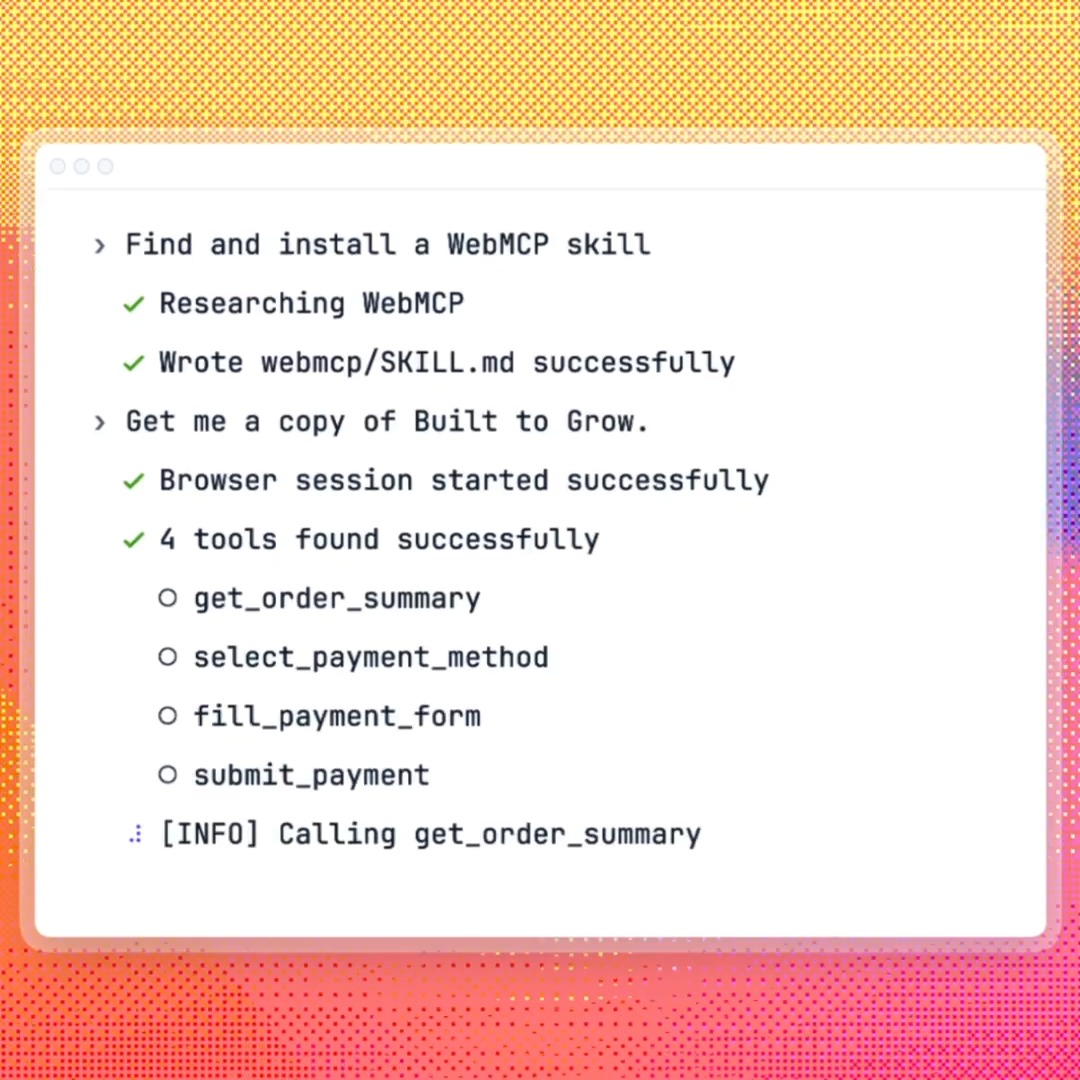
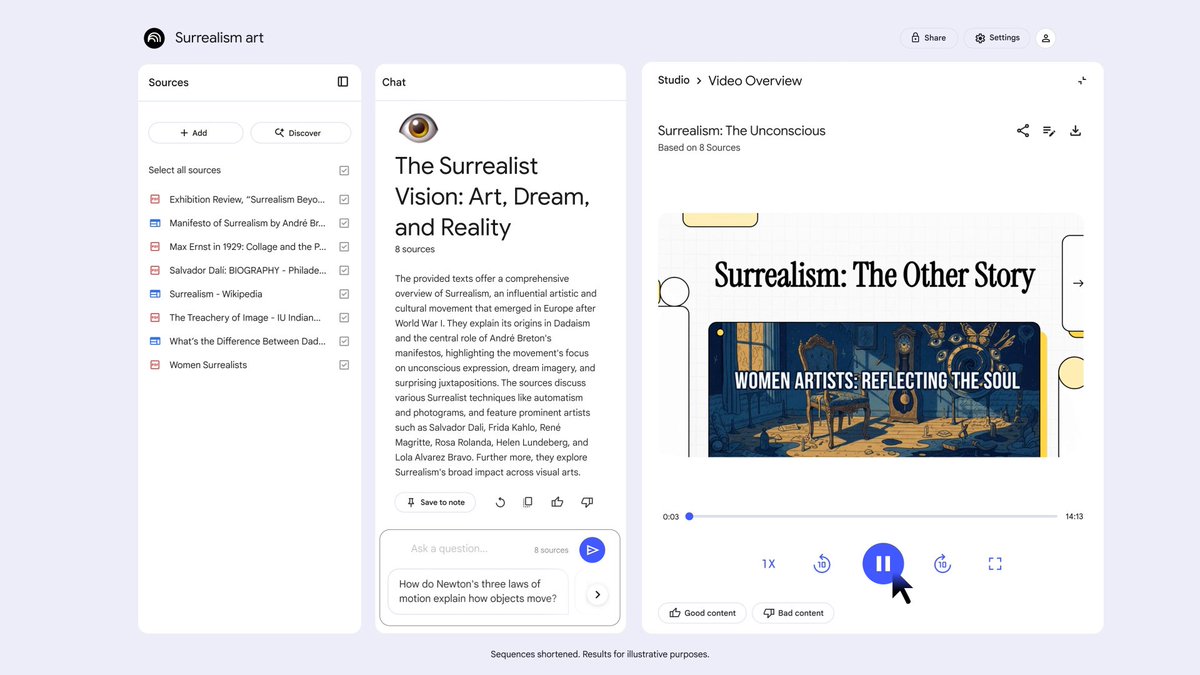
Annotations paired with WebMCP give your agents more context to act on. Check out how Katia Gil Guzman uses custom annotation controls and suggested prompts to help users edit scenes and update expenses in ChatGPT’s browser.

112,947 просмотров • 17 дней назад •via X (Twitter)
Комментарии: 30

@kagigz THIS IS SOOO GOOD! GG @kagigz 🐐

@kagigz A lot of people would rather just have 4o back, bring it back through a paid legacy subscription. People are willing to pay for it. #4oForAll

@kagigz nobody cares, people mostly care about legacy models to chat with #4oForAll
@kagigz since your comments seem empty af, do you guys wanna umute us and talk? 😂

@kagigz Does this only work with ChatGPT Sites? or through the Chrome Extension etc?

@kagigz Boring release another model

@kagigz @kagigz DOTS

@kagigz annotations are a label on the button for the agent. guessing which div is "save" was always the flaky part

@kagigz Better labels help the agent read the page. Permissions decide what it can do to it

@kagigz Very cool use case for real work

@kagigz great explanation!

@kagigz The real unlock is turning context into action. Annotations help agents understand what matters, while suggested prompts make the next step easier. The best interfaces won't just show users what AI can do. They'll make the right action obvious at the right moment.

@kagigz been stuffing fix hints in the annotation field for months

@kagigz how do webmcp annotations stay in sync when the page changes under the agent mid-task?

@kagigz WebMCP annotations: teaching agents where the expense field is so they stop inventing one.

@kagigz Day 8 - super impressed with this improvement!

@kagigz Annotations paired with WebMCP giving agents more context to act on is a practical builder win. The scene-editing and expense-update demos in ChatGPT's browser show the idea clearly.

@kagigz Annotations are what make a construction drawing buildable. A bare plan tells a crew nothing; dimensions, rebar spec and "pour here first" do. Agents on the web are the same: the page is the plan, annotations are the instructions.

@kagigz custom annotation controls is a fancy name for buttons you hope the model actually clicks

@kagigz agents not playing where's waldo with every button is a legit upgrade lol

@kagigz Do you think adding expense editing through custom annotation controls will actually speed up workflow enough to justify the extra UI complexity?

@kagigz more context for the agent means fewer wrong guesses. Good direction.

@kagigz An agent shouldn’t have to play Where’s Waldo with every button.

The tricky part isn’t teaching an agent where to click. It’s teaching it what that click will actually change. Can WebMCP annotations expose side effects and required confirmations, especially for actions like updating financial records? One misunderstood action can be more costly than a hundred failed clicks.

@kagigz Annotations + WebMCP are making AI agents smarter and more capable by giving them the context and controls they need to take action. A big step toward more seamless, intuitive AI-powered workflows

@kagigz this is the same shift as mcp events — stop making the agent scrape intent from a dumb page. ship annotations + suggested prompts and the agent just acts. wrote this up here:

@kagigz More context should make agents a lot more useful. Meta is pushing hard on agent workflows too more on Muse Wonder here

@kagigz The browser has started leaving notes for the agents.

@kagigz Before you build: ChatGPT's browser only supports the imperative WebMCP API. Declarative form tools and iframe tools don't work there. Register on the top-level page with document.modelContext.registerTool and mark reads readOnlyHint: true. Docs:

@kagigz Custom controls give scene edits somewhere to land besides a giant prompt blob