Загрузка видео...

Не удалось загрузить видео

На главную

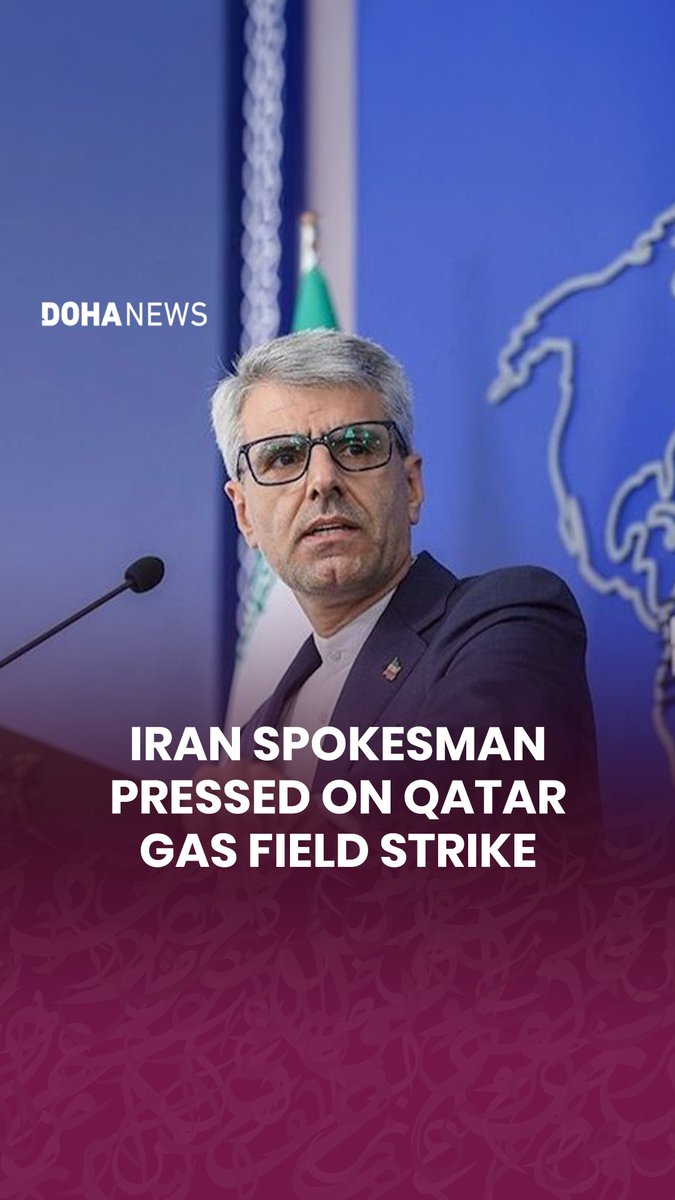
🚨 BREAKING: Iranian attack causes “extensive damage” at Qatar’s Ras Laffan gas hub, QatarEnergy says QatarEnergy said missile strikes on Ras Laffan Industrial City triggered multiple fires and caused “extensive damage,” with the full scale of impact still being assessed. Here’s what else to know: 🔹Qatar’s Interior Ministry said...

176,637 просмотров • 5 месяцев назад •via X (Twitter)

Комментарии: 0

Нет доступных комментариев

Здесь появятся комментарии из оригинального поста

Похожие видео

🚨🇮🇷 Iran just hit 9 countries in a single night, including 7 of the wealthiest nations on earth This was Tehran's answer to Israel striking the South Pars gas field, the world's largest, earlier today. The most intense retaliatory barrage of the entire war, and Iran is now the only country on the planet simultaneously attacking seven of the richest nations by GDP per capita: 🇮🇱 Israel: Ballistic missiles and cluster munitions over central Israel. Two killed in Ramat Gan. Four Palestinian women killed in the West Bank by an Iranian missile. 🇶🇦 Qatar ($110K GDP per capita): 14 ballistic missiles fired. Ras Laffan LNG hub suffered "extensive damage" confirmed by QatarEnergy. 🇦🇪 UAE ($100K): 13 ballistic missiles and 27 attack drones intercepted. Iran threatening imminent strikes on energy facilities. 🇸🇦 Saudi Arabia ($35K): Evacuation orders issued for Samref Refinery and Jubail Petrochemical Complex. Waves of missiles intercepted over Riyadh. 🇰🇼 Kuwait ($75K): Ballistic missiles intercepted. U.S. facilities targeted again. 🇧🇭 Bahrain ($65K): U.S. 5th Fleet headquarters under continued assault throughout the war. 🇴🇲 Oman ($32K): Drone strikes on industrial zones. Workers killed. The last neutral Gulf state is now taking fire. 🇯🇴 Jordan: U.S. bases struck as part of the widening multi-front campaign. 🇮🇶 Iraq: U.S. Embassy in Baghdad under nightly drone siege. Combined GDP per capita of the Gulf states under attack: over $417,000. These are some of the most prosperous, developed nations on earth, and Iran is hitting all of them simultaneously while its own economy collapses. This is Operation Madman at full throttle: torch the region's wealth until the world demands the war stops. Source: 🇦🇪 Rami Al-Hashimi رامي الهاشمي / Reuters / World updates

Mario Nawfal

3,851,653 просмотров • 5 месяцев назад

Stock markets around the world are crashing after the destruction of a single, massive liquefied natural gas (LNG) facility in Qatar by Iranian missiles last night. Shell’s Pearl GTL sat inside the larger Ras Laffan complex, which, before the war, produced roughly 20% of the world’s liquefied natural gas (LNG). It had taken four years, from 2007 to 2011, to build. Its loss will mean a long-term shortage of LNG. Europe’s LNG prices rose 35% since the attack and by more than 100%, from €32 euros per MWh to over €70 today, since last month. Asia was already returning to coal before the loss of the Pearl GTL facility, and will burn more of it now that LNG is being priced out of reach of poor nations. Already, Qatar’s North Field expansion had been delayed to mid-2027. With the rebuild of Pearl GTL expected to take three to five years, that expansion timeline slips further. But the underlying reason for this crisis is a lack of LNG plants. We didn’t need more natural gas infrastructure, said the media, Democrats, and climate advocates, over the last 15 years. Every new LNG terminal was, they said, a “climate bomb.” Groups including Reclaim Finance, Rainforest Action Network, Bill McKibben’s and Greenpeace waged a coordinated campaign to cut off financing for LNG terminals. They staged die-ins outside Bank of America. They cut up credit cards at Chase branches. They captured $130 trillion into the Glasgow Financial Alliance for Net Zero. They published annual scorecards shaming any bank that lent to LNG developers. The divestment movement boasted that $39.2 trillion in capital had been “blocked” from fossil fuels. The groups succeeded beyond their wildest dreams. Biden paused new LNG export approvals in January 2024 under direct pressure from climate groups. Investors have underinvested in LNG ever since. Please subscribe now to support Public's award-winning reporting, read the rest of the article, and watch the rest of the video!

Michael Shellenberger

39,657 просмотров • 5 месяцев назад

JUST IN: Bapco Energies just declared force majeure. Bahrain’s only refinery. 405,000 barrels per day. Eighty-five percent exported. Ninety years old. The sole refining facility for an entire nation. Force majeure means the company is legally unable to fulfil its contractual obligations. Cargoes already paid for will not be delivered. Diesel, jet fuel, and refined petroleum products that buyers across Asia, Africa, and the Middle East were expecting will not arrive. The contracts are suspended. The supply is gone. The attack that triggered the declaration was an Iranian drone and missile strike on the Sitra refinery complex on 9 March. Fire broke out in at least one unit. Bahrain’s National Communication Centre confirmed containment with 32 civilians injured in the broader raids. Bapco stated domestic fuel supplies remain secured. But export operations, which account for 85% of the refinery’s output, are halted. This is not a full physical shutdown. It is something more consequential. It is a legal shutdown. Force majeure converts physical damage into contractual default. Every buyer holding a confirmed cargo from Bapco must now source replacement barrels from an already strained market where Hormuz is commercially closed, QatarEnergy is under its own force majeure, Iraq has cut production 70%, and VLCC charter rates sit at $424,000 per day. The replacement barrels do not exist at pre-war prices. Some do not exist at any price. This is the third force majeure declaration from the Gulf in nine days. QatarEnergy declared force majeure on all LNG exports after Iranian strikes hit Ras Laffan and Mesaieed, removing approximately 20% of global LNG supply. Kuwait’s national oil company announced precautionary production cuts. Now Bahrain’s sole refinery joins the cascade. Each declaration compounds the others. QatarEnergy’s force majeure tightened LNG markets. Bapco’s tightens refined product markets. When the refinery that processes crude into usable fuel goes offline, the disruption moves downstream from the wellhead to the petrol station, the shipping terminal, the airport fuel depot, and the industrial boiler. Crude oil prices capture the headline. Refined product margins capture the damage. Diesel margins were already surging before this declaration. Jet fuel crack spreads were at multi-year highs as 30,000 cancelled flights rerouted through Asian hubs burning additional fuel on longer routes. Bapco’s 405,000 barrels per day of refining capacity going offline removes a meaningful share of Gulf refined product supply at the precise moment global demand for alternative routing fuel is spiking. The IRGC’s 31 autonomous provincial commands did not need to close the Strait to cripple Bahrain’s energy exports. They needed one drone through the air defence screen. One hit on one unit of one refinery. The rest is done by lawyers, force majeure clauses, and a contracts market that cascades default through every buyer in the chain. The Strait was closed by insurance. The refinery was closed by a drone. The exports were closed by a legal clause. Three different mechanisms. One outcome. Supply removed from a market that cannot replace it. Hormuz. Qatar. Now Bahrain. Three force majeures in nine days. The Gulf’s energy architecture is being dismantled one legal declaration at a time. Full analysis here!

Shanaka Anslem Perera ⚡

263,350 просмотров • 5 месяцев назад

The Trump administration underestimated Iran’s willingness to close the Strait of Hormuz, note many in the media. CNN reported that while the Departments of Energy and the Treasury participated in pre-war planning meetings, “the agency analysis and forecasts that would be integral elements of the decision-making process in past administrations were secondary considerations.” But the Strait of Hormuz was a catastrophe waiting to happen. A few years from now, people will look back on this moment and find it incredible that the world allowed the global economy to be dependent on moving so much oil and natural gas through such a dangerous bottleneck. Part of the solution is for the world to reduce its dependence on Persian Gulf oil and gas. That will require expanding production outside the Persian Gulf. Another part is to help Persian Gulf nations move more of their oil and gas through new or expanded pipelines to the Red Sea and perhaps even the Mediterranean. The faster the world builds those alternatives, the less leverage Iran retains. Many believe that the United States must not allow Iran to control the Strait under any circumstances, and the instinct to fight for Hormuz is understandable. It has been a central artery of global energy for over half a century. But instead of fighting to reopen the Strait, the world should build around it. The infrastructure to do so already exists in embryonic form. Saudi Arabia’s East-West pipeline, built during the Iran-Iraq war in the 1980s, carries crude 750 miles across the kingdom from the Gulf coast to the Red Sea port of Yanbu, with a design capacity of 7 million barrels per day. The UAE’s Abu Dhabi Crude Oil Pipeline runs to Fujairah on the Gulf of Oman, bypassing the Strait entirely. And Iraq’s Kirkuk-Ceyhan pipeline connects to the Mediterranean coast of Turkey. Gulf states are already exploring a broader network of pipelines, railways, and roads, including the U.S.-backed India-Middle East-Europe Economic Corridor (IMEC), that would create multiple export routes to the Red Sea and the Mediterranean. Kuwait, Bahrain, and Qatar, which have no bypass pipelines at all, should build routes through Saudi Arabia or Iraq, argued The National, a UAE newspaper. And Japan, South Korea, and India should, the paper argued, invest alongside Gulf sovereign wealth funds. Iran will almost certainly impose tolls on vessels transiting the Strait, as its parliament has already passed a bill to formalize fee collection. A toll of $2 to $5 per barrel, the range analysts expect Iran to charge, would add roughly $40 to $100 billion per year to global energy costs. But more war will cause far more harm than simply building alternatives because every escalation destroys infrastructure that the world needs to produce and export energy. While “all roads” may lead to “structurally higher oil prices,” as one analysis of future scenarios concluded, one of those roads leads to far less damage to people and energy infrastructure. Iran’s strikes on Ras Laffan, Qatar’s LNG hub, will take three to five years to repair. The strikes on South Pars threaten the world’s largest natural gas reserve. Iran’s attacks on Gulf neighbors have damaged refineries, desalination plants, and port facilities across Saudi Arabia, the UAE, Bahrain, and Kuwait. And consider how much more damage is possible. After the US struck Kharg Island, Iran’s main oil export hub, and Israel hit Iran’s largest petrochemical complex at South Pars, the world’s largest natural gas reserve, Iran’s military threatened to “deprive the U.S. and its allies of the region’s oil and gas for years.” As such, the $40 to $100 billion is a fraction of the $2 trillion or more that Goldman Sachs has estimated the war has already cost the global economy in lost output, destroyed infrastructure, and elevated energy prices. And continued war could lead Iran to cut off the flows of existing Saudi oil flows through its East-West pipeline. Iranian adviser Aliakbar Velayati warned that Iran views the Bab al-Mandab Strait off Yemen “with the same intensity as Hormuz” and that “the flow of energy and global trade can be disrupted with a single signal.” Please subscribe now to support Public's award-winning investigative journalism, read the rest of the article, and watch the full video.

Michael Shellenberger

61,902 просмотров • 4 месяцев назад

📈 EXPLAINED | Oil Shock Spreads Across Gulf Energy Markets Brent crude briefly surged above $94 a barrel Friday and is now trading around $93, up from $73 just over a week ago, as Kuwait announces production cuts, and war disruptions spread across the Gulf energy system. 📌 Here’s a recap of the latest developments: 1. 🇶🇦 Qatar’s energy minister Saad al-Kaabi warned the conflict could send oil to $150 a barrel within two to three weeks if tankers cannot safely pass through the Strait of Hormuz; the waterway carries roughly 20% of global oil and gas trade, the Financial Times reported. 2. Qatar, which is the world’s second-largest LNG exporter, has already declared force majeure after an Iranian drone strike hit the Ras Laffan LNG complex, allowing the country to suspend gas deliveries due to war conditions. 3. “This will bring down the economies of the world,” the energy minister told the FT, warning that prolonged disruption would not just drive energy shortages and spike prices, but also trigger a global industrial supply chain reaction, including in fertilizer and food production. 4. Kaabi said if the war continues, Gulf energy exporters may be forced to fully shut down production within weeks, with shipments unlikely to resume until hostilities fully cease. This is connected to the availability of storage. See the video explainer below for clarification. 5. 🇰🇼 Kuwait announced it has begun reducing output at several oil fields because it is running out of storage for crude that cannot be exported while shipping through Hormuz has slowed dramatically, the Wall Street Journal reported. 6. Storage crisis: Officials are discussing deeper cuts to match only domestic demand, with a final decision expected within days. Kuwait normally produces about 2.6 million barrels per day. 7. 🇮🇶 Kuwait is now the second major producer forced to curb output this week, after Iraq slashed production by over half earlier. 8. Shutting oil wells is considered a last-resort measure because restarting them can be costly, time-consuming, and may damage reservoirs. (Sources: Financial Times, Wall Street Journal. Video: Sky News)

Drop Site

47,705 просмотров • 5 месяцев назад

🚨 OPERATIONAL UPDATE: ISRAEL U.S. WAR WITH THE ISLAMIC REPUBLIC Reporting Window: March 20, 2026 – March 22, 2026 (through 12:00 PM ET) • Mar 22, early morning (≈03:00–06:00 local / Mar 21, 8:00–11:00 PM ET): Iran launched ballistic missiles at Arad and Dimona, causing mass casualties and exposing a failed interception near one of Israel’s most sensitive strategic zones • Mar 21–22: The U.S. escalated Hormuz posture, with threats to strike Iranian power plants and active operations against Iranian maritime assets • Mar 21–22 overnight: Israel conducted another wide strike wave across Iran, hitting arms production, intelligence, and command infrastructure in Tehran and beyond • Mar 21–22: Lebanon intensified again, with Hezbollah rocket fire killing an Israeli civilian near Misgav Am and Israel expanding strikes and demolition operations south of the Litani • Mar 20–22: Gulf energy damage from Ras Laffan strikes was quantified, confirming long-term disruption to global LNG supply The last 48 hours were defined by a shift in both geography and escalation logic. The war is no longer moving in a single direction at a time. Southern Israel, the Gulf energy system, Tehran, and southern Lebanon all saw meaningful activity within the same window. At the same time, Washington moved from coalition pressure to direct deterrence language, while Israel continued to expand its strike envelope inside Iran. ━━━━━━━━━━━━━━━━━━ 🚀 SOUTHERN ISRAEL: A NEW AXIS OPENED (MAR 22 EARLY HOURS) Mar 22, ~03:30 local time (Mar 21, ~8:30 PM ET): Iranian ballistic missiles struck Arad and Dimona, marking the most sensitive geographic shift of the war in this window. Reuters reported dozens wounded in both locations, including a direct hit on a residential building in Arad and additional injuries in Dimona. Israeli reporting placed total casualties in the 80+ range in Arad and dozens more in Dimona. The IDF confirmed at least one missile was not intercepted, and the failure is under investigation. This matters because: • Dimona sits near Israel’s nuclear research complex • This is the first major southern-axis strike of this scale in the war • It reflects longer-range Iranian missile capability being used in this phase Why this matters: Iran has now demonstrated it can pressure north, center, and south simultaneously, not sequentially. That changes the defensive problem for Israel. ━━━━━━━━━━━━━━━━━━ ⚡ HORMUZ: FROM DETERRENCE TO ACTIVE ENGAGEMENT (MAR 21–22) Mar 21–22: The Hormuz front moved into a more explicit operational phase. Reuters reported that Trump threatened to strike Iranian power plants within 48 hours if Hormuz is not reopened. Iran responded by threatening retaliation against U.S. and Gulf infrastructure. At the same time, Israeli and U.S. reporting confirmed: • A-10 aircraft targeting Iranian fast-attack craft • Apache helicopters engaging one-way attack drones • CENTCOM releasing footage of direct strikes on Iranian naval assets Why this matters: This is no longer just a naval presence or escort mission. It is an active suppression campaign against Iran’s ability to disrupt the strait. ━━━━━━━━━━━━━━━━━━ 🔥 IRAN: STRIKE CAMPAIGN REMAINS BROAD AND SYSTEMIC (MAR 21–22 OVERNIGHT) Mar 21–22 overnight (Tehran local time): Israel conducted another wide strike wave inside Iran. Times of Israel reported strikes on: • arms production facilities • intelligence headquarters • military command nodes in Tehran Additional reporting and open-source tracking showed: • activity in Parchin, Arak, Isfahan, and Kerman • maritime-linked targets including Bandar e Lengeh • continued pressure on internal regime infrastructure Israeli leadership also reiterated that Iran can no longer: • enrich uranium • build missiles at scale Why this matters: This is not a tactical cleanup phase. It is an ongoing effort to deny Iran’s ability to regenerate military capacity. ━━━━━━━━━━━━━━━━━━ 🇱🇧 LEBANON: PARALLEL PRESSURE CONTINUES (MAR 21–22) Mar 21 evening – Mar 22 morning: The northern front remained active in both directions. Times of Israel reported: • Hezbollah rocket fire killing a civilian near Misgav Am • sustained fire into northern Israeli communities Reuters reported Israel responded by: • striking bridges over the Litani River • ordering accelerated demolition of frontline homes and crossings • expanding operations in southern Lebanon Open reporting also showed: • continued Israeli strikes in Beirut’s southern suburbs • Hezbollah maintaining intermittent fire despite losses Why this matters: Israel is moving beyond reactive strikes and attempting to reshape the southern Lebanon battlespace, while Hezbollah still retains the ability to impose cost. ━━━━━━━━━━━━━━━━━━ 🛢 GULF ENERGY WAR: DAMAGE IS NOW LONG-TERM (MAR 20–22) Mar 20–22: The Gulf energy story shifted from disruption to structural damage. Reuters reported that strikes on Qatar’s Ras Laffan LNG complex have: • taken 17% of Qatar’s LNG capacity offline • created a 3–5 year recovery timeline • disrupted supply chains across Europe and Asia Additional reporting and open-source tracking showed: • continued fires and damage assessments • warnings from Tehran that strikes will intensify if energy targets are hit Why this matters: This is now a durable global energy disruption, not a short-term market shock. ━━━━━━━━━━━━━━━━━━ 🌍 GEOGRAPHIC EXPANSION: THE WAR IS NOW FULLY MULTI-AXIS Across this window, the war touched: • Southern Israel (Dimona / Arad) • Central Israel (cluster impacts) • Northern Israel (Hezbollah fire) • Tehran and central Iran (strike waves) • Hormuz (active U.S. engagement) • Gulf energy infrastructure (long-term damage) Additional reporting also noted: • missile activity toward Diego Garcia • effects spilling into Jordanian airspace Why this matters: The war is no longer shifting from front to front. It is now active across multiple fronts simultaneously. ━━━━━━━━━━━━━━━━━━ 📌 WHAT MATTERS MOST RIGHT NOW 1️⃣ Iran has expanded its strike geometry. Southern Israel is now fully in play alongside central and northern zones. 2️⃣ The Hormuz fight is now operational, not theoretical. The U.S. is actively targeting Iranian maritime and drone capabilities. 3️⃣ Israel is still widening the target set inside Iran. The campaign remains focused on long-term degradation, not short-term disruption. 4️⃣ The Gulf energy war has become structural. Ras Laffan damage confirms this is now a multi-year impact on global supply. Bottom line This reporting window shows a war that is becoming simultaneously broader and deeper. More fronts are active at once. More sensitive targets are being hit. And both sides are now operating in ways that suggest they are preparing for a longer and more complex phase, not a near-term resolution. ━━━━━━━━━━━━━━━━━━ END OF REPORT

Inside_Israel_Intel

25,980 просмотров • 5 месяцев назад

"The last time a major LNG project was developed in this country was 42 years ago, that was a Nigeria LLG project." Nigeria's gas sector has recorded a major breakthrough with the advancement of the $3 billion UTM Floating LNG (FLNG) Project, unlocking stranded offshore gas resources and strengthening the country's drive for industrial growth and energy security. Key Highlights: - The project secured a 15-year gas supply agreement, clearing the path for a Final Investment Decision (FID) expected later this year. - It is Africa's first indigenous-led Floating LNG (FLNG) project, fully developed by a Nigerian company. - The project represents Nigeria's first major LNG development in over 40 years, since the launch of the Nigeria LNG project. - The initiative aligns with President Bola Ahmed Tinubu's gas development agenda, with officials crediting the administration's policy direction for unlocking the project. - A joint venture between NNPC Limited and Seplat Energy will supply 200 million standard cubic feet of gas per day under the 15-year agreement. - The FLNG facility will produce 1.8 million tonnes of LNG annually, monetising stranded gas from the Yoho Field. - About 30% of production, equivalent to over 300,000 metric tonnes of LPG annually, will be supplied to Nigeria's domestic market to support the Federal Government's clean cooking initiative. - The project is expected to generate billions of dollars in revenue, create thousands of jobs, and deepen local participation in the oil and gas industry. - Financing for the project is being led by African Export-Import Bank, which has also provided preparatory funding and is coordinating debt and equity financing. - Project promoters disclosed that the investment is oversubscribed, attracting strong interest from global energy traders and investors, including companies from the Middle East. - The project further demonstrates the growing capacity of indigenous Nigerian companies to deliver large-scale energy infrastructure while positioning Nigeria as a key supplier of LNG to regional and global markets.

Daddy D.O🇳🇬

29,183 просмотров • 1 месяц назад