Video wird geladen...
Video konnte nicht geladen werden
🇺🇸 BREAKING: US Lockheed Martin Unveils MORFIUS — The Drone Killer Built to Take Down Swarms Lockheed Martin says its MORFIUS™ high power microwave system can neutralize more than 50 enemy drones in a single flight. Instead of firing an interceptor at every target, MORFIUS uses directed microwave energy... show more

743,061 Aufrufe • vor 1 Monat •via X (Twitter)
34 Kommentare

Does it work against drones moving faster than a slow balloon? What's the practical range? Was expecting a bit more tbh, area coverage flak guns, CIWS shotguns, something with punch & charm.

This will work for about 3 months before someone figures out you can wrap a fiber optic controlled drone in aluminum foil

Let me guess.... It cost $2mil per unit, has a max effective range of 300 meters on clear days, and has a service life of 10 missions max.

This sequel looks better than the original, and I predict it will earn 100 morfillion dollars!

I'd like to see the effectiveness on faster moving targets

Real targets move faster than that. These test drones look like a batch of drones bought from Best Buy. Fight military class drones.

Have you watched video’s of drones when they are coming in for the kill. They are screaming fast. Show me a video of this taking down a swarm of drones coming in at 60 miles an hour and I’ll be impressed.

IT’S MORBIN TIME

$500m each Requires MASSIVE battery trailer (highly explosive lithium nbd) Available by 2037 for US military Will be nonfunctioning after 7 uses Defense contractors make billions China finds way to make it better, cost 1/20, and without battery by 2031

Easy to so slow flying drones. What about fpv drones ripping at 50mph?

In the snow, rain, fog, dust storms?

how fast can it microwave an uncrustable

U have multiple waves of drones incoming, at different speeds, hundreds of yards apart, 300 ft, 500 ft, 1000 ft dif elevations all at the same time. Show us how effective it is in the real world?

On hovering drones I'm sure it does great. How about on 20 drones advancing below the treeline or hillside and then popping up to attack the defensive system at 80 mph?

Yeah, that's gonna need extensive battlefield testing against fast moving attack drones, not just hovering or moving slowly

Oh really? How will this expensive piece of junk handle this Russian drone that ambushes its prey lying in wait listening for passersbys with only a microphone?

Taking out a swarm at the speed of a flintlock. Outstanding what's the ratio of this system vs the amount of drones you can run at the same price point? Our defense contractors are boomers and it shows.

Cute demo. Now put it on a Ukrainian pickup truck facing Shahed swarms and Lancet groups over Kharkiv, and we can talk. Lockheed has been showing off counter-drone toys for years while Ukraine builds its own for a fraction of the cost and actually uses them in combat.
Seeing is believing. How about testing this system in Ukraine?

Safe on the battlefield....and in the kitchen!
And then artillery strikes or missiles destroy these high tech systems or the diesel generators powering these systems.

I've been waiting for this. Drones are going to need to be autonomous and have massive EM shielding in the future. They can't rely on being able to talk to base for guidance and an EM transmitter is cheep. 🫤

@yeshua458 Me buying the pickup truck mounted Morfius platform so I can cook up TV dinners during tailgates & campouts.

But only against mass attacks of nearly stationary drones, lol

That’s cool. Drone-based defense is clearly becoming a major trend, and the ability to neutralize swarms is extremely valuable. At AeroDefense, we focus on RF-based detection, localization, and tracking, along with airspace intelligence platforms—providing the early-warning and situational-awareness layer at the front of the C-UAS kill chain.

@barnes_law @LockheedMartin this is the type of production I like to see my tax dollars going toward. Now we (the American taxpayer) just have to cut away the parasitic banking class that only sees their own profits behind blood-money investments…

Can’t imagine the kind of shit this is pumping in to the sky.

Hmm, is this what they used in Venezuela to disorient Maduro’s guards but with less powerful microwaves???

Love the concept, but shooting them down one at a time instead of concurrently is incredibly underwhelming… maybe leaving me wanting more is the desired effect.

Drone tactics are usually "Hide&Destroy", as in just wait at the side of the road or wherever and go when needed. Drone swarms sound cool and look good in your head, but don't work in the field.

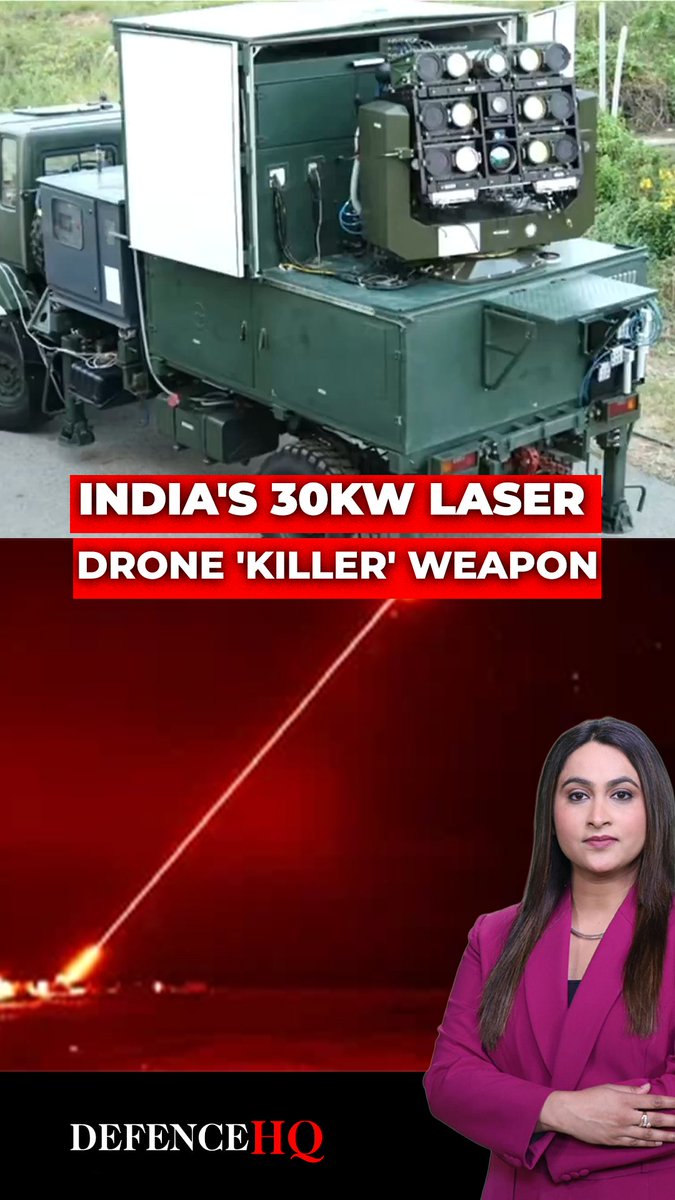
This video show a laser based system not the MORFIUS™ high power microwave 🤦♂️🤦♂️🤦♂️

This is said to be a microwave weapon. However, there appears to flare of light as each drone dropes. Dose MORFUs use infrared or visible lasers in addition microwaves?

Does it work down to mosquito scale ? I would have an idea for a side use.

Is there a civilian version being offered, for duck hunting?