Video wird geladen...
Video konnte nicht geladen werden
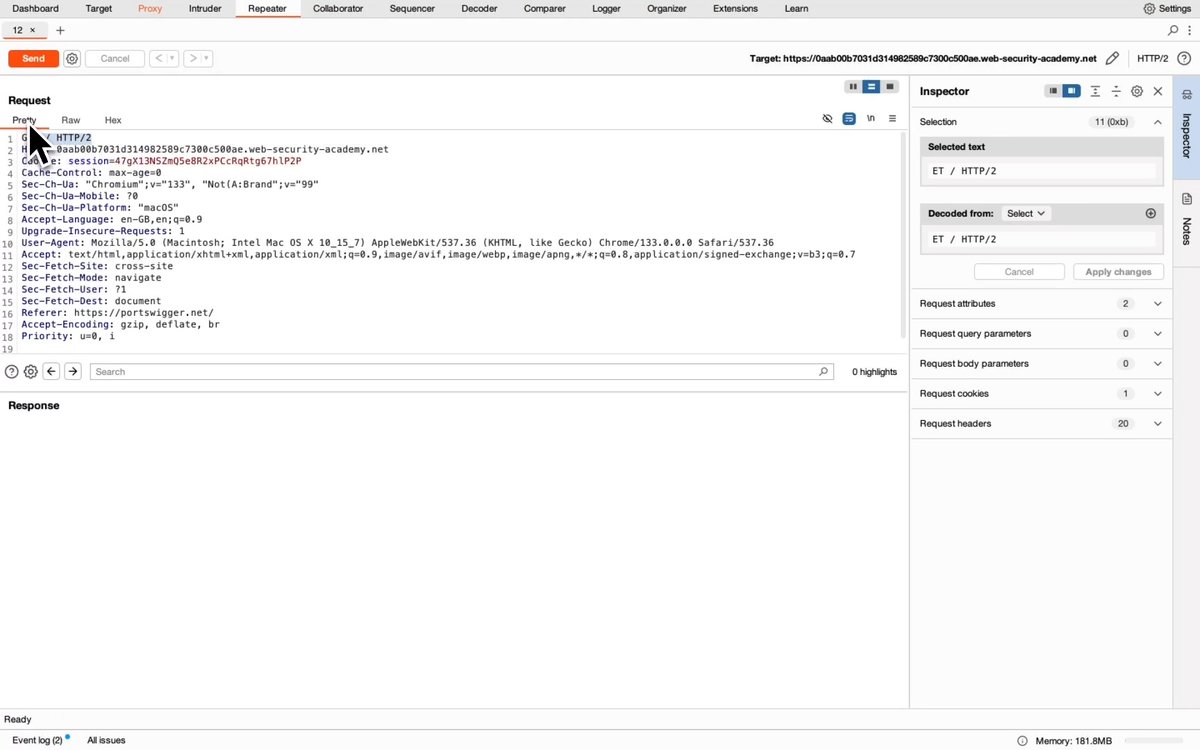
CL.TE request smuggling works when front-end and back-end disagree on where your request ends. The attacker hides a second request in the body of the first. Here's a demo 👇 Practice with PortSwigger's Web Security Academy.

17,824 Aufrufe • vor 2 Monaten •via X (Twitter)
3 Kommentare

RabiX Securityvor 2 Monaten
A good reminder that web security isn't only about writing secure code—it's also about understanding how every component processes requests.

Sara Bluvor 2 Monaten
Solid demo. CL.TE gets overlooked in telecom security audits but with layered proxy setups in 5G cores, it's critical we test for this.

Steve | Tech Savvyvor 2 Monaten
Web security starts where protocol assumptions break. If your proxy and origin server disagree on request boundaries, attackers will gladly take advantage. Great demo.