Загрузка видео...
Не удалось загрузить видео
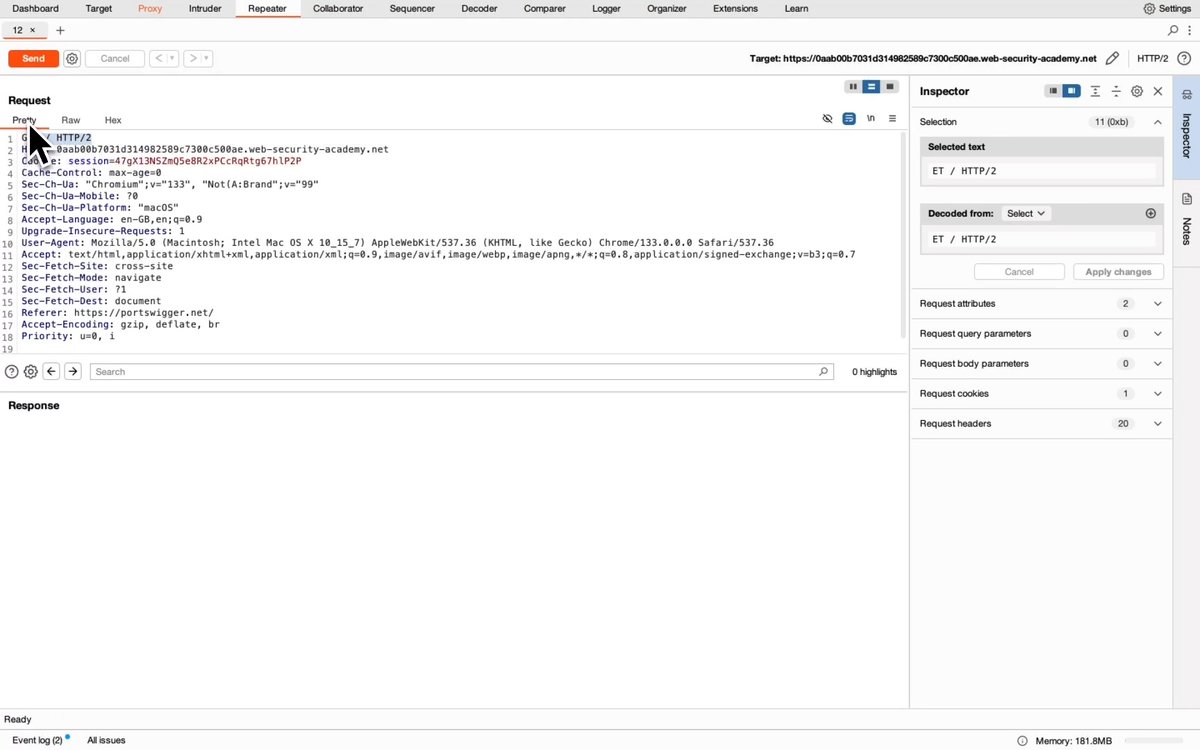
CL.TE request smuggling works when front-end and back-end disagree on where your request ends. The attacker hides a second request in the body of the first. Here's a demo 👇 Practice with PortSwigger's Web Security Academy.

17,824 просмотров • 2 месяцев назад •via X (Twitter)
Комментарии: 3

RabiX Security2 месяцев назад
A good reminder that web security isn't only about writing secure code—it's also about understanding how every component processes requests.

Sara Blu2 месяцев назад
Solid demo. CL.TE gets overlooked in telecom security audits but with layered proxy setups in 5G cores, it's critical we test for this.

Steve | Tech Savvy2 месяцев назад
Web security starts where protocol assumptions break. If your proxy and origin server disagree on request boundaries, attackers will gladly take advantage. Great demo.