正在加载视频...

视频加载失败

$CTVFF | $CTV.V THE MATERIAL BEHIND THE MACHINES CleanTech $CTV is the future. Fluorspar is one of the most overlooked materials shaping modern society. It plays an important role in: 🔹 Semiconductor manufacturing 🔹 Nuclear fuel processing 🔹 Batteries and advanced chemicals 🔹 Aluminum and steel production 🔹 Refrigerants,...

12,428 次观看 • 23 天前 •via X (Twitter)

0 条评论

暂无评论

原始帖子的评论将显示在这里

相关视频

𝗙𝗼𝗿𝗴𝗶𝗻𝗴 𝗜𝗻𝗱𝗶𝗮'𝘀 𝗙𝘂𝘁𝘂𝗿𝗲 𝗶𝗻 𝗔𝗲𝗿𝗼𝘀𝗽𝗮𝗰𝗲 & 𝗗𝗲𝗳𝗲𝗻𝗰𝗲. PTC Industries and Aerolloy Technologies mark another defining milestone with the installation and successful trials of 𝗜𝗻𝗱𝗶𝗮'𝘀 𝗹𝗮𝗿𝗴𝗲𝘀𝘁 𝗜𝗻𝘁𝗲𝗹𝗹𝗶𝗴𝗲𝗻𝘁 𝗢𝗽𝗲𝗻 𝗗𝗶𝗲 𝗙𝗼𝗿𝗴𝗶𝗻𝗴 𝗦𝘆𝘀𝘁𝗲𝗺 for critical materials. This 𝟰𝟱𝟬𝟬/𝟱𝟭𝟬𝟬𝗧 press now is operational at the Strategic Materials Technology Complex in Lucknow. This is not incremental capacity. This is a strategic capability. Engineered for precision and scale, this system enables production of large, complex forgings in 𝗧𝗶𝘁𝗮𝗻𝗶𝘂𝗺, 𝗦𝘂𝗽𝗲𝗿𝗮𝗹𝗹𝗼𝘆𝘀, and advanced high-performance alloys powering critical components that form the backbone of next-generation aeroengines and mission-critical defence platforms. With this, our ecosystem now brings together melting, casting, and forging - all in one location. No other supply chain globally offers this level of integration at this scale and precision at the same location. With this step, we do. What this unlocks: 🔹 𝗦𝘁𝗿𝗮𝘁𝗲𝗴𝗶𝗰 𝗶𝗻𝗱𝗲𝗽𝗲𝗻𝗱𝗲𝗻𝗰𝗲: Building domestic strength in critical forging capabilities that India has long relied on imports for. 🔹 𝗚𝗹𝗼𝗯𝗮𝗹 𝗰𝗼𝗺𝗽𝗲𝘁𝗶𝘁𝗶𝘃𝗲𝗻𝗲𝘀𝘀: Meeting the exacting requirements of advanced civil and military aerospace programs worldwide. 🔹 𝗘𝗻𝗱-𝘁𝗼-𝗲𝗻𝗱 𝗰𝗼𝗻𝘁𝗿𝗼𝗹: From critical materials to finished components with scale, and reliability at every step. This milestone is part of a larger conviction to build, scale, and lead in high-performance materials and manufacturing. From India, for the world. Read more here:

PTC Industries

70,697 次观看 • 4 个月前

❗️❗️🇺🇸🇮🇱🚀🇮🇷 The United States is reportedly preparing a new large-scale military operation against Iran, with multiple major American media outlets indicating that an intensive air campaign could begin as early as this weekend. 🔹 The Wall Street Journal: President Donald Trump has ordered the U.S. military to prepare a new attack on Iran that could begin this weekend and continue for several days. 🔹 ABC News: Trump is considering a sustained series of strikes against Iran's energy infrastructure. According to another source, the plans were discussed with Israeli officials, although it remains unclear whether Israel will directly participate. 🔹 NBC News: The United States and Israel are reportedly preparing what could become the most extensive bombing campaign yet against Iran's energy infrastructure, with operations potentially lasting throughout the weekend. 🔹 CNN: The U.S. has prepared plans for a new wave of strikes that could begin this weekend, including options targeting Iran's nuclear and energy infrastructure. According to the network, there are currently no clear indications that Israel will participate directly in this phase of the operation. 🔹 CBS News: Israeli officials have been fully briefed and remain in close coordination with Washington. Sources say discussions included completing the expanded strike campaign before financial markets reopen on Monday due to concerns over its potential impact on the U.S. and global economy. According to two U.S. officials, Iranian power plants and oil refineries are expected to be among the primary targets. A senior Israeli official also said that Trump and Netanyahu reviewed three military options, including strikes focused on Iran's strategic ground supply routes. The convergence of reporting from several major U.S. media outlets suggests that Washington is actively preparing options for a significantly broader campaign than previous operations. If such strikes are carried out, they would likely mark a major escalation aimed at degrading Iran's military and economic infrastructure while substantially increasing the risk of a wider regional confrontation. See the latest updates with us: Visioner

Visioner

16,859 次观看 • 14 天前

How Ukraine reached parity with Russia in long-range capabilities Analysts from the Back And Alive Foundation analyzed Ukraine's transition from local frontline strikes to the systemic employment of long-range drones. The volume of drones Ukraine has launched has surged from 110 units in January 2024 to over 7,000 in March 2026. Throughout 2025, Ukraine increased our launch frequency fivefold. In March 2026, Ukraine even managed to surpass the Russia in the number of launched and recorded drones. Flight Geography and Extreme Ranges 🔹Ukrainian drones are increasingly detected at facilities located hundreds and thousands of kilometers from the frontline. The number of Russian regions where they are spotted is steadily growing. 🔹This evolution is not just about quantity, but also about a significant increase in operational range. For instance, in February 2026, an oil refinery in the city of Ukhta (Komi Republic) was struck—over 1,800 km from the Ukrainian border. A Nightmare for Russian Air Defense 🔹As Ukraine deploys more drones, Russian air defense forces must track and intercept a vastly higher number of simultaneous targets, leading to system saturation. 🔹The Russian military is forced to make a choice: protect assets near the frontline to cover their troops, or deploy systems deep into the interior to defend industrial and energy infrastructure. Given Russia’s vast landmass, it is physically impossible to cover all critical sites with limited resources. 🔹Furthermore, the Defense Forces of Ukraine continue to degrade Russian air defense capabilities. Over the past year, open-source intelligence (OSINT) has confirmed 172 hits on Russian air defense systems through video footage; however, the actual number of successful strikes is significantly higher. 📹📈Cumulative number of days on which at least one UAV reached the region (from January 2024 to March 2026).

Anton Gerashchenko

51,874 次观看 • 3 个月前

$KNDX 🤖 Theres 3 big narratives that are sending coins left right and centre rn. 🚀 #AI, #Gamefi, & #NFTs 🔹Theres 50% mindshare for #AI. 🤖 🔹#GameFi mcap is hitting ATH's with #OfftheGrid, $XBG and $SUPER making spectacular moves. 🎮 🔹NFTs and the #Metaverse are making a strong comeback with $APE up 100% over the weekend. 🐵 What if there's a project that touches all these trending narratives with groundbreaking technology to disrupt all 3 of them? 🔥 💡- That's where $KNDX comes in. -💡 Kondux is a cutting-edge Web3 SaaS platform, combining NVIDIA’s Omniverse, AI, Blockchain, and dynamic NFTs to revolutionize secure asset management across industries. 👏 Their flagship product, kNFTs, are 3D digital assets usable across Metaverse and Gaming platforms, AR/VR/XR environments, and manufacturing applications. Kondux’s scalable model opens new revenue streams by enabling effective digital asset monetization. 💰 Kondux is the first Web3 project to integrate VFX pipelines with NVIDIA’s Omniverse and bringing it onto the Blockchain. ⛓️ It is also the only Web3 project with a *Select Status Partnership* with NVIDIA, operating under NVIDIA NDAs and working with them directly for more than 2 years. About their NVIDIA Integrations: 🤖 🔹There are three areas of the Kondux tech stack that coincide with three divisions of NVIDIA: 📡GDN (Graphics Delivery Network, the backbone of GeForce Now) 💡Omniverse for 3D aspects such as, geospatial data, real world physics, lighting, and raytracing 🤖NVIDIA AI Foundation, which covers many aspects of #AI, including inference and deployment scaling. The convergence of all these components lie within .USD file format . 🔹 They are the first blockchain project to integrate NVIDIA’s Omniverse Cloud and Graphics Delivery Network (GDN) to provide high-quality 3D content accessible on any device without requiring high-end hardware. 🔹 This setup streamlines content management, democratises access to resource-intensive 3D content, and enables real-time interaction with 3D NFTs. Now, I haven’t seen any crypto project so deeply connected with NVIDIA and NVIDIA technology. GDN is a HUGE competitive advantage. With it, the need for #GPU’s basically goes out the window. 🤯 Now lets take a look at some of the other main features... 👀 OpenUSD (Universal Scene Description): 📽️ 🔹 Kondux is leveraging USD technology, developed by Pixar and used by Meta, Apple, Microsoft and other industry leaders to enhance 3D graphics and interoperability within its creative ecosystem. 🔹 Originally created for high-end film production, USD now supports a variety of applications, including gaming and virtual reality, making it a key asset for Kondux. kNFT's: 🎨 🔹 Kondux is pioneering a new category of NFTs known as kNFTs, which aim to redefine NFT utility through innovative features. 🔹 A standout feature is the upgradeable aspect provided by Kondux DNA, allowing kNFTs to transform and combine with other NFTs, creating limitless possibilities in art, gaming, and music. 🔹Through the Kondux AI portal it will be possible to communicate with kNFTs. They can learn and adapt. This AI technology is revolutionary because it makes human to kNFT interaction possible, turning it into a unique, personalized experience. Check out the clip of kNFTs in Unreal Engine 5 gameplay below. 👇 Kondux is a very obvious utility play with huge upside because it’s multi narrative. 📈 It's seriously groundbreaking stuff that they’re about to launch. 🚀 After speaking with the team there’s no doubt in my mind this will do crazy big numbers in the next months. 🤑

Altcoin Miyagi🇯🇵

17,323 次观看 • 1 年前

YOMIRGO #Product #Update YOMIRGO AI-HUB OFFICIALLY LAUNCH ---A Structural Upgrade from a Single-Product Model to an AI Agent Ecosystem Platform In its first phase, 11 AI projects have been integrated, spanning high-value sectors including finance, scientific research, enterprise services, development tools, and experiential AI. ➡️AI-Hub: This is not merely a feature expansion — it represents a critical structural upgrade from a single-product architecture to a multi-vertical AI Agent aggregation and capitalization platform. This milestone marks the initial structural formation of the YOMIRGO ecosystem. 1. Structural Distinction Between Agent Matrix Lab and AI-Hub To avoid positioning ambiguity, we formally clarify the structural division between the two: 🔘 Agent Matrix Lab — Internal AI Production & Incubation Platform Agent Matrix Lab serves as YOMIRGO’s proprietary AI development and internal incubation platform, responsible for: • R&D and testing of in-house AI products • Incubation of native AI Agents • Technical architecture experimentation and runtime validation • Testing of AI Agent models, memory systems, and runtime orchestration It functions as the production workshop and experimental engine of YOMIRGO’s “AI Super Factory.” 🔘 AI-Hub — External AI Agent Aggregation & Ecosystem Layer AI-Hub is a market-facing AI Agent aggregation and showcase platform, responsible for: • Curation and onboarding of high-quality AI projects • Cross-vertical structured ecosystem layout • Rating and classification systems • Traffic distribution and ecosystem collaboration entry points AI-Hub is not an internal incubation unit, but a standardized aggregation framework at the ecosystem level. 2. Integrated Project Structure (First Batch) ✅1. Finance & Prediction 🔹Cointoken AI — AI Agent-powered quantitative trading engine 🔹VVAI — AI-driven real-time Web3 intelligence and decision system 🔹AlphaQuant — Global financial market forecasting engine 🔹NextGoals — AI-powered global sports prediction agent This vertical forms the real-time information, trading, and predictive decision infrastructure for Web3-native users. ✅2. Science 🔹Charmen AI — Large-model-based pet acoustic recognition technology 🔹Encore Health — AI-driven health forecasting and longevity management system for high-net-worth individuals 🔹Reproducibility AI — AI expert system for financial engineering validation and academic reproducibility This sector focuses on research-grade AI capabilities, collaborating with universities and research institutions to drive real-world scientific deployment. ✅3. Business 🔹GlobalSales — B2B automated lead-generation AI Agent 🔹ResearchBot — Business intelligence and deep due diligence AI Agent This vertical targets the enterprise market, delivering scalable and commercially viable AI productivity tools. ✅4. Coding 🔹CodeMatrix — Full-stack development assistant Providing AI-driven development infrastructure and low-barrier building capabilities to global users. ✅5. Interesting 🔹Fortunetell AI — AI-powered symbolic analysis and interactive insight system Exploring the application boundaries of AI within experiential and interactive scenarios. 3. YOMIRGO Four-Layer Structural Framework YOMIRGO has now established a clearly defined four-layer structure: ▶️Layer 1: Agent Matrix Lab — Internal Production & Incubation ▶️Layer 2: AI-Hub — Ecosystem Aggregation & Rating ▶️Layer 3: LaunchPad — Capitalization Pathway ▶️Layer 4: Market — Circulation & Value Realization Together forming a complete industrial pipeline: Incubation → Validation → Aggregation → Rating → Capitalization → Market Circulation This is the structural model behind YOMIRGO’s defined “AI Super Factory.” 4. Strategic Significance The launch of AI-Hub signifies: • YOMIRGO has established standardized AI Agent aggregation capabilities • A cross-vertical ecosystem structure is now in place • Internal incubation and external aggregation mechanisms are structurally separated • The AI Agent industrial flywheel has begun operating YOMIRGO is no longer merely an AI product platform, but a structured AI Agent industrial system integrating production, aggregation, capitalization, and circulation. 5. Next Phase • Continue expanding high-utility AI Agents with real-world application value • Optimize AI-Hub’s scoring, rating, and filtering mechanisms • Strengthen synergy with LaunchPad and Market • Enable AI Agents to complete value realization within the ecosystem The first 11 projects are only the beginning. AI-Hub is designed to become a continuously expanding AI Agent gateway — not a static product showcase. Further structural expansion is underway.🔥

YOMIRGO

23,685 次观看 • 6 个月前

🌟 Fortnite Ecosystem v41.00 Update Summary 📅 June 5, 2026 🎮 Major Creator Updates: 1️⃣ Sidekicks as NPCs in UEFN Sidekicks are now available as scriptable NPCs in UEFN. Creators can customize how they look, animate them, script behavior with Verse, and even bring a player’s own Sidekick into an island experience. Important note: 🔹 Publishing islands with Sidekick NPCs opens July 23 🔹 Creature based islands may get new Discover opportunities 🔹 Great for monster battlers, cozy farming games, creature RPGs, companion adventures, and more 🔹 Epic plans to feature creature-based islands in a new creature-based Collection page 2️⃣ Custom Weapon Templates Creators can now use Scene Graph weapon templates for: 🔸 Pistol 🔸 SMG 🔸 Assault Rifle 🔸 Shotgun You can customize how weapons look, sound, and play, including mesh, VFX, audio, damage, fire rate, spread, and recoil. Important note: These Scene Graph entities are not compatible with older saving methods like the Save Point device. Epic says to use Verse persistence. 3️⃣ Mobile Controls Upgrade (Experimental) Big step for mobile friendly Fortnite games. 🔹 Touch Input Gestures 🔹 Custom touchscreen control layouts 🔹 Tappable custom HUD widgets 🔹 Verse API to detect touch enabled devices 🔹 New Designing for Mobile guide This should help genres like tycoons, puzzle games, menus, inventories, and mobile first UI feel way better. 4️⃣ Community Events Starting June 8, creators can create events in Fortnite Communities and share them in game. Events can show in: 🔸 Following tab 🔸 Creator Profile page 🔸 Island page 🔸 Island Lobby, if enabled Epic is also testing a Community Events row in Discover, but it will not show for all players and placement is not guaranteed. 🛠 UEFN Workflow Updates: 🔸 Push Changes now incrementally cooks only modified project parts 🔸 New Edit List Panel shows what is live and what still needs a push 🔸 Launch Session now combines multiple session actions 🔸 New Session Inspector gives better visibility into launch and Live Edit status 🔸 New Publishing Report helps catch issues before publishing 🔸 Improved Verse warning panel with direct VS Code links 🔸 New Editor Gizmo System 🔸 Physics setting moved into Island Settings 🔸 New Memory Snapshot tools help identify asset memory costs 🔸 Asset validation now warns when static meshes exceed 30k vertices at LOD0 Important Live Edit note: Live Edit is improved, but some changes can still require Push Changes. The new tools make it clearer what is already live and what still needs to be pushed. ⚠️ Important Publishing Change: Illegal Property Override warnings are now errors in v41.00. That means new or updated islands with these errors are blocked from publishing. Current published versions where the warning appeared will stay live. 👤 Follow a Developer Update: In v41.10, Epic will remove the Follow a Developer button from the Developer Profile Link device. The device itself will still be usable, and existing follower counts are not affected. If your island currently tells players to follow you through that device, update those callouts before v41.10. 🧑‍🚀 Hero Device Star Wars Update: More Star Wars characters have been added to the Hero device for Star Wars islands: 🔹 Luke Skywalker 🔹 Obi-Wan Kenobi 🔹 Mace Windu 🔹 Kylo Ren 🔹 IG-11 🔹 Moff Gideon 🔹 Boba Fett 🔹 Mandalorian (Pen & Ink), Clone Wars Anakin, and Clone Wars Ahsoka were also added to cosmetic-based devices 📦 New Content: 🌾 Cozy and Creature Tools 🔸 Plumpton Architecture Kit 🔸 Plumpton Farm Gallery 🔸 Pet Props Gallery 🔸 Updated foliage 🔸 Plumpton Feature Example ☕ New Prefabs and Galleries 🔹 Latte Landing Prop Gallery 🔹 Latte Landing Bun Store 🔹 Latte Landing Big Shots Cafe 🔹 Latte Landing Krunchy Krickets 🔹 Latte Landing Espresso Experiments 🔹 Latte Landing floors, walls, and roofs 🔹 More Plumpton props, plants, farm, pet shop, tavern, farmhouse, and more 🔫 New Weapons and Items: Weapons: 🔸 Vanguard Burst Rifle 🔸 The Voidblade’s Burst Rifle 🔸 Extending Focus Shotgun 🔸 Reacher Extending Shotgun 🔸 Chaos Exploder Rifle 🔸 Dark Voyager’s Chaos Rifle 🔸 Exotic Overdrive Pulse Rifle 🔸 Exotic Recon Bow 🔸 Exotic Leaping Lightning Gun Items: 🔹 Seven Sliders 🔹 Limitless Seven Sliders 🔹 Brick-a-Bunker 🏃 Player Movement Device Update: More movement settings are now available directly in the Player Movement device, giving creators better control over which players are affected. Includes: 🔸 Jump Fatigue 🔸 Slide Kick 🔸 Shoulder Bashing 🔸 Wall Kick 🔸 Roll Landing 🔸 Glider Redeploy 🔸 Player Flight 🔸 Flight Speed 🔸 Infinite Wall Kicks 🔸 Sprint and boosted jump energy costs 🧪 Experimental and Beta Updates: 🔹 Skeletal Animation in Scene Graph is now experimental 🔹 Physics remains Beta 🔹 Mobile touch controls and gesture support are experimental 🔹 Skeletal Animation in Scene Graph cannot be used in published islands yet 🛠 Community Bug Fixes: 🔸 Fixed server degradation from adding and removing entities 🔸 Fixed some Physics Materials not being exposed 🔸 Fixed some session launch cook errors 🔸 Fixed Fortnite not closing properly after launching a session through UEFN 🔸 Fixed crashes after repeated entity spawning and despawning 🔧 More Fixes: 🔹 Fixed quickbar and phone tool freezes 🔹 Fixed thumbnail capture preview actor issues 🔹 Fixed building on Instanced Static Meshes 🔹 Fixed Live Edit visual update issues 🔹 Fixed several editor crashes and performance issues 🔹 Fixed inventory UI not showing Fortnite item info correctly 🔹 Fixed multiple physics, movement, swimming, gliding, and launch pad issues 🔹 Fixed Scene Graph prefab and Verse path issues

Immature

14,823 次观看 • 2 个月前

It looks like we may have just figured out where Attorney Marc Diller got his original “Exhibit J”... And the answer is Jen McCabe’s best friend. 😱 Attorney Marc Diller’s first version of “Exhibit J” was the exhibit he filed in support of his motion for a Temporary Restraining Order to prevent Karen Read from getting her cell phones back from the Norfolk County DA’s Office. In multiple posts after the March 6th hearing, Kerry can be seen sharing the very exhibit that attorneys Diller, Rosenberg, and Seligson referenced in their filings over the past few weeks. In the video she posted, the tweet in question appears at the beginning, followed by screenshots that are described as coming from an alleged phone extraction. We can confirm this appears to be the original version of Exhibit J (before Diller later attempted to substitute a different version while still labeling it “Exhibit J”) because it matches exactly how Seligson described it in Read’s filing. In his response, Seligson states the exhibit is: 🔹 a partial screenshot of a tweet originally posted by Sean McDonough 🔹 includes a quote stating the recording was a “one-party consent call” 🔹 contains the audio of the call itself 🔹 matches the image of the exhibit included in the court filing All of those elements are in the version Kerry has been circulating online. This includes a comment on a Boston Fox 25 post. Ms. Drama Llama has publicly stated many times that she is close with Jen McCabe and communicates with witnesses as well as members of the O’Keefe family. She also appears regularly on a YouTube channel promoting “Justice for JJ” content and the Albert/McCabe/Higgins defense fund. As recently as Friday, she was seemingly publicly speaking about an opinion from the O'Keefe family in regards to a photo of John being posted (that she, herself, posted first). This could also explain why Attorney Diller may have considered the material reliable given that Kerry appears to be a trusted voice within the O’Keefe/McCabe circle. Now the question is, why is the best friend of a key witness seemingly inserting herself into active civil litigation by circulating exhibits connected to court filings? 🤔

BoozeyBeauty

24,098 次观看 • 5 个月前

Ahead of Hadron Energy beginning trading on Nasdaq under the ticker $HDRN on May 26th, we wanted to share a glimpse of Hadron’s vision building the future of microreactors. Hadron Energy is developing the Halo Micro Modular Reactor (MMR), a compact, factory-built light-water reactor designed to deliver reliable, carbon-free power for AI data centers, industrial sites, remote communities, military applications, and critical infrastructure. Each Hadron MMR is designed to generate 10 MWe of reliable power and is transportable by truck or rail to support flexible deployment where power is needed most. By generating power directly on-site, Hadron’s microreactors may reduce reliance on extensive transmission and distribution infrastructure. Multiple units can be deployed in a modular format to meet growing demand, with a targeted fuel-cycle of 10 years and an intended 50-year useful life. Hadron’s microreactors leverage proven light-water technology which powers ~90% of the global nuclear power fleet today. The Nuclear Regulatory Commission (NRC) is most familiar with light-water designs, they have ~27,000 cumulative reactor years of operational history, and light-water avoids the risks associated with novel fuels or coolants. Hadron’s microreactors are designed with inherent and passive safety features and are installed below grade to maximize protection of the public and the environment. Hadron uses Low Enriched Uranium Plus (LEU+), enriched to approximately 8% U-235. This fuel builds on the same proven uranium fuel used in today’s commercial reactors while enabling longer operating cycles and efficient power output for microreactor applications through slightly higher enrichment. Because LEU+ remains within the existing regulatory framework, may support a more familiar licensing pathway relative to certain advanced reactor technologies. Most importantly, LEU+ leverages existing portions of the domestic light-water reactor fuel supply chain, which we believe may reduce fuel supply constraints relative to certain advanced reactor approaches dependent on HALEU or TRISO fuel. Our approach focuses on regulatory efficiency and standardized deployment. In October 2025, the NRC accepted Hadron’s Quality Assurance Program Description (QAPD) Topical Report for review, an important step in establishing the company’s regulatory foundation. Hadron maintains active engagement with the NRC through a dual-track pathway, pursuing both Manufacturing and Combined Licenses, while monitoring evolving NRC initiatives intended to support standardized deployment and serial manufacturing approaches for advanced reactors. Hadron’s leadership team brings decades of experience across nuclear plant operations, NRC licensing, reactor engineering, fuel design, and quality assurance, supported by engineers focused on moving from design through deployment efficiently. As electricity demand continues to accelerate globally, particularly across AI infrastructure and industrial applications, Hadron is targeting a growing market expected to exceed $7 billion by 2030, according to Grand View Research. We believe light-water reactors continuing to produce reliable, 24/7 power, will play a critical role in the future of energy and national security. Please refer to Hadron Energy’s public SEC filings for additional information.

Samuel Gibson

67,076 次观看 • 2 个月前

Proud to announce the in-depth collaboration between Kingnet and Alibaba Cloud in AI Gaming. Alibaba Cloud provides world-leading cloud computing, big data, and AI services, with disclosed revenue exceeding $15 billion in 2024, which is one of the most renowned global server providers. When two superpowers collide, the game changes. 🌊AI Gaming R&D By integrating Qwen 's LLM and Alibaba Cloud 's PAI platform (including PAI-iTAG, PAI-Designer, PAI-DSW, PAI-DLC, and PAI-EAS), Kingnet has emerged as one of the gaming industry's pioneers in AIGC-powered content generation and AI rendering. Together, we are accelerating the realization of no-code game development. 🌊GPU Computing Resources Alibaba Cloud delivers GPU-accelerated elastic computing services with exceptional processing power, supporting diverse workloads including deep learning, scientific computing, graphics visualization, and video processing - providing robust GPU computing capabilities for KingnetAI's demanding requirements. 🌊Cloud Service Optimization Cloud server deployment has become the mainstream choice for small and mid-sized game studios in global operations. Leveraging Alibaba Cloud server advantages, we will develop and deploy more cloud-native games to meet user demands. The disruptive innovation we're bringing to the industry: 🔸Minute-scale game asset production replaces traditional week/month-long cycles 🔸Single-digit dollar development costs VS traditional four-figure entry thresholds 🔸AI-powered NPCs with behavioral engines deliver dynamic player interactions, breaking static story constraints, etc. 🔜Kingnet AI V2 is approaching launch. The Agent system and game generation engine will be officially deployed across 3 chains: 🔹Leveraging Solana high throughput and low gas fee , Solana has consistently been a developer favorite, latest product will be deployed on Solana - with users paying $SOL for on-demand asset creation fees. 🔹Another key partner is BNB Chain ,We are actively participating in both the #BNBAIHack and the latest MVB 10. Powered by BNB Chain long-standing support for AI innovation. Kingnet V2 and NFT drop will be deployed on BNB Chain, providing developers and the community with comprehensive game-generation tools and support. 🔹As an early strategic partner of Kingnet, TON 💎 @TONEastAsia was one of the earliest chain to connect Web2 and Web3, Kingnet V2 will be deployed on TON, providing TON game developers with low-cost, high-efficiency asset generation, and supporting users to use $TON as an asset generation cost. The Future of AI Gaming is coming.

Kingnet AI

149,774 次观看 • 1 年前

🚨 OPERATIONAL UPDATE: ISRAEL U.S. WAR WITH THE ISLAMIC REPUBLIC - Reporting Window: Last 24 Hours ✳️The war is entering its final phase, but the battlefield is becoming more dangerous, not less. For the first time since the conflict began, the United States has signaled that its objectives against Iran have largely been achieved and that military operations could conclude within 2 to 3 weeks. At the same time, the operational picture tells a more complex story. Strikes inside Iran are intensifying, not slowing. Iran’s responses are becoming less concentrated but more geographically expansive. And across the region, the risk of broader escalation remains very real. This is no longer an open-ended war. It is a race between final military objectives and the risk of wider regional destabilization. ━━━━━━━━━━━━━━━━━━ 🏁 POLITICAL ENDGAME SIGNAL EMERGES President Donald Trump stated that the war could end within weeks, indicating that core objectives have been achieved, including the degradation of Iran’s strategic capabilities and the disruption of its leadership structure. He also signaled that the United States does not intend to remain indefinitely engaged, suggesting that responsibility for securing critical global nfrastructure, particularly the Strait of Hormuz, may shift to regional and international stakeholders. At the same time, tensions with NATO allies are surfacing. Frustration over limited allied participation in the war has raised the possibility of a broader fracture within the Western alliance structure. Parallel reporting indicates that elements within Iran are signaling openness to a ceasefire framework, particularly if maritime access through Hormuz is restored. Taken together, this marks a clear transition: the war now has a defined political end state, even as military operations continue. ━━━━━━━━━━━━━━━━━━ ✈️ FINAL PHASE STRIKE CAMPAIGN INSIDE IRAN The intensity of strikes over the past 24 hours reflects what appears to be end-stage shaping operations. Israeli and US-aligned strikes targeted a wide range of sites across Iran, including weapons production facilities, research and development centers, and critical infrastructure nodes tied to the regime’s military capabilities. Tehran remains a central focus. Approximately twenty military-industrial sites were struck, along with infrastructure at Mehrabad Airport and locations linked to Basij coordination. A senior Quds Force engineering figure, Mahdi Vafaei, was eliminated in a precision strike. His role in developing underground weapons infrastructure across Lebanon and Syria made him a key long-term asset for Iran’s regional military network. Additional strikes hit industrial targets, including steel production facilities and a site identified as supporting materials linked to Iran’s chemical weapons development pipeline. This is not a campaign aimed at symbolic damage. It is a systematic effort to dismantle Iran’s ability to produce, coordinate, and sustain war over time. ━━━━━━━━━━━━━━━━━━ 🎯 IRANIAN RESPONSE AND CIVILIAN IMPACT Iran continues to launch missiles toward Israel, but at a reduced scale compared to earlier phases of the war. Limited salvos were recorded over the past 24 hours, causing injuries and localized damage. One of the most significant developments was the reported use of cluster munitions in central Israel, critically injuring a child and causing multiple casualties. At the same time, Iran appears to be adapting operationally. Rather than attempting large-scale saturation attacks, it is increasingly relying on smaller strikes, drones, and diversified targeting strategies. This does not indicate de-escalation. It reflects an effort to remain operational under sustained pressure. ━━━━━━━━━━━━━━━━━━ 🌍 REGIONAL EXPANSION: THE WAR SPREADS While direct attacks on Israel have become more limited in scale, Iran is expanding the conflict across the region. In the Gulf, infrastructure in Kuwait and Bahrain was struck, including fuel storage facilities at Kuwait International Airport. Fires and damage were reported, adding to a growing pattern of attacks on energy and logistical nodes. A commercial tanker was also struck near Qatar, further extending the conflict into maritime space. These developments mark a continued shift where Iran is targeting not just Israel, but the broader economic and energy architecture of the region. ━━━━━━━━━━━━━━━━━━ 🚢 THE STRAIT OF HORMUZ The strategic center of gravity in this war is now unmistakable. The Strait of Hormuz remains contested, with ongoing disruption to global shipping and energy flows. The United States is actively evaluating options to reopen and secure the waterway, including potential direct military action against Iranian coastal capabilities. At the same time, Gulf states, particularly the UAE, are pushing for a coordinated military effort to ensure the strait is reopened. However, regional positioning remains complex, with some actors balancing public caution and private pressure. Notably, the United States has signaled that it may not take long-term responsibility for securing Hormuz, instead shifting that burden to global stakeholders. The implication is clear: control of Hormuz will determine not only the outcome of the war, but its aftermath. ━━━━━━━━━━━━━━━━━━ 🔥 NORTHERN AND PROXY FRONTS Iran’s proxy network remains active, but increasingly strained. In Lebanon, Israeli strikes continue to target Hezbollah leadership and infrastructure, including the reported elimination of a senior commander in Beirut. Rocket fire persists, but Israeli operations are steadily degrading launch capabilities. In Yemen, the Houthis have formally entered the fight against Israel and are likely contributing to the expanding pattern of regional attacks, including those affecting Gulf infrastructure. Across Iraq and Syria, Iranian-aligned militias remain engaged, while underlying instability continues to create openings for additional actors. This is now a multi-front conflict, but one in which Iran’s network is under pressure across every axis. ━━━━━━━━━━━━━━━━━━ 🧠 WARFARE EVOLUTION A critical and often overlooked development is the role of advanced targeting systems. Israel is employing AI-assisted capabilities to identify threats, prioritize targets, and synchronize strikes across multiple theaters in near real time. This has significantly compressed the operational cycle, allowing for rapid follow-up strikes and reduced recovery time for Iranian forces. The result is a battlefield environment where Iran has less time to act, less time to adapt, and fewer opportunities to rebuild degraded capabilities. ━━━━━━━━━━━━━━━━━━ 📊 THE BIG PICTURE The trajectory of the war is now coming into focus. The United States and Israel are executing a campaign designed to dismantle Iran’s ability to function as a coherent military actor. Iran, in response, is expanding the conflict geographically in an attempt to impose broader costs. At the same time, political signals indicate that the war is approaching a defined end state. Markets are already reacting to this expectation, with oil prices declining and global indices rising on the assumption that the conflict may soon conclude. However, the final phase carries its own risks. As Iran’s conventional capabilities degrade, its reliance on asymmetric and regional tactics is increasing. The decisive question is no longer how the war is fought day to day. It is whether the final objectives can be secured before broader escalation overtakes them. ━━━━━━━━━━━━━━━━━━ 📘 BOOK RECOMMENDATION If you want a deeper understanding of the history, narratives, and strategic realities behind this conflict: Contested Land, Uncontested Truth This book breaks down the ideological, geopolitical, and historical forces that led directly to moments like this, with clarity and evidence. 👉 If you found this report valuable, share it. Follow for daily operational updates.

Inside_Israel_Intel

60,835 次观看 • 4 个月前

🚨 OPERATIONAL UPDATE: ISRAEL U.S. WAR WITH IRAN - Reporting Window: Last 24 Hours The last 24 hours reinforce the structure that has been developing across the war. Activity remained steady across Iran, Israel, Lebanon, and the Gulf, with no single breakthrough moment but continued pressure applied across every layer of the conflict. ━━━━━━━━━━━━━━━━━━ ✈️ STRIKES INSIDE IRAN Strikes continued across multiple areas inside Iran, including Tehran, Shiraz, Kermanshah, and Ahvaz. The targeting profile remains consistent with recent days, focused on systems tied to weapons development and military sustainment. In Tehran, reporting points to continued strikes on military-industrial infrastructure, including: *⃣ Weapons production and research facilities *⃣ Infrastructure around Mehrabad Airport *⃣ Sites linked to Iran’s advanced weapons programs, including SPND-related supply nodes There are also indications that some of these locations had secondary roles, including use by Basij-linked personnel. That aligns with the broader pattern of targeting not just hardware, but the networks that support it. The key point in this 24 hour window is continuity. The same categories of targets are being hit repeatedly, suggesting an effort to ensure these systems are not just damaged, but unable to recover quickly. ━━━━━━━━━━━━━━━━━━ 🚀 IRANIAN RESPONSE Iran continues to respond. Current intelligence assessments indicate that roughly half of Iran’s missile launchers remain intact, along with a large drone inventory. At the same time, the operational pattern remains limited. Iran is still launching missiles and conducting attacks, but still not at the scale seen earlier in the war. The response appears to rely on: *⃣ Smaller salvos rather than sustained barrages *⃣ Continued willingness to strike civilian-adjacent targets *⃣ Expansion of pressure beyond Israel itself This reflects pressure on launch systems and coordination, not a lack of overall capability. ━━━━━━━━━━━━━━━━━━ 🔥 LEBANON FRONT The Lebanon front remained active during this window, with both ground and air components continuing. Israeli forces carried out a targeted ground operation in southern Lebanon, resulting in direct engagement with Hezbollah fighters. Reporting indicates: *⃣ Israeli troops pushed deeper into southern لبنان *⃣ Hezbollah operatives were killed in close-quarters combat *⃣ Additional strikes were carried out against infrastructure using air, naval, and ground assets This is consistent with ongoing efforts to shape the immediate border area and reduce launch capability from southern Lebanon. At the same time, the front remains contained geographically, but active in terms of daily engagement. ━━━━━━━━━━━━━━━━━━ 🌍 GULF AND REGIONAL ACTIVITY Regional expansion continues to be one of the most consistent elements of the war. Over the last 24 hours, Iranian attacks again targeted Gulf infrastructure, including: *⃣ A Kuwaiti oil refinery and desalination facility *⃣ Additional aerial threats across UAE airspace, including ballistic missiles, cruise missiles, and drones *⃣ Civilian injuries linked to interception and debris in the UAE These are functional targets tied to energy and water systems, reinforcing the broader strategy of applying pressure beyond Israel. ━━━━━━━━━━━━━━━━━━ ⚓ STRAIT OF HORMUZ Hormuz remains central to the strategic picture. Developments in this window include: *⃣ Ongoing discussions among multiple countries regarding how to reopen and secure the strait *⃣ Continued Iranian signaling around its ability to influence maritime traffic *⃣ Early indications of mediation channels involving Oman There is no resolution here yet, but the focus on Hormuz is becoming more operational and less theoretical. ━━━━━━━━━━━━━━━━━━ ⚠️ IRAQ Iraq emerged more clearly in this window the last 24 hours as a continued potential point of escalation. The U.S. embassy issued a warning that Iran-aligned militias could conduct attacks in Baghdad within 24 to 48 hours, with potential targets including: *⃣ Diplomatic facilities *⃣ Commercial and infrastructure sites *⃣ Areas frequented by U.S. personnel This aligns with the broader pattern of pressure expanding through proxy channels when direct options are constrained. ━━━━━━━━━━━━━━━━━━ 📌 WHAT MATTERS MOST RIGHT NOW The structure of the war remains stable, but fully active: *⃣ Inside Iran, strikes continue to focus on production and sustainment systems *⃣ Iran retains significant capability, but is operating under constraints *⃣ Lebanon remains an active front with ongoing ground and air operations *⃣ The Gulf is consistently targeted, particularly energy and infrastructure systems *⃣ Iraq is showing early signs of becoming more active through proxy activity ━━━━━━━━━━━━━━━━━━ 🧠 MY ASSESSMENT This 24-hour window of time does not introduce a new dynamic. It confirms the current one. Israel is continuing to apply pressure across the systems that allow Iran to produce and coordinate military activity. Iran is continuing to respond within its constraints while expanding pressure across the region where it can. The result is a conflict that is not concentrated in one place, but distributed across multiple active fronts at once. That remains the defining characteristic of the war right now.

Inside_Israel_Intel

49,879 次观看 • 4 个月前

What if any preparations have you seen Iran make ahead of the war? Can you discuss It’s missile capabilities? Any intelligence capabilities? Any surprises it might happen in store? When the 12-day war ended, I estimated that Iran would need about six months to recover, including its nuclear program. Contrary to popular belief, Iran did not lose its entire long-range or medium-range air defense network; while some launchers were damaged, the primary targets of the Israeli strikes were the radar systems. Once the radars were neutralized, Iran successfully hid the bulk of its remaining batteries, leaving much of its arsenal intact. In contrast, short-range systems like the Tor-M1 and domestic variants were heavily engaged against cruise missiles, often being lost or damaged only after their ammunition was completely exhausted. Since then, Iran has worked to rebuild its destroyed radar network and, above all, to implement a genuine counterintelligence doctrine. The Mossad operations against Iranian radars and air defense systems have shaped new perimeter defense and counterintelligence doctrines not only in Iran but in other countries as well. If we look at the quantity of weapons and the organization of armed groups during Iran’s most recent protests, I would say the problem of foreign intelligence operations inside the country remains severe. This seriously threatens much of Iran’s capabilities, and I foresee a wave of sabotage operations as a new war draws closer. Iran has begun receiving collaboration from China across multiple areas,from satellites to internal counterintelligence, but it may still take some time for this to produce tangible results. During the last years, the Mossad relied heavily on cell phones, using SMS for recruitment and accessing device GPS for target location. Iran has since focused intensely on preventing any repetition of this, and on this specific issue, the Chinese appear to have provided support. Although foreign intelligence services have operated extensively inside Iran, the scale of any armed opposition groups is negligible compared to the Iranian armed forces, which could still draw on allied paramilitaries and militias in neighboring countries, including the Houthis. Iran has become a missile power with a stockpile far larger than Western estimates suggest. As early as 1998, Iran was already producing missiles with ranges exceeding 1,000 km, and it has continued doing so ever since, developing 12 to 15 different models in that range - meaning all are capable of reaching Israel. That is nearly 30 years of continuous missile production, resulting in a stockpile of several thousands. Another area where Iran has emerged as a global power is drones, including underwater ones. Iran’s UUVs have evolved rapidly into mass-produced models with integrated AI, and I believe they hold some major surprises in reserve. A key point today is that the AN/TPY-2 radars, which played a critical role in tracking Iranian missiles, would be among the first targets to be engaged. These high-powered X-band radars are the backbone of regional missile defense, providing essential data to THAAD and Patriot batteries. However, because they are large, stationary, and emit high-energy signals, they are highly vulnerable to a first-strike or saturation attack, which would effectively 'blind' the entire defensive network. Obviously, a defense budget of nearly one trillion dollars cannot be compared to Iran’s, but the real question is whether the cost and effort are worth the potential casualties. Even without Israel, the Americans maintain an immense advantage in aerial operations over Iran; however, as I have stated before, this superiority does not translate to the maritime theater.

Patricia Marins

21,142 次观看 • 5 个月前

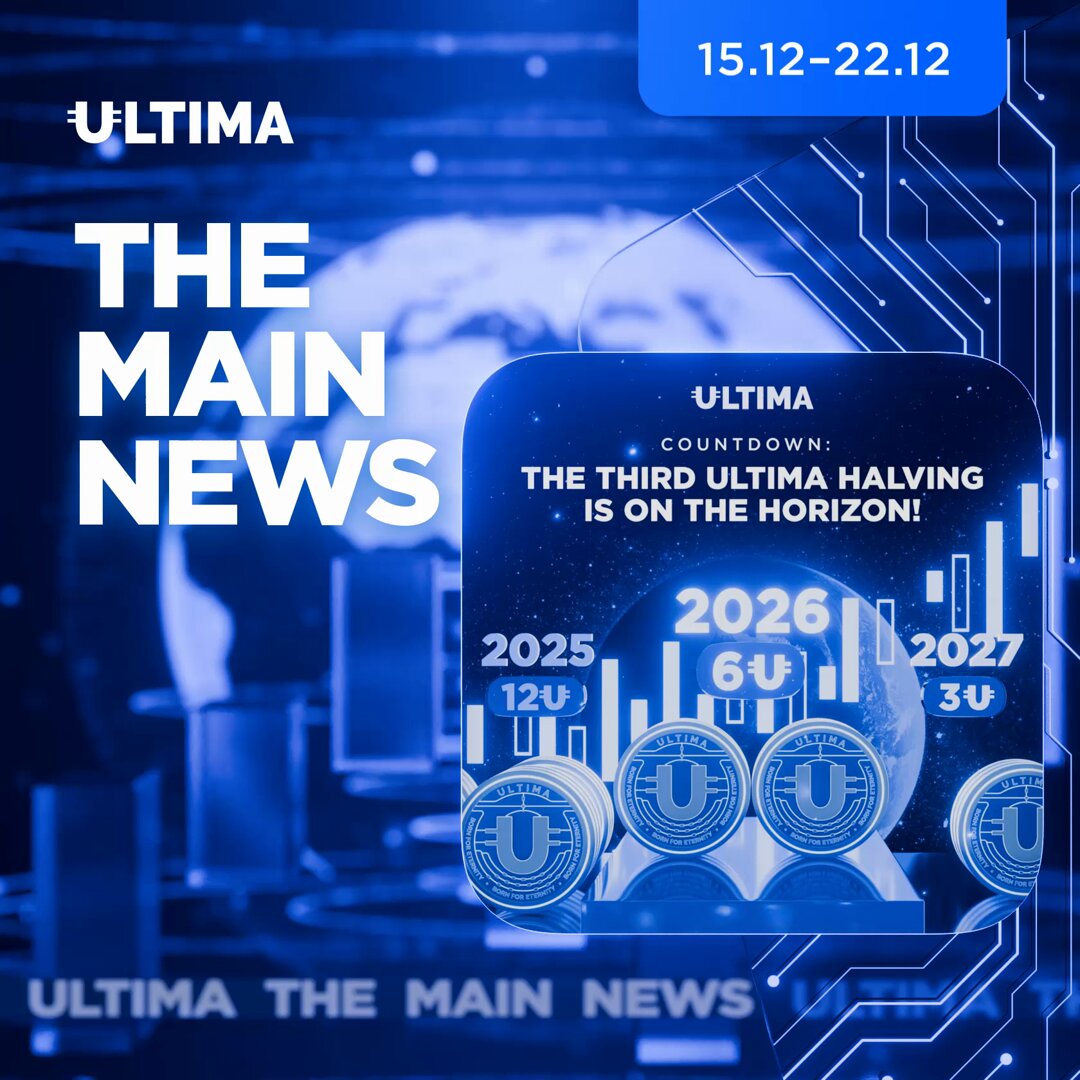
🌐 News of the Week from the Ultima Ecosystem ▶️ COUNTDOWN: THE THIRD ULTIMA HALVING IS ON THE HORIZON! In January 2026, the third ULTIMA halving will take place — a key event that will set a new vector for development and growth not only for the ULTIMA coin, but for the entire ecosystem! After the halving, fewer ULTIMA coins will enter the market. The reduction in supply will increase scarcity, which in the long term may become a powerful driver of growth. Now is the time to act and accumulate as much ULTIMA as possible! 🚀 ▶️ UPDATE: MANUAL ULTIMA FREEZE FOR 1 MONTH — A STEP TOWARD A NEW STAGE OF GROWTH! In honor of the upcoming holidays, the manual freeze period for ULTIMA coins has been reduced from 3 months to 1 month! In addition, all freezing fees have been canceled. This is an important step toward stabilizing the ULTIMA price and supporting steady long-term growth. Frozen ULTIMA are temporarily removed from circulation, creating scarcity — and scarcity is a key factor in value growth! By freezing ULTIMA coins FOR FREE, you participate in the pool and receive daily rewards in ULTIMA! Act now and get the most out of splitting technology! ▶️ MIGRATION OF PERFORMANCE FROM ULTIMA TRADING TO UTRADING: TRANSFER RULES The migration of performance from ULTIMA Trading to UTrading has been completed! All users who have bots on have been credited with performance on the platform — with no additional actions required! In this guide, you’ll learn the rules used for the automatic transfer, the conditions applied to first- and second-version bots, and how much performance you ultimately received: 🔹 Wishing you a productive week!

Ultima_Ecosystem

22,256 次观看 • 7 个月前

🚨 OPERATIONAL UPDATE: ISRAEL U.S. WAR WITH THE ISLAMIC REPUBLIC - Reporting Window: LAST 24 HOURS • Iran widened its fire again with a broad evening missile barrage on central Israel and continued attacks across the Gulf, including a drone strike that hit a fuel tank at Kuwait International Airport • Israel intensified strikes across Iran, with reported hits in Tehran, Qazvin and Alborz industrial areas, plus continued pressure on missile infrastructure and launch cells • Hezbollah kept the northern front active, including a direct rocket hit on a building in Kiryat Shmona, while Israel deepened its Lebanon campaign and Katz publicly framed the objective as a security zone up to the Litani • The diplomatic track moved forward, but only in the strangest possible way: Trump says talks are progressing, Iran still publicly denies direct negotiations, and multiple reports now point to JD Vance as Tehran’s preferred American interlocutor • The big picture is unchanged: the war is still live on every major front, but the center of gravity is shifting toward a contest over how it ends, who gets to define victory, and whether the Gulf will stay adjacent to the war or be pulled fully into it The most important thing to understand about the last 24 hours is that this was not a quiet period masked by negotiations. It was the opposite. The battlefield remained active from Tehran to southern Lebanon to Kuwait, even as Washington and Tehran edged further into a murky negotiation channel. That is what gives the last day its character: not de escalation, but simultaneous escalation and diplomacy, both moving at once. Open source reporting reflects the same picture, with repeated indications of strikes in Tehran and Qazvin, attacks near Baghdad airport, a Kuwait airport fuel fire, and a large Iranian barrage toward central Israel late in the window. **Special thanks to Michael W for your continued contribution to the open-source intel picture behind these updates. ━━━━━━━━━━━━━━━━━━ 🚀 IRANIAN MISSILE FIRE ON ISRAEL Iran kept up the pressure on Israel in two different ways over this window. Earlier in the cycle, a cluster warhead strike wounded nine people in Bnei Brak, with additional damage in Petah Tikva, while Hezbollah fire from Lebanon killed a woman near Mahanayim Junction and wounded several more in Kiryat Shmona. Later, near the end of the reporting window, Iran launched another broad barrage toward central Israel, with warnings stretching across Gush Dan, Sharon, Wadi Ara, Samaria, Judea and the Dead Sea region. Open source reporting you provided tracked that second wave in real time, showing how broad the alert footprint was even though initial reports indicated no immediate casualties from that specific evening barrage. This is what stands out operationally: Iran’s missile campaign is not gone, but it looks increasingly built around selective disruption rather than the huge opening barrages of the war. The salvos are still dangerous, still capable of civilian casualties and still capable of producing visually dramatic and politically effective moments, but they are landing against a backdrop of steadily intensifying strikes on Iran’s launch network. That makes each successful hit feel more deliberate and more strategic. ━━━━━━━━━━━━━━━━━━ ✈️ THE AIR CAMPAIGN OVER IRAN KEPT MOVING Israel’s strike campaign inside Iran also remained broad and geographically layered. Reuters reported renewed Israeli strikes as talks were being floated through intermediaries. Open source intelligence adds texture to that by showing repeated reporting from open source channels of impacts in eastern and western Tehran, the Alborz industrial zone in Qazvin province, and additional blasts reported across Khuzestan and other regions. There were also repeated reports of targeted assassination attempts in east Tehran, which fits the broader pattern of not just degrading launchers and production nodes, but also hunting the people tied to them. The color here matters. This no longer looks like a campaign limited to air defenses and obvious military compounds. The picture from the last 24 hours is of a system being pressed from multiple angles at once: missile depots, industrial support zones, launch crews, command elements and regime infrastructure in and around Tehran. Open source reporting reinforces that sense of breadth, especially the repeated references to Qazvin and Alborz secondary explosions and to ongoing heavy activity over Tehran. ━━━━━━━━━━━━━━━━━━ ⚡ THE ENERGY WAR IS STILL HOT The clearest new regional energy development in this window was Kuwait. Reuters reported that a drone attack hit a fuel tank at Kuwait International Airport, causing a fire but no casualties. That matters not because the material damage was catastrophic, but because it again shows Iran or Iran aligned actors reaching directly for civilian and logistical energy infrastructure in Gulf states. This was not an abstract threat anymore. It was a live strike on a functioning international hub. Your outbox tracked the same event quickly and repeatedly, alongside additional open source reporting about nearby attacks and power disruptions in Kuwait. At the same time, the diplomatic and military discussion around the Strait of Hormuz kept shaping everything else. Markets moved on talk of a U.S. proposal and possible hosted talks in Pakistan or Turkey. Oil eased on negotiation optimism, but the underlying structure of the crisis remains the same: Iran still retains the ability to disrupt shipping and energy confidence without fully “closing” the Strait in a formal sense. That is why even modest signs of diplomacy can move oil sharply, and why even a localized drone strike in Kuwait still carries outsized weight. ━━━━━━━━━━━━━━━━━━ 🇱🇧 LEBANON IS NOT A SIDESHOW The northern front kept boiling. Reuters reported that Israel now intends to occupy a swathe of southern Lebanon up to the Litani River, with Defense Minister Israel Katz explicitly describing a “security zone” concept. That is not rhetoric you use if you still think this is a short punitive phase. At the tactical level, Hezbollah continued to demonstrate that it can still impose costs, including a direct rocket hit on a building in Kiryat Shmona and earlier casualties in the north. Meanwhile, open source reporting pointed to Israeli strikes in Nabatieh, Rashidiya, Bchamoun and broader southern Lebanese infrastructure, which matches the picture of sustained pressure rather than episodic retaliation. The broader meaning is straightforward. Israel is signaling that if the Iran war ends inconclusively on the Iranian front, it does not intend to leave Hezbollah’s northern threat structure intact and simply hope for the best. Lebanon is being shaped now as part of the endgame, not just the current fight. ━━━━━━━━━━━━━━━━━━ 🇮🇶 IRAQ STAYED ACTIVE TOO Iraq remained active in the background, but it should not be treated as background noise. Open source intel reporting includes repeated reporting on a targeted U.S. strike on a vehicle near Baghdad airport and continued militia related activity tied to U.S. positions and proxy structures. That comes after the prior cycle’s major strikes on PMF and militia command nodes. It fits the larger pattern we have now seen for weeks: Iraq is not the main theater, but it is still one of the places where the war keeps trying to widen horizontally. ━━━━━━━━━━━━━━━━━━ 🌍 THE NEGOTIATION TRACK GOT STRANGER, NOT CLEARER Trump is still publicly presenting the talks as real progress. Reuters reports that Pakistan conveyed a U.S. proposal, with Pakistan or Turkey possible venues, and that Washington has floated a broader framework dealing with nuclear capability, missiles and proxies. At the same time, Iran continues to publicly deny meaningful direct talks and has toughened its public stance, insisting on guarantees, compensation and no rollback of its missile deterrent. What makes the last 24 hours more interesting is the growing focus on who would even talk for the United States. Times of Israel and Jerusalem Post reporting both indicate that JD Vance is increasingly central to the diplomacy, with Tehran reportedly preferring him over Witkoff and Kushner. The diplomatic track here appears as both real and deeply unstable, with questions about who on the Iranian side actually holds authority and whether Washington is now seeking an end state short of outright regime collapse. That shift matters because it tells us something important: Washington increasingly seems to be searching for an off ramp that still looks like victory, while Israel and Gulf allies appear much less comfortable with ending this war before Iran’s military and proxy architecture are degraded further. That tension is now one of the defining features of the conflict. ━━━━━━━━━━━━━━━━━━ 📌 WHAT MATTERS MOST RIGHT NOW 1️⃣ The war is still fully active across multiple fronts Iran hit central Israel again, Kuwait airport was struck, Lebanon stayed hot and Israel kept pounding targets inside Iran. Negotiations did not replace combat. They were layered on top of it. 2️⃣ The pressure on Iran’s internal military system keeps deepening The accumulating pattern of strikes in Tehran, Qazvin, Alborz and other areas suggests a campaign that is still broadening the target set, not narrowing it. Open source reporting in your files strongly supports that picture. 3️⃣ The diplomatic track is real, but it is not clean Trump is selling progress. Iran is denying direct talks. Vance is becoming more central. And nobody looking at the battlefield would conclude that the war is genuinely close to stopping on its own. ━━━━━━━━━━━━━━━━━━ BOTTOM LINE The last 24 hours painted a clearer picture than some of the recent reporting windows. This is no longer just a war of salvos and counterstrikes. It is now a war over end states. Iran is still trying to prove it can widen the cost map, not just hit Israel but keep the Gulf under pressure too. Israel is still trying to prove that sustained, system level degradation inside Iran can continue even while diplomacy swirls overhead. And Washington is trying to find a formula that can stop the war without looking like it backed down. That is why the reporting feels different now. The battlefield is still violent, but the arguments over how this ends are becoming just as important as the strikes themselves.

Inside_Israel_Intel

23,818 次观看 • 4 个月前

NASA has just launched a new website for its Moon Base missions, which aims to build a permanent $20 billion U.S. base on the Moon. SpaceX's Starship rocket will play a big role in these missions. "The Moon Base is a home away from Earth for Artemis astronauts who will live and work at humanity’s first lunar outpost. NASA is leading global teams of innovators across international space agencies, industry, and academia to build the Moon Base and establish an enduring human presence near the lunar South Pole for the benefit of all. Phase One (Now–2029): Experiment and Learn NASA will begin with a rapid series of robotic missions to scout the lunar South Pole region, test technologies, and prepare for surface operations ahead of future astronaut missions.: • A major increase in lunar activity, with up to 25 missions, including 21 landings. • Crewed and autonomous rovers for mobility demonstrations and surface preparation, along with four drones known as MoonFall and communications relay and observation satellites. • Early demonstrations of power, navigation, communications, and nuclear radioisotope heater unit technologies designed to endure the long lunar night. • Scientific payload opportunities integrated across landers and rovers. • The first tangible footprint of Moon Base effort, with four tons of payload delivered to test what works on the lunar surface. Phase Two (2029–2032): Early Habitation By 2029, NASA will transition to assembling semi-permanent infrastructure and initiating early habitation and logistics operations: • Deployment of expanded solar power systems and initial nuclear surface power capabilities, potentially including fission reactors and radioisotope power systems. • Upgraded rovers, potential advanced MoonFall drones, and early habitation elements. • Enhanced surface-to-orbit communications networks to provide reliable connectivity across the lunar South Pole region. • Delivery of up to 60 tons of cargo through as many as 24 landings using low-, medium-, and heavy-class cargo landers. Phase Three (2032 and Beyond): Sustained Human Presence This phase will scale operations to achieve a true enduring presence, with routine crew rotations and continuous surface activity. This is when living and working on the Moon becomes a reality: • Semi-permanent habitation modules with spacious interior for crew living and operations. • Operational fission surface power systems capable of delivering steady, reliable energy through the long lunar nights, leveraging in situ resource manufacturing. • Advanced logistics networks supported by crewed and autonomous rovers to keep the base supplied and functioning year-round. • Delivery of up to 38 tons of cargo annually to sustain habitats, power systems, logistics operations, and major science outposts, enabled by low-cost reusable heavy-lift capabilities." Moon base website:

Sawyer Merritt

955,271 次观看 • 2 个月前

🚨 OPERATIONAL UPDATE: TALKS FAIL, PRESSURE CONTINUES - Reporting Window: Last 24 Hours The diplomatic track did not produce a result in this window. After extended, high-level negotiations in Islamabad, the United States and Iran left without an agreement, despite what both sides described as a final round of talks. At the same time, Lebanon remains active, the Strait of Hormuz is still unresolved, and the broader regional pressure structure has not changed. ━━━━━━━━━━━━━━━━━━ 🇵🇰 ISLAMABAD TALKS: FAILED ROUND, NOT A BREAKTHROUGH The most important development in this window is straightforward: • U.S. and Iranian delegations held 21 hours of direct talks • No agreement was reached • Both sides left without accepting terms • Each side blamed the other The core issues did not move: • U.S. demands: nuclear rollback and unrestricted access to the Strait of Hormuz • Iranian demands: sanctions relief, reparations, control over Hormuz, and a regional ceasefire including Lebanon Those positions remain fundamentally incompatible. At its core, this is not just a ceasefire negotiation. It is a negotiation over Iran’s long-term ability to project power: • The U.S. is pushing to dismantle that capability, including nuclear, missile, and proxy elements • Iran is trying to preserve enough of it to remain a regional power Both sides are still signaling willingness to continue talks, but this round produced no progress. ━━━━━━━━━━━━━━━━━━ 🇱🇧 LEBANON: CONTINUED STRIKES, NO LINK TO CEASEFIRE Lebanon remains the most active battlefield and was not affected by the failed negotiations. Israeli strikes continued across southern Lebanon, with reporting confirming: • Multiple strike waves across southern towns • At least 11 killed in recent operations • Continued targeting of Hezbollah infrastructure and positions At the same time, Hezbollah continues: • Intermittent rocket fire toward Israel • Ongoing clashes along the border This reinforces the established fact that there is no operational pause in Lebanon. ━━━━━━━━━━━━━━━━━━ ⚓ STRAIT OF HORMUZ: NAVAL MOVEMENTS AND PARTIAL OPENING The most important operational shift in this window is in the Strait itself. Two U.S. Navy destroyers transited the Strait of Hormuz, tied to planned mine-clearing operations. Three supertankers successfully exited the Gulf, while hundreds remain queued, and Iran continues to signal control and leverage over access. At the same time, the U.S. has now moved beyond signaling: • President Trump announced the Navy will interdict vessels that pay tolls to Iran • He indicated a willingness to impose a de facto blockade of the Strait • The stated objective is to eliminate Iran’s ability to monetize or control passage This creates a new reality: • Hormuz is not fully closed • It is not fully open • It is now becoming an actively contested maritime zone ━━━━━━━━━━━━━━━━━━ 🌍 GLOBAL ENERGY RESPONSE Markets are already adapting to the disruption. • Tankers are rerouting away from the Gulf • U.S. exports are rising toward record levels • Gulf Coast refineries are running near capacity • Major buyers are competing for non-Gulf supply The effect is clear. Iran disrupted supply, the global market began rerouting around it, that does not remove Iran’s leverage. It limits how long that leverage can be sustained. ━━━━━━━━━━━━━━━━━━ 📌 WHAT MATTERS MOST RIGHT NOW • U.S.–Iran talks failed to produce an agreement • Both sides left Islamabad without accepting terms, though talks may continue • Lebanon remains an active battlefield, with continued Israeli strikes and Hezbollah fire • The U.S. has begun direct naval movement through Hormuz, including destroyer transits and upcoming mine-clearing operations • Shipping is partially resuming, but the Strait remains unstable and contested ━━━━━━━━━━━━━━━━━━ 🧠 ASSESSMENT This was a real negotiation attempt. It failed. And the reason it failed is becoming clearer. Iran continues to negotiate as if it holds structural leverage over the outcome. The battlefield suggests otherwise. Its position is weaker than its posture. But it is not without leverage. That leverage is concentrated in two places: • The ability to disrupt Hormuz and global energy flow • The ability to keep secondary fronts, especially Lebanon, active The first creates economic pressure. The second prevents clean diplomatic separation. At the same time, the United States is signaling something equally important: It is willing to test those limits directly. Naval transits through Hormuz are not symbolic. They are the early stages of forcing open the most important pressure point Iran still holds. That is the real signal underneath the headlines. Not just that talks failed. But that both sides are now preparing for what happens if they continue to fail.

Inside_Israel_Intel

22,034 次观看 • 4 个月前

Why is the market selling off today? (Save this). The semi selloff right now is being driven by a mix of macro fear, profit taking and investors questioning how quickly all of this AI spending will actually pay off, not because demand for AI infrastructure suddenly disappeared. The market is basically trading this chain reaction, the ongoing US Iran escalation pushes oil higher, higher oil keeps inflation elevated, sticky inflation keeps Treasury yields high and that increases the risk of the Fed staying hawkish or even hiking again. That is a terrible setup for semis because many of these companies are valued on the massive earnings investors expect them to generate years from now. When yields rise, those future earnings become worth less today which is why the highest multiple AI and semiconductor names usually get hit first. (I don't think there will be a hike this year). This is also why everything is moving together right now. Nvidia, Micron, Nebius, SanDisk, Broadcom and Applied Optoelectronics are all completely different businesses, but institutions are not separating memory, networking, optics, compute and cloud infrastructure at the moment. They are reducing exposure to the entire AI trade, taking profits in the names that have already run the most and moving into a more defensive position potentially ahead of the Fed. There is also growing pressure around hyperscaler capex. Microsoft, Meta, Amazon and Google are still spending enormous amounts on GPUs, data centers, networking and power but the market is starting to ask when all of that spending will actually turn into revenue and free cash flow. Investors are no longer satisfied with hearing that AI capex is growing. They want proof that the returns are arriving fast enough to justify the valuations already priced into the entire AI ecosystem. That creates a weird situation where hyperscaler capex can continue rising while semiconductor stocks still fall. The market is not asking whether AI spending is growing anymore but rather asking whether it is growing fast enough to beat the expectations already baked into these stocks. Crowded positioning is another major factor. Semis and AI infrastructure stocks have been some of the biggest winners in the market so institutions are sitting on huge profits and many funds own the exact same names. When macro risk increases, investors usually sell the most liquid winners first. That does not mean demand for memory, optics or custom chips suddenly collapsed but rather means investors are locking in gains and reducing risk. Tariffs add another layer because even when they are not directly placed on chips, they can still raise the cost of servers, electrical equipment, cooling systems, construction materials and the overall data center buildout. That makes AI infrastructure more expensive while also adding another source of inflation. Then you have Jensen Huang’s letter to the White House this morning about open weight AI models, which I think is one of the most important long term developments here. Nvidia, Meta, Microsoft, Palantir and several other companies are pushing Washington not to place broad restrictions on open weight AI. OpenAI and Anthropic were notably absent because open models are much more of a threat to their business models. OpenAI and Anthropic benefit from a world where a few closed frontier labs control the best models and companies have to pay them through subscriptions and APIs. Open weight models weaken that advantage because businesses can download a model, customize it for their own use and run it on their own infrastructure or through a neocloud. That is bad for OpenAI and Anthropic because it puts pressure on pricing, margins and the idea that they will control the intelligence layer of the economy but it is very good for the AI ecosystem as a whole over the long run. But the question is what does this mean for all the OpenAI and Anthropic commitments? so that's adding to the fear as well. But with that being said open models make AI cheaper and more accessible. Instead of AI being controlled by a few giant labs, thousands of startups, universities, governments and regular businesses can deploy models themselves. That spreads AI adoption across the entire economy and creates a much larger infrastructure opportunity and that is exactly why Jensen cares. Nvidia does not need OpenAI or Anthropic to win. Nvidia just needs more people using AI. Whether the model comes from OpenAI, Anthropic, Meta, Mistral, Kimi or some startup nobody has heard of yet, it still needs GPUs, memory, networking, data centers and electricity. So open weight AI could actually weaken the model companies while making the infrastructure layer much bigger. More open models mean more companies running inference. More inference means more GPUs. More GPUs mean more HBM, optical transceivers, switches, data centers and power. That is bullish for Nvidia Nebius, Micron, Broadcom , Marvell and Applied Optoelectronics over the long run. So my take is that the current semi selloff is being driven mostly by macro uncertainty, higher oil, rising yields, Fed fears, tariffs, crowded positioning and questions around the return on hyperscaler capex. The underlying AI infrastructure thesis has not suddenly broken. We are not broadly seeing hyperscalers cancel GPU orders, slash capex, abandon data center projects or report that AI demand has collapsed. What has changed is the valuation investors are willing to pay while the macro environment remains unstable. The market is lowering the price it is willing to pay for semiconductor growth but is not necessarily saying that growth is gone. And while Jensen’s open weight push may be bad for OpenAI and Anthropic, it could be one of the best things possible for the AI ecosystem over the long run because it creates more models, more developers, more competition and ultimately much more demand for the infrastructure underneath all of it. Nothing about the AI thesis has changed for me, so I will be going shopping and taking advantage of this sale while the market is selling everything together. I am an analyst at Milk Road Pro, and if you want to see exactly what I am buying, you can join for just $1 using the link below.

Melvin

179,939 次观看 • 21 天前

🚨OPERATIONAL UPDATE: ISRAEL U.S. WAR WITH THE ISLAMIC REPUBLIC - Reporting Window: 3/11 to 3/12 • Iran widened pressure on the Gulf energy system, with tankers hit near Basra, a container vessel struck near the UAE, and fuel infrastructure targeted in Bahrain and Oman, sending oil back above $100. • Israel expanded its campaign inside Iran, striking IRGC command infrastructure, missile production sites, and drone launch networks in and around Tehran. • Hezbollah launched one of its largest rocket barrages of the war, triggering heavy Israeli strikes on command centers and weapons infrastructure in Beirut’s southern suburbs. • Iranian proxies and aligned forces continued attacks on U.S. positions across the region, bringing the total number of incidents targeting American sites or personnel to at least 25 since the war began. The central story of the last 24 hours is that the conflict is increasingly moving beyond the battlefield and into the systems that keep the region functioning. Iran continues to pressure shipping, energy infrastructure, and U.S. positions across the Middle East, while Israel is pushing deeper into the regime’s military and security architecture. The result is a war that now looks less like a contained exchange of strikes and more like a widening struggle over the region’s economic stability, military balance, and internal political control. ━━━━━━━━━━━━━━━━━━ *⃣ PERSIAN GULF: IRAN CONTINUES TO PRESSURE THE ENERGY SYSTEM The Persian Gulf remained the most strategically significant theater over the last 24 hours. Multiple reports confirmed additional attacks affecting shipping and energy infrastructure across the region. Two oil tankers were reported burning in Iraqi waters near Basra after earlier strikes on vessels in the Gulf, while another container ship was reportedly hit near the UAE. Fuel and logistics infrastructure also came under pressure. Bahraini authorities reported that Iranian aggression targeted fuel tanks at a facility in Muharraq near Bahrain International Airport, while additional reports indicated that oil storage facilities at Oman’s Port of Salalah were struck. These attacks reinforce a clear pattern: Iran may not be able to fully close the Strait of Hormuz, but it is demonstrating that it can disrupt the broader logistical network surrounding the Gulf’s energy system. The market reaction was immediate. Oil prices moved back above $100 despite coordinated moves by the United States and its partners to release large volumes from strategic petroleum reserves. The International Energy Agency and several governments have moved to inject supply into the market, but these measures are temporary buffers. As long as shipping through the Gulf remains at risk, the global energy market will continue to price in disruption. ━━━━━━━━━━━━━━━━━━ *⃣ TEHRAN: THE CAMPAIGN IS NOW HITTING THE REGIME’S CORE SECURITY NETWORK The latest strike waves inside Iran appear to be moving beyond general bombardment and toward a systematic dismantling of the regime’s security infrastructure. Israeli strikes reportedly targeted the IRGC Air Force headquarters in Tehran, ballistic missile storage and production facilities, Basij paramilitary command centers, and a compound at Imam Hossein University that functions as an operational hub for the Revolutionary Guards. Additional strikes were reported against Iranian intelligence ministry facilities and internal security infrastructure, indicating that the campaign is beginning to focus not only on missile capability but on the regime’s ability to control events inside the country. Separate strikes in western Iran reportedly hit drone launch teams preparing attacks toward Israel, suggesting that launch infrastructure is now being targeted dynamically as it emerges rather than only through preplanned strikes against fixed installations. Satellite imagery also confirmed damage to Iranian F-14 fighter aircraft at Isfahan’s 8th Tactical Air Base, further degrading an already aging Iranian air force that has struggled to contest Israeli and U.S. air superiority throughout the conflict. Taken together, the targeting pattern suggests that the coalition is increasingly focusing on the regime’s operational nervous system: command networks, launch infrastructure, and internal security forces that allow the government to coordinate and sustain military operations. ━━━━━━━━━━━━━━━━━━ *⃣ LEBANON: ISRAEL IS NOW TARGETING HEZBOLLAH’S OPERATIONAL COMMAND STRUCTURE The northern front also escalated sharply over the last 24 hours. Hezbollah launched one of its largest barrages of the war, firing large numbers of rockets and drones toward northern Israel in coordinated strikes linked to Iran’s broader regional campaign. Israel’s response focused heavily on Hezbollah’s command and operational infrastructure rather than simply retaliating against launch sites. Israeli aircraft struck multiple facilities in Beirut’s southern suburbs (Dahieh), including command centers, operational headquarters, and weapons storage sites linked to Hezbollah’s Radwan forces, the elite unit responsible for cross-border operations against Israel. Additional strikes targeted missile launch infrastructure and militant positions across southern Lebanon, as well as logistical sites used to support ongoing rocket attacks. The concentration of strikes in Dahieh is significant. The area functions as Hezbollah’s central military and intelligence hub, and repeated attacks there suggest Israel is attempting to disrupt the group’s command-and-control structure rather than merely suppress individual launch cells. This shift indicates that the northern theater may be entering a new phase where Israel seeks to systematically degrade Hezbollah’s operational leadership and coordination networks, not just reduce the immediate rocket threat. ━━━━━━━━━━━━━━━━━━ *⃣ REGIONAL SPILLOVER: U.S. POSITIONS AND GLOBAL SECURITY CONCERNS Regional spillover continues to grow. Iranian proxies and aligned groups have carried out repeated attacks targeting American facilities or sites hosting U.S. personnel across the Middle East. Analysts now count at least 25 attacks targeting U.S. sites or locations housing American personnel since the war began. One of the most significant recent incidents involved a drone strike on a large U.S. diplomatic facility near Baghdad International Airport. The attack caused damage but did not produce casualties, and U.S. officials suspect it was carried out by Iranian-aligned militias operating in Iraq. Beyond the Middle East itself, intelligence warnings suggest the conflict could reach further. U.S. authorities have warned about potential Iranian retaliation targeting American interests abroad, including scenarios involving drone launches from maritime platforms. Cyber activity linked to Iran has also been detected in Europe, including an attempted attack on a nuclear research facility in Poland that officials say bears multiple indicators of Iranian involvement. These developments show that while the war’s kinetic center remains in the Middle East, the broader confrontation between Iran and its adversaries is beginning to manifest across multiple domains: military, cyber, and economic. ━━━━━━━━━━━━━━━━━━ *⃣ WHAT MATTERS MOST RIGHT NOW The key takeaway from the past 24 hours is that the war is continuing to widen in practice even as some political messaging suggests it could be nearing a conclusion. Iran is still capable of imposing meaningful costs through attacks on shipping, energy infrastructure, and proxy operations across the region. Israel, meanwhile, is expanding its strike campaign into deeper layers of Iran’s military and security architecture while escalating pressure on Hezbollah in Lebanon. Neither side appears close to a decisive breakthrough. Iran’s leadership structure remains intact despite heavy strikes, and its network of proxies continues to generate pressure across multiple fronts. At the same time, Israel and the United States retain overwhelming military superiority and appear committed to degrading Iran’s ability to sustain a prolonged conflict. For now, the trajectory remains clear: the war is evolving from a direct exchange of strikes into a broader contest over the region’s economic stability, military balance, and political future. --------------------------------- END REPORT

Inside_Israel_Intel

30,124 次观看 • 5 个月前

🚨 OPERATIONAL UPDATE: ISRAEL U.S. WAR WITH THE ISLAMIC REPUBLIC - Reporting Window: LAST 24 HOURS • Iranian missiles struck Tel Aviv and northern Israel, causing injuries and structural damage • Israel expanded strikes across Iran, including Tehran, Tabriz, Isfahan, Bandar Abbas, and missile infrastructure sites • U.S.–Israel strikes hit senior PMF infrastructure in Iraq, killing key commanders • Reported strikes on Iranian gas infrastructure in Isfahan and Khorramshahr signal a potential shift toward energy targeting • Lebanon intensified with evacuations, Rashidiya strikes, and continued Hezbollah fire • Trump abruptly pivoted to negotiations with Iran and extended the Hormuz deadline, delaying a major escalation The past 24 hours were not defined by a single headline event, but by a combination of very real battlefield activity and a sudden political shift at the top level. On the ground, the war remained active across every front: Israel, Iran, Lebanon, Iraq, and the Gulf. At the same time, the expected U.S. escalation tied to Hormuz did not happen. Instead, Washington pivoted toward negotiations, with Trump claiming talks are close to agreement while Iran publicly denies that anything meaningful is underway. That combination, ongoing war with a simultaneous negotiation track, is new. And it matters. ━━━━━━━━━━━━━━━━━━ 🚀 IRANIAN MISSILE ATTACKS ON ISRAEL Iran continued missile launches into Israel, with a clear pattern of split targeting between central and northern sectors. A missile hit in Tel Aviv injured several civilians and damaged nearby residential structures. Later waves triggered wide alert zones across northern Israel, including the Galilee, Golan, and confrontation line communities. Your outbox tracked these alerts across dozens of locations in real time. There were also additional impacts from fragments and debris, including a schoolyard hit and damage to homes in the north without mass casualties. This continues a trend seen over the last several days: • lower salvo size • wider disruption footprint • sustained daily pressure Iran is no longer relying on large coordinated barrages. It is maintaining pressure through frequency, geography, and effect per missile. At the same time, Israeli officials continue to investigate interception gaps, including earlier failures tied to THAAD systems, reinforcing that even a degraded Iranian launcher network can still produce meaningful results. ━━━━━━━━━━━━━━━━━━ ✈️ STRATEGIC AIR CAMPAIGN OVER IRAN The Israeli and U.S. strike campaign inside Iran remained broad, multi-layered, and geographically extensive. Mainstream reporting confirmed strikes on: • missile storage and production facilities • regime and intelligence headquarters in Tehran • additional infrastructure in Isfahan and surrounding regions Open source intel shows how wide this really was. Strikes or explosions were reported across: • Tehran (multiple districts including eastern sectors and Parchin-adjacent areas) • Tabriz • Khuzestan and Dezful • Bandar Abbas and coastal nodes • Yazd and missile infrastructure There were also multiple reports of targeted assassination strikes, destruction of missile-related infrastructure, and pressure on internal security nodes This matters because the campaign is not narrowing. It is hitting production, command, logistics, and leadership. This is a system-wide degradation effort, not a tactical suppression campaign. ━━━━━━━━━━━━━━━━━━ ⚡ ENERGY INFRASTRUCTURE: THE WAR IS GETTING CLOSER TO THE GRID One of the most important developments in this window was the reported targeting of Iranian gas infrastructure. Reuters reported a gas company office and pressure reduction station hit in Isfahan and a pipeline feeding a power station in Khorramshahr struck At the same time, oil prices rose again as markets reacted to continued Hormuz disruption, uncertainty around negotiations, and risk of escalation into full infrastructure targeting Open source intel strongly corroborates these reports, with repeated references to the same targets and follow-on rhetoric about retaliatory strikes on regional power systems. This is the key shift. The war is moving from military systems toward civilian energy systems. Not fully yet, but clearly closer. ━━━━━━━━━━━━━━━━━━ 🇮🇶 IRAQ: PROXY COMMAND STRUCTURE HIT The Iraq front escalated meaningfully. Reuters reported that strikes hit: • PMF headquarters in Anbar • a residence tied to PMF leadership Casualties included at least 15 fighters killed, dozens wounded, and the confirmed death of operations commander Saad al-Baiji. Open source intel confirmed this in real time, including militant messaging and follow-on threats against U.S. positions. This was not a minor militia strike. It was a hit on central PMF command infrastructure. That keeps Iraq as an active and important front, not just a background theater. ━━━━━━━━━━━━━━━━━━ 🇱🇧 LEBANON: PRESSURE CONTINUES AND DEEPENS The Lebanon front remained highly active. Key developments included evacuation warnings north of the Zahrani River, Israeli strikes near Rashidiya and southern Lebanon infrastructure, and continued Hezbollah rocket fire into northern Israel. Open source intel tracked: • strike activity near Rashidiya refugee camp • additional targeted strikes in Bchamoun • repeated northern Israeli alerts Israel continues shifting toward targeting infrastructure, limiting movement, and shaping the battlefield. Hezbollah remains active, but increasingly constrained. ━━━━━━━━━━━━━━━━━━ 🌍 WASHINGTON, TEHRAN, AND THE NEGOTIATION TRACK In a sharp pivot, Trump announced that the U.S. is now holding talks with Iran, the Hormuz deadline was extended, and discussions are “close to agreement”. From there markets reacted immediately with oil prices dropping and then global markets rallying. But the reality is far less clear. Iranian leadership denied meaningful negotiations, and then demanded compensation and guarantees as new conditions for an any agreement, including limiting U.S. presence in the Gulf There is also uncertainty about who the U.S. is even talking to. Reports suggest contact with Mohammad Ghalibaf rather than Mojtaba Khamenei, who has not been seen publicly. At the same time, there is a deeper shift: The U.S. may now be willing to end the war without full regime change. That is a major departure from earlier expectations. Meanwhile, Israel is trying to ensure any deal reflects its interests, with Netanyahu reportedly engaging directly with the administration. ━━━━━━━━━━━━━━━━━━ 📌 WHAT MATTERS MOST RIGHT NOW Three developments define the war right now. 1️⃣ The battlefield remains fully active across all fronts. Missiles, strikes, Lebanon operations, and Gulf pressure all continued in this window. 2️⃣ The war is moving closer to energy infrastructure targeting. Isfahan and Khorramshahr are early signals of a potentially much more dangerous phase. 3️⃣ Negotiations have entered the picture, but nothing is settled. The war is still being fought at full intensity even as diplomacy begins. Bottom line, this was not just another day of escalation. It was the first clear moment where war and negotiations are happening at the same time. That creates a new dynamic: • escalation is still real • pressure is still increasing • but the outcome is now less predictable than it was 24 hours ago Quick note... big thanks to Michael W for contributing to the open-source intel picture behind these updates. If you’re serious about following this war and the broader geopolitical landscape, he’s worth having in your feed. ━━━━━━━━━━━━━━━━━━ END OF REPORT

Inside_Israel_Intel

37,207 次观看 • 4 个月前