Загрузка видео...

Не удалось загрузить видео

На главную

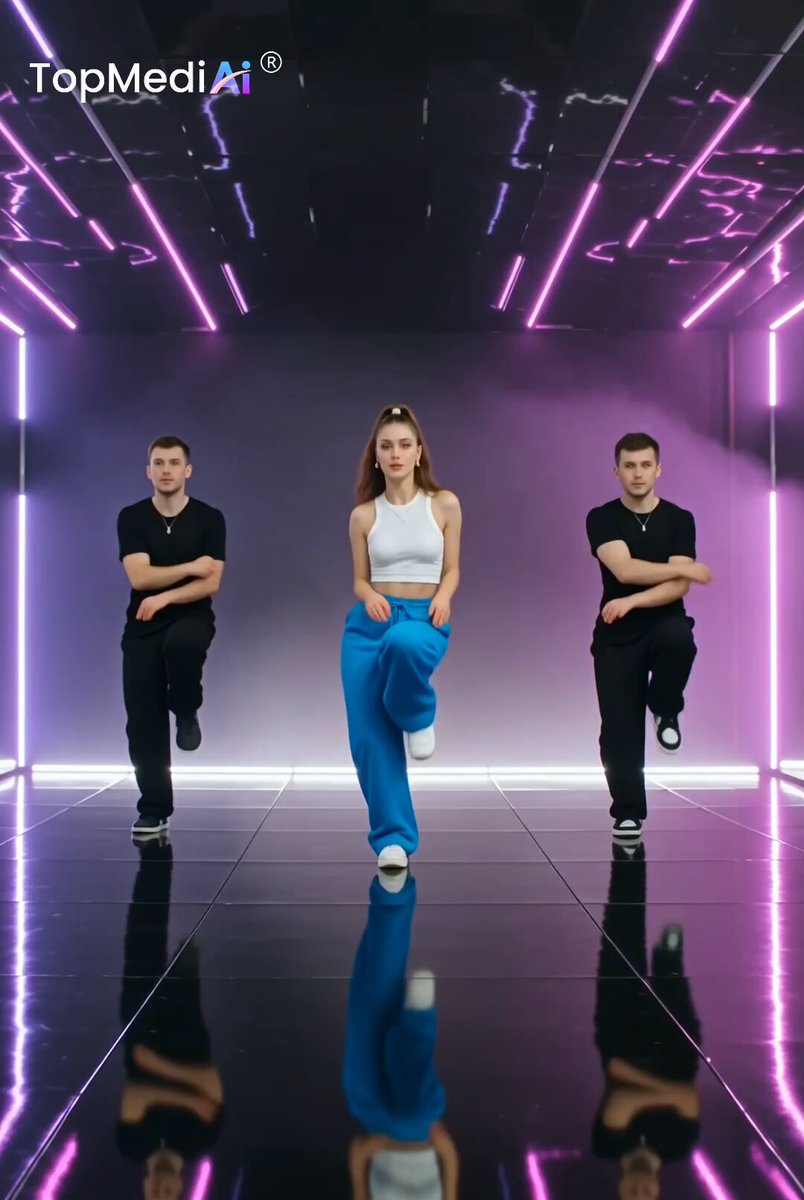
currently experimenting with WAN 2.6 I2V on GMI Cloud in this test, I’m comparing two audio workflows and honestly both perform really well. one scene uses audio generated directly from the prompt, while the other uses manually uploaded audio taken from the film 300. visually, both deliver strong motion...

96,950 просмотров • 6 месяцев назад •via X (Twitter)

Комментарии: 0

Нет доступных комментариев

Здесь появятся комментарии из оригинального поста

Похожие видео

🇨🇳 Another great Chinese Model, OmniHuman-1.5 from ByteDance Turns 1 image plus a voice track into expressive avatar video by pairing a System 1 and System 2 inspired planner with a Diffusion Transformer, Produces coherent motion for over 1 minute with moving camera and multi character scenes. Most avatar models move to the beat of the audio but miss meaning, so gestures feel generic and emotions feel shallow. The fix here is a Multimodal LLM planner that listens to the speech and drafts a structured plan describing intent, emotions, beats, and high level actions, which gives the motion engine clear semantic targets instead of only rhythm. The motion engine is a Multimodal Diffusion Transformer that fuses the plan with audio, the single reference image, and optional text prompts, then synthesizes continuous body, face, and head motion that matches both words and tone. A key trick is a Pseudo Last Frame, a synthetic target that summarizes the next expected state, which stabilizes fusion across modalities and keeps motion consistent over long spans. From just 1 image and speech, the system outputs speaking avatars with synchronized lips, context aware gestures, and continuous camera movement, and it also supports multi character interactions without manual choreography. Reported results show strong lip sync accuracy, high video quality, natural motion, and close match to text prompts, and the same setup works on nonhuman characters too.

Rohan Paul

63,859 просмотров • 10 месяцев назад

WATCH THIS VIDEO CAREFULLY. FORENSIC ANALYSIS OF A VIDEO CURRENTLY BEING CIRCULATED AND SPREAD ON ARAB TELEGRAM CHANNELS (Mor Edge Insight in conjunction with GAZAWOOD - The Pallywood Saga - BACKUP - July 6) What you are about to see is raw footage of an active arrest operation and genuine footage. This clip is currently circulating on Palestinian Telegram channels and is being prepared for wider distribution on X. It follows a familiar pattern of real footage with heavy manipulation and inauthentic audio to create a perception and narrative that doesn’t exist and is not what the footage actually shows. Here is the step-by-step forensic breakdown. The audio track contains multiple sharp “gunshots.” However, frame-by-frame examination shows no muzzle flashes at any point, even in bright daylight where unsuppressed firearms would produce clear, visible bursts. There is also no visible recoil or weapon movement on the individuals holding rifles. The barrels show no suppressors, yet the sounds are relatively clean “pops” rather than the overwhelming cracks expected from unsuppressed fire at that range. The audio of the shots fired are more reminiscent of a children’s toy than a real gunshot. More critically, the visual action is happening at a clear distance across the road, at a distance of an estimated 60-100m away from the camera, yet the gunshots and shouting sound as if recorded right next to the camera. Real distant gunfire would be thinner, more muffled, and accompanied by environmental echoes. This audio was added in post-production. How distance was determined: The white car in the immediate foreground (partially visible on the left) is only 5–10 meters away. The road width and the position of the parked vehicles and people with guns put the core action clearly in the mid-ground, across the full width of the street and shoulder. Reference objects: Standard car lengths (4.5–5m), average adult height (1.7m), and the spacing of streetlights/power poles all support a distance in that 60–100 meter range for the shooters and the SUV. The black SUV drives a noticeable distance across the frame without appearing overly large or close, further confirming it’s not right next to the camera. This distance makes the audio mismatch even more obvious. Real gunfire at 60–100 meters would sound significantly more distant and muted, with clear delay and environmental filtering. The overlaid “cracks” sound like they were recorded (or synthesized) much closer. Summary 1. Real gunshots, especially in an open outdoor environment like this, produce a sharp initial crack (supersonic bullet) followed by a broader report/echo, with significant low-frequency rumble, reverberation off the ground/cars/objects, and environmental decay. These sound more like clean “pop/crack” samples layered on top. 2. They lack the natural variations in volume, timing, or distortion you’d expect from actual firearms in a real chaotic scene (muzzle blast, echoes, distance differences) even with silencers which from that distance you wouldn’t even hear. They feel “pasted in” during editing. 3. The overall audio mix (ambient road noise, car sounds, voices) doesn’t interact naturally with the “shots”, there is no proper masking, reverb bleed, or mic overload you’d get from real loud events captured on the same recording device. Always examine the audio against the visuals, check for continuity errors, and watch how people actually behave when they think no one is watching the performance. Share if you value this kind of detailed verification.

Mor Edge Insight

19,163 просмотров • 8 дней назад

Honestly, I hate that I even have to say this, but seeing people use one single fancam to claim Sana “can’t dance” is genuinely ridiculous. Y’all, for everyone dragging Sana because of one video from the 73rd THIS IS FOR tour show, I think it’s important to look at the full context before judging her dancing ability. First of all, Sana had been dealing with a cold, flu, and cough for over a month at that point, which can definitely affect stamina and performance consistency during a 2–3 hour concert. There are also several factors that can make the dancing look less smooth in that particular fancam: 1. Outfit If you’ve watched other fancams from this black outfit era, Sana was adjusting her outfit quite often on stage because it seemed to shift, slip, or sit unevenly at times. An uncomfortable outfit can naturally affect movement and make a performer more cautious. 2. Camera tracking The camera appears to follow her movements slightly late. Even a small delay can make smooth transitions look jerky or abrupt when viewed on video. 3. Awkward zoom distance The fancam isn’t zoomed out enough to show the full choreography, but it’s also not close enough to focus on facial expressions. Because of that, viewers end up focusing mostly on body transitions and posture, which can make movements look harsher than they actually are. 4. Phone camera limitations High-energy movements recorded on a phone can suffer from motion blur, stabilization issues, and frame-rate limitations. Sharp movements that look clean in person can appear choppy or less fluid on video. 5.Stamina This was already the 73rd show of the tour. Performing the same demanding choreography for dozens of concerts while dealing with illness can affect anyone’s energy level. And if this one clip is enough to convince you that Sana “can’t dance,” then I encourage you to watch other performances of Right Hand Girl from different angles and different outfits. Looking at a performer’s overall body of work will always give a more accurate picture than judging them from a single fancam. One fancam does not erase years of consistently solid performances.

puteri🍉

38,216 просмотров • 1 месяц назад