Загрузка видео...
Не удалось загрузить видео
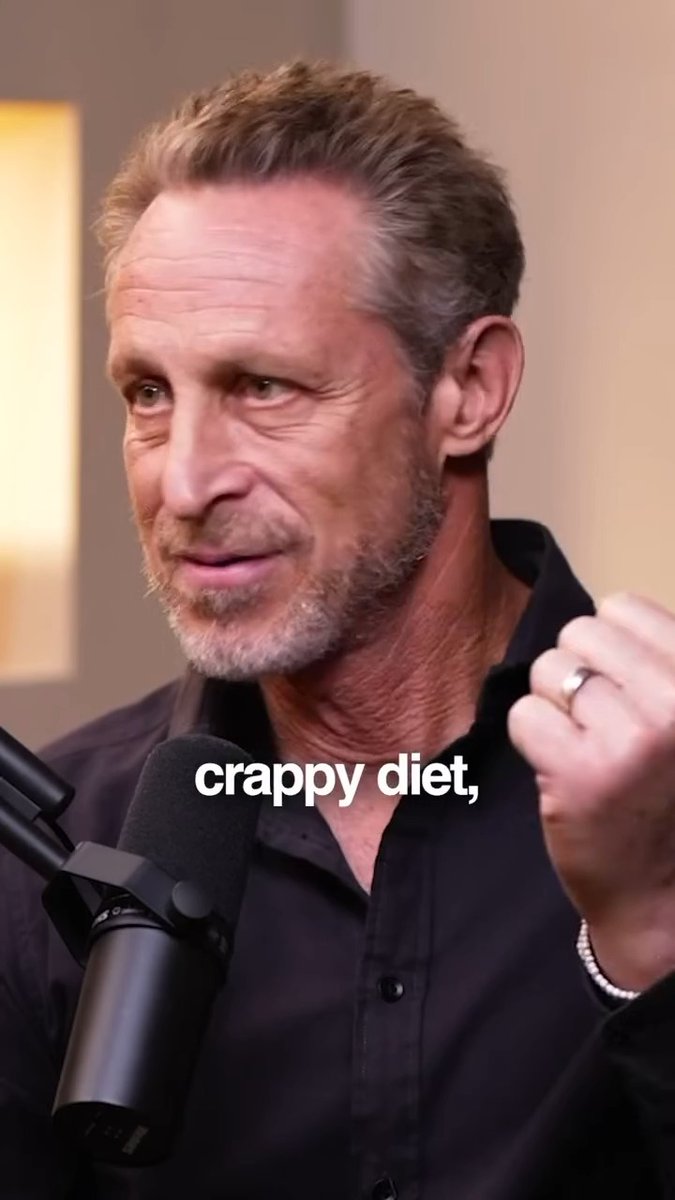
Dr. Chatterjee is a GP who's spent decades helping patients reverse chronic illnesses. He discovered that genetics aren't the main determinant of disease. These 4 factors play a crucial role: • Physical inactivity • Sleep deprivation • Chronic stress • Poor diet

107,873 просмотров • 1 год назад •via X (Twitter)
Комментарии: 16

This is Dr. Rangan Chatterjee. He spent 20+ years studying how modern lifestyle affects health. His discovery? Most chronic diseases are caused by daily actions––not genetics. 7 habits you need to fix before they lead to long-term damage:
These create what Dr. Chatterjee calls the "threshold effect": Your body can handle multiple stressors up to a point until everything starts crashing down––leading to diseases such as diabetes & chronic pain. Luckily, simple lifestyle changes can fix this. Here's how:
1. Create absolute darkness in your bedroom Dr. Chatterjee found that eliminating artificial light before bed helped patients fall asleep faster and wake up more refreshed. This is because light disrupts your body's sleep hormones. But sleep isn't just about darkness at night.
It's about light in the morning too. Chatterjee recommends spending at least 20 minutes outside every morning. This exposure to natural light helps regulate your circadian rhythm and it's a cornerstone of his sleep protocol. It regulates your body's clock each day to optimize sleep cycles.
2. Break the Stress Cycle Most people think stress is normal. But Dr. Chatterjee found it creates "micro stress doses" (MSDs) that silently damage your health. These MSDs compound throughout your day, disrupting sleep and weakening immunity. His solution is brilliantly simple:
The 3-4-5 breath instantly calms your nervous system: • Breathe in for 3 seconds • Hold for 4 seconds • Out for 5 seconds Do this whenever you feel tense. Your body can't be stressed and relaxed at the same time.
3. Transform Your Diet Dr. Chatterjee's genius rule: Avoid foods with more than 5 ingredients on the label. This isn't just about eating "healthy" - it's about eating real food. The more ingredients, the more processed it is. The more processed, the more inflammation in your body.
4. The 12-Hour Window Eat all your food within 12 hours (for example, 8am to 8pm). Why? Because your body repairs itself in the other 12 hours. Think of it like giving your digestive system a daily reset - no fancy diets needed, just timing your meals right.
5. Movement Integration Forget hour-long gym sessions. Dr. Chatterjee found consistent small movements matter more: • Strength train twice weekly (even 15 minutes counts) • Walk 10,000 steps daily (break it into chunks) • Move every hour (quick stretches or squats) Movement is medicine.
6. Digital Boundaries Your phone is like a stress factory in your pocket. Every notification triggers a small stress response––multiply this by hundreds of times daily. Dr. Chatterjee's solution is regular "tech fasts" (designated times when you're completely offline). Your mind needs some rest too.
7. The Gratitude Practice Gratitude physically changes your brain. End each day noting three specific things you're grateful for. Dr. Chatterjee found this simple practice helps reduce stress hormones and improve sleep quality. It's meditation without meditating.
Trying these all at the same time might feel overwhelming. But here's the key to making them work: Start small. Don't try to change everything at once. Pick one habit. Master it. Then move to the next.
These "health tips" are the difference between chronic illness and vibrant health. Will you let modern life lead to illness, Or create the conditions for your body to heal naturally?
I hope you've found this thread helpful. Follow me @samyr_q for more. Like/Repost the quote below if you can:
I'm Samyr—ex-Apple & Gartner Now founder of Knack - edtech modernizing p2p student support VP at Deep Acre - investing in new fund managers & founders I write about startups, leadership, & risk-taking Empowering 1st-time & immigrant founders to build world-changing firms 🔥

Your lifestyle plays a massive role in how you age. Take our quick Longevity Test to see how your habits influence your lifespan potential. With aging being 70-90% lifestyle and only 10-30% genetics, now's the time to take charge of your health.


!["Most cardiologists will not think or believe that it's possible to reverse heart disease" - Dr Aseem Malhotra Lifestyle Changes proved the mainstream medical belief system wrong, and found a stunning chronic stress connection to heart disease at the same time. Dr Aseem Malhotra found an astounding study from a Cardiologist in India who was using lifestyle changes for people that didn't consent to a heart bypass. "2 years later [they] published his data. They had repeat angiograms. And extraordinarily, and this is unheard of, and I had to go and see it to believe it. I went to India to see the patients, to see the angiograms." ◻️"The people who had adhered to the lifestyle change, there was an average reduction in their blockages of 20%" "The only independent factor that showed reversal of coronary artery disease was 40 minutes of Raja meditation a day".](https://image.24vids.com/tw-1980086263773528566/amplify_video_thumb/1980074852988993536/img/-k6ntDD-26RfFcwS.jpg)

