Загрузка видео...
Не удалось загрузить видео
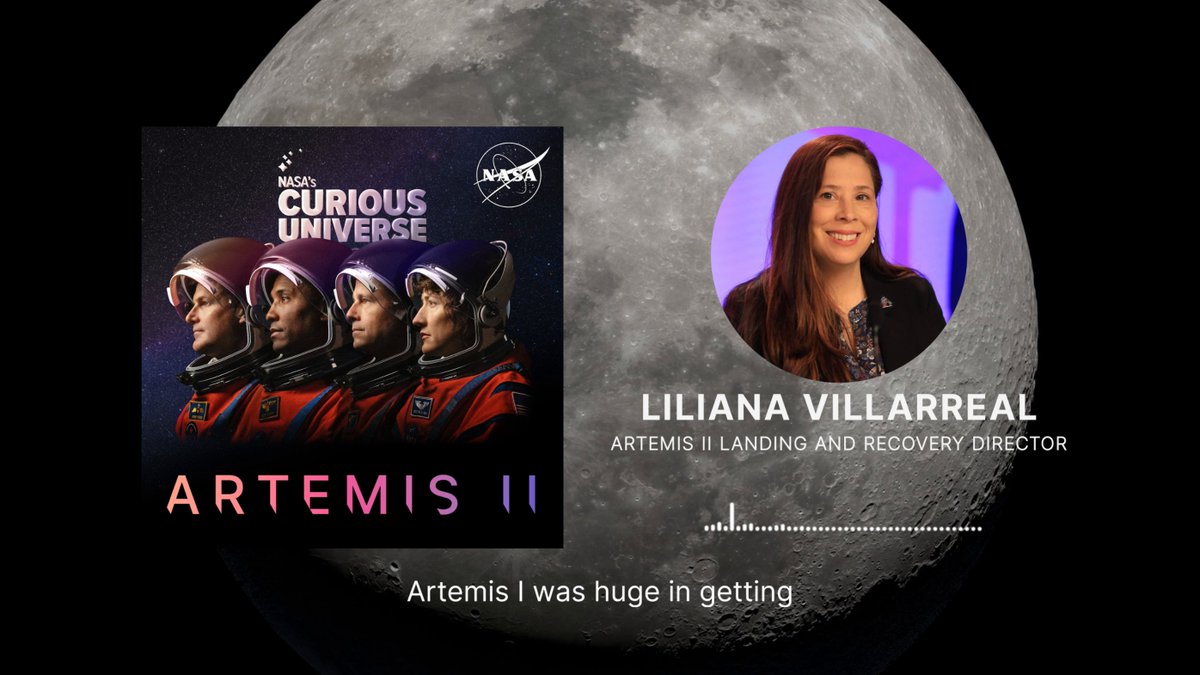
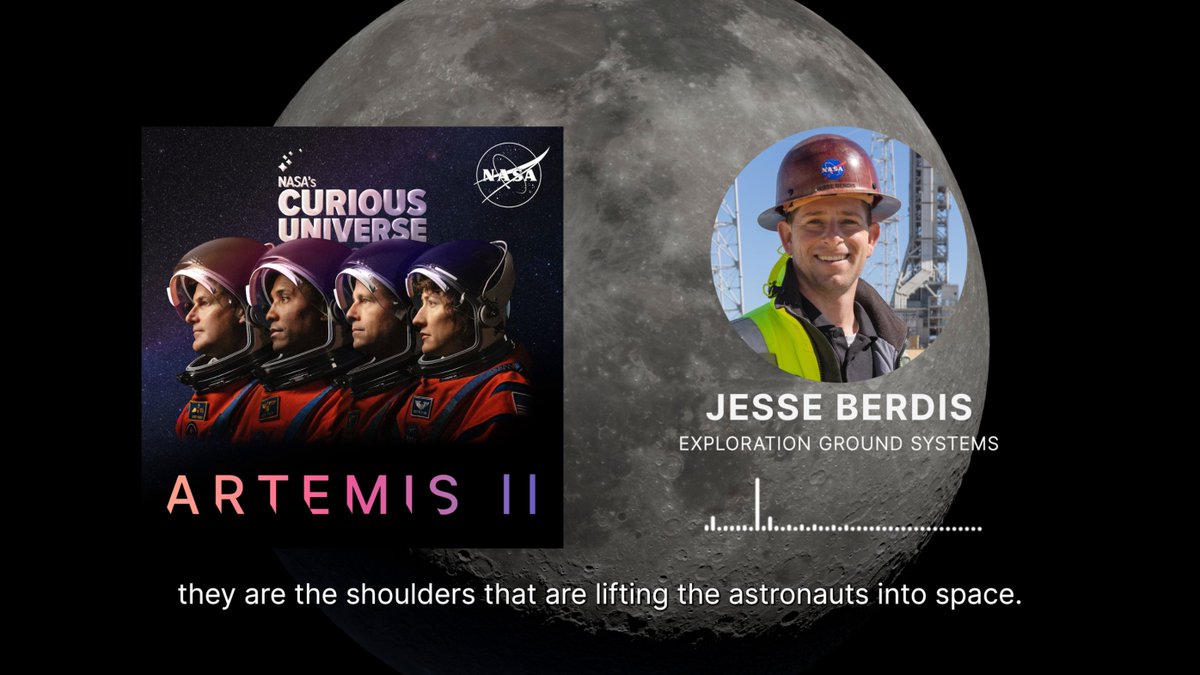
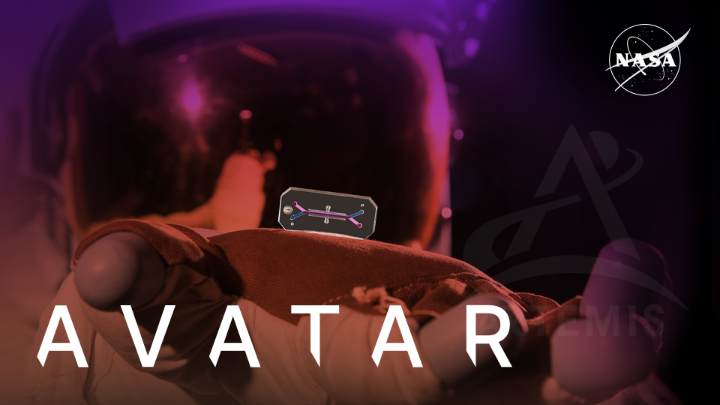
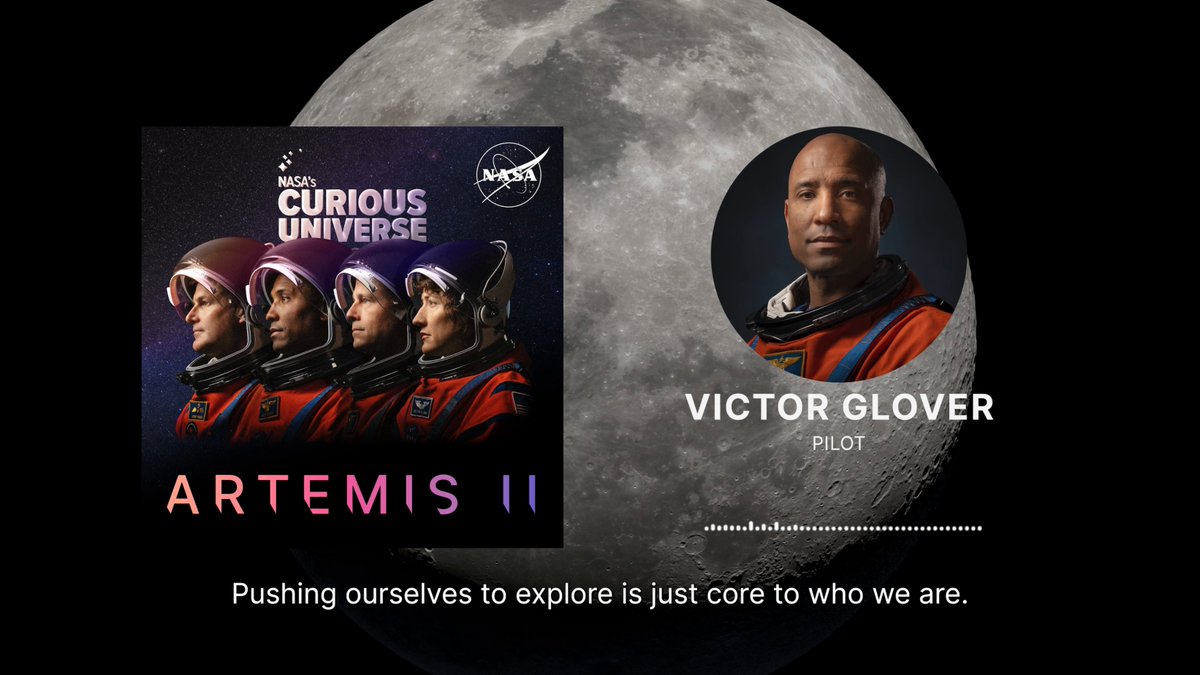
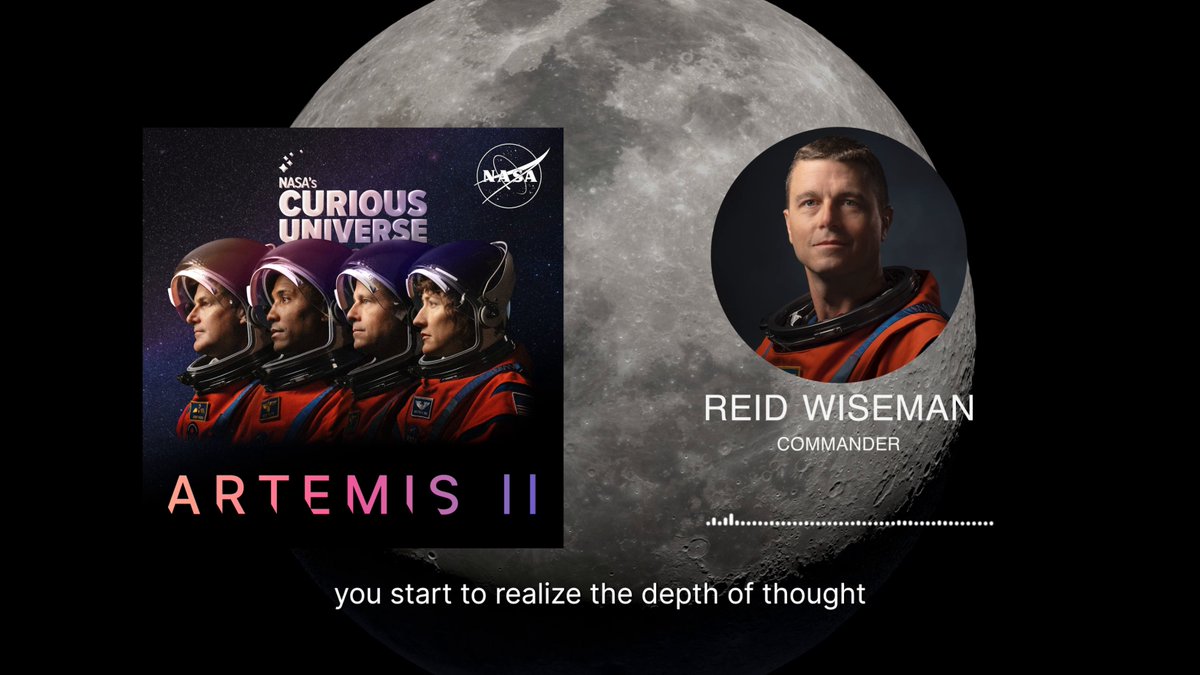
During Artemis II, our crew will get the chance to study the Moon's surface up close—and NASA scientists will track how the human body responds to deep space travel. Explore the science of Artemis II in our latest episode of Curious Universe:

679,774 просмотров • 7 месяцев назад •via X (Twitter)
Комментарии: 34

Artemis II isn’t just a flyby; it’s a systems test. Human performance, sensor integration and real-time decision-making in deep space will define the feasibility of future lunar EVAs.

Artemis II is less about the Moon itself and more about stress-testing the human body beyond low Earth orbit, radiation exposure, isolation, physiology, the boring but critical stuff. Without solid human data here, Mars talk is just sci-fi marketing 🚀

So there'll be no reason to not have 4k close up pictures and videos of the 6 landers/buggies etc that are already there?

A chance to study the moon real close is incredible... Amazing work being done!

Won't the astronauts die from radiation?

when we going back to the moon

The moon is still technically inside the Earth's outer atmosphere. They aren't going to deep space. Voyager 1 is reaching deep space.

Correct me if I am wrong. I seem to remember the Apollo mission doing the same thing. Yes, technology is leaps and bounds above the 1960's tech, but until a Artemis crew steps foot on the moon's surface.... deep space travel, go to Mars.

Artemis II isn’t just about the Moon. It’s a live stress test of the human body in deep space — the data that decides if Mars is science or science fiction

Hot take: sending humans is a vanity project for the government. It's not sustainable long term. @NASA should be teaming up with @BostonDynamics to make robo astronauts. Would be cheaper in the long run. Plus you don't have the same radiation risks and oxygen concerns.

@grok How does Artemis II differ scientifically from Apollo-era missions in studying the Moon up close?

Yeah 👀

NASA tracking human body response in deep space during Artemis II? This is the real frontier — no simulations, pure truth 😈

Understanding the human body in deep space is key. Curious to see more. λ

Is Artemis III still on track?

So, they're finally figuring out how space affects us? Seems like a remarkably expensive way to learn what happens when you spend a long time in a cramped tin can. Good luck, folks.

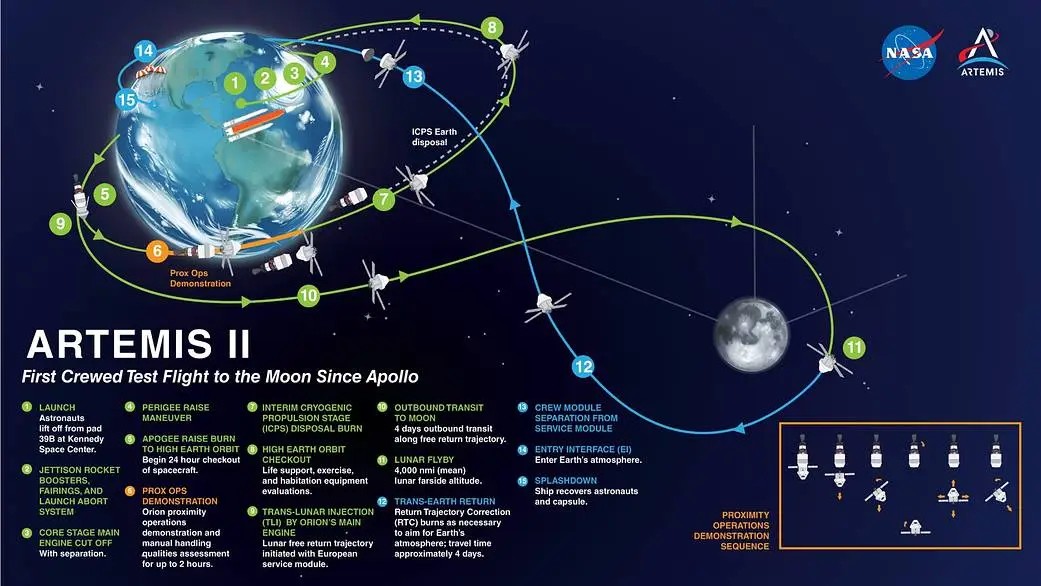
Excited for Artemis II! This mission will be the first time humans venture beyond low Earth orbit since Apollo 17 in 1972—over 50 years ago. The crew will fly ~10 days, reaching ~1,400 km beyond the Moon’s far side, farther from Earth than any human has ever gone. Orion’s path will let it test systems in deep space radiation and gather data that no LEO mission can provide. Bonus fact: the mission will carry a small Moon rock from Apollo 11 that will return to Earth—symbolically completing a full lunar round-trip after 57 years. Historic!

Interesting.

Science at lunar distance. Love to see it.

We are gradually making progress, the beauty of science

Congrats to NASA, the CSA, and the ESA on the Artemis II mission. Hoping all is safely sorted soon, and you get a most excellent launch date. Can’t wait for a better look at the Moon… truly exciting! Been waiting a while for this.

So exciting 🌕🚀 Artemis II is a huge step forward—studying the Moon up close and learning how the human body handles deep space. Definitely tuning in to Curious Universe!

Super excited for Artemis II! First crewed lunar orbit in 50+ years can’t wait to see what the crew discovers up close.

exciting times ahead. the insights from artemis ii could redefine our understanding of space travel.

What a times I am living in

Studying the human body in deep space might be as important as studying the Moon itself.

Uh, both have been done multiple times before, so why are we spending billions to repeat the experiments of the past?

Artemis II isn’t really about the Moon landing itself—it's a critical human endurance trial in cislunar space. The real payload is collecting real biomedical data on what happens to people when they leave low Earth orbit: cumulative radiation dose, microgravity effects on physiology, psychological strain from isolation and confinement, and all the unglamorous but make-or-break life-support questions. Until we have solid, human-subject evidence from beyond the Van Allen belts, any serious conversation about crewed Mars missions remains more inspirational pitch than engineering reality.

Can’t wait to see what we learn! Studying the Moon up close is going to be incredible.

Thank you @NASA for letting us live the dream. 🇺🇸👍🏻 @hastingchris4 @CoopandKCmom @Honesttruthman @EMastrro

This is a high-stakes data collection mission..

This really is amazing

Body data first. Moon next. Mars after.

Artemis II is going to teach us more about humans in space than ever before.