Video yükleniyor...

Video Yüklenemedi

Ana Sayfaya Dön

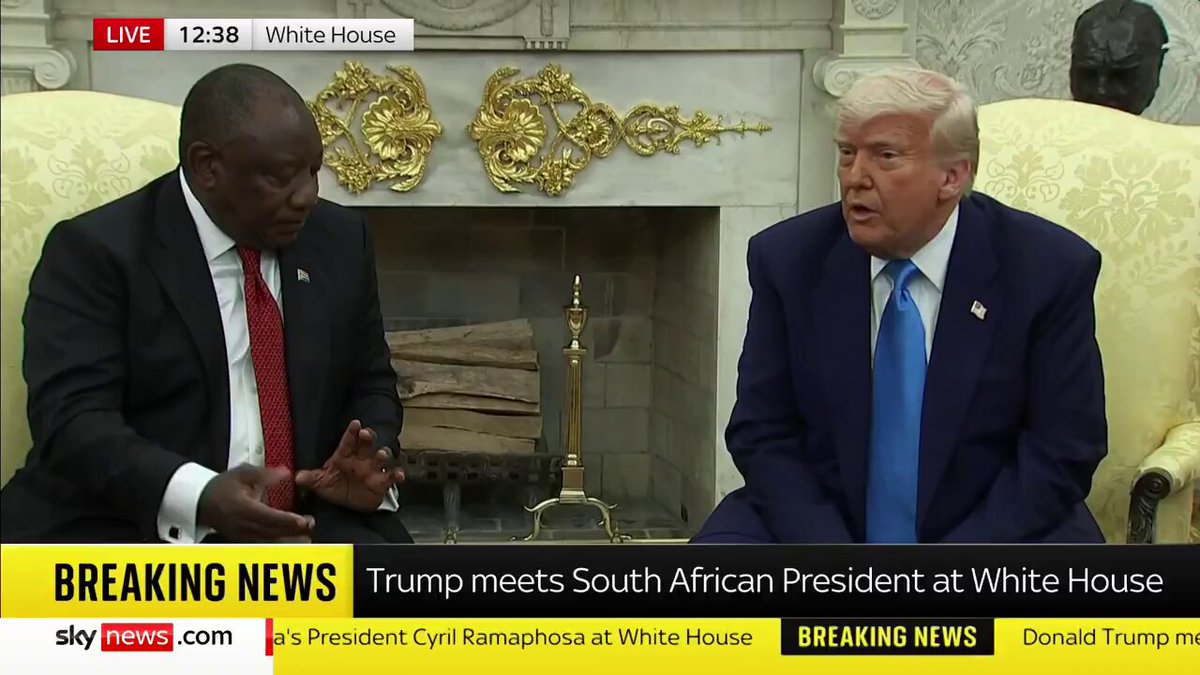
Economic Freedom Fighters founder Julius Malema called for African unity against imperialism Thursday, declaring, “The true enemy is the system that keeps African people poor while a tiny elite accumulates wealth.” His comments come against the backdrop of growing anti-immigration protests and violent attacks on foreign nationals in South...

11,246 görüntüleme • 4 ay önce •via X (Twitter)

0 Yorum

Yorum bulunmuyor

Orijinal gönderinin yorumları burada görünecek

Benzer Videolar

Nigeria’s Parliament has moved to escalate tensions with South Africa following renewed outrage over xenophobic or Afrophobic attacks targeting Nigerians living there, with lawmakers in Abuja debating punitive measures against Africa’s most industrialised economy. The Nigerian Senate and House of Representatives this week condemned what lawmakers described as persistent Afrophobic attacks, harassment and killings of Nigerians in South Africa, triggering one of the strongest parliamentary reactions seen in years between the continent’s two biggest powers. During a heated debate in the Senate, some legislators called for retaliatory economic measures against South Africa, including sanctions and restrictions on major South African companies operating in Nigeria such as MTN and MultiChoice, the owners of DStv. Former Edo State governor and senior senator Adams Oshiomhole was among those who argued that Nigeria could no longer continue responding with silence while Nigerians were allegedly being attacked and humiliated in South Africa. Other lawmakers proposed a review of bilateral agreements between the two countries and called for the African Union and ECOWAS to formally intervene in the matter. However, Nigeria stopped short of formally approving sanctions. Instead, the Senate resolved to establish a joint parliamentary delegation that will travel to South Africa for a diplomatic and fact-finding mission aimed at engaging the South African Parliament directly over the attacks. Nigeria’s Senate President Godswill Akpabio urged restraint during the debate, arguing that diplomacy and engagement should be prioritised before retaliation. The Nigerian Parliament also observed a minute of silence for Nigerians allegedly killed in South Africa and called on Abuja to strengthen protection mechanisms for Nigerians living there, including possible evacuation and emergency response measures if the situation deteriorates further. The move comes amid rising tensions in South Africa over illegal immigration, unemployment and crime, issues that have increasingly spilled into anti-foreigner rhetoric and violence, particularly against migrants from other African countries. South Africa has repeatedly denied being a xenophobic country, arguing that crime affects both citizens and foreigners alike. But recurring attacks on foreign nationals over the years have continued to damage the country’s image across the continent, especially in Nigeria, which has historically viewed itself as one of Africa’s strongest defenders of liberation struggles, including the fight against apartheid. The latest Nigerian parliamentary reaction in Nigeria reflects growing frustration among African states over what many now openly describe as Afrophobia in South Africa, a term increasingly being used instead of xenophobia because the violence disproportionately affects black African migrants rather than foreigners from Europe or North America. The total annual turnover of South African businesses in Nigeria is over US$10 billion annually, with MTN alone generating about US$3.45 billion in revenue in 2025, accounting for roughly 27% of the entire MTN Group’s global revenue. South African companies operating in Nigeria include MTN Group, MultiChoice (DStv), Standard Bank/Stanbic IBTC, Shoprite, Pepkor (PEP Stores), Protea Hotels, SABMiller/AB InBev, Tiger Brands, South African Airways, and various South African mining, logistics and financial services companies.

Hopewell Chin’ono

65,377 görüntüleme • 4 ay önce