Загрузка видео...
Не удалось загрузить видео
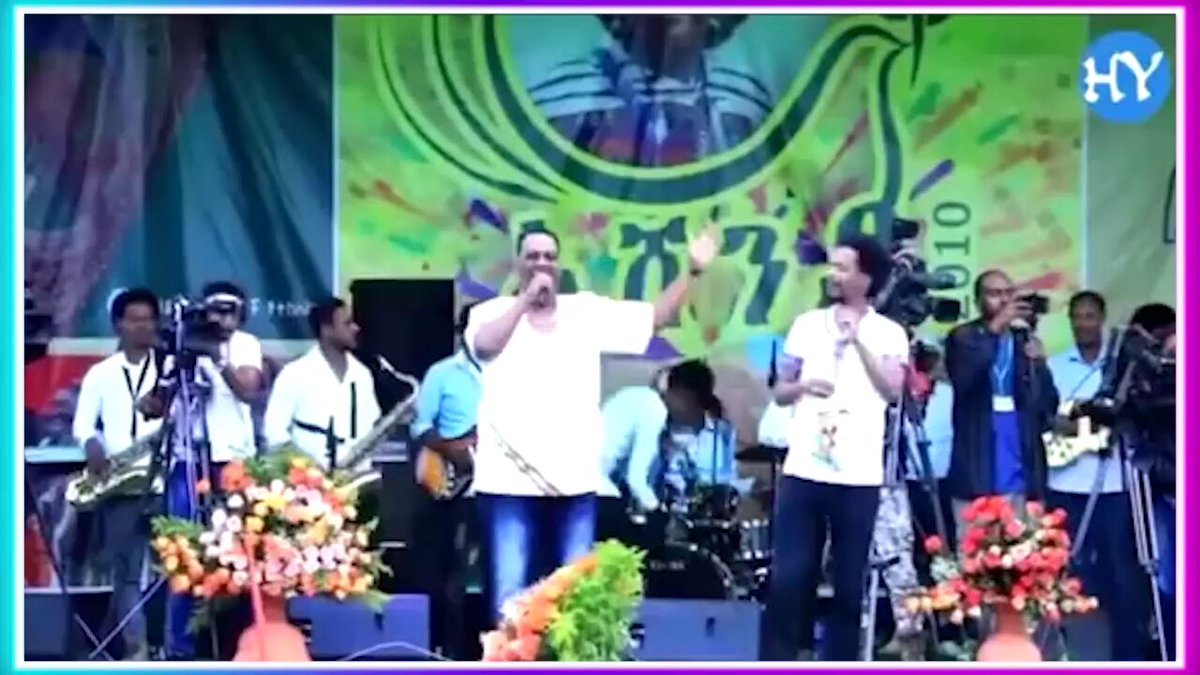
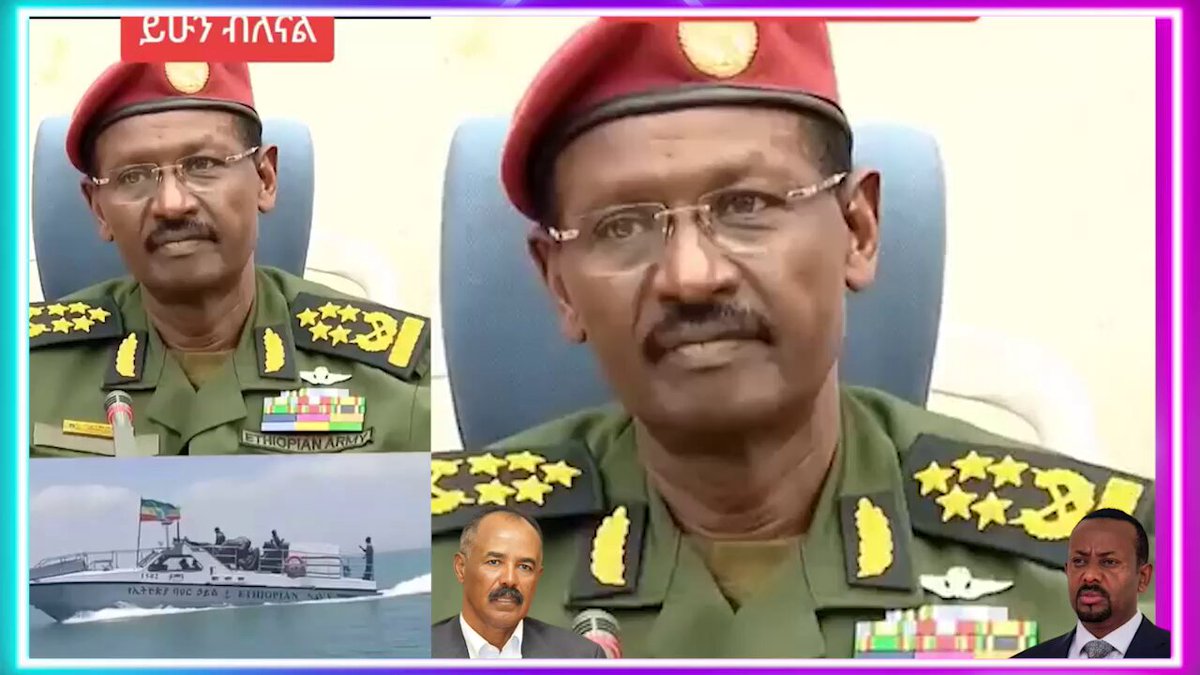
📢 Eritrea, Take Notes—History Might Be Repeating Itself! Since Abiy Ahmed took power, Ethiopia has been in nonstop turmoil—from the brutal Tigray War to the ongoing Amhara & Oromia conflicts. The Ethiopian army, exhausted from fighting its own people, is showing signs of deep discontent. 🔹 General Kebede Regassa,... show more

13,005 просмотров • 1 год назад •via X (Twitter)
Комментарии: 9

It could be a diversion tactic . But , ultimately ethiopia is over. They will disintegrate and it will certainly be chaos.

Eritrea’s Political and Economic Landscape: A Reflection on the Past Two Decades (1/3) For decades, the government of Eritrea has frequently pointed to external factors as the primary reasons for its struggles, particularly placing blame on Ethiopia's TPLF-led government for the sanctions imposed on Eritrea from 1998 to 2018. These sanctions, which stemmed from the aftermath of the Eritrean-Ethiopian War (1998-2000), were seen as a major impediment to Eritrea's development, economic growth, and international standing. The Eritrean government often highlighted these sanctions as a scapegoat for the lack of progress, citing the punitive measures as a primary reason for their inability to foster development in the country. However, with the significant shift in the Ethiopian political landscape in 2018 under the leadership of Prime Minister Dr. Abiy Ahmed, a change in the regional dynamics began to take place. Dr. Abiy’s peace deal with Eritrean President Isaias Afwerki marked a new chapter in the relationship between the two neighboring countries. The peace agreement, which included the lifting of sanctions on Eritrea, was hailed as a monumental moment in East African diplomacy. Despite these positive steps, one question remains: Has the lifting of sanctions and a shift in geopolitics brought about tangible improvements in Eritrea’s living conditions and political landscape? The Change in Geopolitics From 2018 to 2025, the geopolitical environment surrounding Eritrea shifted considerably. Prime Minister Abiy Ahmed's efforts to normalize relations with Eritrea resulted in not only the lifting of sanctions but also in an increased international focus on Eritrean President Isaias Afwerki. For the first time in years, the Eritrean leader became more visible on the global stage, engaging in diplomatic relations that had long been avoided. The peace agreement marked a significant diplomatic breakthrough for Eritrea, which had spent years isolated in a volatile geopolitical environment, largely due to the tense relationship with Ethiopia and its international partners. Despite these changes, the question remains: Has this newfound visibility translated into meaningful change for the Eritrean people? With sanctions lifted and Eritrean leaders engaging more with the international community, it might be assumed that the country’s internal issues, particularly economic and humanitarian challenges, would begin to show signs of improvement. Continued Economic and Humanitarian Challenges While the lifting of sanctions in 2018 was a significant diplomatic success for Eritrea, the country’s internal challenges have not subsided. In fact, in the past seven years, Eritrea has continued to struggle with profound economic and political difficulties. The lack of basic freedoms, the dominance of the ruling party, and the authoritarian style of governance have all contributed to the country's dire situation. The situation in Eritrea, particularly the ongoing human rights violations, has remained a major point of concern. Despite the international community’s renewed engagement with Eritrea, reports from human rights organizations continue to highlight the severe repression faced by Eritreans. The country’s political environment remains tightly controlled by the ruling party, with no significant political freedoms or opposition allowed. The repression of free speech, assembly, and political dissent has remained a major challenge to the country's progress. Furthermore, Eritrea’s economic situation has remained dire. The country’s reliance on military conscription, which often forces young people to work in mines or construction without pay, continues to drain the country’s labor force. This lack of economic opportunity, combined with a lack of investment in key sectors, means that many Eritreans struggle to meet even their most basic needs.

When you think offshore talent, you probably think of the Philippines or India. But here’s the twist, Nigeria is rewriting the playbook, and it’s time to pay attention. Nigeria is Africa’s largest economy. It has a workforce that’s young, ambitious, and ready to deliver. Every year, over 600,000 native-English-speaking graduates join the talent pool. These aren’t just grads, they’re problem-solvers, engineers, marketers, and more. The human capital there is insane, ready to hit the ground running and work seamlessly with global teams. For example, the tech scene in Nigeria is exploding. Last year, Nigerian startups raised over $1.2 billion in funding. That kind of momentum doesn’t happen without serious talent. Developers, product managers, digital marketers, and designers, are all building the future. And they’re doing it at a world-class level. Here’s what makes this exciting: Nigeria is still the world’s best-kept secret for offshore talent. But it doesn’t need to stay that way. If you’re ready to scale your team with exceptional talent, let’s make it happen. @Talent_hackers_ does the heavy lifting, so you don’t have to. We’ll connect you with the best, fast. The world is catching on. The question is, will you be ahead of the curve?
(2/3) The Refugee Crisis: An Unrelenting Exodus Perhaps the most visible and pressing issue Eritrea faces today is its refugee crisis. In the past seven years, the number of Eritreans fleeing their country has only increased. Many Eritreans continue to seek refuge in neighboring countries or risk dangerous journeys across the Mediterranean in search of better opportunities in Europe. These refugees are often fleeing from oppressive government policies, forced military service, and a lack of economic opportunities. Reports suggest that over 350,000 Eritreans have fled their country in the past seven years, with many citing political persecution, forced conscription, and economic hardships as their primary reasons for leaving. The ongoing flow of refugees underscores the grim reality for many Eritreans who see no future in their homeland under the current regime. Despite the diplomatic breakthroughs and the lifting of sanctions, the number of people fleeing Eritrea has remained consistently high, indicating that the underlying issues of political repression, lack of freedoms, and economic stagnation continue to drive people out of the country. A Glimmer of Hope or More of the Same? As Eritrea enters the third decade of the 21st century, the country remains at a crossroads. The past seven years under the new diplomatic relations with Ethiopia have offered hope, but tangible change has been slow to materialize for the average Eritrean citizen. The lifting of sanctions and the diplomatic engagement with the international community have not brought significant improvements in terms of human rights, political freedoms, or economic development. While the government may continue to point to external factors, the internal policies and practices that have long been at the heart of Eritrea’s struggles seem unchanged. The ongoing refugee crisis is a stark reminder that the country’s internal conditions remain unbearable for many. Until Eritrea addresses its human rights issues, embraces political reforms, and diversifies its economy, the outlook for the Eritrean people may remain bleak, regardless of any positive diplomatic shifts in the region.
(3/3) The Time for Change: A Call for Political Reform It is becoming increasingly evident that the time for change in Eritrea is long overdue. Eritreans, both inside the country and in the diaspora, must come to terms with the harsh reality that the regime led by President Isaias Afwerki has not delivered the promises of prosperity and freedom that were hoped for at Eritrea’s independence. For the past three decades, the Eritrean people have endured political repression, lack of economic opportunity, and gross human rights violations. It is time for the citizens of Eritrea to ask themselves difficult questions: *What has the regime done for you and your family over the past three decades?* *What future do you envision for your children under a government that has failed to deliver basic freedoms and opportunities?* The name “Eritrea” has unfortunately become synonymous with refugees, human rights abuses, and dictatorship. Eritreans now face a critical juncture. The country’s name is no longer only associated with a proud history of independence, but also with the oppressive rule of a dictator. If the people of Eritrea continue to passively accept the status quo, the country will remain mired in a cycle of despair, repression, and flight. There is a growing realization that lasting change will not come from the top down, but rather from the collective efforts of the people. A movement for political reform, rooted in the demands of the Eritrean populace for freedom, democracy, and human dignity, is the only way forward. If the Eritrean people are to reclaim their nation’s identity and future, it is imperative that they challenge the dictatorship that has held them hostage for so long. The time for change is now, and it is up to Eritreans themselves to make it happen. In conclusion, the lifting of sanctions and the shift in Ethiopia-Eritrea relations have not significantly altered the underlying issues that Eritreans face on a daily basis. While the peace agreement marked a positive step in East African diplomacy, it has not yet translated into lasting improvements in Eritrea’s political or economic conditions. Until these internal issues are addressed, it is likely that Eritrea will continue to struggle with high levels of migration, economic stagnation, and political repression. As the world watches, the key question remains: Will the Eritrean government, under its current leadership, take the necessary steps toward meaningful reform and change, or will the Eritrean people rise up to create a future of hope and dignity?

Worry about your oldies and grumpies country where the youth chose to migrate to Ethiopia and elsewhere.

Oh god No, telling the true is a crime in Abiy Ahmed’s party, This dude won’t be a life soon

Yesssssss

Too right it’s time to call out Abi Ahmed pp government that his days are over. Join the majority and don’t west your life for rotten and corruption politicians. Freedom of majority is soon as given by God.