Video yükleniyor...

Video Yüklenemedi

Ana Sayfaya Dön

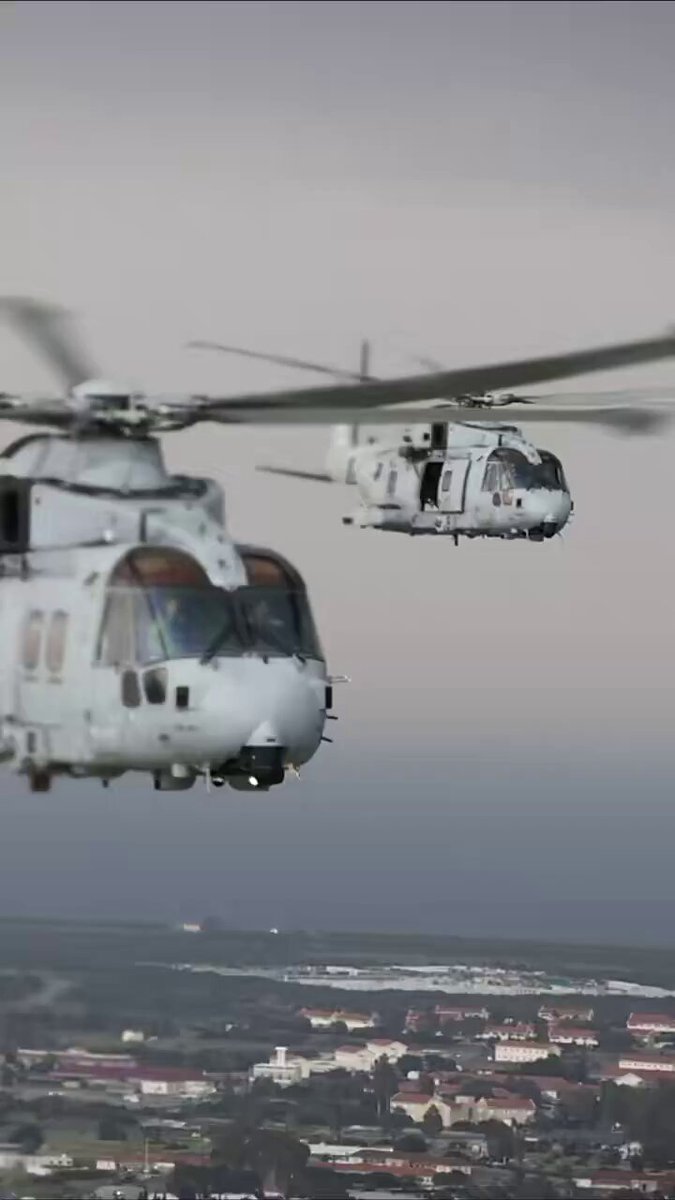
⚔️🇩🇪🇪🇺 Europe is moving to build a coordinated Baltic security shield against drones, sabotage and attacks on critical infrastructure, with nine countries agreeing to create a new joint task force focused on hybrid threats. At an August 28 meeting in Flensburg chaired by German Interior Minister Alexander Dobrindt, ministers...

12,185 görüntüleme • 1 ay önce •via X (Twitter)

0 Yorum

Yorum bulunmuyor

Orijinal gönderinin yorumları burada görünecek

Benzer Videolar

🚨🇩🇪🇪🇪🇱🇻🇱🇹 Bild has outlined several possible scenarios for a future Russian attack against NATO’s Baltic flank, ranging from covert sabotage and deniable hybrid operations to a direct attempt to sever the Baltic states from the rest of the Alliance. According to Bild, one scenario involves underwater attacks against critical seabed infrastructure such as data cables, power links, pipelines and maritime industrial facilities, where attribution could initially remain unclear. Another is the so-called “Narva trap,” in which armed groups suddenly appear inside Estonia while Moscow denies involvement. Other scenarios include a Russian attempt to seize or neutralize Gotland to threaten NATO movement across the Baltic Sea, provoking a crisis around Norway’s Svalbard archipelago under the pretext of protecting Russian citizens, and the most dangerous option: Russian forces advancing from Belarus toward Kaliningrad through the Suwałki corridor, potentially cutting Estonia, Latvia and Lithuania off by land before major NATO reinforcements can arrive. The common logic behind these scenarios is speed, ambiguity and pressure on NATO decision-making. Moscow would gain the greatest advantage by creating a crisis faster than the Alliance can politically and militarily respond, which is why reinforcement routes, undersea infrastructure protection and forward defense around the Suwałki corridor remain among NATO’s most strategically sensitive priorities. See the latest updates with us: NSTRIKE

NSTRIKE

19,406 görüntüleme • 1 ay önce

35 years of the legendary "Baltic Way": Millions of people holding hands changed the course of history About two million citizens of #Lithuania, #Latvia and #Estonia, holding hands, formed a living chain more than 600 kilometers long. August 23, 2024 marks the 35th anniversary of one of the most significant actions in the history of the struggle for independence - the "Baltic Way". On this day in 1989, about two million citizens of the three Baltic republics - Lithuania, Latvia and Estonia - held hands, forming a living chain more than 670 kilometers long, with about 2 million people (25% of the population of the three countries at that time), connecting Vilnius, Riga and Tallinn. To understand the significance of the "Baltic Way" it is necessary to recall what became its historical background. On August 23, 1939, the Molotov-Ribbentrop Pact, a non-aggression agreement between Nazi Germany and the Soviet Union, was signed. Attached to this pact was a secret protocol that divided Eastern Europe into spheres of influence. This deal brought Lithuania, Latvia and Estonia into the Soviet zone, leading to their occupation in 1940 by the USSR. "Baltic Way" was not only a protest against the forced annexation, but also a demand for the restoration of national sovereignty. A year after the "Baltic Way", Lithuania was the first republic to proclaim the restoration of its independence. It was followed by Latvia and Estonia. Today, the Baltic States annually celebrate this day, which remains a symbol of resistance to dictatorship and aspiration for freedom. The action is included in UNESCO's Memory of the World list and continues to inspire new generations.

NEXTA

110,631 görüntüleme • 2 yıl önce