Video yükleniyor...

Video Yüklenemedi

Ana Sayfaya Dön

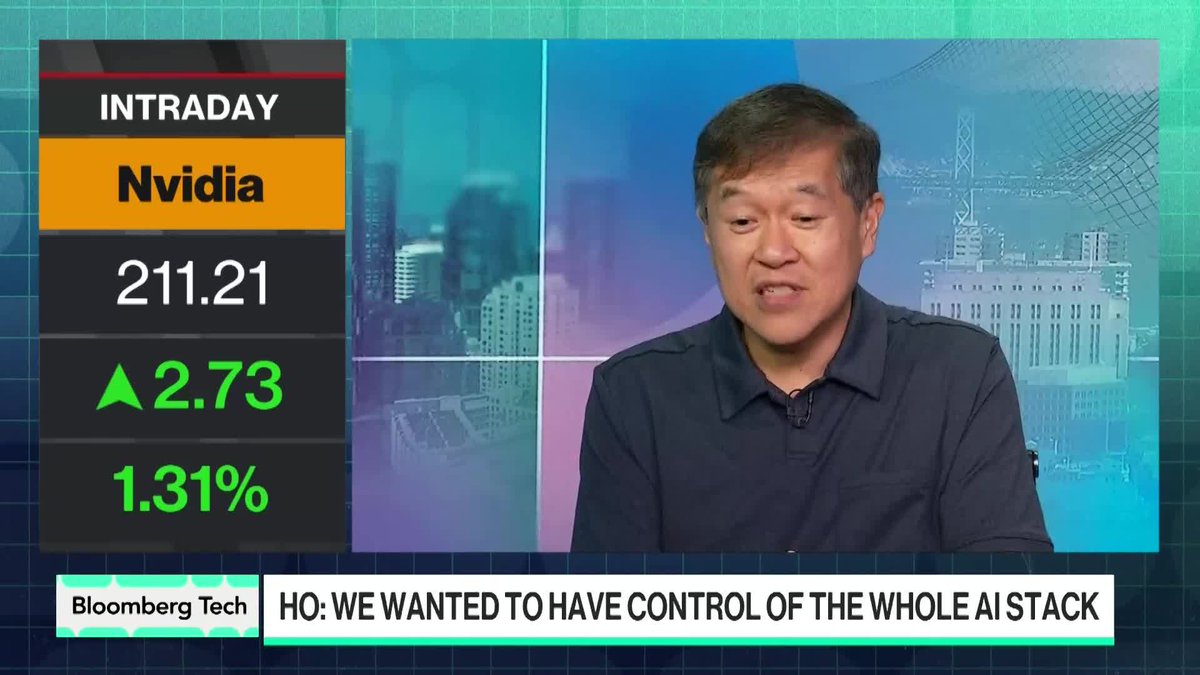
Everyone’s obsessed with cheaper tokens. Meanwhile, enterprise AI spend keeps going up. Chamath says costs are doubling every 45 days for ~5% productivity gains. Glean’s founder says the metric that actually matters is cost per successful task, not cost per token.

45,215 görüntüleme • 14 gün önce •via X (Twitter)

0 Yorum

Yorum bulunmuyor

Orijinal gönderinin yorumları burada görünecek

Benzer Videolar

10 repos that cut your ai agent token bill by up to 80% 1. microsoft/LLMLingua → cuts prompt size by up to 95% compresses prompts before the api call. 20x compression. published at EMNLP + ACL. near-zero quality loss. 6,100 stars 2. mem0ai/mem0 → replaces full conversation history in context stores what matters. retrieves only what's needed. 10,000 token history → 200 token memory. per agent. 54,800 stars 3. BerriAI/litellm → routes each call to the cheapest model simple task → haiku. complex task → sonnet. tracks cost per agent, per call, per day. 45,700 stars 4. run-llama/llama_index → replaces sending full documents rag: 100-page doc → 3 relevant chunks → same answer. 98% fewer tokens per query. 49,100 stars 5. chroma-core/chroma → replaces keyword search in full context vector store. finds the closest match. feeds only that. 50-200 tokens per query instead of thousands. 27,800 stars 6. letta-ai/letta → replaces infinite context window crashes paged memory for agents. loads only relevant memory. stops your agent from hitting limits and retrying. 22,400 stars 7. guidance-ai/guidance → cuts output token bloat by 30-50% structured generation. constrains model output natively. no more 100-token prompts to get json back. 21,400 stars 8. Aider-AI/aider → replaces pasting entire codebases builds a repo map. sends only files relevant to the task. not your whole project. just what the agent needs. 44,300 stars 9. openai/tiktoken → count tokens before you send know the exact cost before the api call happens. not after the bill arrives. 18,100 stars 10. simonw/ttok → hard cap on what gets sent cli tool: count tokens, truncate to budget limit. pipe any text in. get truncated output back. 389 stars most agents are expensive not because the model is expensive. because nobody checked what was being sent to it.

self.dll

39,554 görüntüleme • 3 ay önce

OpenAI chairman Bret Taylor talks to about 100 CEOs every month. His answer to the cheap open-weight model panic: cheaper to train does not mean cheaper to use, and the number that decides it is token efficiency. "One thing that I think is a little bit overblown about these open weight models is they're not necessarily cheaper to run. Whether or not they're cheaper to train, you don't care. Because you're using just as many tokens. In fact, they may be less efficient." "There's this thing called token efficiency. And it turns out the frontier models are much, much more token efficient." "A token is to intelligence like a watt is to electricity... how many tokens does it take to complete a task? Not every token is actually equal." "For a lot of tasks, it turns out these frontier models from OpenAI and Anthropic are actually just better than these open weight models... just having open weights isn't actually the main thing driving any of those costs." Later in the same interview he goes after the billing unit itself: "It would be like if you signed up for Gmail and you paid for CPU cycle or something... where the world is going is paying for outcomes." The unresolved column: the chart CNBC airs mid-answer, from Artificial Analysis, prices a completed task at $0.94 on Kimi K3 against $2.75 on Claude Fable 5, efficiency folded in. If that gap holds, the premium he is defending gets earned on quality, not price. - Bret Taylor (Bret Taylor), OpenAI chairman and Sierra co-founder, on CNBC's Squawk Box.

Karl Mehta

16,614 görüntüleme • 13 gün önce