Video wird geladen...

Video konnte nicht geladen werden

Zur Startseite

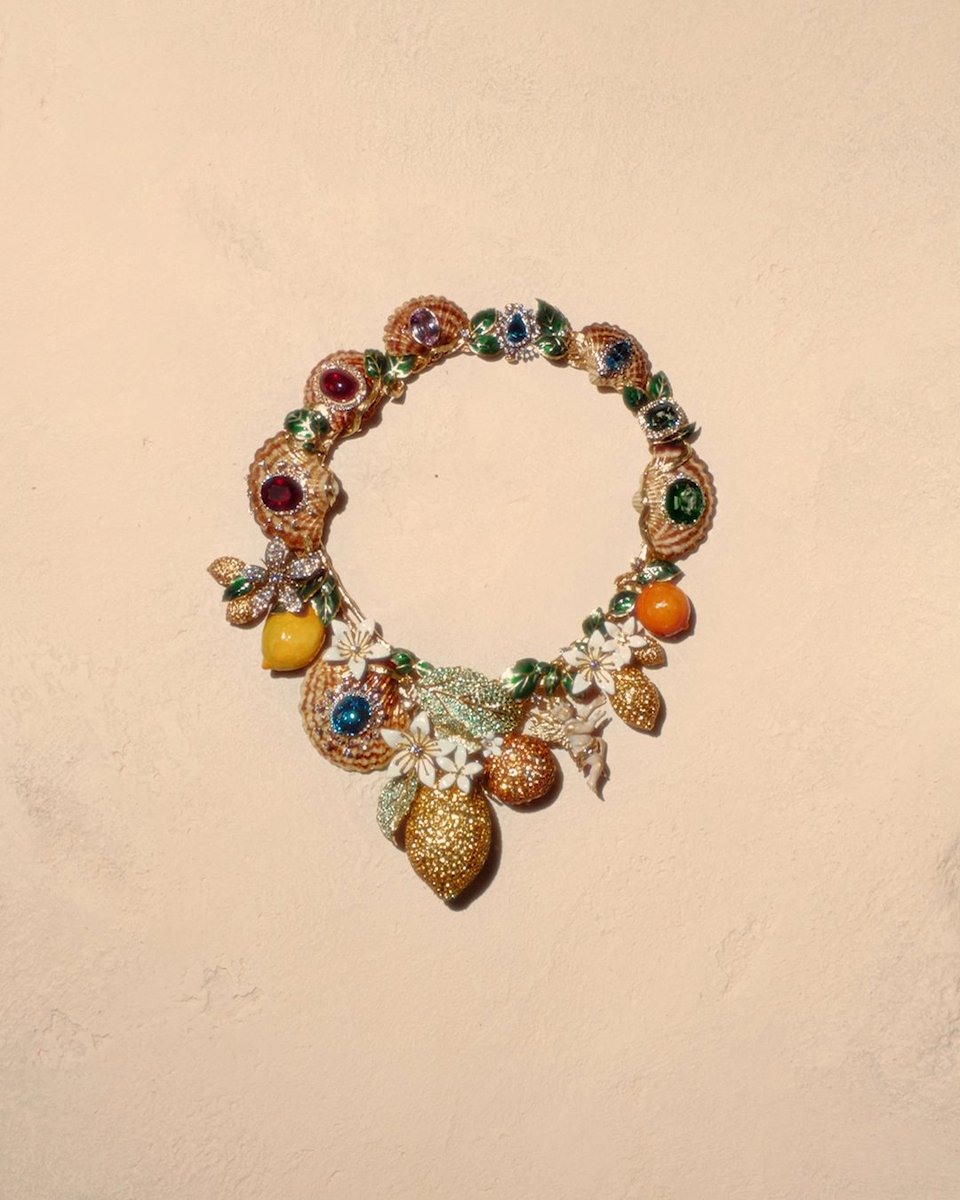
extraordinary craftsmanship

30,245 Aufrufe • vor 1 Monat •via X (Twitter)

0 Kommentare

Keine Kommentare verfügbar

Kommentare vom Original-Post werden hier angezeigt

Ähnliche Videos

🚨TELL ME AGAIN THERE WASN'T AN ADVANCED CIVILIZATION BEFORE US The Kailasa Temple at Ellora is one of those places that becomes more difficult to comprehend the longer that you spend looking at it. This wasn't built in the conventional sense by stacking stone blocks. The temple was excavated directly from the surrounding rock, leaving behind towers, chambers, pillars, bridges, stairways, sculpted elephants and amazingly detailed reliefs as part of the same enormous architectural complex. What gets me is the absolute mind boggling scale of planning involved. The people who created this had to understand exactly what needed to remain before removing the rock around it. One serious mistake in the wrong place could have damaged something that couldn't be rectified. Move from the overall excavation to the fine sculptural work and the contrast is mind blowing. Massive engineering on one hand, intricate artistry on another. I'm not making claims of lost lasers, aliens or some forgotten super technology. I'm making a much simpler point here, that we need to stop confusing ancient with primitive. Civilizations before us were capable of extraordinary planning, engineering, mathematics, craftsmanship and organization, and places like Kailasa are a reminder of how easily we underestimate what people in the past were capable of. Every image in the video is 100% genuine, sourced from Tell me again there wasn't an advanced civilization before us. #KailasaTemple #ElloraCaves #AncientHistory #Archaeology #AncientCivilizations #India #HistoryMysteries

Skywatch Signal

37,077 Aufrufe • vor 18 Tagen

Copper and pyramids have each inspired centuries of fascination. Put them together, and it is easy to see why theories begin to emerge. Videos like this often claim that copper pyramids were once used to "charge" the human body, preserve food, or harness mysterious forms of energy. While these ideas continue to circulate online, there is no historical or archaeological evidence that such devices were used in the 19th century or that they were later banned. That does not mean copper itself was unimportant. Ancient civilizations valued copper long before the Bronze Age. It was one of the first metals humans learned to shape into tools, ornaments, and ceremonial objects. The Egyptians, Mesopotamians, Indus Valley civilization, and many others recognized its practical qualities, including its durability, conductivity, and natural antimicrobial properties, which modern science has since confirmed. Pyramids, too, have long captured the human imagination. Across different cultures, they served as tombs, temples, monuments, and symbols of cosmic order. Their enduring presence has inspired countless theories, some grounded in archaeology and others in speculation. Perhaps that is what makes the ancient world so compelling. The real achievements of our ancestors are already extraordinary. Their engineering, craftsmanship, and understanding of materials continue to impress us without the need to attribute technologies for which there is no evidence. Sometimes the greatest mystery is not whether ancient people possessed forgotten powers. It is how they accomplished so much with the knowledge and tools they truly had. Why do you think copper and pyramids continue to inspire so many theories today? ✨🙌🏾💫

🧬Maxpein🧬

32,303 Aufrufe • vor 1 Monat

The BARABAR CAVES in Bihar are among India's greatest archaeological enigmas...🚩 💠 Carved over 2,300 years ago during the Mauryan Empire (3rd century BCE) under Emperor Ashoka and his grandson Dasharatha, they are the oldest surviving rock-cut caves in India. 🎯 WHY ARE THEY CONSIDERED MYSTERIOUS ? 🔹 Mirror-like granite polish The caves were carved from extremely hard granite, yet their walls and ceilings have a flawless, mirror-like finish known as Mauryan polish. Even today, archaeologists are uncertain about the exact polishing technique. While it was likely achieved using advanced abrasives and painstaking craftsmanship, no definitive method has been established. 🔹 Extraordinary acoustics The smooth, curved interiors create powerful echoes that can last for several seconds. Many researchers believe these acoustics enhanced meditation and chanting by the Ajivika monks who used the caves. 🔹 Precision engineering The chambers feature remarkably straight lines, symmetrical shapes, and perfectly curved ceilings despite being excavated from solid granite with ancient tools. Their precision continues to impress engineers and archaeologists. 🔹 A lost technology? The famous Mauryan polish appears on Barabar Caves and a few Mauryan monuments but virtually disappears in later rock-cut caves such as Ajanta and Ellora. Whether the technique was simply abandoned or the specialized knowledge was lost remains an open question. 🔴।।FACT vs. MYSTERY।।🔴 The true mystery is not that the caves are impossible to explain. Historians agree they were built during the Mauryan period and dedicated to the Ajivika sect, as confirmed by Ashokan inscriptions. The mystery lies in how such an exceptionally smooth finish and engineering precision were achieved on hard granite using the technology available more than two millennia ago.

Vibhu Vashisth 🇮🇳

18,489 Aufrufe • vor 1 Monat