Loading video...

Video Failed to Load

Go Home

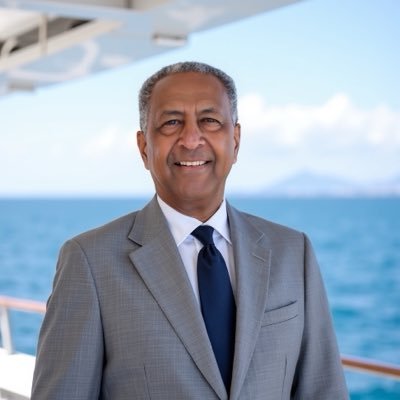
FirstPost TV interview. Here’s a video highlighting the main topics I discussed: 1. Ethiopia’s recent elections. The successful completion of the elections is a big postive not only for Ethiopia but for Africa. Furthermore, it assures reforms will continue and sustained economic growth in the world’s 2nd fastest growing...

11,465 views • 1 month ago •via X (Twitter)

0 Comments

No comments available

Comments from the original post will appear here

Related Videos

How bitcoin mining can help achieve universal electrification in #Africa Africa faces a renewable energy paradox: underutilized capacity. While countries invest in large-scale renewable projects, transmission and distribution infrastructure often lag, leaving much of that energy stranded. Take Ethiopia’s Grand Ethiopian Renaissance Dam (GERD) as an example. With a capacity of 5,150 MW and an estimated annual generation of 16,153 GWh, GERD has the potential to transform the region’s energy landscape. However, QRB Labs estimates it could cost $8-10 billion to build the transmission and distribution lines needed to deliver this power to end users. Ethiopia is turning this challenge into an opportunity. By selling stranded renewable energy to Bitcoin miners, the country is generating critical cashflow to fund its energy infrastructure: • $55 million in revenue in just 10 months • Contribution of 2.25% of the global Bitcoin hash rate • Projected $123 million in revenue by 2025 It all began with QRB Labs, Ethiopia’s first and only locally owned Bitcoin mining operation. Their pioneering effort demonstrates how Bitcoin mining can monetize surplus power and finance the infrastructure needed for universal electrification. Ethiopia is showing Africa what’s possible: Bitcoin mining can be a bridge to achieving #SDG7 and beyond. Humming like a swarm of bees! Watch the video from QRB Labs’ facility. #BitcoinMining #RenewableEnergy #SDG7 #Ethiopia #Africa #EnergyAccess

Henok 🇪🇹🇺🇸

15,523 views • 1 year ago

🇪🇹 Why #Ethiopia Must Regain Access to the Red Sea? 🔹 Historical Justice 1. The transfer of #Assab to Eritrea was illegitimate. Neither the #EPLF (Shabiya) nor the #TPLF had a popular mandate to determine borders or sovereignty, as both were unelected movements. 2. Assab historically belonged to Ethiopia and served as its primary port until the 1990s. 🔹 Legal & Moral Right Under International Law - Landlocking Ethiopia, a nation of 120+ million people violates the principle of equitable access to the sea and hinders economic sovereignty. - International law supports negotiated sea access for landlocked countries, and Ethiopia has both historical and legal grounds to reclaim this right. 🔹 Regional Security Imperatives - The Red Sea is a strategic corridor now facing instability due to Houthi rebel activities, piracy, and geopolitical rivalries. - Ethiopia, as one of the world’s top contributors to UN peacekeeping, is positioned to enhance maritime security and stabilize the Bab el-Mandeb Strait. 🔹 Economic Necessity - Dependency on neighboring ports exposes Ethiopia to political risk, inflated costs, and logistical bottlenecks. - Direct access to the Red Sea is essential for unleashing Ethiopia’s economic potential, supporting regional trade, and ensuring energy security. 🔸 Conclusion Ethiopia’s access to the Red Sea is not just a historical right, it is a strategic, economic, and moral imperative for regional balance and national development. - #RedSeaForEthiopia - #AssabIsEthiopian - #SeaAccessNow - #EthiopiaRising - #DecolonizeTheSea

Behiwot Tilahun🇪🇹 በህይወት ጥላሁን🇪🇹

14,834 views • 11 months ago

Ethiopian Airlines’s CEO’s great interview with the BBC. #Ethiopia #Nigeria #Kenya #SouthAfrica Highlights from the interview: *$8.0 billion revenue by June, ahead of its orginal plan under “vision 2025” (ET is amongst the 30 largest airlines in the world and by far Africa’s largest. It’s bigger than Africa’s four largest flag carriers - Egypt Air, Kenya Airways, Royal Air Maroc and South African Airways - COMBINED). *110 million passengers airport starts construction this year (will be amongst the 5 largest in the world and cost $10 billion when completed). *ET has ordered approximately 70 new Boeing aircrafts, firm & options, which will be delivered over the next few years. *ET manufactures sophisticated parts in Ethiopia for Boeing aircrafts. Comments above in parenthesis ( ) added by me. Additional insight about the strong and decades-long relationship between ET and Boeing: *ET is by far Boeing’s largest customer in Africa. The airline currently flies 162 aircrafts and the vast majority are Boeings including 777s, 787s and 737s. The ~70 new Boeing aircrafts on order, worth billions of dollars, will create/maintain thousands of high paying American jobs. *Yesterday Boeing inaugurated its new Africa headquarters in Addis Abeba, further strengthening the U.S-Ethiopia investment and trade relationships. This aligns with President Trump’s policy of prioritizing trade and investments globally including with African countries. Ethiopia too is prioritizing even more trade and investments with the U.S. The U.S. has been running a trade surplus with Ethiopia for many years primarily because of the billions of dollars of Boeing sales to ET. Furthermore, ET is the largest customer in Africa of the U.S. government’s EXIM Bank based in Washington. Note: ET is on track to have 260+ aircrafts in the next several years, the vast majority will be Boeings but will also include Airbus aircrafts and others. Full interview at BBC News Africa

Zemedeneh Negatu

60,907 views • 1 year ago

🚨#Breaking: Djibouti Offers Ethiopia Full Control of Port in Bid to Counter Somaliland Djibouti's Foreign Minister, Mahmoud Ali Youssef ( Mahmoud Ali youssouf ), has proposed granting Ethiopia 100% control of the port of Tajourah, along with a new corridor leading to the port, as a solution to Ethiopia's lack of sea access. In an interview with the BBC, Youssef stated that the proposal, which includes a newly constructed corridor connecting the port to the Ethiopian border, aims to resolve Ethiopia's longstanding issue of accessing the sea. He indicated that President Ismail Oma Geela will discuss the proposal with leaders from Somalia and Ethiopia during the upcoming China-Africa summit next week. The proposal comes amidst heightened tensions between Somalia and Ethiopia over the recent agreement between Ethiopia and Somaliland, which Somalia vehemently opposes. Djibouti, meanwhile, is engaged in an economic war with Somaliland, aiming to hinder its economic growth and international recognition. Youssef believes this proposal could create a win-win situation for all parties involved. However, the proposal is primarily aimed at strengthening Djibouti's economic dominance over Ethiopia, while simultaneously bolstering Somalia's claims to Somaliland and hindering its recognition. The potential impact of this proposal on Somaliland's economic growth and its pursuit of international recognition remains a key concern. In both cases, whether an agreement is reached between Ethiopia and #Somaliland or between #Djibouti and #Ethiopia for access to the sea, Ethiopia may achieve its goals, leaving Somaliland in opposition to both Somalia and Djibouti.

Mariam Robly | مريم روبلى

24,961 views • 1 year ago

How Ironic: Who Is the Victim and Who Is the Aggressor? #Ethiopia's Prime Minister's inflammatory rhetoric reveals a dangerous, dishonest agenda. His recent four-part interview, filled with doublespeak, aims to distract from domestic crises and bolster support before next year's elections. Behind exaggerated 'miraculous' economic claims, his remarks about ports expose reckless ambition driven by historical revisionism and expansionist intent. In a revealing one-minute segment, he threatens war with #Eritrea, blaming it for Ethiopia's landlocked status and portraying Ethiopia as a victim of territorial loss. Here’s a concise breakdown of these baseless claims: 🔘 Who is the real victim? Eritrea, not Ethiopia, was colonized. #Eritreans endured massacres, rape, imprisonment, and brutalization. #Eritrean villages were burned, communities exiled, and sovereignty undermined for decades. Eritreans paid for freedom with blood and sacrifice, and still bares the scars. 🔘 Who lost the ports? Eritrea’s ports were never Ethiopia’s. Stolen with global powers’ complicity in the 1940s, they were reclaimed after 30 years of Eritrean struggle. A thief cannot claim victim-hood when stolen property is returned. 🔘 What does history show? Ethiopia has never owned ports in modern history. Claims otherwise are fiction. Invoking history risks exposing Ethiopia’s fragile federal structure. 🔘 Landlocked status: what does it mean? Ethiopia’s landlocked status is a geographical fact, not a geographical prison or a pretext for territorial ambition. Many landlocked nations access ports through diplomacy, not threats or revisionist fantasies. #Ethiopia is not the victim. This is a deliberate attempt to manufacture a crisis, sow inferno and destabilize the Horn of #Africa, and violate international law. The international community must take notice. MFA Russia 🇷🇺 Sputnik Africa Bureau of African Affairs African Union Villa Somalia Dawit Stalin Gebreselassie Neamin Zeleke Jawar Mohammed World Bank IMF CHINA MFA Spokesperson 中国外交部发言人

Sirak Bahlbi

18,381 views • 1 year ago