Loading video...

Video Failed to Load

Go Home

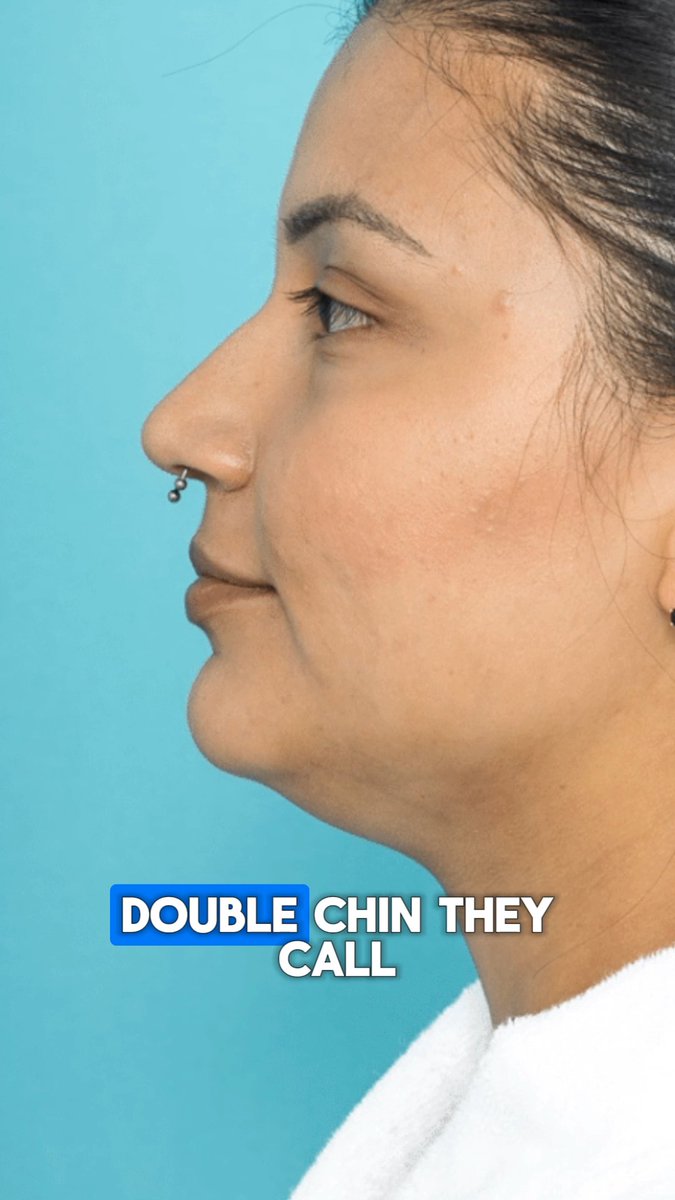
For easier placement and minimizing tissue dissection, EnCompass provides a magnetic guide, parallel closure, and uniform tissue pressure – while harnessing the technology we know works well.
1,813,703 views • 2 years ago •via X (Twitter)

0 Comments

No comments available

Comments from the original post will appear here

Related Videos

Back massage is not only a relaxing practice, but also an effective support method for the musculoskeletal system and neurohormonal balance. In daily life, the back area is one of the areas where the most tension accumulates due to posture, stress, and muscle strain. The controlled pressure applied during the massage provides relaxation in muscle fibers, increases regional blood circulation, and supports oxygenation to the tissues. This process also reduces muscle spasms, contributing to the alleviation of pain. Physiologically, the effects of massage are not only local. Systemic effects such as a decrease in stress hormones like cortisol, an increase in endorphin and serotonin levels, and an increase in parasympathetic activity in the autonomic nervous system provide both physical and mental relaxation. The most frequently observed benefits are: Reduced muscle stiffness, relief from back and neck pain, improved circulation, improved sleep quality, general relaxation, and reduced stress. Incorrect technique or excessive pressure can lead to: trauma to muscle tissue, increased existing pain, and soft tissue damage. Situations requiring attention: Acute muscle injuries, serious spinal pathologies, infections, or febrile conditions. In such cases, an assessment should be made before applying massage. In summary, the effectiveness of massage comes not from the intensity of the pressure, but from the correctness of the application. Therefore, it is very important to have massages performed in places where the correct application is carried out.

Op. Dr. Mehmet Bekir Şen

61,773 views • 3 months ago

🚨 SCIENTISTS MAY HAVE FOUND A NEW WAY TO KILL DRUG-RESISTANT BACTERIA. And it doesn't rely on traditional antibiotics. Researchers repurposed a ruthenium-based anticancer drug and activated it using ultrasound deep inside infected tissue. Why this matters: • Antibiotic resistance is one of the fastest-growing threats to global health • Drug-resistant infections could kill more people than cancer by 2050 • Many antibiotics are losing effectiveness • Deep-tissue infections are difficult to target safely • Bacteria continue evolving resistance to conventional treatments The breakthrough: Scientists used a compound called TLD1433, originally developed for cancer therapy. By itself, the drug is largely inactive. But when exposed to focused ultrasound... it generates highly reactive oxygen molecules that attack bacterial DNA and destroy protective biofilms. Unlike antibiotics, the treatment doesn't target a single bacterial pathway. Instead, it creates widespread oxidative damage that bacteria struggle to evolve resistance against. The results were remarkable: • Outperformed conventional antibiotics in laboratory tests • Reduced survival of pneumonia-causing bacteria to just 14% • Broke down oxygen-starved bacterial biofilms • In animal studies, every treated mouse survived • Only 25% of untreated controls survived The deeper implication is enormous: For decades we've searched for new antibiotics. But the future may not be finding stronger drugs. It may be activating existing drugs only where they're needed. By combining chemistry with precisely targeted ultrasound... scientists could attack dangerous infections deep inside the body while minimizing damage to healthy tissue. The real question is: Could sound become one of medicine's most powerful weapons against antibiotic resistance? Follow for more frontier science and technology discoveries.

TheNewPhysics

10,651 views • 1 month ago