Video wird geladen...
Video konnte nicht geladen werden
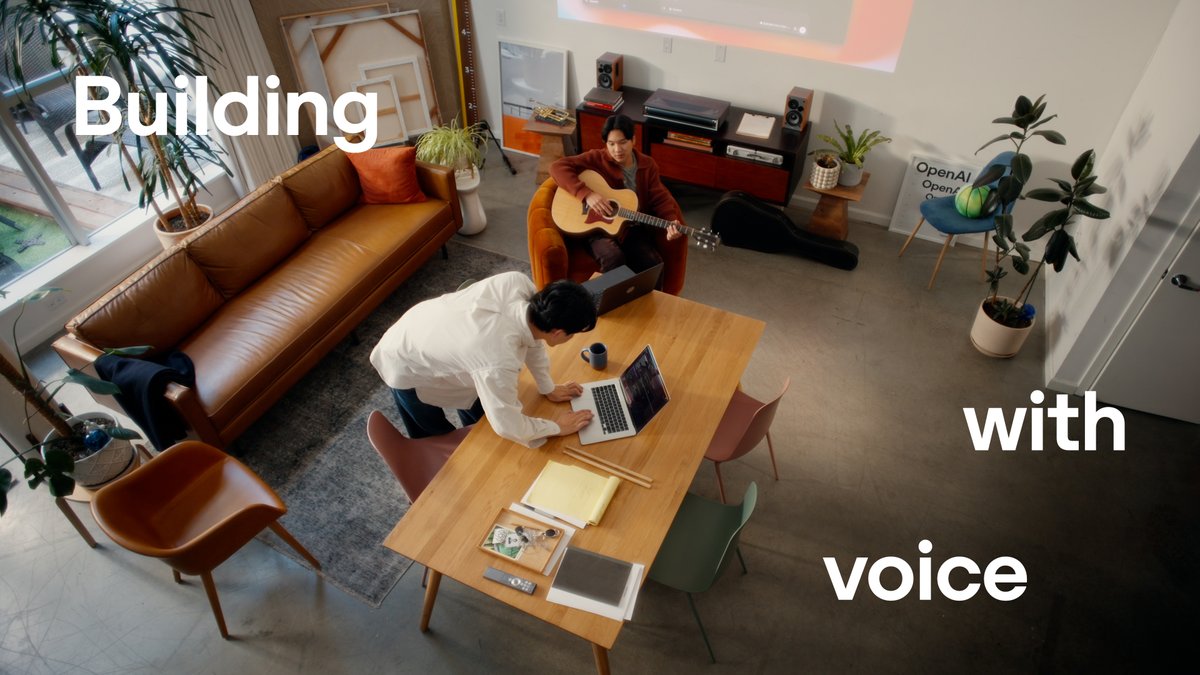
From figuring out the wiring to debugging “show that on the wall,” Sid Rampally shares how he used Codex to turn an LED display into a voice-controlled assistant. Powered by GPT-Live-1 and a Raspberry Pi, it shows weather, subway arrivals, and more:

60,248 Aufrufe • vor 2 Tagen •via X (Twitter)
21 Kommentare

GPT-Live-1 handles the conversation while the Raspberry Pi sends research and tool tasks to GPT-5.6 Luna via the Responses API. The Pi’s local renderer turns scenes into 128 × 64 pixels. Sid can keep talking while research and rendering happen in the background.
Bring your next project to life with Codex:

@sidrampally Maybe now give us back the thing people are actually asking for 4o. #4oForAll

@sidrampally So, we can turn an LED display into a voice assistant now. Next, let’s see if it can turn users into tech experts

@sidrampally Plus users pay for ChatGPT too. We don’t need more random features while the core experience is left behind. Bring GPT-6 Sol/Astra to regular Chat for Plus, increase Voice limits, and give Plus users meaningful upgrades — not just side features.

@sidrampally 82f and 5 min till the train, that's basically a whole product for one guy and a pi

@sidrampally I'm interested in upgrading to the 200/mo plan. Any idea on when this will become available again?

@sidrampally this is genuinely so awesome 🥲

@sidrampally did the model catch wiring errors before you powered it on, or did those surface during testing? debugging "show that on the wall" sounds like it handled the vague-to-precise translation well

@sidrampally Turning a simple LED display into a voice-controlled AI assistant with Codex + Raspberry Pi is a seriously clever build.

@sidrampally This is the kind of project that shows where AI agents are heading. Hardware + voice + real utility > pure chatbots. Great work by @sidrampally.

@sidrampally Voice-controlled LED display on Raspberry Pi powered by GPT-Live-1 is such a clean build

@sidrampally For once, talking to the wall might actually tell you when the train is coming.

@sidrampally The best demos make the separation of responsibilities visible. Keep the voice layer responsive while the background tools do slower work, then show what finished and what still needs attention.

@sidrampally voice-controlled wall display on a pi. lowkey the coolest weekend ship of the week

@sidrampally The two-loop split is what I'd keep: live voice for conversation, a second model for tools/research. I measure wall-clock while talking + tool success rate + how often I re-ask — if research blocks speech, the UX dies.

@sidrampally We went from ‘help me debug this function’ to ‘help me debug my wall’ remarkably fast 😂

@sidrampally Live-1 on the mic, Luna on Responses for the tools. if every voice turn opens a fresh Luna call, now the next train has to re-fetch. does the Pi keep a Luna session across utterances?

@sidrampally “Show that on the wall” is where the UX gets interesting. If it picks the wrong “that,” correcting it should be as casual as asking in the first place.

@sidrampally openai slipped a new voice model name, gpt-live-1, into a developer blog post. the model launches of 2026 are no longer events, they are footnotes.

@sidrampally the raspberry pi renaissance is here. models got cheap enough that a 35-dollar board can run a front desk. hardware is the new app store.