Video wird geladen...

Video konnte nicht geladen werden

Zur Startseite

How do we know what machines know? How can we understand the new, emerging behavior of machines? In this conversation between Been Kim from Google DeepMind and the BuzzRobot community, we dug into the challenges of interpretability and explored how humans and machines can better understand each other. Watch...

13,431 Aufrufe • vor 10 Monaten •via X (Twitter)

0 Kommentare

Keine Kommentare verfügbar

Kommentare vom Original-Post werden hier angezeigt

Ähnliche Videos

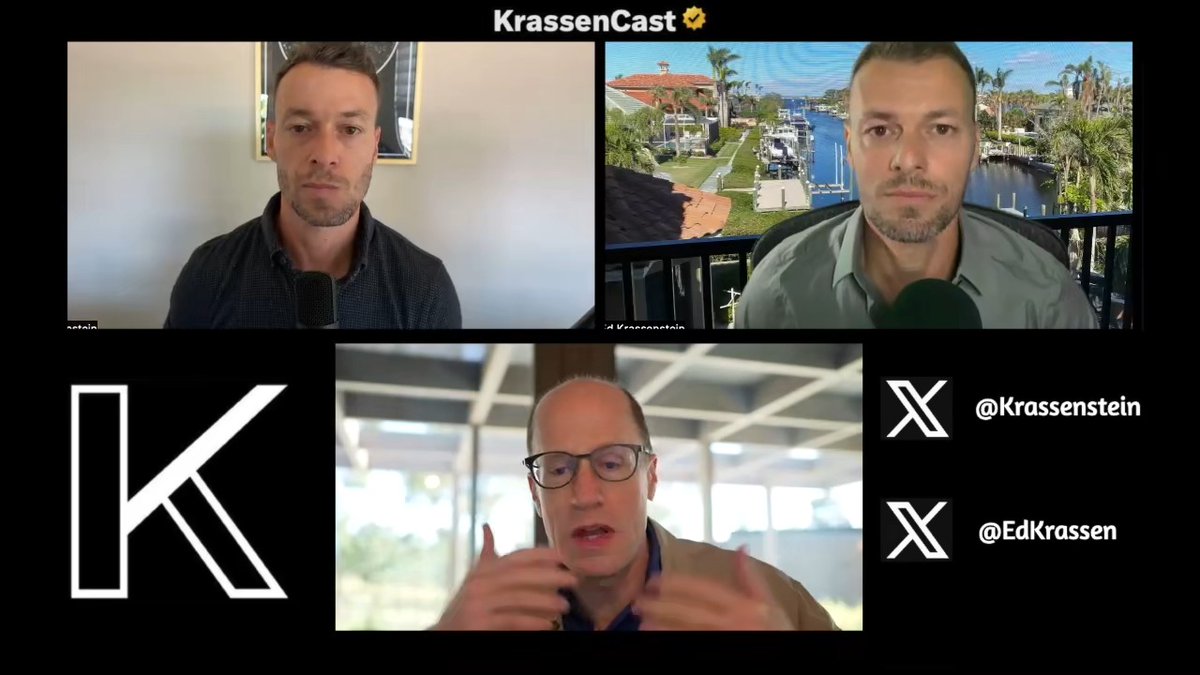
We interviewed Nick Bostrom, The author of NYT’s Bestseller “Superintelligence,” and one of the most influential experts on AI Risks. Timestamps: 2:11 - Will AI be used for Extreme Bad? What are the odds? 4:44 - What are the biggest concerns with AI? 6:16 - People are greatly underestimate what Super-intelligence will be. 7:19 - Can we trust anyone with creating a Super-Intelligent AI? 8:49 - Are the big AI companies taking AI safety serious enough? 10:39 - Are multiple AI systems undergoing the transition to super-intelligence at the same time a good or bad thing? 13:10 - How do we prevent AI from becoming biased like we saw with Google Gemini? 16:17 - Is there a danger of AI being too truthful or too opinionated? 18:10 - When do AI’s gain a moral status? How do we know? 19:40 - What is Truth for an AI? 22:37 - What has surprised Bostrom the most regarding AI in the past 10 years? 26:13 - Is AI moving faster or slower than Bostrom imagined 10 years ago? 26:38 - Do we see another AI Winter or AGI first? 28:21 - Is energy a limiting factor in AI? 30:00 - What is Deep Utopia? 33:18 - When will we reach Super-intelligence and Deep Utopia? 36:00 - Can a Deep Utopia be a problem for humanity? 39:29 - Could a Utopian society lead to the creation of a simulated reality as a way to escape? 42:28 - If we are in a simulation, is our consciousness simulated? 47:48 - Elon Musk or Sam Altman? 48:17 - Artificial Super-Intelligence before or after 2035? 49:40 - How can you get Nick Bostrom’s book “Deep Utopia?”

KrassenCast

380,725 Aufrufe • vor 2 Jahren

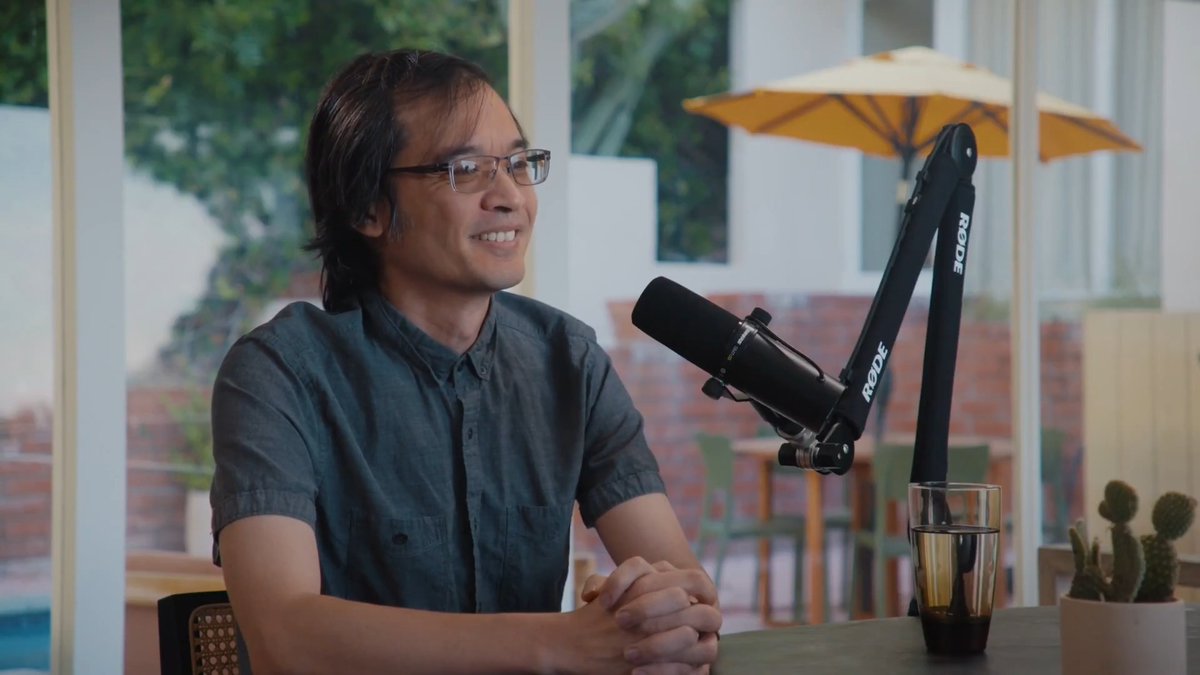
The Terence Tao episode. We begin with the absolutely ingenious and surprising way in which Kepler discovered the laws of planetary motion. People sometimes say that AI will make especially fast progress at scientific discovery because of tight verification loops. But the story of how we discovered the shape of our solar system shows how the verification loop for correct ideas can be decades (or even millennia) long. During this time, what we know today as the better theory can often actually make worse predictions (Copernicus's model of circular orbits around the sun was actually less accurate than Ptolemy's geocentric model). And the reasons it survives this epistemic hell is some mixture of judgment and heuristics that we don’t even understand well enough to actually articulate, much less codify into an RL loop. Hope you enjoy! 0:00:00 – Kepler was a high temperature LLM 0:11:44 – How would we know if there’s a new unifying concept within heaps of AI slop? 0:26:10 – The deductive overhang 0:30:31 – Selection bias in reported AI discoveries 0:46:43 – AI makes papers richer and broader, but not deeper 0:53:00 – If AI solves a problem, can humans get understanding out of it? 0:59:20 – We need a semi-formal language for the way that scientists actually talk to each other 1:09:48 – How Terry uses his time 1:17:05 – Human-AI hybrids will dominate math for a lot longer Look up Dwarkesh Podcast on YouTube, Apple Podcasts, or Spotify.

Dwarkesh Patel

852,320 Aufrufe • vor 4 Monaten