Загрузка видео...
Не удалось загрузить видео
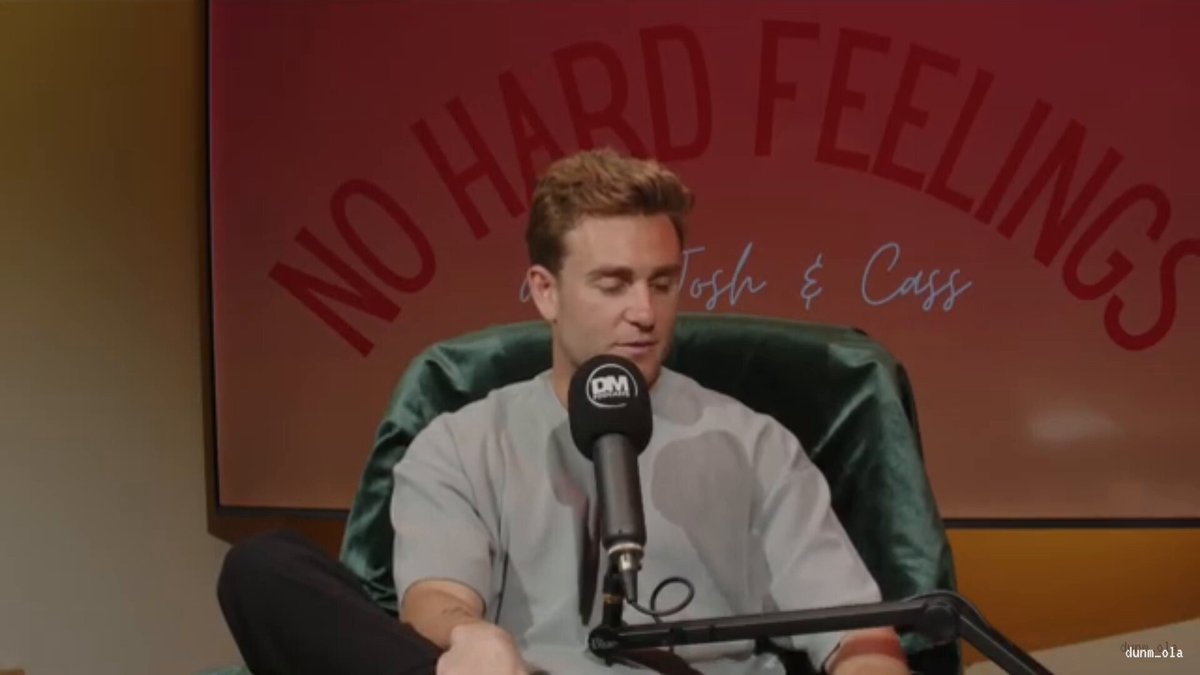
How Experiencing awe affects the brain and body: "When your visual aperture is small, your perception of time is different. You're fine slicing." "If I'm in line at the store and I have some place to be, my visual aperture shrinks and it feels like the person in front... show more

33,355 просмотров • 1 месяц назад •via X (Twitter)
Комментарии: 0
Нет доступных комментариев
Здесь появятся комментарии из оригинального поста
Похожие видео


![More of Harry about Aperture “The reason why it's called Aperture is like, you control how much light you let in to your life. And I think the start of this year, I kind of just decided I was going to say yes to everything. And the momentum of that has just brought, like, so many positive things in a lot of different ways into my life. And it's been a really beautiful time in my life. And I think also, just when I would play people the music, it was always the song that I played first. […] I want to say and where I'm at in my life. And I think there's nothing more fulfilling, I think, as a musician than putting out a song that you feel like represents where you're at in your life. I think sometimes, you know, you write a song and by the time it comes out, you've kind of been through a bunch of things, and you're not really kind of aligned with necessarily what is happening in the song. And I think I really felt it when we put As It Was at or I felt like, “oh, I feel like this really represents where I'm at in this moment” and that felt really fulfilling. So I think kind of I wanted to do that again this time. And just I feel great about, like, pressing play and going like, I want to play something. And that's kind of why it ended up being the first song.” - 102.7 KIIS FM](https://image.24vids.com/tw-2014721753235231178/amplify_video_thumb/2014721694422704130/img/Lklt3aVp6mIoPoF3.jpg)


![Harry on when he finished the album and why he chose 'Aperture' as the first single “I finished the album at the end of the summer of end of last summer. Um, I finished this song in like the end of June, I think. […] I think Aperture it's track one on the album. It was the last song that was made for the record. It was kind of when we were at our most free I think making music and was just like this is the first song that I played to people when I'm when I showed them what the new music sounds like that it just felt like the obvious ended up feeling like the obvious choice of what should come first. I think the idea of opening up and kind of being the doorway into that kind of transition felt like that's what I wanted to communicate. I think like as you know there's nothing better as a musician than putting work out that you feel in line like as you're kind of as you're going through things in your life, you're like ‘This song that I'm putting out right now still represents me where I'm at.’ ” - SiriusXM](https://image.24vids.com/tw-2014693415523377311/amplify_video_thumb/2014691078499074048/img/bicE9J6f5qqsR8jx.jpg)
![Rick Rubin on being addicted to the miracle of creation: “I like the moment of revelation. So we're working on something and it's just okay. It's boring. I'd rather not be there. That's how it feels. But then something happens and it's like magic. Something appears. It's not like we made it. Something comes up in the process. It's conjured in the process. It’s like a miracle and that's the thing that's addictive. That feeling when it's like it's not good, it's not good, it's not good, it's not good. We try something and it doesn't work. Try something else and it doesn't work. But then all of the sudden what we're listening to is really cool. That's the [addictive] feeling, that moment of discovery where it goes from nothing to something really good. And then the whole rest of the process after that is protecting that because it's super delicate. When it happens it's like this miracle happened and this magic thing happened and now we have to protect it through the rest of the process to not ruin it. It's scary because you don't want it to end. You don't want it to stop because we know if it stops, we can't control it. We can't do it again. It's not like that. It's this moment in time where something magical happens. So we spend a lot of time waiting and I can't say that's fun. Waiting is not fun.”](https://image.24vids.com/tw-2058962078556438757/amplify_video_thumb/2058961845969674240/img/E5SLMlKN3vXVvO-U.jpg)

2:37
Sensitive content
Angela White explains that PORN STARS don’t judge REGULAR PEOPLE’S SEX because the expectations and SKILLS required on a porn set are completely different from intimate bedroom sex "No." "I mean, you can't- Look, the male talent in the industry are incredibly skilled at what they do, and there's a reason why you see the same male performers appear in scenes over and over and over again." "It's actually a very small pool of male talent that we choose from, because they're the only ones in the world that can get hard in front of an entire crew, stay hard, have sex for as long as we need, whether it's forty-five minutes or two hours, and then- And pop on command." "That is a very small amount of men in the world that can do that." "So if we're having sex with men outside of porn Firstly, a lot of women don't even want to have sex for two hours. You know, like they've got other things to do." "But also like, I mean, the expectations are also different. Like when I'm having sex on a porn set, we are being a lot more acrobatic than I would even want to be in a bedroom at home." "Like, I have to stretch and prepare for some of these scenes. Like when I'm having sex in a bed in my own time, I wanna have like really connected, intimate sex. I don't wanna be opening up for the camera or the light. I wanna be like, I wanna be man blanketed." "So we're not expecting acting porn sex off a porn set." "I mean, it's true we have had the best of the best. I'm not gonna lie, that is true." "But I think the problem is, it's like when men do get into their own head, it fucks everything up. Because if you're in your head, you're not focused on the woman in front of you." "Like, if you're in your head, you're thinking about, 'Oh my God, is my cock hard enough? Is my cock big enough? Am I touching right?' There's a woman in front of you, how lucky are you? Focus on her and her pleasure, and everything will go fine." "That's, that if you're in your head, how are you finding her clit if you're like, 'Is my dick big enough?' Like, where are you in that moment? Connect with the woman." "Yeah, I think just always think about the girl." "You have to look at the person that you're working with, and like, what is the body part that you like the most? Like, what does, what are her lips feel like on your lips? Like, you've gotta focus on the interaction that you're having with that person to get aroused."
Dunmola♋
119,497 просмотров • 15 дней назад


