Video wird geladen...
Video konnte nicht geladen werden
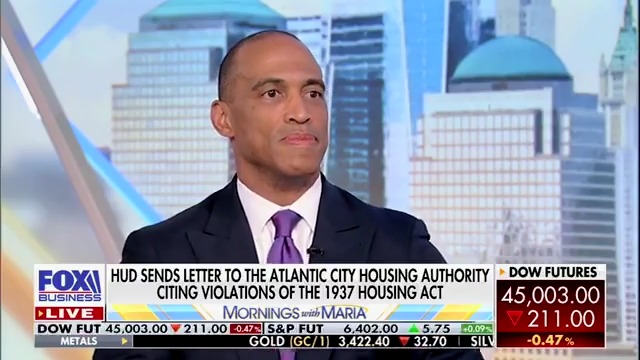
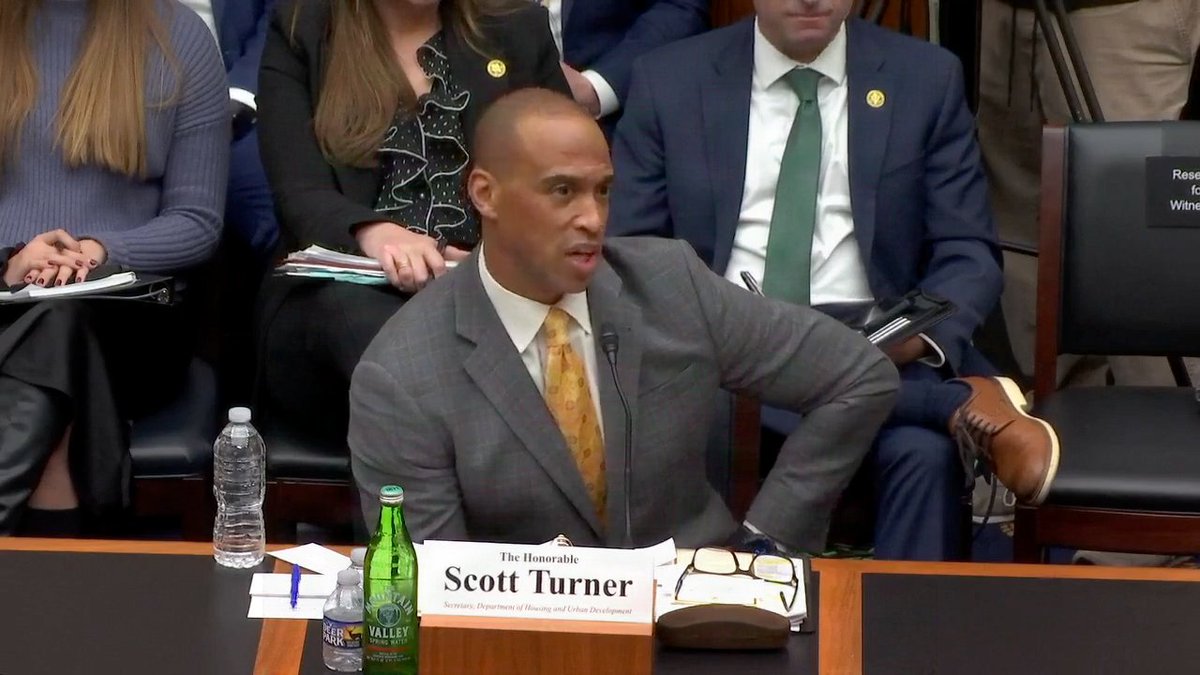
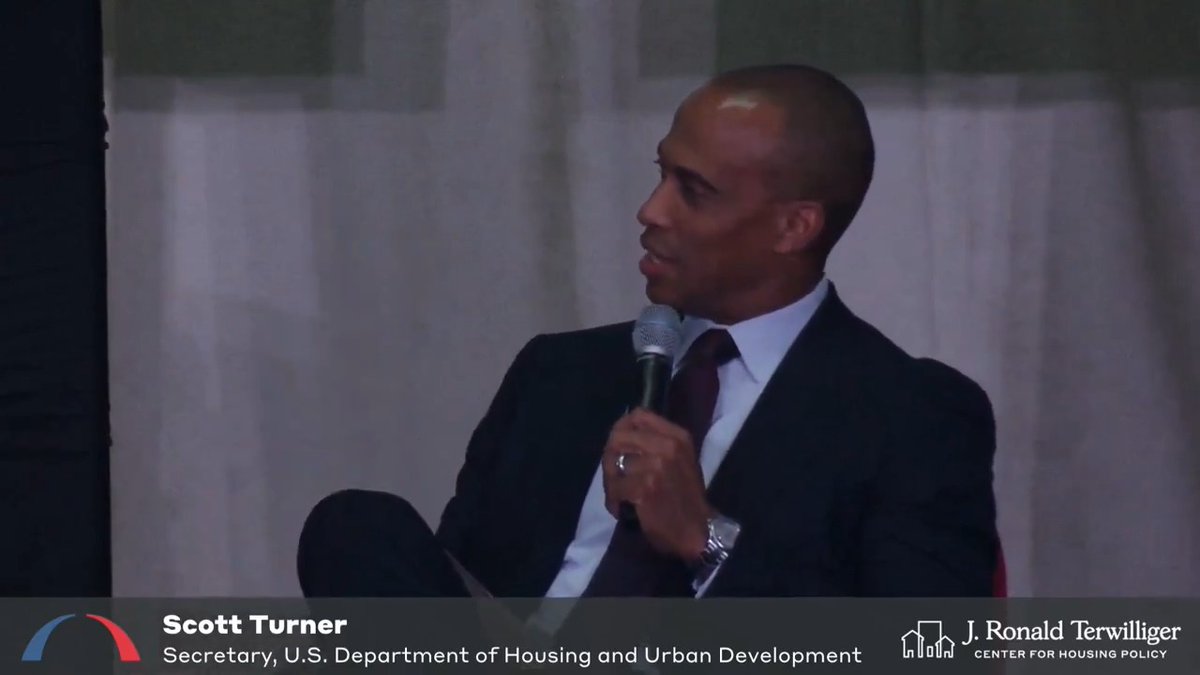
HUD has failed at its most basic mission over the last several years. The mission of HUD is to serve our most vulnerable populations, yet by almost every metric, circumstances have gotten worse. We’re taking inventory to make HUD more efficient and streamlining our programs to best serve the... show more
253,315 Aufrufe • vor 1 Jahr •via X (Twitter)
11 Kommentare

Housing dollars are getting wasted while Americans sleep on streets. Look at HUD's track record: $1.5M burned on DEI paperwork, $3.7M vanished into "supply chain" consulting, and $4.2M dumped into IT systems that never materialized. That's $9.4M that could have provided real shelter to families in need. This isn't just mismanagement—it's a system-wide failure demanding immediate correction. Every dollar spent on bureaucratic bloat is a dollar stolen from actual housing solutions. The fix is simple: blockchain tracking of every HUD expenditure, criminal penalties for wasteful contracts, and redirecting funds to proven programs that put roofs over heads. When government efficiency fails, real people end up homeless. That's not acceptable in a nation built on accountability.

🇺🇸 New Leadership, New Priorities! The old ways are gone. This administration must step up where others failed. 🦅 🛡️A stronger nation starts with informed citizens. Start your own cyber awareness journey with the CYBERSECURITY DICTIONARY for Everyone:

🙋🏼♀️👩🏼🦽➡️GREAT NEWS! Families who care for those who are our most vulnerable APPRECIATE this focus & support!

It is a tsunami of abuse and waste. Thank you for your service.

Way to go.

HUDS only mission the last 4 years was to gather data to help with systematic racism.

You are so impressive. What a great pick.

Please stop giving grants to IFF. They are dripping in DEI and the CEO brings home a cool $500,000 a year to “help” the underserved 😳

I’ve developed a plan to transition welfare recipients into high-paying apprenticeships, tackling labor shortages and fostering economic growth. I could use your insight! #WorkforceDevelopment I’m concerned that many Americans are unaware of the opportunities provided by paid apprenticeships, resulting in critical industries facing worker shortages. Additionally, current welfare programs often fail to support upward economic mobility, trapping recipients in a cycle of poverty. While I don’t have a political background, I believe my plan has the potential to drive meaningful change. My hope is to spark important conversations that lead to real solutions for economic mobility and workforce development. Twila's Federal Plan to Transition Individuals from Welfare to High-Paying Apprenticeships Objective: The goal of this program is to help individuals on welfare transition to stable, well-paying jobs through apprenticeships in industries with labor shortages. By providing a structured pathway, this plan encourages financial independence, skill development, and long-term financial security, including the eventual possibility of homeownership. 1. Eligibility and Enrollment Target Population: Individuals currently receiving welfare benefits (EBT, Healthcare, Housing, etc.) who are willing to participate in the apprenticeship program. Enrollment Process: Interested individuals apply through local workforce development agencies or online platforms. Applicants must undergo basic skills assessments to ensure they are prepared for the apprenticeship opportunities available. The program is voluntary but highly encouraged for those who are able and willing to transition into the workforce. 2. Apprenticeship Matching Industry Focus: The program targets industries with critical labor shortages, including but not limited to: - Healthcare (nursing assistants, medical technicians) - Skilled trades (electricians, plumbers, carpenters) - Technology (IT support, cybersecurity) - Manufacturing (machinists, welders) - Transportation (truck drivers, logistics) Employer Partnerships: Employers in these sectors would partner with the government to offer apprenticeship opportunities. The government will work to create incentives for employers to hire individuals from this program, including tax credits or subsidies for each person hired. Program Structure: Apprenticeships will last for two years with a mix of on-the-job training and classroom instruction, ensuring workers gain practical and industry-recognized credentials. Apprentices will work full-time, earning a competitive wage (aligned with industry standards), and will receive benefits (healthcare, retirement contributions, etc.). 3. Wage and Benefits Structure Wages: Apprentices will earn a starting wage, with increases as they complete milestones and gain experience and skills. Welfare Continuation: Participants will continue receiving welfare assistance (EBT, healthcare, housing) on a sliding scale based on their income. The first $500 of monthly income will not be counted toward the sliding scale, ensuring workers maintain a baseline of support. A portion of their income will be withheld for the savings program, but it will not cause undue hardship. Savings Plan: One-Day Pay Deduction: Apprentices will contribute one day’s wage per month into a savings account managed by the employer. This money is earmarked for company investments or training programs and is not spent directly by the employee. Employer Contribution: At the end of two years, the employer will return 150% of the total contributions made by the apprentice into a fund dedicated to homeownership. Government Contribution: The government will match with a $20,000 contribution at the end of the apprenticeship period, which will be available for a home loan, potentially leveraging USDA or other affordable housing loan programs. 4. Post-Program Transition Employer Commitment: After the completion of the apprenticeship, the employer will have the option to hire the apprentice full-time or offer them a permanent position with a competitive salary and benefits. Homeownership Grant: At the end of the program, the apprentice can use their savings and government contributions (up to $20,000) toward a down payment on a home through a government-backed grant program. The savings and grant will serve as a down payment, while the government will offer further assistance with qualifying for a mortgage. Ongoing Support: Graduates will receive post-program career counseling to help them navigate job opportunities or further education, ensuring their continued success in the workforce. Financial literacy training will be offered throughout the program to help apprentices manage their savings, credit, and future investments (such as homeownership). 5. Government and Employer Role Government Oversight: The federal government will work with state and local agencies to oversee and manage the program, ensuring it runs smoothly and participants are effectively transitioning off welfare. The government will facilitate the savings and loan systems and coordinate with financial institutions for home loans. Employer Incentives: Employers offering apprenticeships will receive tax breaks or subsidies to reduce the cost of hiring and training workers. Employers who participate will also be encouraged to provide additional resources such as mentorship and career growth opportunities for their apprentices. 6. Program Monitoring and Evaluation Tracking Progress: Apprentices will be required to check in periodically with the program administrators to assess progress. Employers must provide feedback on the apprentice's performance and progress to ensure they are meeting their milestones. Success Metrics: The success of the program will be measured by the number of apprentices who transition to permanent jobs, the savings generated for homeownership, and the long-term impact on welfare dependency rates. 7. Funding and Budgeting Program Funding: The program will be funded through a mix of federal and state contributions, with dedicated funds allocated annually to support apprenticeships, wage supplements, and savings plans. Additional funding will be used for employer subsidies, job training, and homeownership assistance. 8. Long-Term Impact Reduction in Welfare Dependency: By providing a clear and structured pathway to employment, this program will help individuals reduce their reliance on welfare and gain long-term economic independence. Economic Growth: With employers filling critical positions and workers gaining stable, well-paying jobs, this plan will stimulate economic growth in underserved industries. Homeownership Opportunities: Facilitating homeownership through savings contributions and government-backed grants helps create wealth-building opportunities for individuals who might not otherwise have access to such resources. Conclusion: This federal plan for transitioning people off welfare focuses on building skills, providing stable income, and ensuring long-term financial security. By tying apprenticeships to savings, employer incentives, and homeownership, it creates a sustainable model that benefits both individuals and the economy at large.

😎🤙❤️🇺🇸

Awesome work that you do. Thank you. ☺️