Video yükleniyor...

Video Yüklenemedi

Ana Sayfaya Dön

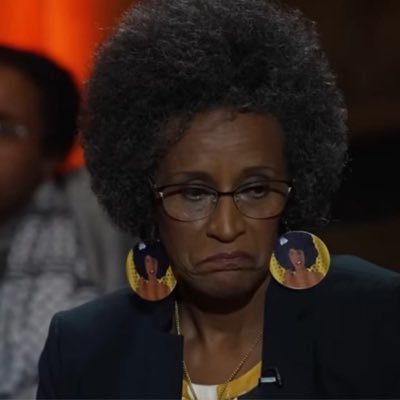
I spoke with the BBC Focus on Africa this evening on the latest developments in the Southern Tigray zone, which are primarily triggered by the failure to uphold the withdrawal of foreign and non-ENDF forces from Tigray region according to the Pretoria agreement for cessation of hostilities. The lack...

58,743 görüntüleme • 2 yıl önce •via X (Twitter)

6 Yorum

ShalomEthiopia👨🏽‍⚕️ profil fotoğrafı
ShalomEthiopia👨🏽‍⚕️2 yıl önce

Clear, precise and accurate ❤️

Ƒìէաì | #FreeTigray |#EndTigrayGenocide | profil fotoğrafı
Ƒìէաì | #FreeTigray |#EndTigrayGenocide |2 yıl önce

Thank you so much for countering the false narratives with facts on the ground. 💛🤍❤️

Biyyo profil fotoğrafı
Biyyo2 yıl önce

Its a real conundrum! Amhara region &half its populace are inline with Prosperity Party leadership in-terms of not wanting to enforce the constitution. The rest of the nations are struggling to consolidate or maintain the constitution. Who should mediate this divide? #Ethiopia

Asnaketch Woldetensa profil fotoğrafı
Asnaketch Woldetensa2 yıl önce

Tsedal but why don't you speak out about your people #OromoNation? At this moment I would have expected you to speak about what you feel the acts of Fascist Abiy @AbiyAhmedAli and Nazist Shimelis Abdisa @ShimelisAbdisa.

Kibrom Zebib Sibhatleab (Sec-cox Tigra-Why) profil fotoğrafı
Kibrom Zebib Sibhatleab (Sec-cox Tigra-Why)2 yıl önce

The federal government has continued to conspire against Tigryan interests by throwing Tigryan lands as mere bones of contentions. Thank you Tsedale for standing by the truth always🙌

ǫɒʜɒɿdA❤💛✊🏿 profil fotoğrafı
ǫɒʜɒɿdA❤💛✊🏿2 yıl önce

Precise and to the point as always👌🏿

Benzer Videolar

Field Marshal Birhanu Jula: "Tigray Can Constitutionally Secede" A Message Interpreted as a Threat by Many Addis Ababa | In a controversial statement that is sparking renewed debate about Ethiopia’s federal structure and the future of Tigray, Field Marshal Birhanu Jula, the Chief of Staff of the Ethiopian National Defense Forces, declared that "if the people of Tigray want to separate from Ethiopia, they can do so through constitutional means." The remark, made during a recent public address, echoes earlier comments by Addis Ababa Mayor Adanech Abebe during the height of the war in Tigray, who also suggested on national television that secession is a constitutional right. While these statements may appear to affirm the federal constitution's Article 39, which provides nations and nationalities the right to self-determination, many Tigrians see them as veiled threats rather than genuine acknowledgments of legal rights. Critics argue that such comments are not extended with goodwill but used as tools of coercion. "The message is loud and clear," said one observer. "If you dare invoke your constitutional rights, the government will treat you as an enemy. You’re expected to live not as free citizens but according to directives handed down from the center." This rhetoric, combined with the devastating toll of the Tigray war — widely recognized by international observers as involving war crimes, including ethnic cleansing and acts of genocide — has fueled mistrust and disillusionment. While many hoped for a path of justice, accountability, and reconciliation after the war, the official tone remains defiant and, to many, dismissive of the trauma experienced by the Tigrian people. Rather than addressing the underlying grievances in Tigray or meaningfully engaging in peacebuilding, critics say Ethiopian federal authorities have resorted to intimidation and nationalist rhetoric. This, they warn, may further entrench divisions and drive the region toward renewed instability. Calls are growing from both inside and outside Tigray for international mediation, justice for war crimes, and an honest national dialogue about Ethiopia’s future — one rooted in consent, rights, and respect for all peoples, not threats disguised as legal clarity.

Tigrai Media House

10,902 görüntüleme • 1 yıl önce

The Perseverance of Welkait Amhara after 30 years of Ethnic Cleansing and Genocide at the hands of the Tigray People's Liberation Front (TPLF) Today marks the 3 year anniversary of the #MaiKadraMassacre, one of the largest and most gruesome massacre of civilians since war broke out in #Ethiopia on November 4th when TPLF attacked a military command post in Tigray. On November 9th, as TPLF forces were losing ground on all fronts, a Tigrayan youth group named Samri, led by Capt. Kassaye Mehar, went door to door in the town of Mai-Kadra and massacred over 1600 Amhara civilians. Mai-Kadra is a town located in the Amhara ancestral land of Welkait, or what TPLF and their Western backers call Western Tigray. In 1991, when TPLF came to power after the fall of the DERG regime, it annexed Welkait into Tigray and called it West Tigray. It's important to point out that TPLF started its armed struggle with the goal of "liberating" Tigray from Ethiopia, as their name clearly indicates. In order to make this a reality Tigray lacked two things; fertile land and an international border with a neighboring country, as Tigray was encircled by Amhara, Afar, and Eritrea inhabited lands. This is how their plan to annex Welkait (to the west) and Raya (to the south), two Amhara ancestral lands, came about. By annexing these lands as soon as they came to power in 1991 (way before the ethnic based constitution was ratified in 1994), they were able to achieve both goals of getting fertile land and having an international border with Sudan. If you're curious as to why Ethiopia is the only country in the world to have an article in its constitution (Article 39) that gives any of the ethnic based regions the right to secede from Ethiopia, the answer should be obvious by now. TPLF did not add this into the constitution so that Oromia or Somali region can declare independence, it was a parachute they were saving for themselves when they can no longer rule Ethiopia (they lost power in 2018). It's not like TPLF was not warned about the dangers of annexing the Amhara ancestral lands of Welkait and Raya. As @_HornAfrica pointed out in a tweet today, "Haileleul Getahun, in his book 'Assault on Rural Poverty: The Case of Ethiopia,' predicted two decades ago that Tigray annexing Welkait (Amhara lands) will trigger a regional conflict." ------------------------------------------- Excerpt from "Assault on Rural Poverty: The Case of Ethiopia", Published April 18, 2001: Therefore, the government chose to annex the land that was traditionally the home of other ethnic groups by force of arms. The TPLF's major concern appears to be the consolidation of its power base by developing economic resources that will enable it to withstand any attempts from outside Tigray to adversely affect its goal of having the potential to be economically self-sufficient. To this end, the government was very active in developing the necessary infrastructure and resettling Tigrayan returnees from Sudan and demobilized TPLF soldiers in these districts. By resettling Tigrayan returnees and demobilized TPLF soldiers among the Amhara ethnic population, the TPLF tried to change the ethnic configuration of the annexed area with a view to ensuring that the majority of the settlers are from Tigray. To reinforce its plan, the language of instruction in the government primary schools quickly changed from Amharic to Tigregna, even though a substantial number of Amhara families still remained in the districts. As time passed, the TPLF evicted the peasants of Northern Gondar and Wollo from their ancestral lands and annexed these areas to Tigray. The ethnically cleansed peasants from these places are now landless paupers, many exploited as cheap farm labor by the expropriators of their land. Others are forced to survive as beggars in Gondar, Dessie, and Bahar Dar. ... Considering the gravity of this situation and its future implications, two prominent Ethiopians from region 3 (Amhara region), the late Dagnew W. Selassie, and Fitaye Assegu wrote a joint memorandum to Prime Minister Meles Zenawi, asking him to annul or declare invalid the redrawing of boundaries along ethnic lines. To date, Meles Zenawi has not reacted one way or the other. Although information is scanty, it is now understood that the Ethiopian Patriotic Front (Keffagne), an underground movement for the liberation of Humera, Tselemt, Welkait, and Tsegede is now operating in the region. The TPLF, EPLF, and others started their movements in the same way as the Keffagne. These districts must be returned to their original killils, otherwise a bloody civil war possibly affecting the entire horn of Africa could erupt. ---------------------------------------- Fast forward to today, Welkait and Raya have been restored to their rightful owner and informally incorporated into the Amhara region for the past 3 years after the Federal, Amhara Special forces and Fano freed the areas from TPLF in November 2020. The Federal government has put these areas in a limbo for the past 3 years by refusing to ratify their incorporation into the Amhara region and refusing to release 3 years of budget. These areas have been getting by from budgetary support they're getting from Amhara region and individual contributions from Amharas. The Pretoria agreement that was signed by the Federal government and TPLF last November states that the resolution to these "contested" lands will be done through the constitution, but as stated earlier, these lands were annexed by TPLF in 1991, 3 years prior to when the Ethiopian constitution was adopted (1994). Prime Minister Abiy Ahmed Ali 🇪🇹 in a recent speech said that the issue will be resolved through a referendum, but as the book by Haileleul Getahum illustrates, TPLF has spent the past 30 plus years ethnically cleansing the native Amhara and settling Tigrayans on these lands. So the Prime Minister saying this will be resolved through referendum is an indirect admission that he wants these lands to be given back to TPLF. This might raise a question of why Abiy would want these lands to be given to TPLF, as TPLF led an insurrection to topple his government. For Abiy, everything is about preserving his power. From his point of view, TPLF is too weak to pose a threat to his power. So handing back these lands to them won't pose a major threat, and will put him in good grace with the US government and can get him IMF and World Bank loans to save the crashing economy. With TPLF and Tigray weakened, the biggest threat to Abiy and his Oromo nationalist government are Amhara, as demonstrated by the all out war he has waged on Amharas since signing the Pretoria agreement. The reason he disband the Amhara Special Forces in April before disarming TPLF, and the reason he has waged a full scale war on Amharas to disarm Fano is to achieve his goal of weakening Amhara and handing over the Amhara ancestral lands of Welkait and Raya to TPLF as part of the Pretoria agreement that was sponsored by the US. The Amhara in Welkait and Raya are steadfast in their determination to live free as proud Amhara, after enduring over 30 years of subjugation at the hands of the ethno-fascist Tigray People's Liberation Front. They are now demanding for their land to be formally recognized as part of the Amhara region and their budget, that has been withheld the past 3 years, to be released. Meanwhile the Amhara in Gojjam, Gondar, Wollo, and Shewa have risen up and are fighting the new ethno-fascist in power, the Oromo Prosperity Party led by Abiy Ahmed, so they can live free as proud Amhara. After 50 years of torment, ethnic cleansing, and institutionalized genocide, the Amhara people have said enough and there is not enough drones or tanks or artilleries that Abiy can use to stop the rise of Amhara. #AmharaRevolution #WarOnAmhara #AmharaGenocide

ነብዩ

133,689 görüntüleme • 2 yıl önce