Loading video...

Video Failed to Load

Go Home

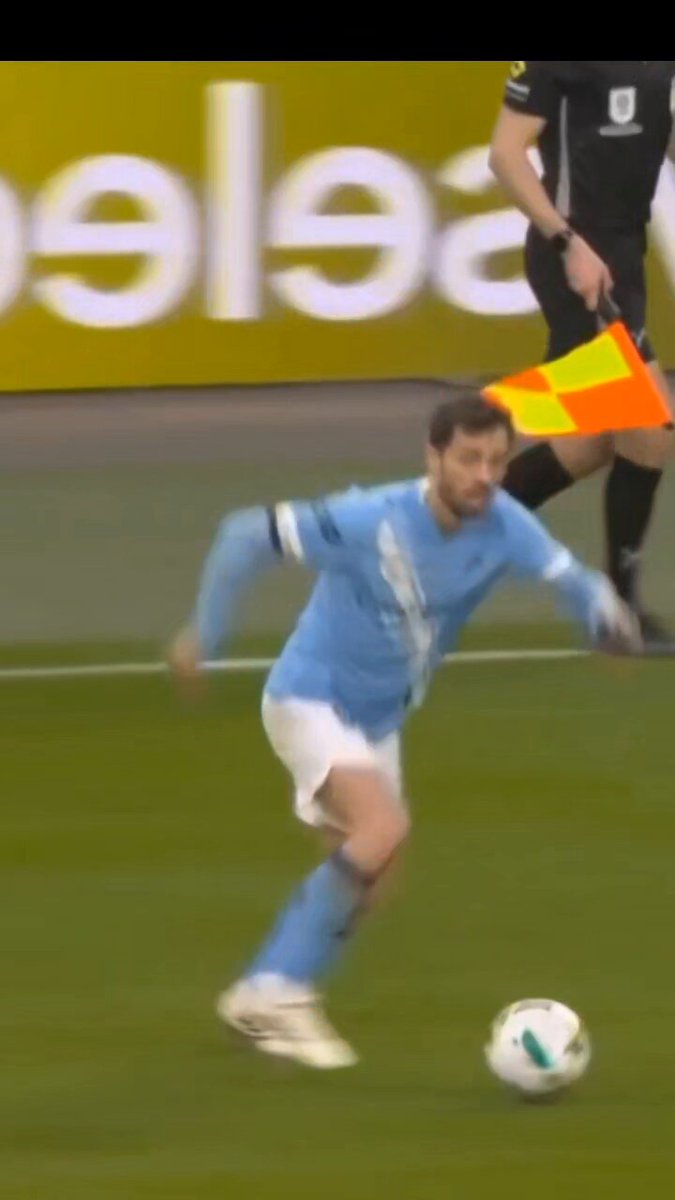
Incredible scenes! 🤯 Prescot Cables goalkeeper Calvin Hare produced this 96th minute equaliser to force an FA Cup replay against Hyde United 🚨🔥 Pitching In | Prescot Cables FC

28,136 views • 10 months ago •via X (Twitter)

0 Comments

No comments available

Comments from the original post will appear here

Related Videos

🚨 BREAKING: The US military has just carried out an operation which KlLLED the leader of the vioIent Venezuelan gang Tren de Aragua This is EXACTLY what we should be using our military for 🔥 Jocelyn Nungaray and Laken Riley are being AVENGED More of this! 🇺🇸 POTUS: “At my direction, the United States Southern Command delivered a swift and lethal kinetic strike to successfully execute Niño Guerrero, the infamous leader of Tren De Aragua, one of the most bloodthirsty Terrorist Organizations on Planet Earth. Before I returned to office, Joe Biden opened our Southern Border to millions of Illegal Criminals, and allowed this foreign army to rape, maim, and murder American Citizens with total impunity. During my Campaign, I pledged to expel these monsters from our Country, and bring Justice to the families of those they slaughtered, including the precious 12-year-old Jocelyn Nungaray, 22-year-old Laken Reilly, and countless other beautiful souls. With this action, the United States Military has brought retribution for them, their families, and their loved ones. Early in my Administration, I delivered on my promise to designate Tren de Aragua as a Foreign Terrorist Organization, deport thousands of evil criminals, and wage war against the Cartels, who have long been waging war against our Citizens, while weak leaders left America helpless and defensive This action was coordinated closely with our friends in Venezuela, with whom we are working very well. As a result, Tren de Aragua terrorists no longer have safe haven in Venezuela or anywhere else and, under my leadership, we will find these vicious murderers and drugs lords anytime, anyplace, and send them to the depths of hell where they belong. GOD BLESS AMERICA! President DONALD J. TRUMP”

Nick Sortor

505,659 views • 1 month ago

🚨BREAKING: Massive Explosion Rocks Tehran After U.S.–Israel Strike Raw footage is now circulating showing a massive detonation in Tehran after reported U.S. and Israeli missile strikes on Iranian military infrastructure. The blast is so powerful that the shockwave appears to ripple across multiple city blocks, sending a towering column of fire and smoke into the sky. This is the scale of modern precision warfare. The ongoing campaign against Iranian military targets has already produced repeated explosions across the capital as strike packages hit command centers, missile facilities, and security compounds tied to the regime. Explosions and heavy bombardment have been reported across Tehran as the conflict escalates into its fifth day. Video like this shows the moment a hardened target is hit. A flash… a shockwave… then a rolling fireball expanding outward as the structure collapses and debris erupts into the air. When a strike generates a blast that large, it usually means one of three things was hit A weapons storage facility A missile command site Or a major military compound. Multiple strikes in Tehran over the past several days have already destroyed IRGC facilities and key regime infrastructure as the joint campaign expands. The message behind footage like this is unmistakable. When hostile regimes threaten Americans… launch missiles across the region… and build underground weapons networks… The response from the United States of America and its allies arrives with OVERWHELMING precision and force. That explosion lighting up the Tehran skyline is the sound of military capability meeting its target. DO NOT THREATEN AMERICANS! Because when the United States responds… the entire world hears it. #SilentMajoritySpeaks #AStoneGroove

A Gene Robinson

164,159 views • 4 months ago

🚨 OPERATIONAL UPDATE: ISRAEL U.S. WAR WITH THE ISLAMIC REPUBLIC - Reporting Window: Last 24 Hours ✳️The war is entering its final phase, but the battlefield is becoming more dangerous, not less. For the first time since the conflict began, the United States has signaled that its objectives against Iran have largely been achieved and that military operations could conclude within 2 to 3 weeks. At the same time, the operational picture tells a more complex story. Strikes inside Iran are intensifying, not slowing. Iran’s responses are becoming less concentrated but more geographically expansive. And across the region, the risk of broader escalation remains very real. This is no longer an open-ended war. It is a race between final military objectives and the risk of wider regional destabilization. ━━━━━━━━━━━━━━━━━━ 🏁 POLITICAL ENDGAME SIGNAL EMERGES President Donald Trump stated that the war could end within weeks, indicating that core objectives have been achieved, including the degradation of Iran’s strategic capabilities and the disruption of its leadership structure. He also signaled that the United States does not intend to remain indefinitely engaged, suggesting that responsibility for securing critical global nfrastructure, particularly the Strait of Hormuz, may shift to regional and international stakeholders. At the same time, tensions with NATO allies are surfacing. Frustration over limited allied participation in the war has raised the possibility of a broader fracture within the Western alliance structure. Parallel reporting indicates that elements within Iran are signaling openness to a ceasefire framework, particularly if maritime access through Hormuz is restored. Taken together, this marks a clear transition: the war now has a defined political end state, even as military operations continue. ━━━━━━━━━━━━━━━━━━ ✈️ FINAL PHASE STRIKE CAMPAIGN INSIDE IRAN The intensity of strikes over the past 24 hours reflects what appears to be end-stage shaping operations. Israeli and US-aligned strikes targeted a wide range of sites across Iran, including weapons production facilities, research and development centers, and critical infrastructure nodes tied to the regime’s military capabilities. Tehran remains a central focus. Approximately twenty military-industrial sites were struck, along with infrastructure at Mehrabad Airport and locations linked to Basij coordination. A senior Quds Force engineering figure, Mahdi Vafaei, was eliminated in a precision strike. His role in developing underground weapons infrastructure across Lebanon and Syria made him a key long-term asset for Iran’s regional military network. Additional strikes hit industrial targets, including steel production facilities and a site identified as supporting materials linked to Iran’s chemical weapons development pipeline. This is not a campaign aimed at symbolic damage. It is a systematic effort to dismantle Iran’s ability to produce, coordinate, and sustain war over time. ━━━━━━━━━━━━━━━━━━ 🎯 IRANIAN RESPONSE AND CIVILIAN IMPACT Iran continues to launch missiles toward Israel, but at a reduced scale compared to earlier phases of the war. Limited salvos were recorded over the past 24 hours, causing injuries and localized damage. One of the most significant developments was the reported use of cluster munitions in central Israel, critically injuring a child and causing multiple casualties. At the same time, Iran appears to be adapting operationally. Rather than attempting large-scale saturation attacks, it is increasingly relying on smaller strikes, drones, and diversified targeting strategies. This does not indicate de-escalation. It reflects an effort to remain operational under sustained pressure. ━━━━━━━━━━━━━━━━━━ 🌍 REGIONAL EXPANSION: THE WAR SPREADS While direct attacks on Israel have become more limited in scale, Iran is expanding the conflict across the region. In the Gulf, infrastructure in Kuwait and Bahrain was struck, including fuel storage facilities at Kuwait International Airport. Fires and damage were reported, adding to a growing pattern of attacks on energy and logistical nodes. A commercial tanker was also struck near Qatar, further extending the conflict into maritime space. These developments mark a continued shift where Iran is targeting not just Israel, but the broader economic and energy architecture of the region. ━━━━━━━━━━━━━━━━━━ 🚢 THE STRAIT OF HORMUZ The strategic center of gravity in this war is now unmistakable. The Strait of Hormuz remains contested, with ongoing disruption to global shipping and energy flows. The United States is actively evaluating options to reopen and secure the waterway, including potential direct military action against Iranian coastal capabilities. At the same time, Gulf states, particularly the UAE, are pushing for a coordinated military effort to ensure the strait is reopened. However, regional positioning remains complex, with some actors balancing public caution and private pressure. Notably, the United States has signaled that it may not take long-term responsibility for securing Hormuz, instead shifting that burden to global stakeholders. The implication is clear: control of Hormuz will determine not only the outcome of the war, but its aftermath. ━━━━━━━━━━━━━━━━━━ 🔥 NORTHERN AND PROXY FRONTS Iran’s proxy network remains active, but increasingly strained. In Lebanon, Israeli strikes continue to target Hezbollah leadership and infrastructure, including the reported elimination of a senior commander in Beirut. Rocket fire persists, but Israeli operations are steadily degrading launch capabilities. In Yemen, the Houthis have formally entered the fight against Israel and are likely contributing to the expanding pattern of regional attacks, including those affecting Gulf infrastructure. Across Iraq and Syria, Iranian-aligned militias remain engaged, while underlying instability continues to create openings for additional actors. This is now a multi-front conflict, but one in which Iran’s network is under pressure across every axis. ━━━━━━━━━━━━━━━━━━ 🧠 WARFARE EVOLUTION A critical and often overlooked development is the role of advanced targeting systems. Israel is employing AI-assisted capabilities to identify threats, prioritize targets, and synchronize strikes across multiple theaters in near real time. This has significantly compressed the operational cycle, allowing for rapid follow-up strikes and reduced recovery time for Iranian forces. The result is a battlefield environment where Iran has less time to act, less time to adapt, and fewer opportunities to rebuild degraded capabilities. ━━━━━━━━━━━━━━━━━━ 📊 THE BIG PICTURE The trajectory of the war is now coming into focus. The United States and Israel are executing a campaign designed to dismantle Iran’s ability to function as a coherent military actor. Iran, in response, is expanding the conflict geographically in an attempt to impose broader costs. At the same time, political signals indicate that the war is approaching a defined end state. Markets are already reacting to this expectation, with oil prices declining and global indices rising on the assumption that the conflict may soon conclude. However, the final phase carries its own risks. As Iran’s conventional capabilities degrade, its reliance on asymmetric and regional tactics is increasing. The decisive question is no longer how the war is fought day to day. It is whether the final objectives can be secured before broader escalation overtakes them. ━━━━━━━━━━━━━━━━━━ 📘 BOOK RECOMMENDATION If you want a deeper understanding of the history, narratives, and strategic realities behind this conflict: Contested Land, Uncontested Truth This book breaks down the ideological, geopolitical, and historical forces that led directly to moments like this, with clarity and evidence. 👉 If you found this report valuable, share it. Follow for daily operational updates.

Inside_Israel_Intel

60,835 views • 3 months ago

🚨12 HOUR NEWS RECAP 1.⁠ Trump slammed the media for asking about the Epstein coverup after AG Pam Bondi was asked why a minute was missing from the CCTV tape of his cell and if Epstein had worked for any intelligence agencies: “Are people still talking about this guy, this creep? That is unbelievable.” 2.⁠ Tucker warned that the Epstein coverup could spark a revolution: “How can you say thousands of children were raped, but I'm not gonna find out who raped them? I don't want a revolution, but if you wanted a revolution, this is how you would act.” 3.⁠ Flash flooding hit New Mexico as the Rio Ruidoso surged from 1.5 feet to over 20 feet in under an hour, sweeping homes away. At least 3 people have died in the flooding so far. 4.⁠ Ukraine faced the largest drone assault of the war - and possibly in history. According to Ukraine’s Air Force, Russia hit it with 728 drones and 13 missiles overnight. Of those, 296 were shot down and 415 jammed or lost to electronic warfare. 5.⁠ At least 3 people are dead after the Houthis sunk a Greek-operated cargo ship in the Red Sea. 5 crew members have been rescued so far, and a search is underway for the rest of the crew. 6.⁠ A wildfire sparked by a burning car has turned into a full-scale disaster in southern France - torching 720+ hectares, damaging homes, and choking Marseille under a blanket of smoke. 7.⁠ Tom Barrack, Trump's trusted envoy and ambassador to Turkey, warned that while Trump backs Lebanon with strength and clarity, that support won’t last forever. The option of protracted discussions, until after the country's elections in May 2026, isn't on the table. 8.⁠ A bridge collapsed near Vadodara, India, sending multiple vehicles plunging into the river below. The death toll has risen to 10, with rescue efforts still underway. 9.⁠ In a rare video appearance, jailed PKK founder Abdullah Ocalan has called for a full end to the group’s armed insurgency against Turkey. “The phase of armed struggle has ended,” he said, urging a shift to democratic politics and disarmament. 10.⁠ Russia is testing a new AI drone armed with thermal vision and onboard target selection. It flies without GPS, shrugs off jamming, and adapts to the battlefield in real time, selecting targets autonomously.

Mario Nawfal

104,421 views • 1 year ago

🚨 THE DINAR MOMENTUM IS BUILDING FAST: HISTORIC CURRENCY SHIFTS IN IRAQ & VIETNAM 🚨 A massive wave of geopolitical and financial developments has occurred, marking what is being called the most significant real-time movement in the currency investment landscape in over 15 years. In their latest update, ( see below 👇) Stephen Campolo and Thom Sieloff brake down the recent major updates regarding the Iraqi 🇮🇶 Dinar and Vietnamese 🇻🇳 Dong. Here is the essential information you need to know: 🇮🇶 IRAQ BREAKS A 23-YEAR STREAK: * Government Formed: Al-Zedi has officially been confirmed as Iraq’s new Prime Minister, and his cabinet has successfully received a vote of confidence. * Constitutional History Made: For the first time in 23 years, Iraq 🇮🇶 met its strict constitutional deadline to form a government instead of delaying the process. This signals immense behind-the-scenes momentum. * U.S. Guidance & Anti-Corruption: Prime Minister Al-Zedi has explicitly stated his mission to eradicate Iranian 🇮🇷 corruption from the banking sector. The U.S. administration is reportedly actively guiding the selection of ministers to ensure structural compliance. * Central Bank Shakeup: A surprise candidate is on the radar for the new Central Bank of Iraq (CBI) governor—the most pivotal role responsible for ultimately setting currency rates. 🛢️ THE HYDROCARBON LAW (HCL) BREAKTHROUGH * Erbil and Baghdad have finally reached a general consensus on the long-stalled Hydrocarbon Law, which has been frozen in negotiations since 2007. * The HCL is designed to distribute oil revenues evenly to all Iraqi citizens. This agreement is widely viewed as a foundational catalyst directly linked to unlocking the currency's real effective exchange rate. 💰 IMF LOANS & RESERVES STRATEGY: * Iraq 🇮🇶 is actively communicating with the IMF regarding a potential loan. To qualify, Iraq must meet stringent international financial and transparency requirements. * Though oil income temporarily dipped due to regional tensions near the Strait of Hormuz, Iraq 🇮🇶 remains the number two producer in OPEC, meaning its revenue stream is positioned to skyrocket once stability returns. 🇻🇳 VIETNAM’S PARALLEL EXPANSION * Dong Momentum: The Vietnamese Dong is testing 52-week highs against the USD as the country aggressively pushes for an investment-grade status upgrade. * Emerging Market Upgrade: FTSE Russell is publicly acknowledged to upgrade Vietnam to emerging market status, expected around late September. * Master Plan: Vietnam 🇻🇳 has initiated a 100-year economic master plan, actively building fuel reserves, rationing energy, and making strategic deals with BRICS nations. Rumours continue to circulate that the Dinar and Dong may ultimately revalue in tandem. 🔮 POTENTIAL TIMELINES & INVESTOR STRATEGY * Summer Window: Analysts suggest this summer (particularly August or September) presents an optimal window for major currency revaluation milestones, aligning with the scheduled withdrawal timelines of international troops. * Historical Precedent: Looking back at previous post-war currency resets (like Kuwait 🇰🇼 and Iraq 🇮🇶 in 2003), official exchange windows typically span 90 days. * Smart Post-Planning: Investors are strongly urged not to panic or rush to exchange all their holdings on day one. Testing the process with a small sample amount can help avoid massive bank spread fees and operational glitches. * Banking Relationships: Establish accounts with the "Big Four" major institutions ahead of time to ensure rigid anti-money laundering and identity verifications go smoothly. The gears of the global financial system are moving faster than ever. Stay grounded, avoid blind hype, do your own due diligence, and watch the coming days closely! 📈🔥 🎬 Watch the full discussion here:

GP Q

23,464 views • 2 months ago

🚨 OPERATIONAL UPDATE: TALKS ADVANCE, PRESSURE HOLDS - Reporting Window: Last 24 Hours *⃣ If you find these reports useful, PLEASE consider sharing them, this is how more people get access to clear, open source breakdowns of what’s actually happening. Diplomacy is now fully underway, but the underlying structure of the war has not changed. U.S. and Iranian officials are actively engaged in talks in Islamabad, while Israel continues operations in Lebanon and regional pressure points remain unresolved. Negotiations are real, but they are happening alongside continued military activity, not in place of it. ━━━━━━━━━━━━━━━━━━ 🧠 MY ASSESSMENT The disconnect in this phase of the war is no longer just military. It is perceptual. Iran is negotiating like a peer power. It is not operating like one. The regime has taken real damage across leadership, infrastructure, and military capability. That much is clear from weeks of sustained strikes and the cumulative effect they’ve had on its systems. At the same time, the United States and Israel retain clear escalation dominance, including the ability to threaten core Iranian infrastructure on a scale that would put the regime itself at risk. And yet, Iran continues to negotiate from a maximalist position. That is not because it holds superior leverage. It is because the leverage it does have is concentrated in disruption, not control. Hormuz remains the clearest example. Iran does not need to shut it permanently to create pressure. It only needs to make it unstable enough to raise global economic costs and force urgency into negotiations. The same applies to its proxy network. Hezbollah does not need to win in Lebanon. It only needs to remain active enough to prevent a clean separation of fronts. So the reality is more specific than either extreme. Iran is not negotiating from strength. But it is not negotiating without leverage. It is negotiating from a weakened position, using time, disruption, and regional pressure to offset what it has lost militarily. That is what makes this phase unstable. The United States is trying to convert military advantage into a negotiated outcome. Iran is trying to convert limited leverage into constraints on that outcome. Israel is continuing to act where it is not constrained. Those dynamics do not resolve cleanly. They drag. And the longer they drag, the more the outcome depends not just on capability, but on tolerance for escalation and time. Now let's break down all the different theaters contributing to this assessment: ━━━━━━━━━━━━━━━━━━ 🇵🇰 ISLAMABAD TALKS: REAL, HIGH-STAKES, BUT FAR APART The most significant development in this window is the shift to direct U.S.–Iran engagement in Pakistan. Senior delegations are now physically present in Islamabad under heavy security, with Pakistan acting as the central intermediary trying to convert a temporary ceasefire into something more durable. But the gap between the two sides remains wide: • Iran’s reported framework focuses on sanctions relief, security guarantees, and preserving proxy influence • The U.S. framework demands nuclear dismantlement, missile limits, and a permanently open Hormuz Both sides are treating these as opening positions, not final terms. At the same time, Iranian negotiators are still pushing to include Lebanon in ceasefire guarantees, a condition that continues to complicate progress. ━━━━━━━━━━━━━━━━━━ 🇱🇧 LEBANON REMAINS ACTIVE Despite the diplomatic push, Lebanon remains an active combat zone. Israeli strikes continued across southern Lebanon in this window, including deadly strikes in Nabatieh and surrounding areas. Reporting indicates: • More than two dozen killed in a single strike event, including members of Lebanese security forces • Additional strikes on urban areas, shops, and infrastructure • Continued clashes on the ground, with IDF personnel wounded in exchanges along the border At the same time, Hezbollah fire has not stopped entirely, with intermittent launches toward northern Israel continuing. The key continuity point holds: Lebanon is not covered by the ceasefire structure being negotiated in Pakistan, and it is not behaving like it is. ━━━━━━━━━━━━━━━━━━ ⚓ HORMUZ: STILL UNRESOLVED The Strait of Hormuz remains the central strategic lever. U.S. officials are signaling active efforts to secure the waterway, including naval movements and mine-clearing operations, though some claims remain unverified. At the same time, Iran continues to threaten rapid retaliation against U.S. vessels operating in the area. This is the same unresolved issue sitting underneath the negotiations: • The ceasefire depends on Hormuz being open and stable • That condition has not yet been fully met • Both sides are still signaling willingness to escalate if it breaks down ━━━━━━━━━━━━━━━━━━ 🌍 REGIONAL PRESSURE AND SPILLOVER The regional layer of the war remains active even as talks proceed. Recent reporting highlights: • Continued Iranian-linked pressure on Gulf infrastructure, which has already disrupted Saudi industrial capacity in recent days • Pakistan increasing its own military posture, including sending fighter jets to Saudi Arabia as part of broader defense coordination • European pressure, particularly from France, to expand the ceasefire framework to include Lebanon This reinforces the broader pattern: The war is no longer confined to one front, and it cannot be easily paused in one place without consequences elsewhere. ━━━━━━━━━━━━━━━━━━ 🇮🇷 INTERNAL IRAN DYNAMICS Additional reporting in this window provides a clearer picture inside Iran. • Iran’s current Supreme Leader, Mojtaba Khamenei, remains seriously injured from earlier strikes but is still actively governing through remote coordination • The regime continues to maintain tight control domestically, including extended internet blackouts • There are increasing indications of information control and narrative shaping as negotiations proceed Separately, reporting suggests the regime has encouraged civilians to position themselves near key infrastructure as a deterrence tactic, reinforcing a pattern of using civilian presence as part of its defensive posture. ━━━━━━━━━━━━━━━━━━ 📌 WHAT MATTERS MOST RIGHT NOW • Direct U.S.–Iran talks are now fully underway in Pakistan, but positions remain far apart • Lebanon remains an active battlefield, with continued Israeli strikes and ongoing casualties • Hormuz is still not fully stabilized, leaving the entire diplomatic framework conditional • Regional actors are adjusting posture, including Gulf states and Pakistan, signaling continued instability • Iran continues to operate from a constrained but still functional position, both militarily and internally

Inside_Israel_Intel

15,357 views • 3 months ago

🚨OPERATIONAL UPDATE: ISRAEL U.S. WAR WITH THE ISLAMIC REPUBLIC - Reporting Window: 3/11 to 3/12 • Iran widened pressure on the Gulf energy system, with tankers hit near Basra, a container vessel struck near the UAE, and fuel infrastructure targeted in Bahrain and Oman, sending oil back above $100. • Israel expanded its campaign inside Iran, striking IRGC command infrastructure, missile production sites, and drone launch networks in and around Tehran. • Hezbollah launched one of its largest rocket barrages of the war, triggering heavy Israeli strikes on command centers and weapons infrastructure in Beirut’s southern suburbs. • Iranian proxies and aligned forces continued attacks on U.S. positions across the region, bringing the total number of incidents targeting American sites or personnel to at least 25 since the war began. The central story of the last 24 hours is that the conflict is increasingly moving beyond the battlefield and into the systems that keep the region functioning. Iran continues to pressure shipping, energy infrastructure, and U.S. positions across the Middle East, while Israel is pushing deeper into the regime’s military and security architecture. The result is a war that now looks less like a contained exchange of strikes and more like a widening struggle over the region’s economic stability, military balance, and internal political control. ━━━━━━━━━━━━━━━━━━ *⃣ PERSIAN GULF: IRAN CONTINUES TO PRESSURE THE ENERGY SYSTEM The Persian Gulf remained the most strategically significant theater over the last 24 hours. Multiple reports confirmed additional attacks affecting shipping and energy infrastructure across the region. Two oil tankers were reported burning in Iraqi waters near Basra after earlier strikes on vessels in the Gulf, while another container ship was reportedly hit near the UAE. Fuel and logistics infrastructure also came under pressure. Bahraini authorities reported that Iranian aggression targeted fuel tanks at a facility in Muharraq near Bahrain International Airport, while additional reports indicated that oil storage facilities at Oman’s Port of Salalah were struck. These attacks reinforce a clear pattern: Iran may not be able to fully close the Strait of Hormuz, but it is demonstrating that it can disrupt the broader logistical network surrounding the Gulf’s energy system. The market reaction was immediate. Oil prices moved back above $100 despite coordinated moves by the United States and its partners to release large volumes from strategic petroleum reserves. The International Energy Agency and several governments have moved to inject supply into the market, but these measures are temporary buffers. As long as shipping through the Gulf remains at risk, the global energy market will continue to price in disruption. ━━━━━━━━━━━━━━━━━━ *⃣ TEHRAN: THE CAMPAIGN IS NOW HITTING THE REGIME’S CORE SECURITY NETWORK The latest strike waves inside Iran appear to be moving beyond general bombardment and toward a systematic dismantling of the regime’s security infrastructure. Israeli strikes reportedly targeted the IRGC Air Force headquarters in Tehran, ballistic missile storage and production facilities, Basij paramilitary command centers, and a compound at Imam Hossein University that functions as an operational hub for the Revolutionary Guards. Additional strikes were reported against Iranian intelligence ministry facilities and internal security infrastructure, indicating that the campaign is beginning to focus not only on missile capability but on the regime’s ability to control events inside the country. Separate strikes in western Iran reportedly hit drone launch teams preparing attacks toward Israel, suggesting that launch infrastructure is now being targeted dynamically as it emerges rather than only through preplanned strikes against fixed installations. Satellite imagery also confirmed damage to Iranian F-14 fighter aircraft at Isfahan’s 8th Tactical Air Base, further degrading an already aging Iranian air force that has struggled to contest Israeli and U.S. air superiority throughout the conflict. Taken together, the targeting pattern suggests that the coalition is increasingly focusing on the regime’s operational nervous system: command networks, launch infrastructure, and internal security forces that allow the government to coordinate and sustain military operations. ━━━━━━━━━━━━━━━━━━ *⃣ LEBANON: ISRAEL IS NOW TARGETING HEZBOLLAH’S OPERATIONAL COMMAND STRUCTURE The northern front also escalated sharply over the last 24 hours. Hezbollah launched one of its largest barrages of the war, firing large numbers of rockets and drones toward northern Israel in coordinated strikes linked to Iran’s broader regional campaign. Israel’s response focused heavily on Hezbollah’s command and operational infrastructure rather than simply retaliating against launch sites. Israeli aircraft struck multiple facilities in Beirut’s southern suburbs (Dahieh), including command centers, operational headquarters, and weapons storage sites linked to Hezbollah’s Radwan forces, the elite unit responsible for cross-border operations against Israel. Additional strikes targeted missile launch infrastructure and militant positions across southern Lebanon, as well as logistical sites used to support ongoing rocket attacks. The concentration of strikes in Dahieh is significant. The area functions as Hezbollah’s central military and intelligence hub, and repeated attacks there suggest Israel is attempting to disrupt the group’s command-and-control structure rather than merely suppress individual launch cells. This shift indicates that the northern theater may be entering a new phase where Israel seeks to systematically degrade Hezbollah’s operational leadership and coordination networks, not just reduce the immediate rocket threat. ━━━━━━━━━━━━━━━━━━ *⃣ REGIONAL SPILLOVER: U.S. POSITIONS AND GLOBAL SECURITY CONCERNS Regional spillover continues to grow. Iranian proxies and aligned groups have carried out repeated attacks targeting American facilities or sites hosting U.S. personnel across the Middle East. Analysts now count at least 25 attacks targeting U.S. sites or locations housing American personnel since the war began. One of the most significant recent incidents involved a drone strike on a large U.S. diplomatic facility near Baghdad International Airport. The attack caused damage but did not produce casualties, and U.S. officials suspect it was carried out by Iranian-aligned militias operating in Iraq. Beyond the Middle East itself, intelligence warnings suggest the conflict could reach further. U.S. authorities have warned about potential Iranian retaliation targeting American interests abroad, including scenarios involving drone launches from maritime platforms. Cyber activity linked to Iran has also been detected in Europe, including an attempted attack on a nuclear research facility in Poland that officials say bears multiple indicators of Iranian involvement. These developments show that while the war’s kinetic center remains in the Middle East, the broader confrontation between Iran and its adversaries is beginning to manifest across multiple domains: military, cyber, and economic. ━━━━━━━━━━━━━━━━━━ *⃣ WHAT MATTERS MOST RIGHT NOW The key takeaway from the past 24 hours is that the war is continuing to widen in practice even as some political messaging suggests it could be nearing a conclusion. Iran is still capable of imposing meaningful costs through attacks on shipping, energy infrastructure, and proxy operations across the region. Israel, meanwhile, is expanding its strike campaign into deeper layers of Iran’s military and security architecture while escalating pressure on Hezbollah in Lebanon. Neither side appears close to a decisive breakthrough. Iran’s leadership structure remains intact despite heavy strikes, and its network of proxies continues to generate pressure across multiple fronts. At the same time, Israel and the United States retain overwhelming military superiority and appear committed to degrading Iran’s ability to sustain a prolonged conflict. For now, the trajectory remains clear: the war is evolving from a direct exchange of strikes into a broader contest over the region’s economic stability, military balance, and political future. --------------------------------- END REPORT

Inside_Israel_Intel

30,124 views • 4 months ago

🚨What If Earth's Oldest Civilization Never Left the Ocean? What if the intelligence behind some UFO didn't actually arrive here from another star system at all? What if it has been here for longer than us, not hiding in the sky, waiting behind the Moon, or crossing the galaxy in the way that we imagine, but living beneath the oceans inside the one part of Earth we still barely understand? For decades, we have been looking up. The cultural image of UFOs is always the same thing with lights in the sky, craft descending through the atmosphere, visitors arriving from space. Even the word extraterrestrial pushes our attention away from Earth. It tells us the mystery must have to come from somewhere else. But what if that assumption is totally wrong? What if the most important part of the phenomenon is not its relationship to space, but its relationship to the oceans? Earth isn't a land planet it's an ocean planet with islands of land breaking the surface. Human civilization developed on those islands, built cities there, drew borders there, fought wars there, launched rockets from there, and then convinced itself it understood the world. But most of this planet is still beyond our direct reach. The deep ocean is dark, pressurized, vast, hostile to our bodies, difficult to map, difficult to monitor, and almost impossible to police in any sort of meaningful way. If there was another intelligence operating here and it wanted to avoid open contact with us, the ocean would be the obvious place to be. But maybe hiding is the wrong word because a civilization that evolved in the ocean would just live there. When we imagine an advanced underwater intelligence as aliens using the sea as a base, as if they arrived from somewhere else and chose the ocean as cover, that could be way off. It could be one possibility, but the stranger theory is that they never arrived at all. They may have emerged here, in Earth's oceans, long before we ever existed. Life on this planet is ancient. For most of Earth's history, land wasn't even the center of the biological story. The oceans held the chemistry, the minerals, the heat, the pressure, the vents, the darkness and the protection. Hydrothermal vent ecosystems already prove that life doesn't even need sunlight in the simple way that we once thought it did. Entire ecosystems can be built around chemical energy rising from the seafloor. That should have changed how we (SETI) think about life, but humans still keep defaulting to our own surface bias. We imagine intelligence as something that crawls onto land, discovers fire, makes tools, builds cities and eventually launches machines into the sky. That is our path but it's not necessarily the only path. An intelligence that evolved in the deep ocean would have faced a completely different set of conditions. It wouldn't begin with fire, because fire is obviously useless underwater. It wouldn't develop metallurgy in the same way that we did, because open flame and smelting are surface technologies. It wouldn't need wheels, roads, walls or conventional buildings as we do. It would evolve inside pressure, darkness, currents, sound, vibration, magnetism, chemistry and geothermal energy. Its entire technological history would be alien to us even if it was native to Earth. So when people dismiss the idea of an ancient underwater civilization by asking where the factories are, where the ruins are, or where the tools are we have to question whether their technology would leave the same signatures ours does. Would they even build like we build? Industrialization may look totally different. A deep ocean intelligence might not construct dead machinery in the way we do. It might grow structures and use biological engineering before mechanical engineering. It might use mineral matrices, pressure systems, acoustic fields, electrochemical processes or living materials. It might not separate biology and technology at all. To us, that would look less like a civilization and more like an environment. A sufficiently old oceanic intelligence may not have cities that resemble human cities. Its infrastructure may be embedded into geology, vents, trenches, caverns, mineral deposits or biological networks. Its power systems may use geothermal gradients, tidal forces, pressure differences, ocean chemistry or field effects we don't yet even understand. Its communications may not use radio in the way we expect. Sound travels really well underwater. Electrical and magnetic sensitivity exists throughout marine life. A technological species born in that world might build an entire science around signals we barely even treat as communication. This would also explain why the UFO subject keeps revolving around water. The ocean appears again and again in the background of the mystery. USOs, transmedium objects, craft entering or leaving the sea, naval encounters, disturbances under the surface, objects tracked over water, and sightings near coastlines and military maritime zones all point toward the same possibility, that maybe water isn't incidental to the phenomenon, maybe it is central. If some UFO are connected to an ocean based intelligence, then what we see in the sky could only be the visible edge of something way bigger. The craft are not arriving from elsewhere in every case. They may be surfacing from their native domain into ours for short periods of time, crossing that boundary between ocean and air the way we cross from land into water with submarines and diving equipment. The only difference is that they appear to do it way better than we do. Human technology is divided by environment, aircraft are built for air, submarines are built for water while rockets are built for space. Each domain creates different engineering problems, so we build separate machines for each one. But UAP don't appear to play by the same rules. That is what makes the transmedium reports so important. If an object can move through water, air and possibly even space without changing its basic behavior, then it might not even be flying or swimming in the conventional sense. It could actually be controlling the interaction between itself and the medium around it. That kind of technology would make sense for a civilization born in the ocean because water is dense. It resists movement, crushes weak structures. It creates drag, turbulence and cavitation. If an intelligence developed vehicles in that environment, it would eventually need to master boundary control, so it would need to reduce friction, manage pressure, avoid destructive wake effects and move through dense fluid without wasting enormous amounts of energy. If that same technology was later used in air, it might appear to us as silent propulsion, impossible acceleration, no sonic boom, no heat plume and no obvious aerodynamic logic. So what looks impossible to us may simply be the result of a technological path that did not begin with wings and rockets. The old black budget explanation doesn't fully solve this problem either. Yes, some triangle craft, drones and experimental platforms may be human and it would be naive to deny that, but human secret technology still has to come from somewhere. If certain platforms show silent hovering, field effects, plasma signatures, extreme acceleration and transmedium behavior, then we are either dealing with a hidden human science far beyond public understanding, or we are dealing with something that we are trying to imitate. That is where the old 'alien reproduction vehicle' idea and the cryptoterrestrial theory start to overlap. Maybe some of what people call black budget technology isn't purely invented, it's most likely adapted from encounters with something already operating here. Going back to what Grusch said earlier, the implications are massive. If there are underwater bases, facilities, habitats or recurring operational zones known to governments, then this isn't just a question of disclosure. There's a sovereignty issue, who controls the oceans? Who has access to the deep sea? Who monitors undersea cables, nuclear submarines, offshore infrastructure, shipping lanes and military testing ranges? If an unknown intelligence can operate in those spaces without permission, then every major navy on Earth has a problem it cannot publicly admit. Scary thought and that may be one reason the subject is buried so deeply (no pun intended). Some people think that secrecy exists because governments don't want to admit aliens are real, but that may only be part of it. The bigger issue here could be that governments don't want to admit they aren't in full control of the planet. There is a huge difference between saying, 'We have evidence of unknown craft,' and saying, 'There may be advanced non human infrastructure in the oceans and we cannot remove it.' That would also explain the change up from UFO to UAP and from extraterrestrial to non human intelligence. Non human is pretty broad lets be honest. It doesn't tell us where they come from, it leaves room for extraterrestrial, interdimensional, post biological, artificial, ultraterrestrial, cryptoterrestrial or native Earth intelligence. That could well be deliberate. Perhaps the people closest to the classified material know the answer isn't as simple as aliens from another planet as Grusch implied in the clip. An ancient oceanic intelligence would also force science to confront its own blind spots. We know intelligent life evolved on Earth at least once because we are here. But we have no law of nature saying it could only happen once, only on land, only recently, or only through primates. Evolution isn't a ladder with humans at the top. It's a branching process with countless experiments, most of which vanished or left traces we don't fully understand. If an intelligent lineage emerged in the ocean and then moved into environments where fossilization, geological preservation and surface archaeology are poor, we probably wouldn't even recognize the evidence even if fragments existed. Ocean crust is constantly recycled through plate tectonics. Seafloor environments are really destructive. Structures can be buried, subducted, corroded, overgrown or mistaken for natural formations. If a civilization was millions or even hundreds of millions of years old, the survival of obvious surface style evidence would be highly unlikely. Even human civilization, after a few million years, would leave less behind than we like to imagine. Plastics, isotopic anomalies, altered sediment layers and some industrial traces might possibly survive, but buildings, machines and cultural artifacts would mostly vanish. So now imagine a civilization that even never built like us in the first place. This doesn't prove anything obviously, but it makes the dismissal less easy. Then there is the question of why such an intelligence would stay hidden. If it is older and more advanced, why not reveal itself? The answer could be as simple as open contact with humans may not benefit it. We are violent, territorial, extractive and unstable. We turn discoveries into weapons as quick as we can. We militarize frontiers, poison ecosystems, test nuclear devices. We drag the deep sea with cables, sonar, submarines, mining ambitions and military hardware. From the perspective of an older oceanic intelligence, humans probably don't look like peers. Instead we look like the dangerous surface species entering an adolescent technological phase that we are. That could explain the strange pattern of UFO interest in nuclear sites, military installations and weapons systems. If an intelligence lives here, our nuclear age is all of a sudden not just our problem. It is a planetary problem. Nuclear weapons, nuclear submarines, nuclear waste, missile systems and military escalation would all be highly relevant to any non human civilization sharing Earth with us. The same would be true of deep sea mining, ocean pollution, climate change, undersea military networks and artificial intelligence. We may think these are all just human issues, but a hidden Earth based intelligence would see them as threats to a shared planetary system. This gives the UAP phenomenon a very different emotional tone. It's not necessarily invasion or salvation. It may be monitoring, containment or quiet intervention when we cross certain lines. It could be an intelligence trying to stay out of sight while still making sure the surface species doesn't burn the house down. The ancient ocean theory also gives a different reading to secrecy. If governments encountered evidence of this, the first instinct wouldn't be public education. It would be containment, map the sites, track the objects and recover materials if possible. Then to build programs around the technology. Keep adversaries away from the data. Use ridicule to suppress leaks. Let the phenomenon remain absurd, because absurdity is an excellent security system. People don't demand answers from something they have been trained to laugh at. That could be why the UFO/UAP subject always feels half visible. There are official hearings, but not the full data. There are whistleblowers, but never the files. There are blurry videos, but not any context. There are pilots, radar operators and military witnesses, but the system keeps absorbing their testimony into classified channels. The public sees fragments while the real pattern remains locked away. As I always say... Disclosure for the few and not the many. If the ocean is actually involved as Grusch and Burchett imply, the missing data may be even more important than the aerial data. We shouldn't only be pressing what pilots saw in the sky. We should be asking what sonar operators heard under the water, what submarines have tracked. We should also be asking what undersea sensors have recorded near restricted zones and whether there are recurring coordinates, depths, magnetic anomalies, thermal signatures or unexplained acoustic events associated with UAP activity. We need to be asking whether naval archives contain the real spine of the phenomenon. The possibility of underwater bases actually changes how we think about disclosure. If the answer is extraterrestrial visitation, disclosure is about humanity's place in the cosmos. If the answer is an ancient Earth based intelligence, disclosure is about humanity's place on its own planet. That is more intimate and more destabilizing to me than E.T. It means the human story is not the only advanced story Earth has produced. It means our myths of ownership, dominance and uniqueness all collapse overnight, suddenly 'we are not alone' applies to home. That might be harder for people to accept than aliens from space. Aliens can leave but a hidden terrestrial intelligence is part of the planet will blow peoples minds. There is also a spiritual and philosophical layer to this. Many ancient cultures contain stories of beings from the sea, underwater kingdoms, gods emerging from water, serpent people, fish like teachers, luminous beings, and hidden realms beneath or beyond the visible world. That doesn't mean the myths are literal history of course, but it is interesting that human cultures repeatedly placed mystery, intelligence and otherworldly contact in the water. The ocean has always been the border between the known and the unknown. Maybe that symbolism came from imagination or perhaps some of it came from encounters filtered through the language of the time. If an older intelligence interacted with early humans, we wouldn't expect ancient people to describe pressure engineered transmedium craft or non human oceanic infrastructure. They would describe gods, spirits, shining beings, dragons, serpents, sky boats, sea people, underworlds and portals. Human language can only describe the unknown through the symbols available at the time. Even now, we struggle. We call them craft, orbs, drones, angels, demons, aliens, ultraterrestrials, interdimensionals. The labels change, but the confusion always stays the same. The ocean theory also sits strangely well with the consciousness aspect of the phenomenon. If an ancient intelligence developed through biology and field sensitivity rather than brute mechanical industry, it may have integrated consciousness into technology way earlier than we could have. We are only now beginning to wonder whether mind, perception and information are more deeply connected to physics than our materialist models allow. An older civilization may have already built that bridge. Its craft, communication systems and interfaces may respond to awareness, intention, emotion or neural patterns in ways that seem impossible to some of us. That would explain why the phenomenon often feels both technological and psychological. It behaves like machinery, but it interacts like intelligence. It appears on sensors, but it also appears in dreams, symbols, synchronicities and personal experiences. Skeptics see that as evidence the whole thing is imaginary. Maybe sometimes it is, but maybe the strangeness is part of the interface. A civilization that understands consciousness as a field related phenomenon would not necessarily separate contact from perception. It might use perception as one of the channels. This is where the theory becomes tricky, because it doesn't allow us to keep the phenomenon safely outside ourselves. If the intelligence is oceanic, ancient, field based and consciousness aware, then contact might not look like radio signals or embassy meetings at all. It could look like sightings, dreams, intuitions, symbolic downloads, altered states, close encounters, military incidents and physical traces all mixed together. That is messy, but perhaps the mess is not a flaw in the data, it could actually be the signature of a phenomenon that crosses categories we invented too recently to trust. All of this having been said, the theory still needs evidence. It needs coordinates, sensor data, sonar records, materials, biological traces, repeatable patterns and testimony that can be checked. However as a framework, it definitely needs more attention than it gets, because it explains why the UAP phenomenon feels close, evasive, ancient and deeply tied to Earth. The extraterrestrial hypothesis asks how they got here, although I have a theory about that. While the ancient ocean hypothesis asks whether they were already here. That is a completely different question. If what Grusch is saying is even partly correct, then disclosure will reveal that human civilization has been sharing this planet with another intelligence all along. Not openly or equally, and not in a way we were ready to understand, but sharing it nonetheless. The oceans would no longer be an empty wilderness. They would become the frontier of the greatest secret in human history. Could that be why the truth has been so hard to release. Because it's one thing to tell humanity there may be life elsewhere, but it's another thing entirely to tell humanity that Earth was never only ours. #UAP #UFO #USO #UAPDisclosure #NonHumanIntelligence #NHI #UnderwaterBases #OceanMystery #Cryptoterrestrial #Transmedium #Disclosure #ufotwitter #uapX

Skywatch Signal

83,052 views • 1 month ago

The “I never wanted any of this to be public or content” Lie, A Timeline I never wanted any of this to come out. Except I actually mean that. It’s embarrassing, it’s trashy, and it’s the opposite of how I want to present myself publicly. I stayed silent for months while lie after lie was spun about me behind the scenes because I didn’t want to air private, messy moments from a relationship I genuinely cared about. I stayed silent out of fear, because I was told no one would believe me because he would be blindly believed on his large platform. In one of our very last conversations before I blocked him everywhere mid-October, he threatened to do a show on me, contact my employer, and “turn me into the next Lindsey”. Why? Because I didn’t want to continue apologizing to him for the 300th time about venting to someone I thought was a friend. I stayed silent because of these threats. But after Wednesday, after Chelsea posted the private video Aidan gave her, (the same one he threatened me with directly back on 10/2), and after the gaslighting, I don’t have a choice anymore. So here is the timeline. Here are the receipts. Here is what actually happened. September-October 2025- I Stayed Silent Through Months of Smear Campaigns For months, several creators repeated the same false narrative that “Aidan never said a bad word about Meredith.” Jess. Glarer. Auntie Deb. Kim. Ray from Dallas. Others. Meanwhile, Aidan was: • Badmouthing me privately and encouraging others to do so publicly, • Texting Joe “Flipperhead” entire paragraphs trashing me, • Aidan knew Joe would leak them (and even bragged on a stream that he did exactly that so he’d leak them), • Sending Jess Machado after me for months on her large platform, • Directing people behind the scenes to paint me as a villain. • Sending random people who supported me DMs to change their mind (yes Aidan, not everyone is fooled by your bullshit and they came right to me). I ignored all of it. I said nothing. I stayed silent through daily lies because I didn’t want to call more attention to it or face Aidan’s wrath. November 2025 -The Rumors About “March 4” and Joe Flipperhead Flips to Team Aidan Aidan texted Joe his entire made-up version weeks ago. Joe circulated those texts on purpose. Joe threatened me with posting a video montage of mine and Aidan’s private texts. Joe is a pussy so he eventually had Kristy post it for him. Creators discussed it publicly without me ever responding. I STILL didn’t defend myself. November 26-27, 2025- Ratchet Chelsea: The Full 48 Hour Meltdown 11/26/25— The Unprovoked Attack & The March 4 Video On Tuesday night, Chelsea came out of nowhere and launched herself straight at me, accusing me of all kinds of conspiracies from harassment to the horrific crime of sending a friend request, which is explained in vivid detail in the below post (she’s since gone somewhat viral, love this for her!) She spent the next 24 hours thoroughly embarrassing herself and the moment anyone challenged her story even slightly, she did what she always does: she imploded. Her accusations spiraled into her posting the March 4 video. On 11/26/25 at 11:08 PM, Chelsea posted the first clip–a blanket, context-less snippet of me drunk saying something I immediately apologized for the next morning. At 11:50 PM, I responded because at that point, I had no choice. 11/27/25— The 9-Minute Backpedal Then on Thanksgiving, Aidan tried to save face by posting that he “didn’t want the video to be public.” And like clockwork, nine minutes later, Chelsea came charging into the comments like a Temu-sponsored bat out of hell, scrambling to apologize, trying to rewrite reality so it looked like he didn’t send her to do it. It was panicked, sloppy damage control. An amateur quality cover-up attempt that only made it more obvious how coordinated this all was. She wasn’t apologizing because she grew a conscience. She was apologizing because she got caught doing exactly what she’d been primed to do. I wonder if Aidan called her “you should’ve waited at least 20 minutes, dumbass!!!”. Not too bright that Chelsea. I can only imagine the regrets he must have for utilizing someone with the IQ of a pencil to do his dirty work. The Coordination Between Aidan & Chelsea Is Obvious Chelsea had virtually NO followers Wednesday morning. Aidan was one of the first. We’re supposed to believe someone with 150k followers just stumbled on an account that starts posting HIS private messages and HIS private videos? Kk. Aidan commented on her posts that same day, clearly encouraging it, continuing to this day, all while pretending he's not directing it. Kk. She confirmed in my DMs back on 11/6 that she and Aidan were aligned. And she literally wrote at 4:04 AM that she had “proof,” videos & screenshots she would release if I didn’t “stop calling” her, calls she still hasn’t produced a single shred of proof of. Then yesterday within 9 minutes of his post, she writes: “Sorry for going rogue, Aidan, I hope you don’t hate my guts.” Going rogue? From WHAT? Who gave you the material in the first place? The coordination is obvious to anyone with functioning brain cells. The “I never wanted this public” lie Aidan’s post yesterday claimed he “never wanted this to be public.” He’s been threatening me for months behind the scenes to post the infamous video. To do a show on me. To send things to others to weaponize against me. If this were true, why did he instruct Chelsea to post it? Why did he share it with Jess Machado to threaten me with for the last month? Why did he share it with Joe Flipperhead, and God knows who else? If he didn’t want it public, he wouldn’t have shared it with anyone, let alone the girl I caught him cheating with. The timeline is clear– Chelsea posted a video at 11:08 pm on Thanksgiving Eve, I responded at 11:50 out of self defense. He leaked first. He escalated first. He weaponized it first. Trying to rewrite that now is gaslighting, pure and simple. The “Meredith accused him of abuse” narrative is FALSE My actions tell the truth: • I never went to police. • I never filed anything. • I never told anyone he hit me. • I never repeated it. • I apologized the next day. • We stayed together for FOUR more months after that night. • He called me 100+ times some days, even indicating he’d end his life if we broke up. If he believed I was “dangerous,” his actions would have said that. They didn’t. The only reason this is public now is because HE leaked it. Actions > drunk slurred words said because a camera was shoved in my face when I asked him repeatedly to stop filming and to leave. The Wilbur Theatre Rumors—Let’s get petty for a second. This is another topic I’m cringing at discussing but we can thank Aidan for since he shared our sexual messages with Joe Flipperhead. And since some people (Auntie Deb, sweetie, this means you) insist on pushing their Dollar Store fan-fiction about the Wilbur Theatre night, let’s actually walk through what happened, using facts instead of whatever drug-induced hallucinations you’ve been spinning this week. The rumor goes like this- I was “mad at Aidan because we didn’t hook up,” and to “prove” it, they trot out a cherry-picked text where I said I wanted to hook up, he didn’t answer, and the next morning I said I was drunk and sorry. And somehow this has been spun into me being desperate, obsessed, or pining like a background character in a teenage soap opera. Adorable. Wrong, but adorable. Here’s the real plot twist-Aidan and I had already been together literally two days earlier, and shocker-that was initiated by him, not me. I didn’t just “show up at the Wilbur”. He invited me to come to the after party at Encore knowing I had a wedding earlier in the night. I wanted to see my friends there who I actually met to go with. This wasn’t a surprise, it was planned ahead of time. The “I was drunk, sorry” message wasn’t heartbreak. It wasn’t longing. It was me politely tapping the brakes because I didn’t even want to entertain whatever bad path it could lead us back down. And then? He texted me asking about my brother’s wedding, how I am, etc. I ignored him for a full week. Until I had no choice but to speak to him about MereNeill. That silence, from me, is what triggered his latest meltdown. Not mine. His. So no, Auntie Deb, your version isn’t “a different perspective.” It’s just wrong. Like wildly, hilariously, not-even-in-the-ballpark wrong. But sure, keep spinning fanfic if it makes your livestreams feel more exciting. I realize it’s probably been awhile since you’ve had any action since you’ve let yourself go so badly, so you live vicariously through others. Recap For MONTHS I ignored: • the texts he sent Joe to leak • the smear campaign • the creators parroting lies • the behind-the-scenes messages • the insinuations I hacked him and even shared revenge porn • the constant coordinated attacks • the threats of “turning me into the next Lindsey” • his warning that everyone would believe him because of his platform • the threats to contact my employer I didn’t clap back, didn’t retaliate, didn’t respond. But Wednesday, when Chelsea dumped the video he gave her, the same video she threatened weeks ago to drop, AND he posted pretending he didn’t want this all out? That was the line. They chose the nuclear option. And last night's gaslighting grift was just the icing on the cake. Now I’m responding with facts in pure self-defense. Conclusion/Message for Temu Storm This entire mess could have stayed private. I wanted it to stay private. But when someone leaks your private moments, lies about your intentions, weaponizes your past, and coordinates an online attack, you either let the false narrative stand or you defend yourself. I’m choosing to defend myself with receipts, not gossip. With timelines, not “he said.” With evidence, not weaponized drunk clips. And then there’s Aidan’s favorite delusion. The claim that I was ‘working with Karen behind the scenes’ or ‘conspiring with her to get him in trouble for the recording.’ That could not be further from the truth. I didn’t even know he had recorded her until after she already knew about it herself. I wasn’t working with her, plotting with her, or communicating with her about it. She and I have always been friendly, but we didn’t even discuss the recording until it started leaking and Joe Flipperhead went feral on Twitter. Meanwhile, Aidan spent weeks screaming at me, accusing me of being some kind of secret double agent, like he was trying to create the betrayal he was terrified of. Almost a self-fulfilling prophecy. And here’s the reality: in the last few weeks, after he’s gone fully scorched earth on me, I have talked to her, and I support her 100%. The things he’s done to her over the past couple years, and the way he twisted it all for his followers, is the exact same manipulation I lived through. I’m not going into her details because that’s her story to tell… but let’s just say I have a feeling you’ll be hearing it sooner rather than later. The lie that Aidan never wanted this to be public is just laughable at this point. Who are we kidding? He's been foaming at the mouth for months to make this content where he can play the victim, as usual. And since this week has apparently become “Let’s All Fixate on Meredith Week,” let me address the content-creator sideshow, too. Some of you are strangers, while some I actually considered my friends. It’s shocking but not shocking how quickly you all flip a switch and follow your captain’s orders. Ray from Dallas spent his Sunday foaming at the mouth in a hostile little video about me, all bark, no substance. I saw it. I’m not intimidated. Mostly, I’m embarrassed for you. Then there’s Will, who’s gone on multiple streams calling me “crazy” and pretending he’s scared of me, despite me being nothing but nice to him. Why? Because he thinks I was the first one to tell Karen he heard the recording, which he absolutely did (unless Aidan is lying about who he played it for, but we know he’s actually telling the truth on this for once). She was informed of it the very next day, which is why she called you and you know this. This was two full days before I was even aware of a call at all. Will, for someone with your track record, maybe sit the “women are dangerous” narrative out. You’re not fooling anyone. I’m staring at 15 pages of police reports and no, it’s not all “things you’ve owned up for in the past”. You know this. Again, I’d take a very large seat here. And my personal favorite-Auntie Deb, who decided to spice up his Spaces on Thanksgiving by accusing me of distributing revenge p*rn with zero evidence, zero screenshots, zero anything. Accusing me of killing a turtle yesterday. A completely fabricated felony tossed around like it’s gossip hour at the bingo hall. Considering your own professional history, James, I’d hope you of all people would understand how catastrophic false accusations can be, but apparently not. I wonder if you’ll have that same enthusiasm when the topic is you. TBD. I’ll wait for that retraction about revenge p*rn, animal abuse, etc. Ball’s in your court hun. And of course, there’s Jessica Machado, who’s been grinding this axe for months like it’s her full-time personality. Hos long did you cry when Chelsea beat you to the punch with that video? Don’t worry hun, there’s more but she didn’t post it because it’s not great for your fairytale. Since you reported my last post, I'll leave the rest up for your imagination. You’ve been so obsessed with me for so long that you can’t even keep your own narratives straight anymore. I love this so much for you. Let me be crystal clear–I am done being all of your punching bag. You love to spin this narrative that I’m this dangerous person. You’d think you’d lay off from constantly f*cking with me if you truly believed that. I would genuinely love for this nonsense to stop. But that requires ALL of you to stop manufacturing drama, stop lying, and stop weaponizing made-up crimes for clicks. And if they want to keep going? I’ve got plenty of content for many seasons to come.

The old M can’t come to the phone right now

45,160 views • 7 months ago

🚨 Beijing Rolled Out the Red Carpet for Trump AND Putin in 6 Days. Its Own Investors Just Rolled Out the Exits — ¥2 Trillion Gone. ¥2 Trillion, that's ¥2,000,000,000,000. Twelve zeros. More than the entire annual GDP of Saudi Arabia. Erased in one trading session. Six days ago President Donald Trump left Beijing on Air Force One. Yesterday (May 20, 2026) Vladimir Putin walked down a red carpet into the Great Hall of the People. Today — May 21, 2026 — Chinese investors did something Beijing's propaganda machine cannot spin: they sold. An estimated ¥2 trillion (≈ US$280 billion) in market value was erased from mainland Chinese equities. The Shanghai Composite slid 2.04% and the Shenzhen Component tumbled 2.07% — both three-week lows. Hong Kong's Hang Seng closed down roughly 1%. The names that bled the hardest are the very ones Xi has been parading as proof of "tech self-reliance": Cambricon -3.19%, Zhongji Innolight -4.21%, Eoptolink -3.74%, Huagong Tech -5.79%. Even CITIC Securities — a mainland brokerage, not a foreign sceptic — noted that the pullback dates from May 14. That is the day Donald Trump landed in Beijing. This is what the market thinks of the past two weeks of choreography. The Trump Summit Beijing Sold as a Triumph The Trump–Xi summit (May 14–15) was a state-visit spectacle: military honor guards, a banquet at the Great Hall, a personal welcome from Xi. The substance was thinner. Atlantic Council's verdict: a big show with little to show for it. CNN's politics desk was more clinical: nebulous agreements on agricultural purchases, tepid commitments on oil, no firm deal to reopen the Strait of Hormuz. Trump himself said tariffs didn't even come up. Al Jazeera noted something rarer — the two sides released readouts that disagreed on what was actually agreed. The morning after the summit, US stock futures sold off across the board. Investors voted before the pundits did. Beijing's framing: historic visit. The tape's framing: priced in, sold off. The Putin Summit Beijing Sold as Strength One day before today's selloff, Xi gave Putin a red-carpet welcome — their second meeting in under a year. The two leaders presided over a sweeping signing ceremony covering trade, technology, nuclear energy and media cooperation. Xi called the relationship the "highest level in history." A joint statement took aim at Trump's planned "Golden Dome" missile shield. Optics: an axis. Reality: Putin came to Beijing with one big ask — locking in the long-stalled Power of Siberia 2 gas pipeline, the project Moscow needs to replace gas sales lost to Europe — and left without it. The Washington Post's headline was blunt: "Putin fails to secure Xi's approval for Power of Siberia 2." Price, financing and timing all remain unresolved, with Beijing reportedly holding out for prices roughly half of what Moscow wanted. Even the marquee deliverable didn't deliver. Why the Tape Doesn't Believe the Narrative Mainland investors aren't watching CCTV. They're watching the data. China just emerged from the longest stretch of producer-price deflation in decades — 41 consecutive months from October 2022 through this past February. The streak only broke in April, and not because demand came back. It broke because the Iran war pushed energy prices higher. That is imported inflation, not organic recovery. Strip out energy and the demand picture remains thin. Goldman Sachs says the property crisis is in its fourth year and not yet at a bottom. Chinese exports to the United States fell nearly 29% year-on-year in November. Youth unemployment officially stood at 16.3% in April; independent analysts argue the real figure is materially higher. Private investment remains weak — Chinese firms aren't short of liquidity, they're cautious on returns, on enforcement consistency, on whether the demand will be there tomorrow. This is the macro that propaganda cannot photoshop. The Neighbourhood: A Quiet Encirclement Look at Asia's tape today against Shanghai's. Tokyo's Nikkei rallied more than 3%, within striking distance of an all-time high set just last week. Seoul's Kospi exploded 8.42% higher — its largest single-session point gain on record, led by Samsung and SK Hynix. In Manila, "Balikatan 2026" just concluded with Japanese combat troops participating in the largest US-Philippines drills for the first time ever. Washington's Indo-Pacific lattice — AUKUS, the Quad, the trilateral US–Japan–Philippines and US–Japan–Korea formats — the architecture Beijing labels an "Asian NATO" — continues to thicken. In Brussels, Commission President Ursula von der Leyen has tied future EU-China relations explicitly to how Beijing handles Russia's war on Ukraine. And Xi is reportedly preparing his first visit to North Korea in seven years — a tell about which axis Beijing is doubling down on. Tokyo up. Seoul at a record. Shanghai down. That is not a coincidence. That is a verdict on which side of the new geopolitical fault line global capital believes will compound. Two Trillion Yuan Do Not Lie You cannot propaganda your way past a price chart. State media can stage the Trump welcome as triumph and the Putin embrace as solidarity, but the people who actually have skin in the game — Chinese savers, Chinese funds, the foreign capital still inside the wall — sold into both stories. ¥2 trillion in a single session is not a technical wobble. It is a referendum. The Trump–Xi–Putin theatre is over. The bill is being presented. And Beijing's available responses — tighter capital controls, more "national team" buying, more margin tightening, or a sharper turn toward Moscow and Pyongyang — none of them rebuild confidence. They only manage the optics of its absence. What gets priced in next? Capital controls? A managed devaluation? Another "national team" rescue? Or does the next leg down arrive before the response does? Original article by me Aric Chen. Views are my own — welcome to discuss!

Aric Chen

125,275 views • 2 months ago