Загрузка видео...

Не удалось загрузить видео

На главную

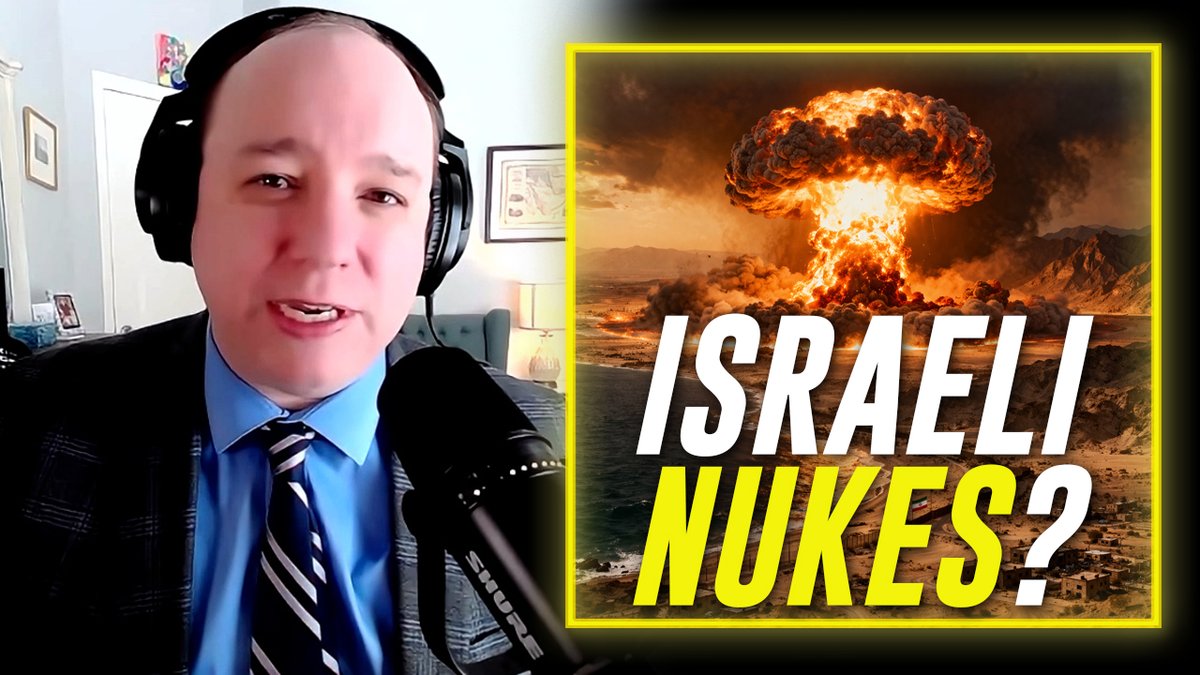
🇺🇸🇮🇷 Iran has cracked the code to win the war... and the code is patience. Brandon Weichert laid out the cold logic. Iran doesn't need to reopen the strait or sign anything. It just has to keep that waterway half-shut and let the clock run. Within 60 days, his...

179,730 просмотров • 2 месяцев назад •via X (Twitter)

Комментарии: 0

Нет доступных комментариев

Здесь появятся комментарии из оригинального поста

Похожие видео

🇮🇷🇺🇸 Iran may be transforming a strategic victory into a catastrophic miscalculation. Geopolitical analyst Brandon Weichert says that for weeks, Iran had gained the upper hand. America's long-range missile stockpiles were running low, its Gulf posture had become more vulnerable, regional states wanted the fighting to stop, and Tehran had the leverage. Now, Brandon thinks Iran may be pushing that leverage too far. During the interview, reports emerged that Iranian lawmakers were preparing legislation that would reportedly: - Ban U.S and Israeli vessels from transiting the Strait of Hormuz. - Block cargo linked to Israel. - Demand compensation from countries that supported the war. - And impose penalties of up to 20% of the cargo value on violators. At the same time, reports suggested Iran was seeking transit fees of between 5% and 7% of each cargo's value. If those numbers hold, Brandon believes the entire diplomatic process could collapse. Not because Iran lacks leverage, but because it may be asking for more than the world is prepared to accept. His concern isn't Washington, it's everyone else. Countries that quietly shifted toward Iran after the war may begin asking whether Tehran is now overplaying its hand. And if that happens, Trump gets exactly what he needs. A political justification to walk away from negotiations, argue that Iran was never serious about peace, and escalate the war. Brandon believes that changes everything. Because the fastest way to lose a winning position is convincing your opponent they have nothing left to lose. Brandon Weichert

Mario Nawfal

439,433 просмотров • 23 дней назад

🇺🇸🇮🇷 Trump has tried military force and economic strangulation against Iran; now Tehran has concluded that pressure simply does not work Iran has taken enormous punishment. Its economy is reeling, inflation is brutal, and its military has absorbed repeated strikes. But six months into the war, the regime is still standing, and crucially, Iran can still disrupt the Strait of Hormuz. Middle East scholar Joshua Landis believes that has fundamentally changed Tehran's calculation. Washington has moved from military force to its new “Economic D-Day,” but the regional cooperation needed to make that strategy truly devastating isn't materialising. Iraq, Turkey, the UAE and Qatar still have powerful incentives to trade with Iran. Oman is negotiating with Tehran. Pakistan and Qatar are talking to the Iranians. These countries don't want another regional war or a permanently closed Persian Gulf, and Iran knows it. Joshua says Tehran increasingly believes America has already played its strongest cards, which makes surrender even less attractive. Iranian leaders now believe that if they cave to Trump's demands, America and Israel will simply return once Iran has recovered and hit it again. In Joshua's words, Iran fears becoming another Gaza, Lebanon or Syria; periodically attacked to keep it permanently weak. So Tehran has reached the opposite conclusion: It has to make resisting Iran more painful than living with it. Tehran may finally have learned the difference between America having the power to hurt it, and having the power to make it surrender. Joshua Landis Brandon Weichert

Mario Nawfal

215,721 просмотров • 1 день назад