正在加载视频...

视频加载失败

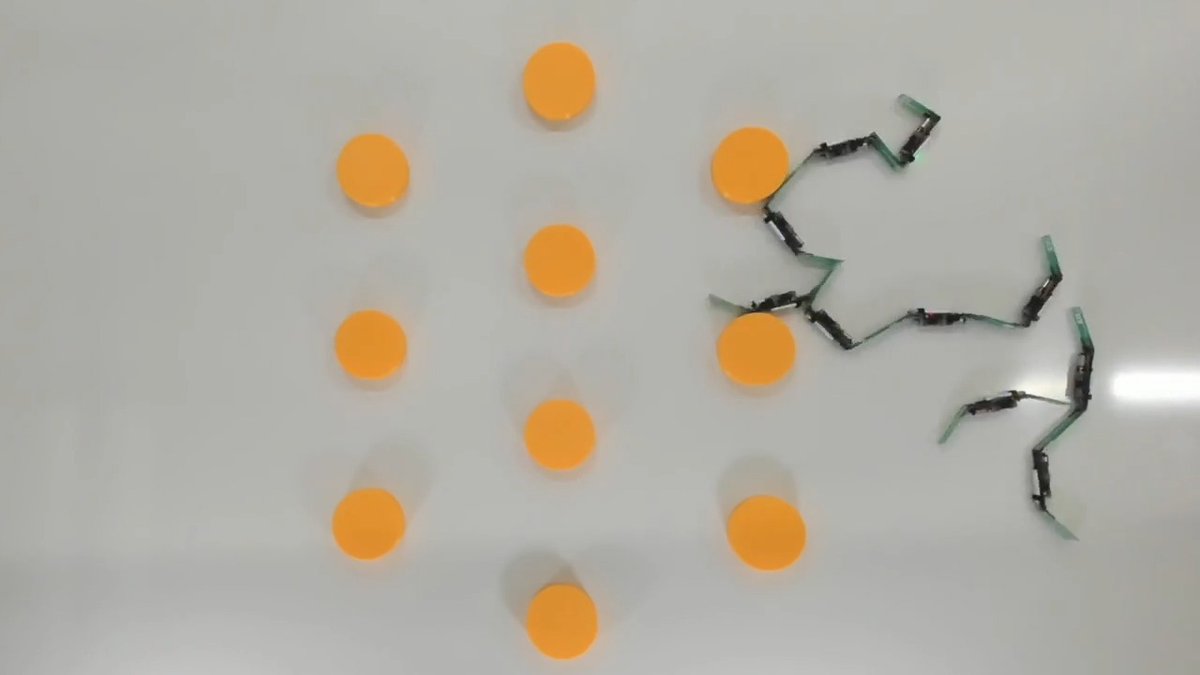
Israeli tech firm XTEND has introduced its new "Robotic Force" concept, powered by their XOS operating system. The technology coordinates modular swarm drones and robotic systems together into a single adaptable force without multiplying operator complexity.

23,386 次观看 • 4 天前 •via X (Twitter)

0 条评论

暂无评论

原始帖子的评论将显示在这里

相关视频

🇺🇦 Ukraine has significantly increased the deployment of its domestically produced electronic warfare system “Lima” both on the front lines and in the deep rear. 🟥 Lima is a Ukrainian-made system that does not destroy drones and missiles, but instead disrupts their navigation and alters their course. 🚀 Effect on missiles: Thanks to Lima, missiles lose satellite navigation, causing their accuracy to degrade by approximately 2 kilometers for every 100 kilometers flown. This means a missile aimed at an infrastructure target can ultimately land in an open field. 💰 Cost: One Lima unit costs up to 3 million hryvnia. Protecting a large city requires 30 to 100 stations — approximately €5 million, which is roughly the price of a single Patriot PAC-3 missile. Where physically destroying every threat is too expensive, it is possible to disrupt their guidance systems and force them to miss targets by a significant margin. 🟥 According to Cascade Systems, the Ukrainian Armed Forces have already received more than 400 Lima complexes. Over the past 18 months, the system has suppressed over 20,500 Shahed-type drones and altered the course of dozens of cruise and ballistic missiles. Lima represents one of Ukraine’s most effective and economical innovations in the war. By redirecting rather than destroying incoming threats, it achieves substantial defensive results at a fraction of the cost of traditional air defense systems. Its mass deployment is playing a major role in reducing the effectiveness of Russian long-range attacks. Video is generated by grok AI

NSTRIKE

49,131 次观看 • 4 个月前