正在加载视频...

视频加载失败

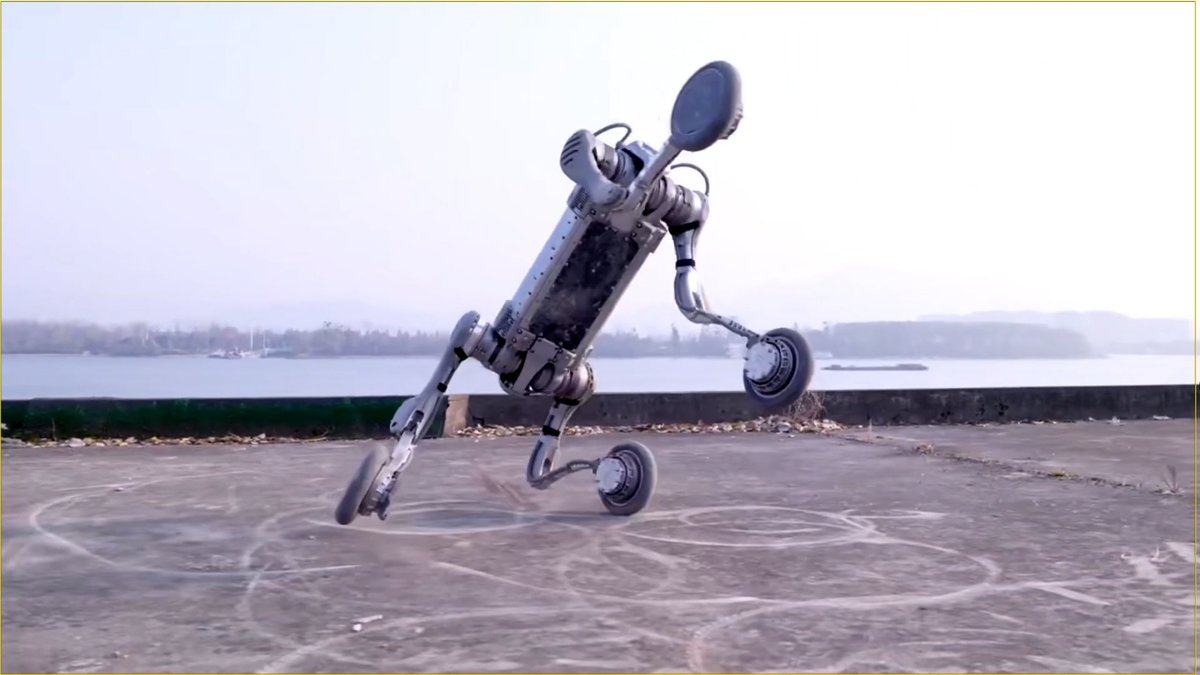
Japanese robotics engineers concede, after tearing down a Chinese Unitree robot, that Japan can't close the robotics gap with China in the short term — "We are years behind." Full video published by Nikkei xTECH👇

83,855 次观看 • 1 天前 •via X (Twitter)

0 条评论

暂无评论

原始帖子的评论将显示在这里

相关视频

Last night, China Central Television (CCTV) aired its 2026 Chinese New Year Gala celebrating the Year of the Horse. The show featured a wide range of performances, including Unitree Robotics humanoid robots performing martial arts in sync with human dancers. Just a year ago, Unitree’s robots appeared at the same gala, but their movements looked stiff and mechanical. This year, they were noticeably more fluid and coordinated — a remarkable improvement, even if they’re still likely operating under some level of remote supervision. When it comes to humanoid robotics, most of the visible momentum today seems to be coming from the U.S. and China. Companies like Tesla (with Optimus) and Boston Dynamics in the U.S., alongside rapidly advancing Chinese firms, dominate the headlines. So what happened to Europe and Japan? Japan was once seen as the global leader, especially with Honda’s ASIMO and SoftBank Robotics’ humanoid projects. However, ASIMO was retired, and much of Japan’s robotics focus shifted toward industrial automation and service robots rather than full-scale general-purpose humanoids. Europe, meanwhile, remains strong in industrial robotics, research, and precision engineering — with players like ABB and KUKA — but hasn’t pushed aggressively into commercial humanoid platforms at the same scale or speed as the U.S. and China. In short, it’s less that Europe and Japan disappeared, and more that the center of gravity in humanoid robotics — especially AI-driven, general-purpose humanoids — has shifted toward U.S.–China competition. Whether that gap widens or narrows will depend on breakthroughs in embodied AI, cost reduction, and real-world deployment over the next few years.

Ray

23,439 次观看 • 5 个月前