Loading video...

Video Failed to Load

Go Home

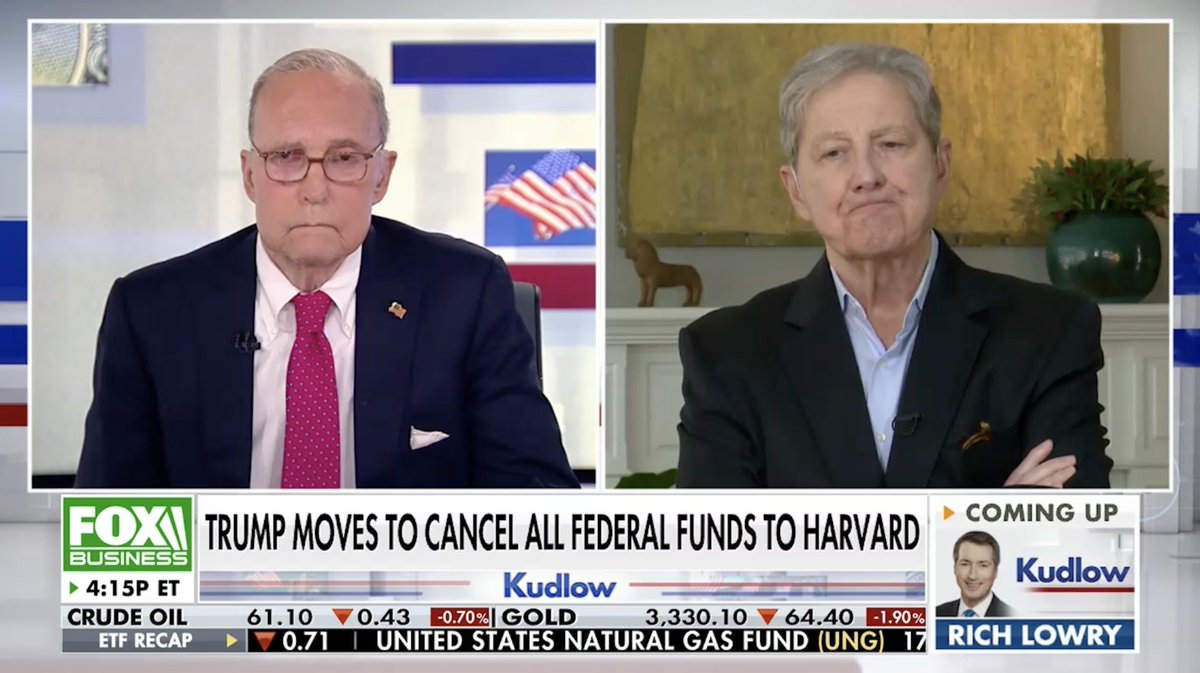
.John Doyle pushes back on Sean Duffy’s concerns about sending his daughter to Harvard. Sean Duffy: "Well, mom and I can say no. My problem is that we have thought about how we raised you and how hard we've worked to raise what I think is a remarkable young...

24,090 views • 4 days ago •via X (Twitter)

0 Comments

No comments available

Comments from the original post will appear here

Related Videos

Chris Bosh explains how Kobe Bryant taught him that greatness is mostly an unglamorous routine “If you’re trying to go after something, it’s a process and you cannot cheat it. That is one thing you cannot do. You can’t cheat the process, and even then that doesn’t guarantee you anything. You have to have your stuff together because you want to win, that doesn’t guarantee a win. You just have to make sure you’re doing your process.” “I had the chance to have a conversation with Kobe. We were friendly and we tried to have dinner once a year. He always talked about loving the process of what you do. That’s important. You have to love what you do and love putting the work in because some days are going to suck. It’s always going to suck to go in the gym and shoot 10,000 free throws.” “Everybody’s like, ‘Oh, Kobe, this is amazing.’ He’s like, ‘Yeah, that’s cool, but think about my day. I get up at 4:30am, take my kids to school, I lift weights, I go to practice, I pick them up from school, then I’ve got to do treatment because I’m 35 years old in the league. Then I’ve got to do treatment, and by the time I finish all that stuff, the day’s over. I don’t do anything else. This is all I do.’” “If you take on that approach to something that you love, if you can stick with it even in those tough days, that’s where you want to be.” “You gotta love the grind, man. That’s the part I always like to think of anytime something gets hard. If I’m pursuing a goal and I want to quit, it’s going to come. It’s going to come. It’s okay.” “How many people would quit right now? That’s the first thing I think about. Then I keep going. I’m like, okay, I’m not going to let this drop me off and keep me away from what I’m doing.”

Josh Chambers

42,096 views • 11 days ago

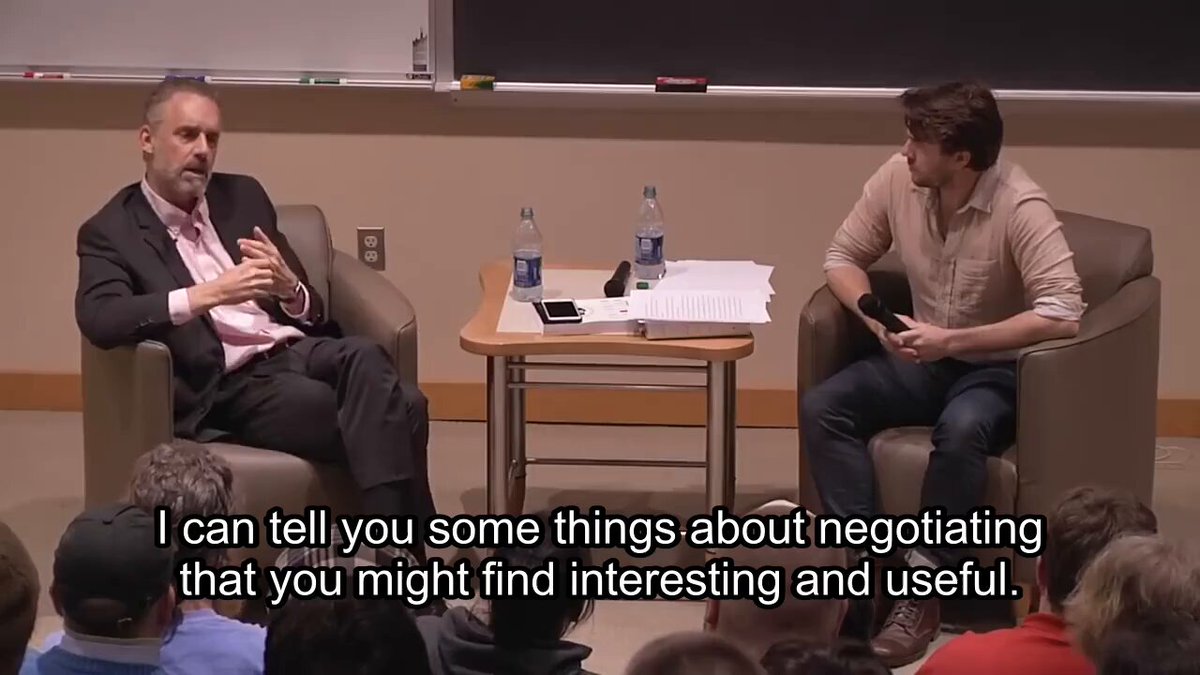
Jordan Peterson: "If you're competent and silent you will be ignored." "You might think well people should reward you because you're competent. And yes of course they should. But if you're competent and silent then you're just part of the background that's keeping everything functioning" On why you cannot negotiate from a position of weakness: "If you want to push your career forward you have to push it forward. You have to be competent and you have to be strategic" "To be strategic when you negotiate for a new position or a new salary you have to be able to say if you don't give me what I want then something you don't like will happen to you" "It's not a physical threat. It's that you have an option" "You have your CV in order. You're educated and competent and desirable to people outside of your immediate job. You're willing to instantly put yourself on the job market" "So that when you go talk to the person you're negotiating with you're credible" On the one thing most people completely miss about negotiation: "It's very seldom that you're talking to the person who's at the top of the pecking order. What you need to do is tell them a story that they can tell to their boss to make you not a problem" "A good story is look we really need this person because they're hyper competent and they have a better offer" "If you go in there with no power you're going to lose. Obviously" He concludes with the one thing every competent person needs to hear: "The first thing you need to know if you're going to negotiate is that you have to be able to say no. And what no means is that you're not going to do it"

Brad

34,992 views • 22 days ago

Margaret Brennan tries to run the same playbook on Jay Bhattacharya that Dana Bash ran last week on RFK Jr; avoiding any honest discussion of 2020 when talking about the crisis of confidence in public health. MARGARET BRENNAN: Should parents trust that they can go vaccinate their kids when their doctor tells them to do so for them to go back to school? JAY BHATTACHARYA: Yeah, I think– I think that the– that parents, for most kids, especially for the measles vaccines, the DTP, all the standard childhood vaccines, it's very important that parents vaccinate their kids. As far as can- they feel confident sending them back to school? You know, I just– just to push back some. It was a tremendous mistake to cause parents to fear that– about sending their kids to school during the Covid pandemic. The kids were better off in school. We shouldn't be scaring the public– BRENNAN: I'm talking about what people do now. It's August. About to be September. Kids are going back to school. I'm not talking about 2020. I'm talking about 2026. BHATTACHARYA: Yes, but, Margaret, you're talking about the– you're talking about– we're talking about the why people have– BRENNAN: Clarity from the federal government and the top health official. BHATTACHARYA: Yes, OK, just so we're clear. If you want clarity, let me give you some clarity. BRENNAN: Please. BHATTACHARYA: The reason why you have this problem in public trust is because what happened in 2020 has not yet been addressed. To be– BRENNAN: Can these parents trust you and the recommendation that they should go get their kids vaccinated to go back to school? BHATTACHARYA: Yes. I mean, I think– I mean the parents, should they trust me? I mean I'm giving my recommendation. I vaccinated my kids. I don't think that it is a– it's– I think if you want to protect your kids from these sort of parental diseases, yes, you should vaccinate your kids. But it is even more important that these kids go to school. That they, in no way, shape, or form should this show or any other show like it perpetuate the idea that sending their kids to school is worse because there are going to be some health risks there when it's just not true, right? If you want to protect your kids from those preventable diseases, vaccinate your kids. I've been very, very clear about that. But it is a– it is a mistake, and it contributes to the lack of public trust if you sort of fearmonger around, oh, if you send your kids to school, well, you might be around unvaccinated kids. That's a tremendous mistake, right? If you vaccinate your kids, you can protect your kids from those risks, whatever they are. And in any case, it's better to send the kids to school, because that's how you keep kids healthy. BRENNAN: Yes. We want to send our kids to school. BHATTACHARYA: I'm not– but now addressing what happened in 2020 is part of that. BRENNAN: OK. BHATTACHARYA: If you want to say why there's this loss of public trust, you have to really wrap your arms around that. BRENNAN: But you trust the science and the health workers and the vaccines now is what I understand you were saying. And so that is the message that I think we can– BHATTACHARYA: I mean, trust the science. I mean I've looked at the scientific evidence and there's lots– I mean I personally have made decisions for my family around those lines too. BRENNAN: OK. BHATTACHARYA: So, yes. BRENNAN: That's good to know. Thank you. We're going to leave it there, because I know we're running out of time. We'll be back in a moment.

Jorge Bonilla

23,629 views • 15 days ago