Video yükleniyor...
Video Yüklenemedi
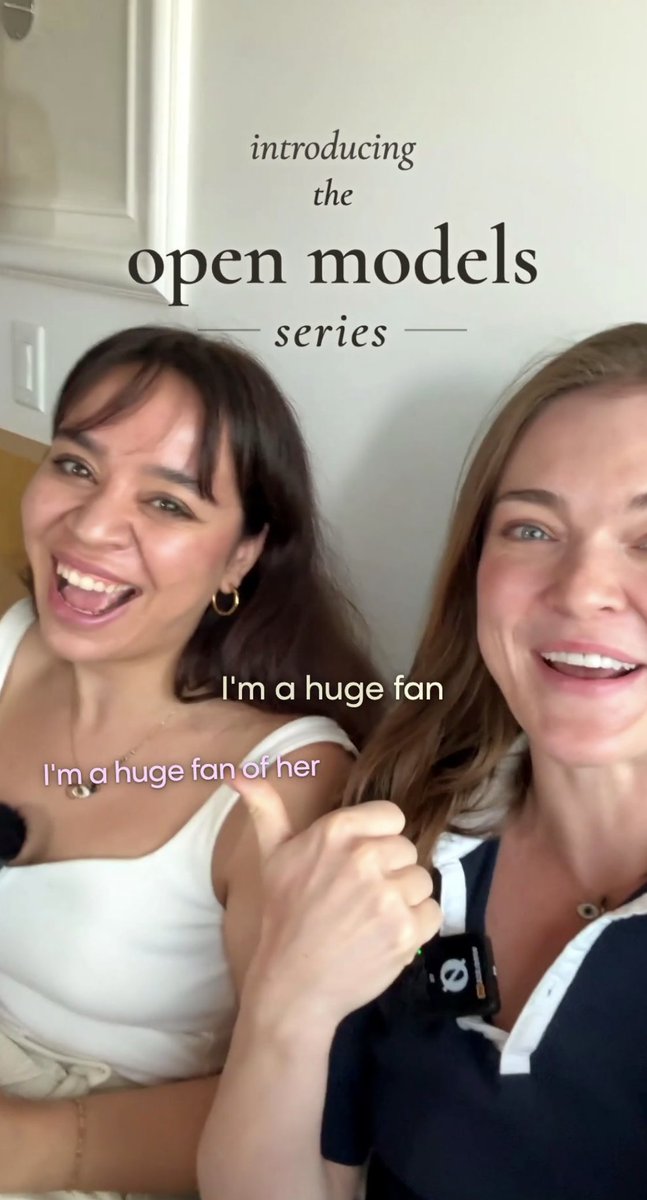
Just how capable are open source models? Below is the first in a new series where we go behind the scenes and pull back the curtain on interesting AI research / demos, making them fun and easy to understand. Here, we have a short visual demonstration from aizk ✡️... show more

39,769 görüntüleme • 1 ay önce •via X (Twitter)
0 Yorum
Yorum bulunmuyor
Orijinal gönderinin yorumları burada görünecek



![Baseten Head of AI Model Training Charlie O'Neill says the future is many specialized LLMs dedicated to specific tasks, with bigger labs deployed on the frontiers of areas like science and math: "People are thinking about intelligence capabilities in the wrong way. People are thinking about intelligence relativistically. They say, 'OK, the open-source gap is like 6 months behind closed-source, and GLM 5.3 is as good as Opus 4.8,' or whatever." "The best way to think about what models can do for you, and for the world, is in an absolute sense." "So for any given task that you want to do with an LLM, there's some intelligence threshold where below that you can't do the task, and above that you have very diminishing returns to more intelligence on the task." "So when you think about it that way, the game of LLMs over the last 5 years has been, 'OK, we have these things we want to do with them. Closed source hits it first... but open-source can eventually do that task. And then for many reasons, once you have the base level of intelligence required to do it, you probably do want to swap to open-source." "It's not really about the [frontier lab] God model being better. Like, if I'm filing a tax return, there is a limit to how much intelligence I need to do that particular thing." "So I think the world is going to look like — frontier closed-source labs are going to continue to push the frontier. You do want to use the most intelligent model. You have very inelastic demand for intelligence when you're doing frontier science or frontier math." "But for a lot of the economically valuable things, it looks a lot like, 'I'm a Cursor, or I'm one of these big companies who are realizing I can't just be a wrapper anymore. I've been through the life cycle of building a product that people love. And I should be using that information to make my model better at the things that I care about, and not at anything else.'"](https://image.24vids.com/tw-2095651279792185623/amplify_video_thumb/2095651051982692352/img/qg4kzLYWNIKvqhP0.jpg)


![SITUATION EXPLAINED: What happens to open source when the US restricts access to frontier AI models? We asked Adrian Dittmann: "China is releasing these models [open source] to gain international dominance, people will work on these things and say, 'Hey, maybe I can contribute to this if it's open source.' This is the thing that actually gets them talent." "If you're not allowed into the next GPT release or you're not allowed to use Fable, then what are you gonna do? You're stuck with the existing stuff, or you will have to use an open source model that might have subtly better capabilities." "The United States will catch up to open source in some form as well. They seem to just be maximizing product creation." "The problem with open source models is you have to be kind of a nerd in order to use them properly. Consumer facing, the effects will be minimal because the average person doesn't care about open source models. They only care whether or not they can do a quick search with Gemini or ChatGPT."](https://image.24vids.com/tw-2070296312504107027/amplify_video_thumb/2070296175820095488/img/m2XxAnBlqgmBMHKv.jpg)

