Загрузка видео...
Не удалось загрузить видео
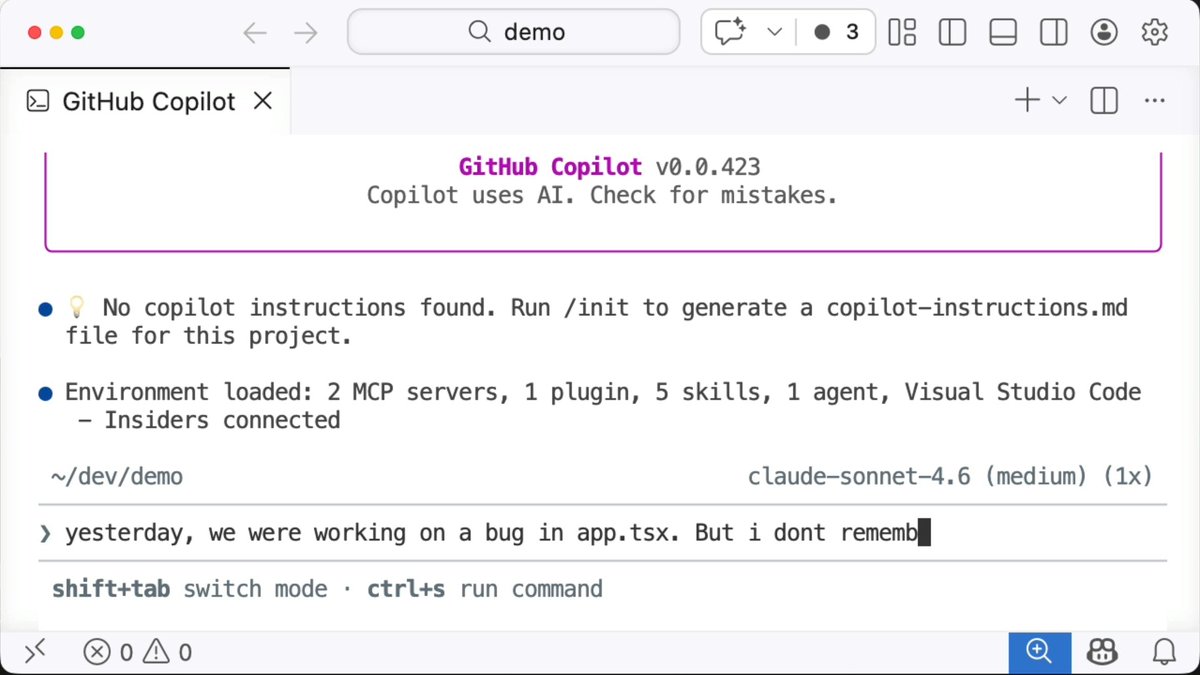
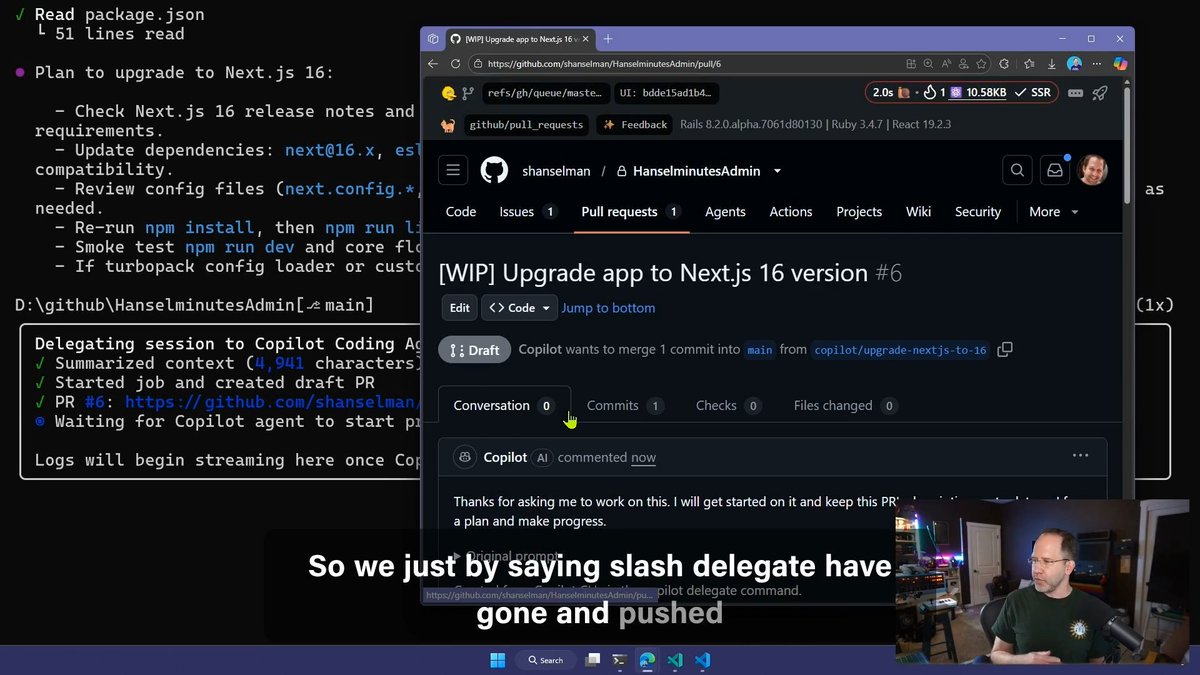
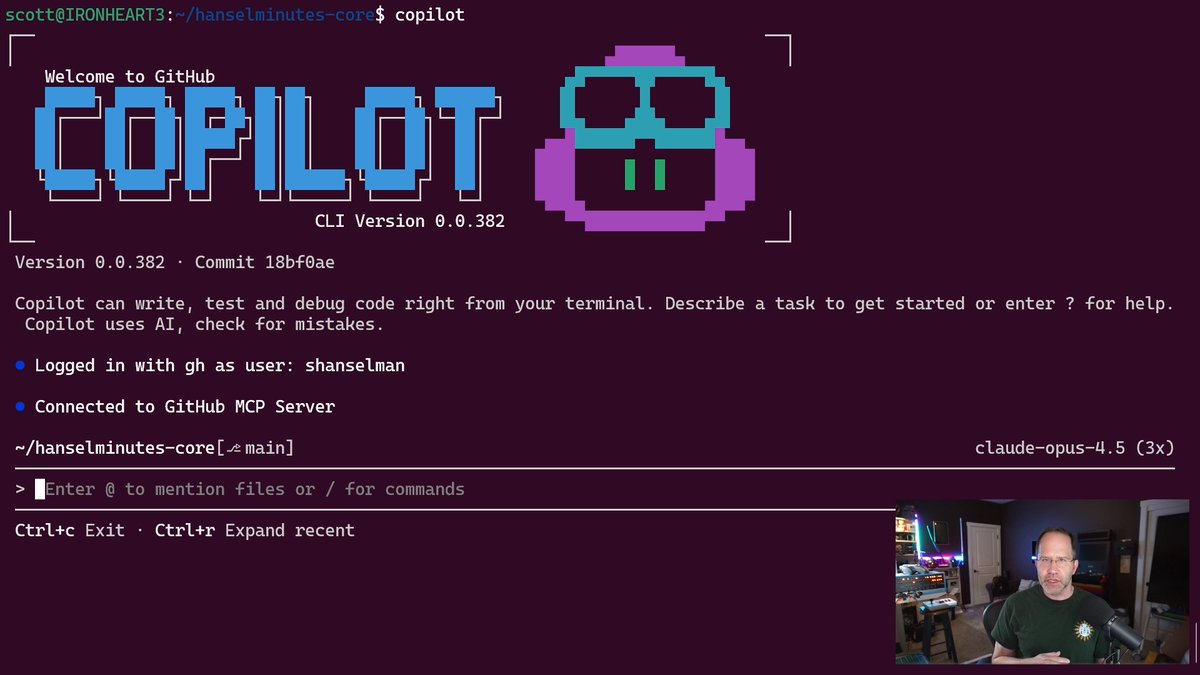
Just one command can help you stop leaking secrets into your public code. Give your repositories essential security hygiene with gh-secure from the GitHub Security Lab. ✅ Install and use it in the Copilot app, Copilot CLI, or GitHub CLI.

81,844 просмотров • 1 день назад •via X (Twitter)
Комментарии: 9

One leaked API key can turn into a serious security problem. 🔐 Before pushing code publicly, make secret scanning part of your workflow. Small security habits can prevent big problems. 👨💻 Would you run a security check on every repo?

secret scanning shouldn't be a tool you install, it should be default on every repo

one command to stop leaking secrets. the secrets already starred the repo and left.

secrets leak at commit, not at install

i'd peck the secrets out myself, but apparently there's a command for that

@grok If a single CLI command like gh-secure catches leaked secrets, why do studies still find that over 10 million secrets are exposed on GitHub annually, does tooling awareness lag that far behind adoption, or is the detection itself incomplete?

leaked an API key once. never again — installing this today

Security hygiene doesn’t have to be complicated. Having a simple command that helps catch exposed secrets before they become a bigger problem is a practical win for every developer.

The key detail most people miss: once a secret hits a public repo, deleting the commit doesn't fix it. Git history keeps it, and scanners scraping GitHub can find exposed keys within minutes of a push, so the only real fix is rotating the key. That's why the timing matters. In a year when agents write and commit code faster than any human reviews it, prevention at commit time is worth far more than cleanup afterward, especially when rogue agents were literally caught this week sorting stolen keys into a list called "LOOT."